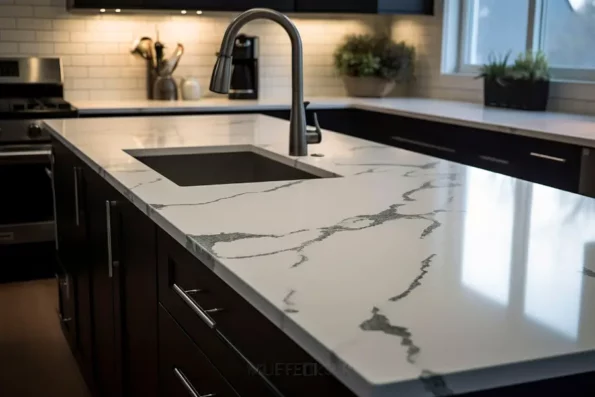
Island Bench

The Pros and Cons of an Island Bench in Your New Kitchen

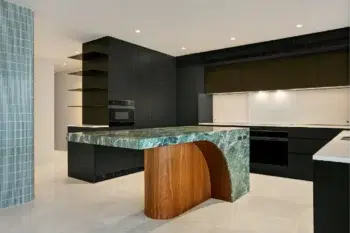
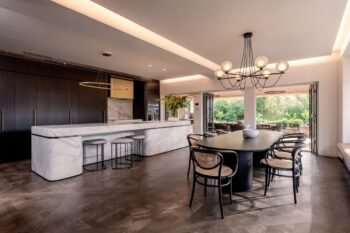
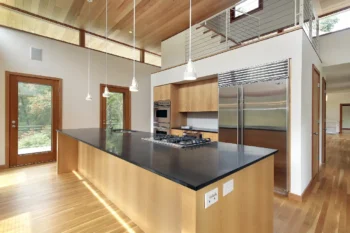
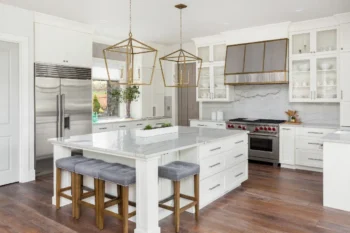
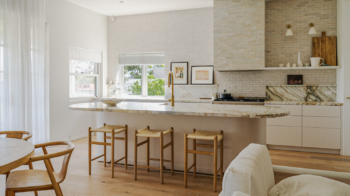
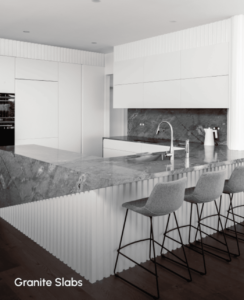
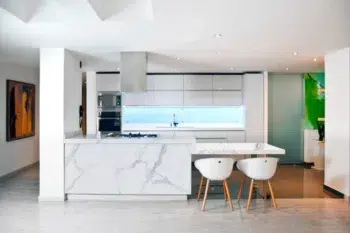
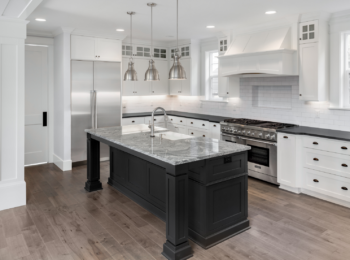
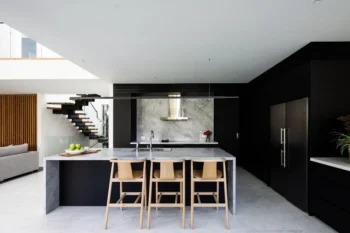
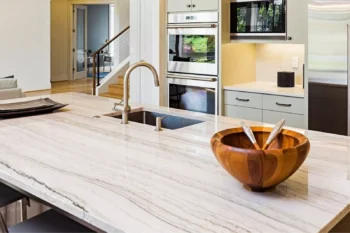
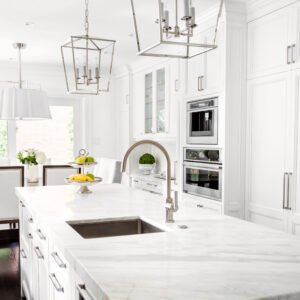
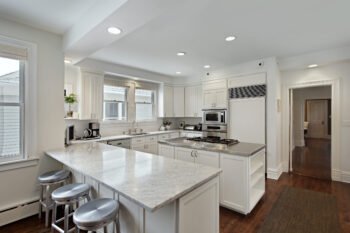
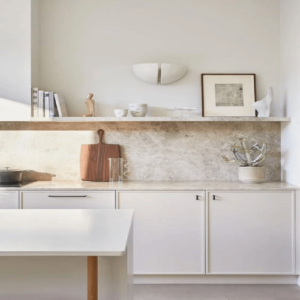
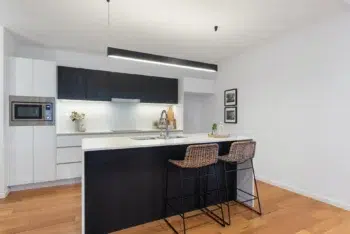
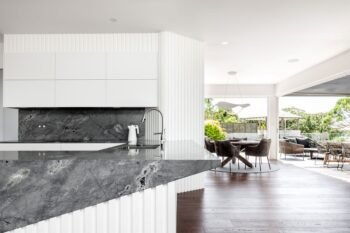
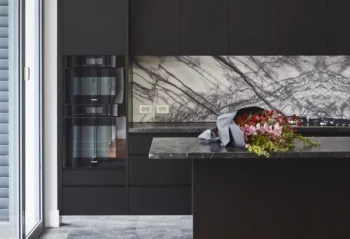
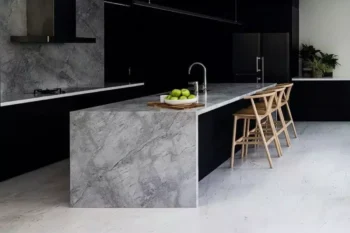
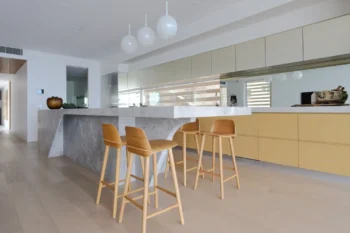
The Pros and Cons of an Island Bench in Your New Kitchen The kitchen is often referred to as the heart of the home, and with good reason. It is where food is prepared, families gather, and the pulse of everyday life unfolds. Because it is one of the busiest and most important rooms, it is essential to make design decisions that are both functional and stylish. Island benches have become one of the most popular features in kitchens, especially in homes across Australia. They provide additional storage, workspace, and a social hub. But should you have an island bench in your kitchen? This guide explores the pros and cons of an island bench. It provides insights to help you make informed decisions. Whether you are designing a new kitchen or renovating your current one, this complete guide will help you decide if an island bench is right for your space, budget, and lifestyle. Find the Perfect Stone for Your Project Not sure which stone will suit your kitchen, bathroom, or outdoor space? Explore our curated selection of natural stone slabs and get expert advice on the best choice for your design. View our Range Pros of the Island Bench Social Center for Entertainment Australians are known for their love of entertaining, and the kitchen has evolved into a central gathering place for many homes. The island bench can be used as a multi-purpose space for cooking, dining, and socializing. This makes it a great addition for those who host frequent gatherings. Encourages Interaction: The bench provides an open space where guests and cooks can easily engage with one another. This is especially useful in open-plan homes where the kitchen and living room blend seamlessly. Perfect for Serving Food and Drinks: The island can function as a buffet table, ideal for displaying platters of food or party snacks. It is also a great place to set up a drinks table while entertaining guests. Casual Dining Area: Many island layouts include seating, transforming the bench into a casual dining space that is perfect for family breakfasts or quick meals. Additional Storage One of the biggest challenges in any kitchen is storage. With appliances, utensils, and pantry items taking up space, cabinets often become overcrowded. An island bench provides additional storage, keeping everything organized and within easy reach. Deep Drawers: These drawers are ideal for storing large items like pots, pans, and mixing bowls. They also help in organizing cooking utensils and small appliances. Open Shelving: Many island designs feature open shelving for cookbooks, decorative accessories, or frequently used kitchen items such as fruit bowls. Hidden Storage: Some islands have enclosed compartments for rubbish bins, recycling, or extra pantry space, helping maintain a clean and clutter-free kitchen. A Multi-Functional Workspace Modern kitchens demand versatility, and an island bench can serve multiple purposes, making it a valuable addition for multitaskers. Breakfast Bar: The island can function as a breakfast bar or informal dining space, eliminating the need for a separate dining table and optimizing kitchen space. Homework Station: With seating and ample counter space, the island bench can double as a homework station, allowing kids to complete assignments while parents prepare meals. Additional Cooking Area: Many islands include built-in sinks, stovetops, or dishwashers, turning them into extra cooking or cleaning zones. Entertainment Hub: The island is perfect for setting up snacks and drinks during parties, offering space for a charcuterie board or other refreshments. With these features, the island bench increases the practicality and aesthetic appeal of the kitchen. Enhances the Look and Feel of Your Home Beyond functionality, an island bench significantly enhances kitchen design. It serves as a focal point and adds style to the space. Stone & Quartz Benchtops: Durable and elegant, materials like stone or quartz create a sleek, modern finish that elevates the kitchen’s appearance. Timber Accents: Many homeowners incorporate timber elements to add warmth and contrast to contemporary kitchen designs. Waterfall Edges: Waterfall countertops extend the material down the sides of the island, creating a luxurious and seamless look. An island bench also creates a sense of openness, improving the overall flow of the kitchen and making even small spaces feel more expansive. Raises Home Value If you plan to sell your home in the future, installing an island bench can be a smart investment. Spacious, modern kitchens are a key selling point for buyers. Appeal to Potential Buyers: An island bench stands out during home inspections and enhances the overall attractiveness of your property. Increases Home Value: Kitchens with islands are considered more modern and functional, often leading to a higher resale price. An island bench adds marketability and desirability to your home, making it more competitive in the real estate market. The Cons of an Island Bench Not Suitable for Small Kitchens While an island bench is a great addition to large kitchens, it may not be ideal for smaller spaces. Restricted Movement: An island can take up significant floor space, making it harder to move around, especially in compact kitchens. Disrupts the Work Triangle: The optimal placement of the sink, stove, and fridge (known as the kitchen work triangle) may be affected, reducing efficiency. Obstructs Cabinet Access: A poorly placed island can block cabinets or drawers, making it inconvenient to work in the kitchen. For smaller kitchens, alternatives like a peninsula or a mobile island with wheels may be a better solution. Cost of Installation Can Be Expensive Installing an island bench can be a significant investment, depending on the materials and features chosen. Use of Premium Materials: High-end materials like stone, quartz, or marble can be costly. Built-in Appliances: Adding a sink, stovetop, or dishwasher requires additional plumbing and electrical work, increasing costs. Custom Storage Solutions: Features like soft-close drawers and hidden compartments add convenience but raise the overall price. If you’re on a tight budget, weigh the cost against the benefits to determine if an island bench is worth the investment. Potential for Clutter Without proper organization, an island bench can

CONTINUE READING ➞
Marble benchtop Newcastle

5 Reasons Why Marble is a popular Choice for Bathrooms

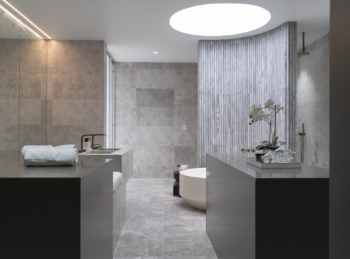
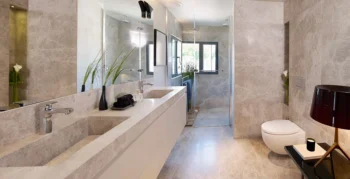
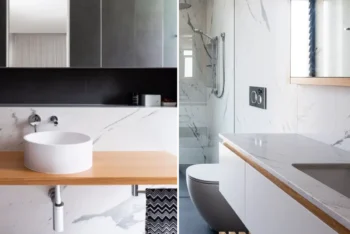
5 Reasons Why Marble is a popular Choice for Bathrooms Marble has been the perfect bathroom material through all these centuries, but its appeal is very strong even today, especially in Australia. Its luxurious look and durability and adaptability make it a favorite among homeowners and designers. Whether renovating your bathroom or building from scratch, marble offers beauty combined with practicality that stands the test of time. This article will discuss five key reasons why marble remains the popular choice for bathrooms. Timeless Elegance: Marble Adds a Luxurious Aesthetic Marble’s natural elegance has made it a highly sought-after material for bathrooms, offering a sense of luxury and timeless beauty. Its unique veining and variety of colors, such as the classic white Carrara or bold Calacatta, make every piece distinct. This individuality allows homeowners to create a bathroom that reflects both classic and modern styles. Marble comes with a finished surface featuring a nice reflective surface and amplifies light, hence making the bathrooms seem more open and attractive. Even in small areas such as vanities or accent walls, marble can instantly change the design and make it feel like a spa in any house. It is tagged as a luxurious and high-class living material, which makes marble very popular for people who want to drive a sense of elegance into their space. Durability and Longevity: Marble Stands the Test of Time Marble has been used for so long and is therefore very common in many places like the bathroom, simply because it is very durable. Its durability to heat and moisture makes it suitable for wet places where other materials can break down. Marble is softer than granite, but it can withstand all the scratching it gets from daily usage if properly maintained and sealed. Marbles require frequent sealing in order to prevent moisture and stains from entering. Although marble is porous and subject to etching, it remains strong and beautiful for years if maintained appropriately. Its ageless beauty will not fade even as you age; minor scratches or slight imperfections may help add character without any loss of aesthetic appeal. Marble is an investment that looks valuable and remains timeless, retaining appeal alongside hardness, ensuring your bathroom will remain functional as well as luxurious to grace your bathroom for decades to come Find the Perfect Stone for Your Project Not sure which stone will suit your kitchen, bathroom, or outdoor space? Explore our curated selection of natural stone slabs and get expert advice on the best choice for your design. View our Range Natural Variety: A Wide Range of Colors and Patterns Another key advantage of marble is the exceptional natural variation. With marble, you will get a variety of colors and patterns that can provide thousands of design options for your bathroom. You might like the subtle, soft veining of Carrara marble or the dramatic streaks of Calacatta; there is indeed a style to satisfy every taste and decor. No two installations will ever look identical since every slab of marble is unique. This makes every bathroom uniquely luxurious, be it cream-white and soft grey to deep green and warm brown, among many other color options available in marble that will help a property owner create a space that says something special but nevertheless timelessly beautiful. With such a range, marble is a very versatile all-time favorite, taking on very modern and clean bathroom designs with equal ease as ancient and classical bathroom designs. Easy Maintenance: How to Keep Marble Looking New Marble is a relatively easier material to maintain its beauty in bathrooms than many other materials. Marble is a porous material, so it is required to seal them in order to prevent moisture absorption and staining. Sealing should be done every six to twelve months, depending on the level of use and exposure to water. With this protective barrier, marble will remain fashionable without losing any of its natural shine and durability. Daily cleaning is best done using pH-neutral cleaners or a mild dish soap solution since harmful chemicals can damage marble’s surface. Avoid using abrasive scrubbers that will possibly cause scratches. Soft cloths or sponges that gently clean the surface without taking away the shine of the stone are the best for cleaning. Quick clean-ups of spills, especially acidic substances such as lemon juice or vinegar, may prevent etching and staining. Increased Home Value: Marble as a Smart Investment Investment in marble for your bathroom is much more than just aesthetic because it will really prove to be a good financial decision by upgrading the value of your property. Marble is symbolized by luxury and elegance. Such greatly desired qualities are looked for in homes by their potential buyers. Adding marble to bathrooms can instantly increase the market value of any property. Marble is often considered as a premium material, and with the cost, Australian homeowners can discover that using marble can bring them a better price when selling the property. A bathroom with marble countertops, floors, or shower walls endows the whole bathroom space with the luxury feel, allowing homeowners to increase asking prices. Marble is timeless, an investment that will never go out of style, so that when you make your purchase, you know that it’s going to keep delivering value for years to come. Conclusion In summary, it is not surprising that marble remains popular in bathrooms over time due to its classic beauty, durability, and a variety of patterns, which place marble above most other bathroom materials. Marble remains beautiful as long as it is properly cared for over the course of decades, and that is why Australian homeowners might be interested in marble bathroom designs for luxury and longevity. More importantly, boosting the value of marble for your house is considered an excellent investment. Whether you’re renovating a bathroom or building one from scratch, your marble choice will surely end up in a room that’s classy and practical for decades to come. Frequently Asked Questions (FAQs) Is marble suitable for high-moisture

CONTINUE READING ➞
travertine slab or Travertine Benchtops

How to Choose the Right Travertine Slab for Your Bathroom Renovation?

How to Choose the Right Travertine Slab for Your Bathroom Renovation? Selecting the best travertine slab for your bathroom makeover can redefine the room as a stylish and luxurious spa-like oasis. Coming in such a variety of colors, travertine stone will definitely add the charm and the timeless elegance to your bathroom’s original look. Nevertheless, deciding on the right slab is more than just settling on a shade. Whether you are looking for the specific features of travertine or the overall design of your bathroom, this guide will walk you through the selection process, so that you have a travertine slab that is not only visually appealing, but also suitable for your requirements and preferences. Our Travertine Slabs for Countertops Classic Beige Travertine Ivory Travertine Travertine Grigio Roman Striato Travertine View All Our Stone Slabs Range for Countertops Classic Beige Travertine Ivory Travertine Travertine Grigio Roman Striato Travertine View All Factors to Consider Before Selecting Travertine Slab Before diving into the vast selection of travertine slabs, it’s important to arm yourself with knowledge about what makes each piece unique and how it fits into your bathroom renovation project. Here are essential factors to consider: Durability and Finish Travertine is also highly durable and hence it is considered as the perfect candidate for bathroom installation. Nevertheless, the completed travertine surface characteristics of slip resistance and general feel may be a concern. Honed travertine may become slippery when wet, polished travertine is, on the other hand, shiny but more slippery, while tumbled travertine provides better traction and matte appearance. Color Variations Travertine is available in the colors of nature, not man-made; such as warm beiges to deep browns. Each of which is a marble slab with different veining pattern and color, creating a personality of your new bathroom. For instance, think of the color palette of your space and choose the slab that will either match or contrast with the other elements of your design perfectly. Porosity Due to its porous nature, travertine stone has voids and holes that can be filled or left empty. The filled travertine gives a slick finish which is convenient for cleaning and more uniform in appearance. The travertine with no infill has a more natural and textured surface that though may require more care and attention. Size and Thickness The dimensions and thickness of travertine slabs have an effect on the look and functionality of your bathroom. The size of the slabs defines the look of the end product. Thicker slabs come in handy here to provide the added durability but may require additional support, for instance, in the case of vanities or shower benches. Source and Quality A travertine’s origin impacts its color and quality. From one quarry, different travertines can be different in terms of their appearance and quality. Conduct thorough research on the preferred suppliers and also check the travertine slabs in person to ensure that they meet your expectations and quality standard.   Find the Perfect Stone for Your Project Not sure which stone will suit your kitchen, bathroom, or outdoor space? Explore our curated selection of natural stone slabs and get expert advice on the best choice for your design. View our Range Benefits of Travertine Slab for Bathroom Renovation Timeless Beauty: Travertine’s natural beauty with its warmer tones and patterns makes any bathroom more unparalleled and elegant. With this classic and timeless style, your bathroom stays stylish for many years after. Durability: A great feature of travertine that distinguishes it from other types of stone is its ability to withstand the test of time. Its durability to last under the bathroom’s humid and wet condition is the very reason why it is the best material for such places. Adds Value: Bringing in the high quality natural stone in your bathroom upgrades, you will be able to add value to your home. This is a top selling point, which is attractive to future home buyers and makes it a good investment. Eco-Friendly: Travertine is environmentally-friendly material. As a natural stone, it doesn’t require chemically treated production processes. Hence, it is suitable for eco-friendly homeowners who are aware of the environmental impacts of synthetic materials. Versatility in Design: Finishes can range from polished to tumbled, therefore it can be used in any bathroom style, anything from a modern to traditional. The malleability of the materials used in this design process means that there is always room for creativity, leading to an individualized surrounding. How to Care & Maintain Your Travertine Slabs The condition of your travertine slabs could be preserved if you took time to care for them and maintain them regularly. Here are key tips to help you preserve the beauty and longevity of your travertine bathroom surfaces: Sealing is Crucial: Travertine is a porous material and the same reason it can be stained. Sealing the slabs will prevent water from entering them and save you from stain messes. Travertine must be sealed every year, and this is especially important in high-moisture environments like bathrooms. Gentle Cleaning: Do a cloth or mop clean up using a neutral cleaner for natural stone. If you use such acidic or abrasive cleaners, they will dull the surface of the travertine by scratching it. Consistent gentle cleaning prevents dirt depositing and keeps the stone naturally shining. Immediate Spill Cleanup: Attend to spills right away to avoid any staining no matter if it is makeup, toothpaste or any other harsh chemicals. Dabbing instead of wiping the spills is better when you want to figure out whether the liquid gets into the stone or not. Avoid Scratching the Surface: The travertine tile is hard to scratch, but it could be damaged by abrasive materials. Don’t let heavy objects drag on travertine floors, and if possible, use non-slip mats to avoid scratches. Regular Inspection: Time to time, inspect your travertine for any traces of wear or damage, such as chips and cracks. Early detection will give the much needed time to undertake repairs before more damage is done and to preserve the condition of the stone. It is not compulsory

CONTINUE READING ➞
Marble Benchtop

Why Marble is the Perfect Material for Fireplace Surrounds

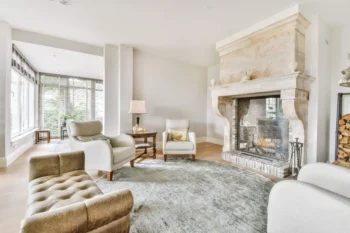
Why Marble is the Perfect Material for Fireplace Surrounds Fireplaces can be the heart of a house, considering they provide both warmth and a focal point to a room. One of the best materials for fireplace surrounds is marble. The combination of beauty, strength, and versatility is just right for a home, regardless of style, either classic or modern. In this article, we have outlined some of the reasons why marble will serve as the perfect material for fireplace surroundings, including timeless elegance, heat resistance, and versatility. Our marble Slabs for Countertops Helicanus Marble Golden Spider Marble Diano Reale Marble Breccia Anatolia Marble View All Our Stone Slabs Range for Countertops Silver Patagonia Quartzite Sierra Wave Granite Patagonia Retro Granite Iceborne Quartzite View All Timeless Elegance: The Aesthetic Appeal of Marble Marble is classy, and for that reason, it has been used in architecture and design for many centuries. Because of the unique veining pattern it has, it portrays natural beauty that tends to make a space quite elegant. The smooth and polished surface of this stone contributes an air of luxury to both classical and modern interiors. It comes in a variety of colors, from soft whites through rich greens and greys. The fact that it easily integrates with other elements of decoration makes it excellent for those wanting to create an elegant, versatile fireplace surround, the one that will never go out of style. Heat Resistance: Why Marble is Safe for Fireplace Surrounds Marble is good for fireplace surroundings, as it can bear high temperatures. Unlike many stones, marble will not crack with extremely high temperatures, and that also makes them apt for places that would experience direct heat. It has low thermal conductivity, meaning it does not quickly absorb the heat; hence, it keeps the surround cooler to touch even when in use. Another thing is that this natural tendency of resistance to heat will make marble not only safe but also durable without any discoloration under temperature changes. Safety combined with durability are the factors on which marble can be a reliable option when it comes to fireplaces. Versatility in Design: Marble’s Wide Range of Colors and Patterns Due to its differences in color and pattern, marble has become highly flexible for design. From the soft, gentle veining of Carrara marble to the bold, dramatic patterns in Calacatta marble, there can be something to fit any style. These vary in color from soft whites through deep greens, greys, and even pinks, all of which can be custom-made toward home schemes of modern or traditional touch. Because of the natural veining in marble, each piece is unique, making the appearance truly one-of-a-kind. Be it from a sleek and minimalist surround to an intricate, decorative design, marble can easily achieve either option in desired ambiance, which makes it such a popular choice for fireplace surrounds. Find the Perfect Stone for Your Project Not sure which stone will suit your kitchen, bathroom, or outdoor space? Explore our curated selection of natural stone slabs and get expert advice on the best choice for your design. View our Range Low Maintenance: The Ease of Cleaning Marble surrounds are pretty low-maintenance, which makes them rather practical for a homeowner. Besides, this material allows cleaning easily because of its smooth, nonporous surface, and it resists dust, soot, and dirt accumulation. It is usually cleaned by wiping it regularly with a damp cloth. When sealed correctly, marble just becomes even more impervious to stains, and the slightest spills or marks can be easily wiped away. Marble doesn’t require strong cleaning and would, therefore, last longer, and is the best material to use around a fire place. Enhancing Property Value with a Marble Fireplace The marble fireplace surround can certainly enhance the value of a property due to its appeal and durability as a piece of luxury. Marble is one of the more high-class materials and is normally viewed as adding in an element of providing a high-quality aesthetic and sophistication to a house, attracting further buyers. Timeless elegance and versatility make the style direction suitable for all interior designs; it adds a touch to that single point in the property. Moreover, with the durability and low maintenance characteristics of marble, it means it will keep its beauty over time, being a long-term investment that adds to the marketability and overall value of the home. Sustainability and Eco-Friendliness of Marble as a Natural Stone Marble is a ‘green’ product in many ways, since it is a naturally occurring stone that requires only a minimal amount of processing compared to synthetic materials. Sourced directly from the earth, marble does not involve chemical manufacturing, reducing environmental impact at the production level. Its durability also ensures longevity; therefore, it does not need to be replaced often and thus is equally low in terms of waste. When responsibly sourced, marble can play its part in environmentally conscious building projects. Moreover, marble can be reused or recycled in a multitude of ways, making it greener for a homeowner wanting to reduce their ecological footprint. Conclusion Marble, one of the many types of materials that could surround your fireplace, brings together style, strength, and flexibility in a single material. Its beauty and timeless practicality ensure it is always a good addition to any home, be it the sleekly modern or the traditional. It is highly resistant to heat, very low maintenance, and earth-friendly Furthermore, it adds a lot of value to the home as an investment for the future. Laying marble in the fireplace makes such a centerpiece in your house beautiful and quite durable, too. Visit our Sydney or Newcastle showroom to discover the Marble Fireplace for your space. Frequently Asked Questions (FAQs) Is marble suitable for fireplace surrounds? Yes, marble has high heat resistance; it is safe to be installed on your fireplaces. It doesn’t crack under high temperatures, ensuring durability for long-lasting protection. How to clean marble surrounding a fireplace? Cleaning a marble fireplace is rather easy. You are able to simply wipe

CONTINUE READING ➞
Marble

What Are the Top Natural Stone Choices for Bathroom Countertops and Walls?

What Are the Top Natural Stone Choices for Bathroom Countertops and Walls? Natural stone can add elegance and durability to bathroom countertops and walls. Each type of natural stone has its own unique charm and functionality, making it versatile for improving bathroom interiors. Be it the classic look of marble, durability in the case of granite, or the warm feeling of travertine, natural stone variability spells style with its benefits. Knowing the characteristics of stones will give you the right material to use in a bathroom, suiting your design taste and satisfying your lifestyle needs. Our Stone Slabs Range for Countertops Silver Patagonia Quartzite Sierra Wave Granite Patagonia Retro Granite Iceborne Quartzite View All Granite: Timeless Elegance for Your Bathroom Granite is one of the most classic choices for bathroom countertops since it has a timeless appeal with very hard-wearing properties. This natural stone offers elegance and luxury to any bathroom and is favoured for modern and traditional designs. Due to their scratch, heat, and stain resistance, your stone vanity tops will be preserved in perfect condition for years to come. Each piece of granite is unique, featuring a striking palette of colours and patterns that add depth and personality to your space. Granite will also work great as a stone for your kitchen countertops, offering the exact same benefits for added durability and style. Granite bathroom surfaces won’t be affected by everyday use or moisture, so they work perfectly in areas with heavy foot traffic. Regular sealing will keep the shine on granite and provide protection from possible stains. Because it can be paired with many different styles, granite is the perfect match for either sleek and modern spaces or a classic bathroom with a touch of elegance. With granite, you will have a material that gives function and style. Marble: Classic Beauty with Unique Veining Marble is known for its classical beauty and unique veining that gives the stone a luxurious feel when used as a bathroom countertop. This is a natural stone known for its class and sophistication, giving refinement to any room. Being a material with unique patterns and colours, it creates striking visual appeal and makes sure that your stone vanity tops become an outstanding part of your bathroom. This stone has a smooth, soft surface that adds to the beauty of the bathroom area. However, marble is more porous than other stones and hence requires high maintenance, as it needs to be sealed regularly in order to avoid stains and have a lustrous finish. While marble is a heavy maintenance material, its unrivalled beauty, combined with the fact that no two slabs will ever look alike, really makes it a great choice for those desiring a sophisticated and elegant bathroom design. Its classic appeal gives it the assurance of remaining a stylish feature in your home for many years to come. Quartzite: Durable and Low-Maintenance Option Quartzite has become a preferred material for bathroom countertops and walls due to its durability and strength, and maintenance is very easy. This natural stone provides the elegant look of marble and is as hard as granite; therefore, it is now a popular material for stone vanity tops. The extreme hardness of quartzite assures its resistance to scratching, burning, and staining, which is a great characteristic for use in a heavily used area like a bathroom. Aside from being used in stone kitchen countertops, quartzite is highly functional in bathrooms to achieve a sophisticated look. Quartzite, when compared with marble, is less porous and hence requires a lot less application of sealers to retain the look, making it more practical for beautification with little care. It comes in different colours and patterns, making it able to imitate other stones but with more durability. Its natural elegance makes it fit many of the designs, from the modern to the traditional. Choosing quartzite will assure you that your bathroom surfaces are not only stunning but also durable enough to sustain daily stresses, thus providing a long-term and low-maintenance solution. Limestone: Natural Charm with a Rustic Touch Limestone is outstanding for bathroom countertops and walls because of its mix of natural charm and rustic character. Its subtle textures and warm tones add an inviting warmth to any bathroom space. Perfect as a stone vanity top material, it gives you an evergreen charm with its organic look that enhances the visuals in your bathroom. Although this stone is less well-known for kitchen countertops due to its porosity, it works well in bathrooms, where its beauty will come out clearly. It has a texture and colour variation that creates natural depth and character. It’s softer, more porous, and thus more easily stained and damaged by water compared to the harder stones. Sealing it regularly will protect its surface and keep it looking good. Its versatility allows limestone to complement several bathroom styles, from rustic to contemporary. Its natural look and feel create a peaceful and inviting atmosphere, which can be excellent for anyone interested in a view that combines elegance with rusticity in the bathroom design. Find the Perfect Stone for Your Project Not sure which stone will suit your kitchen, bathroom, or outdoor space? Explore our curated selection of natural stone slabs and get expert advice on the best choice for your design. View our Range Travertine: Warmth and Texture for a Cozy Space Travertine is great for creating a warm and inviting feel; therefore, it is applicable to bathroom countertops and walls. It is known for its earthy tones and texture, naturally giving a touch of rustic charm and comfort to your bathroom. If used as stone vanity tops, travertine is sure to give a distinctly different look and create warm and stylish elements. Travertine is known best as stone kitchen countertops because of their durability, but they work perfectly well in bathrooms. Its natural variations in colour and texture raise the aesthetic level and create warmth. On the other hand, travertine is also very porous and will require regular sealing to prevent seepage

CONTINUE READING ➞
Calacatta Marble

How to Select the Best Natural Stone for Outdoor Kitchen Surfaces

How to Select the Best Natural Stone for Outdoor Kitchen Surfaces The right stone for outdoor kitchen surfaces is important, as it impacts both the appearance and the functionality of your space. Natural stone is considered a leading material for outdoor kitchen surfaces due to its beauty and durability. From granite to marble to quartzite, each one has certain benefits and challenges. This guide will consider how to choose the best natural stone for your outdoor kitchen so that it serves a blend of style and durability with low maintenance toward an outdoor kitchen experience that best suits your lifestyle. Our Stone Slabs Range for Countertops Helicanus Marble Golden Spider Marble Diano Reale Marble Breccia Anatolia Marble View All Different Types of Natural Stone Forfor Outdoor Kitchens Choosing the right form of natural stone for your outdoor kitchen surfaces is important for both aesthetic and practical purposes. From the more traditional choices, such as granite and marble, to new options like dolomite and porcelain, each one of these has varying benefits when used outdoors. GRANITE Granite benchtops are well recognized for their durability and natural beauty, making them one of the most preferred outdoor kitchen solutions. This igneous rock has the capacity to stand extreme weather conditions without fading in colour and causing damage. The natural resistance to heat, scratch, and stain makes this stone an ideal choice for high-traffic cooking areas that ensure longevity and timeless appeal. marble Marble benchtops bring elegance and luxury to any outdoor kitchen. With veining, unlike any other stone, and colour variations that range from soft pastels through to rich tones, marble is perfect when one wants to make a design statement. Compared to granite, though, it’s softer and more porous, requiring much more maintenance to avoid staining and weather-induced wear. It, therefore, requires careful handling and regular sealing. Quartzite Quartzite has become very popular as outdoor kitchen benchtops because of its resemblance to marble but is more durable. Effectively, this natural stone happens to be very hard with high resistance to abrasion, making it even more outdoor-friendly than marble. Quartzite benchtops are ideal for those who desire the elegance of marble without its maintenance requirements. Dolomite Dolomite benchtops represent the middle ground between marble and granite in terms of durability and aesthetics. Such natural stone offers a crystalline texture and impressive heat and scratch resistance. While it is more robust than marble, dolomite still requires a certain amount of maintenance for the surface. Porcelain Porcelain benchtops will do well in outdoor kitchens simply because of their ease of maintenance and high strength. The porcelain slab is manufactured with intense, fired clay at extremely high temperatures, making it non-porous, UV-resistant, and resistant to extreme weather, staining, and scratching. They come in a range of designs, some mimicking natural stones for Outdoor Kitchen, providing both functionality and flexibility in terms of design. Find the Perfect Stone for Your Project Not sure which stone will suit your kitchen, bathroom, or outdoor space? Explore our curated selection of natural stone slabs and get expert advice on the best choice for your design. View our Range Factors to Consider When Choosing Natural Stone for Outdoor Kitchens Selecting the right natural stone for your outdoor kitchen is more about choosing a stone that works well than one that looks good. Several critical factors need to be weighed, so the stone not only enhances the beauty of a space but also functions as expected under outdoor conditions. Durability and Weather Resistance Durability and resistance to the weather will then be very critical when picking stone for an outdoor kitchen. Basically, natural stones, especially granites and quartzites, can easily bear any kind of weather conditions, from strong sunlight to very cold temperatures, without decaying​. Maintenance Requirements Maintenance is one of the major criteria for the selection of natural stone. Some stones require more maintenance than others, like marble; it’s a porous material that needs to be sealed regularly in order to avoid damage from stains and weather conditions ​. While some, like granite, are low-maintenance, others require sealing from time to time to maintain the best possible condition. Aesthetic Compatibility The stone you choose should complement the general design aesthetic of your outdoor space. The colours, patterns, and textures of stones will combine with other elements in your kitchen, like cabinetry, outdoor furniture, and landscaping​. The right stone should enhance beauty in space and cohesively blend into the environment. Heat Resistance Any outdoor kitchen surface, particularly those near a grill or cooktop, has to be heat-resistant. Resistance to heat is where granite truly excels. It’s more than safe for areas that will be exposed to high temperatures​. This stone is highly resistant to heat and won’t crack or degrade under the rays of the sun or hot kitchen equipment. Stain and Scratch Resistance Considering that spills and scratches are very common with outdoor kitchen surfaces, one should choose a stone that won’t stain or scratch easily. Out of these four, granite and quartzite stand out as excellent choices since they are more dense and hard than other stones, like marble, which is soft. This helps them be more resistant to such damages. cost The price of natural stone varies greatly depending on the type, availability, and origin. Generally, granites and quartzites can offer a good price-to-performance ratio, while more premium marbles and high-end quartzites are usually more expensive​. Consider your budget and what the stone will be worth in the long run by looking at how well it will hold up and how much maintenance it will require. Common Mistakes to Avoid When Choosing Outdoor Kitchen Stone One choice that you would want to make correctly in an outdoor kitchen is the choice of stone, for it will have effects that will last for a long time. Avoiding common mistakes is what assures that your investment improves both functionality and appearance in your outdoor space. Here are some critical mistakes you should avoid: Overlooking Environmental Compatibility Lack of consideration of

CONTINUE READING ➞
Granite Benchtops

What Are the Best Natural Stones for Maximizing Natural Light? Sakshi

What Are the Best Natural Stones for Maximizing Natural Light? The power of natural light to transform an interior design allows it to open up a space and bring in more air, making it more inviting. Maximizing the entry of natural light makes the home more beautiful inside, but it also gives a healthy and energized living ambience. This is guaranteed by one effective approach, which is reflecting and amplifying light from natural stones. In this article, you will learn about stones that maximize as much natural light as possible in your home. Our stone Slabs Range for Countertops Helicanus Marble Golden Spider Marble Diano Reale Marble Breccia Anatolia Marble View All Top Natural Stones for Reflecting and Amplifying Light Choosing the correct natural stone is very important to help maximize the natural light in your space. Some stones, naturally, reflect and magnify light much better than others. The following discusses four of the best options Each of these stones has characteristics that make them suitable for brightening up your interior. Marble Marble is one of the top choices to reflect light into any interior space, due to its very reflective surface. Extremely well-known for its silky polish, marble amplifies light to make rooms much brighter and larger. White marble slabs are highly recognized by their pure, light-coloured surface that creates a very fine reflection of light, which gives serenity and openness. Of all of the types of marble, Calacatta marble is considered luxurious, featuring a white base and dramatic grey veining that lends an air of sophistication while creating the impression of more light. Carrara marble has very slight grey veining off of a white background, providing a classic sense of elegance while still having the ability to reflect light. This versatility of marble makes it very appropriate for any type of application, be it countertops, flooring, or wall cladding. Marble requires cleaning and periodic sealing to keep it shining and reflective. Added to your design will be not only more natural light, but marble will give an ageless style to your interiors. Limestone One can use limestone to maximize natural light indoors because of its light colour and reflective surface. Such natural stone, mostly occurring in subtle textures and tones that are rather neutral, will help brighten the room and give it an inviting feel. Light-coloured limestone surfaces reflect the natural light onto spaces, hence increasing the brightness and giving an open feel. Compared with some other stones, this matte finish of limestone reflects light more, creating the effect of a soft light, ideal for a more subtle and refined look. Limestone can have different finishes, from smooth and polished surfaces to more textured ones; hence, it also can deviate from the design while still providing a feeling of light enhancement. This is mostly used for flooring, wall cladding, and even in exterior applications; this makes it versatile for both indoor and outdoor settings. Limestone requires periodical cleaning and sealing to maintain its ability to reflect and general appearance; otherwise, it becomes subject to stains and water damage. Add elegance and brightness to space by incorporating limestone into your design for light, refined interiors that maximize any available natural light. onyx One of the more striking and top natural stone is onyx, known for its very particular ability to transmit light and dramatic aesthetic appeal. Unlike most stones, onyx is semi-translucent, which allows natural light to pass through and gives the impression of luminosity, adding brightness to space. This aspect sets onyx apart as especially suitable in applications where backlighting could be used, because illuminated wall panels or even countertops would give a beautiful effect.Onyx, with its vivid colours and patterns, can most certainly be used to introduce luxury into a space. In fact, it happens to be such that the addition of light, rather than brightening the room, can play a role in making the light brighter. Onyx is mostly used for high-end applications like feature walls, bar tops, and bathroom accents. It is a very delicate stone and would, therefore, require proper care. Regular sealing and extra-gentle cleaning are necessary to maintain that pristine look from damage and staining. Incorporating onyx into your design can not only brighten your space but also add an unparalleled touch of elegance and allure. Granite Granite is an excellent material because of its extreme versatility and durability in use. It is a top natural stone that has outstanding light-reflecting properties. With its polished surface and natural speckled patterns, the stone makes a great material for maximising light in the living spaces of a house. Light shades of granite reflect light quite well, thus making any space look brighter and more open. The inherent durability of this stone and its resistance to wear and tear also mean that it is not easy to lose its attractive appearance over time. Coming in a wide range of colours and patterns, granite may easily fit into any design style, bringing more light into the room. Be it used as countertops, floor tiles, or wall cladding, granite reflects light and can efficiently illuminate all the rooms to make them visually more spacious and warm. In addition, the high durability of granite against stains and scratches provides long life in hard-wearing areas subjected to everyday use. This means that granite just needs minimal maintenance since it reflects light, among some other properties it has. Basic cleaning using a mild detergent or sealing occasionally keeps it shining and prevents it from staining. With granite incorporated into the features designed in your space, a mixture of durability and brightness works well for upgrading functions and aesthetics in your living environment. Find the Perfect Stone for Your Project Not sure which stone will suit your kitchen, bathroom, or outdoor space? Explore our curated selection of natural stone slabs and get expert advice on the best choice for your design. View our Range Maintenance Tips for Stone Surfaces to Maximize Light The stone surfaces will reflect and amplify natural light if properly taken care

CONTINUE READING ➞

How to Select the Right Finish for Your Stone Surface

How to Select the Right Finish for Your Stone Surface The choice of the right finish on the stone surface can go a long way in as much as the looks as well as the durability is concerned. In the case of kitchen remodeling or bathroom remodeling or even the designing of the outside patio area, it is important that we have some understanding on the various stone finishes and their characteristics. In this guide, you will learn about the different kinds of stone finishes: considerations when selecting the finish, and how to apply the right stone finish to a particular interior design use. Our Stone Slabs Range for Countertops Silver Patagonia Quartzite Sierra Wave Granite Patagonia Retro Granite Iceborne Quartzite View All Factors to Consider When Choosing a Stone Finish Selecting the appropriate stone finish involves several considerations to ensure both practical and aesthetic requirements are met. Here are the key factors to keep in mind: Type of Stone Some stones are also known to have varying responses to the different finishing methods that may not be characteristic of other materials. For instance, granite is a very hard stone that can be polished well while marble is not as hard as granite and may not look good when polished but may look good when tumbled. It is crucial to know the characteristics of the stone to make the right decision when selecting it. Location and Use Consider the conditions under which the stone will be applied. It is advisable to use the same finish on the indoor surfaces such as the bathroom countertop or kitchen flooring as that to be used on the outdoors such as the patios or the pool decks. Indoor finishes may be more focused on the aesthetics of the surface while the outdoor ones have to consider slip resistance, and the ability to endure different weather conditions. Maintenance Requirements Every finish has its requirements regarding the maintenance. While the polished stones may require regular washing to maintain the shine, honed or the tumbled ones may have a better hide for the scratches and hence may not require washing frequently. How much effort one is willing to put in to maintain it can be a consideration. Aesthetic Preferences Lighting and the character of the individual and the character of the room and the design of the room also matters. Polished finish makes the stone have a shiny look and this makes the color and the pattern of the stone to be well displayed and it is suitable for classy places. A shine finish is glossy and looks more classical while a honed or matte finish looks more modern and is more suitable for commercial buildings. Safety Concerns Another factor is the traction; this is because areas like the bathroom, kitchen or any area that is most likely to be exposed to water splashes should have good traction. The treated stone surface like flamed or sandblasted stone create rough surface which increases the coefficient of friction and so provides fewer opportunities for slipping. Find the Perfect Stone for Your Project Not sure which stone will suit your kitchen, bathroom, or outdoor space? Explore our curated selection of natural stone slabs and get expert advice on the best choice for your design. View our Range Popular Stone Finishes Choosing the right stone finish is essential for achieving the desired look and functionality of your stone surfaces. Each finish offers unique benefits and can significantly influence the aesthetic and performance of the stone. Here are some popular stone finishes to consider: Polished Finish: Polished finish makes the surface shiny and reflective, which makes the stone appear very colourful and has beautiful vein lines. This finish is most suitable for indoor use such as countertops and wall claddings because of its glamour look. Polished finishes are very effective on Marble Slabs and Granite Slabs as they enhance the natural beauty of the surfaces. Honed Finish: A honed finish results in a smooth surface, which is not shiny; this gives the stone a smooth finish. It is ideal for areas that experience lots of traffic such as floors and stairs since it will not easily show signs of scratching and fading. Stone Slabs are usually smooth and are often given honed finishes which give a subtle sheen to the material. Tumbled Finish: Tumbled stone has a rough surface that has been polished by a tumbler with abrasives giving the stone a worn-out look. This finish is perfect for giving the furniture an old-world feel and is often applied to areas that are prone to water such as the outdoors and around swimming pools since it is non-slip. Tumbled finishes are typically used on Quartzite Slabs and other natural stone products. Flamed Finish: One of the most common forms of finish is the flamed finish in which the stone is exposed to high heat, making the surface to appear rough. This finish has good traction and is recommended for use in areas where there is frequent movement like patios and pathways. This finish is particularly suitable for Granite Slabs as it increases both the durability and the aesthetic value of the slabs. Sandblasted Finish: The sandblasted finish is carried out by using sand to blast the stone surface to have a dull and slightly abrasive appearance. It has a good look and is slip-resistant, thus suitable for use in pathways, outdoor paths and flooring indoors. This finish is used on Porcelain Slabs, giving it a contemporary look and a functional touch. Leathered Finish: It gives the furniture a leathery feel but it is not leather; it is a leathered finish to give it that texture. This finish is becoming more popular for interiors, especially in granite and stone countertops where the homeowner is looking for a modern feel with warmth. Leathered finishes can add to the natural touch of the concrete-like surfaces contained in Stone Slabs. Choosing a Finish for Interior Applications Selecting the right finish for stone surfaces in interior spaces

CONTINUE READING ➞

How to Prevent Chips and Cracks in Granite Countertops

How to Prevent Chips and Cracks in Granite Countertops Granite countertops are the best for any modern home due to their durability and beautiful nature. Despite being tough, they are not totally resistant to destruction. Without proper care, chips and cracks may appear with time, affecting both functional and aesthetic aspects of your countertop. This article will provide you with different ways through which you can avoid chips and cracks in your granite and keep it intact for many years. Our Granite Slabs Range for Countertops Sierra Wave Granite Patagonia Retro Granite Azeroth Granite Black Fusion Granite View All Our Stone Slabs Range for Countertops Silver Patagonia Quartzite Sierra Wave Granite Patagonia Retro Granite Iceborne Quartzite View All Understanding the Causes of Chips and Cracks in Granite Countertops Even though granite countertops are really durable, chip and crack can still happen when neglected. Impact damage is one of the most common forms of damage in granite countertops. Often it happens due to falling heavy objects such as pots and pans on it, especially at weak points like edges and sink cutouts. Cracks will also be caused by temperature fluctuations, as any extreme and sudden change in heat and cold makes the granite expand and contract, thus affecting stress to the stone. Poor installation, such as poor support over areas, especially overhangs, puts a strain on the granite, which can make it crack over time. Lastly, failure to seal the granite on a regular basis allows moisture to seep into it, thus weakening from within. Identifying the causes of each of these will provide a clear understanding of how to apply the right preventative measures that keep your granite countertops away from repairs, which can also be expensive. Use Proper Support for Heavy Appliances Granite countertops are bound to crack if there is no appropriate support, especially in cases where heavy appliances had to be placed on it. They tend to have weaknesses in unsupported areas with time, particularly if too much weight was applied to those locations. Additional support beams should be attached under those areas that will support the weight of other appliances like microwaves or dishwashers. This also disperses the weight accordingly on the surface of the countertop so as not to create cracks. This will be a guarantee that all areas of the countertop are accordingly supported, including beneath major appliances, for the maintenance of structural integrity in the granite and avoidance of expensive repairs afterwards. Avoid Placing Hot Items Directly on the Granite Surface Granite countertops are highly resistant to heat, but it is possible for damage to occur with long exposure. Thermal shock can also occur due to sudden changes in temperature, especially large ones created by extremely hot pots and pans. Always use trivets, heat-resistant mats, or potholders for protection. Although granite will withstand moderate heat, high temperatures over time with no protection weaken the structure and finish of the material. To ensure your countertops last in the best manner possible, avoid putting hot cookware directly onto the granite. Seal Your Granite Countertops Regularly Sealing your granite countertops on a regular basis is very important in protecting them from moisture, stains, and possible cracks. Granite is a type of porous material that easily absorbs liquids, which may result in internal weakening in period of time. Using an excellent quality granite sealer keeps water, oils, and all other liquids from seeping into the stone by forming a barrier. It is recommended to reapply annually, or more often if your kitchen sees its fair share of use. Pour a little water onto the surface if it absorbs, it’s time to reseal. This preventive measure will keep your countertops both tough and looking good. Clean Granite Countertops with Non-Abrasive Cleaners Clean your granite countertops only with gentle cleaners to preserve the quality. Bleach or ammonia with other harsh chemicals, will wear away the sealant covering the granite and affect the surface of the countertop. Remember to use pH-balanced cleaner specifically for natural stone to avoid scratching or dulling the finish of your countertop. In daily cleaning, a mild soap in warm water with a soft cloth is quite effective. Avoid the rough scrubbing pad that causes micro-scratches, which, over time, will weaken the stone. Cleaning with gentle products regularly will keep the countertop shiny and prevent long-term damage. Be Mindful of Sharp and Heavy Objects Granite is a resilient countertop material, yet chipping or cracking can occur if sharp or heavy items fall upon it. Cuttings boards are always recommended while preparing food to keep the sharp knives from coming into contact with the stone, a move that causes damage on the surface of such countertops. Heavy cookware items, like those made of cast iron, for instance, should be handled carefully to prevent dropping on the countertop or setting down roughly, an occurrence that causes chips, more so around the edges of a countertop. Lift heavy items carefully and lower them in place rather than letting them fall to avoid risk of your granite countertops. These easy practices will go a long way toward protecting your granite countertops and making them last for many years. Address Minor Chips and Cracks Immediately Taking care of minor chips and small cracks as soon as possible will help prevent further damage to the granite countertops. Chips tend to increase in size over time, requiring more extended forms of repair. Minor chips and cracks can be easily repaired using either a granite repair kit or an epoxy resin to keep the surface smooth and intact. Larger cracks and larger damages are, however, better handled by a professional to avoid further damage. If these minor damages are repaired immediately, they will preserve the strength and look of the countertop, thereby not leading to more costly repairs later on. Find the Perfect Stone for Your Project Not sure which stone will suit your kitchen, bathroom, or outdoor space? Explore our curated selection of natural stone slabs and get expert advice on the

CONTINUE READING ➞
sintered Stone

How to Choose the Right Finish for Your Natural Stone Project?

How to Choose the Right Finish for Your Natural Stone Project? The right finish of natural stone is important to have an attractive appearance along with high functionality in your project. With the various finishes available, all of which have different characteristics, it is quite important to understand which one best fits your needs. Be it a luxurious bathroom, an elegant kitchen countertop, or a stunning patio outdoors, what finish you use can really make all the difference. This guide will help you understand the different kinds of finishes in natural stone, focusing on some key things you should know and expert tips for selection so that your project can look good and be long-lasting.   Our Stone Slabs Range for Countertops Silver Patagonia Quartzite Sierra Wave Granite Patagonia Retro Granite Iceborne Quartzite View All Different Types of Natural Stone Finishes The finish on natural stone is just as important as the stone itself. The finish gives the stone a certain texture, shine, and overall look, thus changing its aesthetic and even practical applications. Here are some of the most popular natural stone finishes you might consider: Polished Finish Natural Stone The polished finish is very commonly seen for indoor purposes, especially in kitchens and bathrooms. It provides a glossy, mirror-like shine. It is perfectly flat and smooth, which ensures absolute ease of maintenance in such areas. It does, however, tend to be slippery when wet. Polished stone is very commonly used for countertops, floors, and walls in installations that are meant to convey a sense of luxury. Honed Finish Natural stone A honed finish is a smooth, matte surface with hardly any shine. The finish is preferred in areas that require a duller, softer appearance. It is not as slippery as a polished finish, therefore being very safe for being used on floors. It is important to note that stains appear more on honed finishes than on polished finishes, regular sealing is usually recommended. Brushed Finish Natural stone A brushed finish is one where the surface of the stone has a small amount of texture achieved by treating the stone with brushes that wear away the softer parts. This will produce a look that is somewhat rustic and aged, very versatile in outdoor applications, or will give an area a touch of more nature. Tumbled Finish Natural stone A tumbled finish gives the natural stone an appearance of wear and weathering, as the stone is tumbled in a machine with abrasives. It is applied for antique or old-world looks, which are very common in outdoor spaces like patios and walkways. Tumbled stone is less slippery and hence a safe option where water is present, like pool surrounds. Sandblasted Finish Natural stone A sandblasted finish is created by literally sandblasting the stone to a rough, textured surface. This finish is also very hard-wearing and provides excellent non-slip properties, making it suitable for exterior projects where the issues of safety and durability are really important. In most cases, sandblasted stone is used for driveways, patios, and walkways where the need for a non-slip surface is very important. Leathered Finish Natural stone A leathered finish is the most recent option, which provides a soft, textured surface with a subtle shine. This new finish is achieved by washing the stone with diamond-tipped brushes to give it an unusual look, both refined and tactile. Leathered stone is in extreme demand for countertops and fireplaces, where one desires sophistication and modernity. Find the Perfect Stone for Your Project Not sure which stone will suit your kitchen, bathroom, or outdoor space? Explore our curated selection of natural stone slabs and get expert advice on the best choice for your design. View our Range Factors to Consider When Choosing a Finish for Your Stone Project Choosing the right natural stone finishes for your project involves more than just selecting a look you like. Several important factors should be taken into consideration so you can come up with a finish that will be practical and beautiful. Location and Usage Location and intended use are critical factors in determining the right finish. Polished or honed finishes are easier to clean and maintain, making them appropriate for indoor areas such as kitchens and bathrooms. Outdoor spaces like patios, walkways, and pool surroundings, on the other hand, require more durable and slip-resistant finishes, including brushed, sandblasted, or tumbled. Aesthetic Preference The natural stone finishes you choose will primarily depend on your personal taste. Polished finishes give a high gloss, luxurious appearance; honed finishes are subtle and matte. Brushed or tumbled finishes will be most appropriate for antique or rustic looks. Think about how the finish will suit the overall design and style of your space. Maintenance Requirements Different natural stone finishes have different maintenance needs. Polished finishes clean easily but will readily show fingerprints and water spots. Honed and brushed finishes may require frequent sealing to protect them from stains. Sandblasted and tumbled finishes are very hard-wearing, thus requiring less maintenance, but their best appearance may need frequent cleaning. Safety Considerations Safety is an important thing, especially where the surface may get wet or undergo much foot traffic. On that note, polished finishes are slick when wet, and may not be suitable for bathroom or outdoor flooring. Brushed, tumbled, and sand-blasted finishes have a greater degree of grip and are safer for these applications. Be sure to consider who will be using your space, focusing on a finish that balances aesthetics with safety. Cost The different finishes will come at varied costs. polished and honed are pretty inexpensive, especially compared to specialized finishes like leathered or tumbled. Consider your budget and decide if the finish you choose gives you value for money in your project. More durable finishes may be more expensive initially, but they could save you money on maintenance and replacement in the long run. Expert Tips on Selecting the Perfect Finish for Your Natural Stone Choosing the right natural stone finishes for your project can be quite

CONTINUE READING ➞
Wishlist
Recently Viewed
Categories