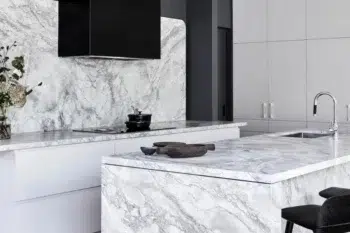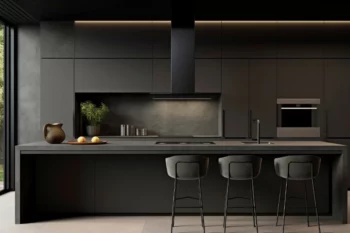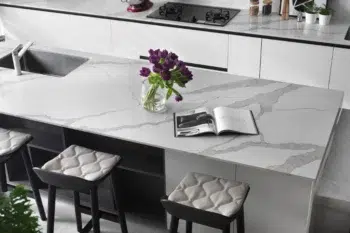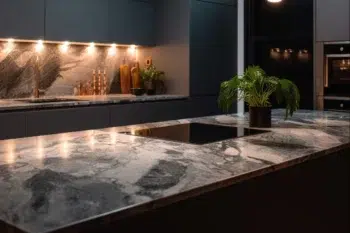
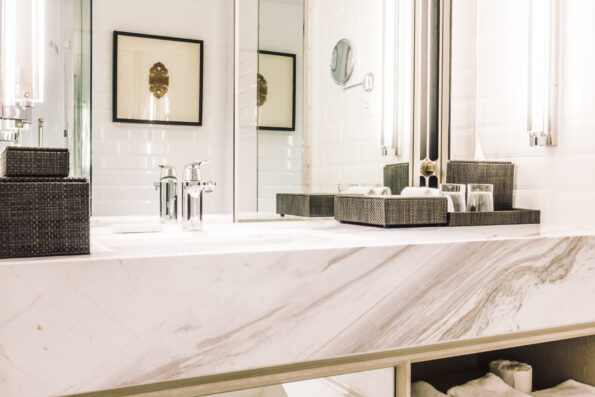
marble benchtops

Can Porcelain Handle the Heat? Debunking Common Myths

Can Porcelain Handle the Heat? Debunking Common Myths Porcelain can be used in contemporary kitchens, but it does present questions about heat when it comes to kitchen work. Some people are influenced by myths about porcelain, thinking that it is easily broken when exposed to great heat. The reality, however, is different. Its record of remarkable heat resistance and porcelain durability underlines its centuries of use in cookware and tiles, and it is now utilised as a heat-resistant countertop material. Although porcelain is stylish and sleek, it is not all about looks. It is also about power and functionality. Whether it is hot pans or everyday cooking issues, porcelain kitchen surfaces will last. Let us uncover the myths and learn the truth behind why porcelain has remained one of the most trustworthy options in kitchens currently. Find the Perfect Stone for Your Project Not sure which stone will suit your kitchen, bathroom, or outdoor space? Explore our curated selection of natural stone slabs and get expert advice on the best choice for your design. View our Range Testing Porcelain’s Resistance to High Temperatures Porcelain is now one of the most reliable options in contemporary kitchens due to its combination of beauty and strength. However, not all homeowners are sure of how much heat it can withstand. To dissipate the confusion and to address the usual porcelain myths, we will examine the real performance of porcelain heat. Heat Treatment on Porcelain Porcelain is nonporous to hot cooking pots, boiling kettles, or baking dishes. It is made of white clay refined and fired to high temperatures, making it a very strong porcelain. Porcelain does not warp or fade under higher temperatures, as is the case with the use of other materials. Lab and Field Tests Tests reveal that porcelain kitchen surfaces can withstand brazen temperatures much higher than most domestic use of cooking demands. In experimental tests, porcelain slabs were undamaged following direct exposure to red-hot cookware. At home, a hot pot may easily be placed directly on a porcelain countertop without damage. This shows its high heat resistance in porcelain, unlike weaker products such as laminate or wood. Comparing Porcelain with Other Materials When selecting the best surface to complete a kitchen, people will discuss choosing porcelain kitchen surfaces, granite, and quartz. All materials are individual, but having known how they differ in respect to porcelain heat resistance, durability, and practicality, one can be able to make the correct selection. Porcelain vs. Granite Granite is appealing and tough, but requires sealing to avoid stains and scratches. Granite is resistant to heat, but it is easily destroyed when exposed to temperature variations. Porcelain countertops do not react to hot pans and are resistant to any hot pan. Porcelain is non-porous, and it does not need much maintenance or stain easily. Porcelain vs. Quartz Quartz is a trendy material in contemporary kitchens, as it comes with a clean appearance and hardness. But quartz, as a thermo-resistant material, is not completely heat-resistant. It can be damaged by high temperatures over long periods, which causes its resin to become discoloured or crack. Porcelain, which is fired to extreme temperatures in manufacture, is stronger in porcelain strength and more resistant to direct heat than quartz. Why Porcelain Is the Best Both quartz and granite have their benefits, but with porcelain, it breaks the myth of porcelain being fragile. It is, in fact, unparalleled in terms of heat retention, scratch resistance, and ease of cleaning. It is also lightweight and simplifies the installation when compared to heavy granite slabs. Porcelain is a more practical and long-lasting option for those who want stylish yet heat-resistant countertops. How to Use Porcelain Safely in the Kitchen? Porcelain is known to be beautiful and durable, yet, similar to any surface, care will definitely be desirable. Although porcelain kitchen finishes have good heat-resistant countertops and porcelain durability in general, a few safety measures can make them stay as exquisite-looking as new. Deal with the Heat Intelligently Among porcelain’s advantages, it can be described as having an extraordinarily high heat resistance. Hot pans and pots can easily be placed on the surface, and you have nothing to fear about cracks. To preserve its shine and prevent any eventual wear, it is still prudent to use trivets or heat pads whenever possible. This strikes the balance between convenience and care. Avert Hard Impacts Although porcelain challenges numerous porcelain myths concerning its fragility, porcelain still chips at the sharp and heavy impact. Never drop heavy pans or cast-iron utensils on the corners of the countertops. Processes of simple caution preserve the surface firm and sound. Apply Correct Cleaning Techniques Porcelain is non-porous, and thus it does not stain easily and is also bacteria-resistant. Ordinary washing with warm water and mild soap will suffice in everyday cleaning. It should never be cleaned with an abrasive cleaner or steel wool, as this will dull the surface. This maintains its shine as well as the porcelain’s resistance capacity. Protect from Scratches Even though the porcelain can resist any scratches, it is still advisable to use cutting boards. Using your knives directly on the surface might not damage porcelain, but it will make your knives dull with time. Conclusion Porcelain has managed to pass the test of time not only in beauty but also in strength. It has extraordinary porcelain heat resistance, so it can endure the heat of an ordinary meal without being tamed.Unlike the widespread porcelain legends, it does not break or shatter when subjected to high temperatures. In reality, it is a prudent purchase when it comes to choosing a long-lasting beauty due to its porcelain strength. As heat-resistant countertops, or the practical porcelain kitchen surfaces, it gives you the added security that it is capable of withstanding hot pots and pans, etc. The reason why porcelain is an all-time favourite in houses that lay stress on both form and functionality is the ability of porcelain to blend utility with design. FAQs Does porcelain really

CONTINUE READING ➞
Quartzite is the Most Durable Natural Stone for Benchtops

Why Quartzite is the Most Durable Natural Stone for Benchtops

Why Quartzite is the Most Durable Natural Stone for Benchtops Quartzite belongs to the ranks of the strongest and most resilient natural stones in modern residences. Its super heat, scratch, and stain resistance have made it one of the most preferred benchtops both in kitchens and in the bathroom. Its ability to combine natural elegance with superb sturdiness qualifies it to be a highly desirable solution for homeowners.  At Avant Stone, we specialise in supplying premium quartzite slabs that combine durability with refined aesthetics, providing homeowners and designers with surfaces that perform beautifully over time. In this blog, we will discuss why quartzite is considered to be one of the most secure and durable benchtop materials on the current market. Find the Perfect Stone for Your Project Not sure which stone will suit your kitchen, bathroom, or outdoor space? Explore our curated selection of natural stone slabs and get expert advice on the best choice for your design. View our Range What is Quartzite? A Brief Introduction The Formation of Quartzite Quartzite is the result of sandstone being heated and pressurized to a degree that turns sandstone into a dense and crystal-like stone. This lends it an astonishing strength, so that it is much tougher than marble. It is a hard composition suitable for constant activity surfaces such as kitchen and bathroom benchtops, where durability and long-term resilience are fundamental. Visual Appeal of Quartzite Quartzite is very strong and at the same time elegant. Its veining and colourings may resemble marble more often than not, but the result is very luxurious with better functionality. It has been a source of exclusive design choices as each slab is different. Quartzite conveys a natural beauty in its subtlety or boldness and is hard-wearing enough to satisfy the demands of contemporary kitchen and bathroom benchtops. Why Quartzite Stands Out Unlike marble, where one needs to take care of the material at all times, and engineered stone, where every piece looks similar, quartzite is highly aesthetic and durable. Its reactive-free qualities, which include the ability to resist scratches, stains, and even withstand heat, create a unique polish that makes it one of the best performing materials. Quartzite is a fabulous choice as far as homeowners are concerned due to its beauty, durability, as well as its sustainability in the long run. Durability: How Quartzite Compares to Other Stones Like Marble and Granite Quartzite vs Marble Marble is the coveted-looking stone that is soft and porous, which makes scratches and stains very likely to happen. Quartzite is much more tough and tougher and has an equal aesthetic effect, plus higher reliability. This makes quartzite more useful in high-wear environments, like kitchens and bathrooms, which enables it to work to the best of its abilities over an extended period. Quartzite vs Granite Granite is commonly considered to be durable, but quartzite is harder and bears the test of time better than granite. Granted, some chips may be worn off granite with extensive use, but quartzite is extra hard due to its crystalline structure. This fact makes quartzite an incredible choice for homes with busy homeowners because of its durability that can withstand the daily traffic, and still provide a classy appearance. Long-Term Value of Quartzite Quartzite is a great investment in the long run because its maintenance costs are low, and they are durable. Soft rocks might need to be repaired or replaced after several decades, but quartzite can withstand damage without having to be repaired. With such strength, it minimises long-term expenses, but overall adds value to the property, making it an intelligent purchase for homeowners who seek the combination of both substance and style in their benchtops. Heat and Scratch Resistance: The Ideal Material for Busy Kitchens Withstanding High Temperatures The quartzite is naturally resistant to heat, which is why it is more convenient to use it in the kitchen. Hot cookware and pans can be placed on its surface without necessarily damaging them. This strength gives a homeowner freedom to cook without worrying about scorching the benchtop. This makes quartzite perfect in busy kitchens where functionality and toughness are just as vital. Resistant to Daily Scratches Quartzite resists common scratches like those caused by knives, pans, or hard use. It is tougher than the softer varieties of stone, can retain the polished surface under the roughest conditions in a kitchen. This has made it a feasible option for any family that requires benchtops that withstand heavy use and have a sleek and chic appearance that will not fade with the passage of time. Perfect for High-Traffic Homes Quartzite makes an excellent choice in homes that cook regularly or those that host gatherings frequently. It is resistant to wear and tear, and it can be exposed to heat, abrasion, as well as stains due to its ability to retain a good appearance. The blend of aesthetics, durability, and the fact that it is not too expensive makes the surface a fantastic choice in families where benchtops need to pass the test of time and still look attractive. Low Maintenance Benefits Minimal Sealing Requirements Quartzite needs to be sealed, but much less often than softer stones, such as marble. It has a grip that is resistant to liquids and stains after being sealed, and it may require fewer maintenance requirements down the road. This renders quartzite a suitable choice for homes that focus on utility. Their strength makes sure that benchtops last a long time and that they are maintained to the maximum appearance, with only the slightest maintenance involved. Easy Cleaning Routine Cleaning of quartzite is easy. The surface can simply be cleaned with a soft, gentle wash of water and soap. It is impermeable, making it less prone to stains as it would be subjected to leaks of different substances. This minimal low maintenance procedure makes quartzite a good choice to be considered an absolute beauty to homeowners who would love to have lasting magnificence without having to be preoccupied by the

CONTINUE READING ➞
marble benchtops

How to Maintain and Clean Marble Benchtops to Retain Their Shine

How to Maintain and Clean Marble Benchtops to Retain Their Shine? Marble benchtops have become another spectacular feature in most Australian houses and are adored for their exquisiteness, as well as their distinct veining. Although the beauty they bring is irrefutable, marble has to be taken proper care of to maintain its shine and avoid the wear-and-tear effect that it may have in the long run. At Avant Stone, we assist homeowners and safeguard their investment by providing them quality stone and useful care recommendations. This guide will tell you how to clean and take care of your marble benchtop and keep it polished and elegant over the years. Our Granite Slabs for Benchtops View All Our Granite Slabs for Benchtops Balerion Granite Titanium Granite Blue Moon Granite View All Find the Perfect Stone for Your Project Not sure which stone will suit your kitchen, bathroom, or outdoor space? Explore our curated selection of natural stone slabs and get expert advice on the best choice for your design. View our Range Understanding the Nature of Marble Why Marble Needs Special Attention? Marble requires some special treatment as it is a porous stone composed of calcium that is easily permeable to water and acidic materials. Citrus or other common household products, such as vinegar or wine, will etch or leave permanent dull areas. It has a soft surface as well that is vulnerable to scratches and stains, so it needs mild cleaning, frequent sealing, and constant maintenance in order to protect its natural beauty and light. The Role of Porosity in Maintenance The porosity influences the reaction of marble to moisture, oils, and spillages. Marble is porous and, as such, it can soak up liquids in a short time, which can result in stains or discolouration. Without suitable sealing, the materials can creep underneath the ground. The important thing is getting a better idea of its porosity to better select the proper cleaning methods and avoid causing permanent damage to the benchtop. Daily Cleaning Practices for Marble Benchtops Using the Right Cleaning Products It is important to use proper cleaning products to maintain surfaces that are made of marble. The best thing to use is a neutral stone cleaner, or warm water and a soft cloth. There should be no acidic cleaners, bleach, or ammonia-based sprays because they may all destroy the surface. Waxes and non-abrasive products that are soft assist in keeping the marble finish ready and do not lead to etchings and discolouration. How to Clean Without Causing Etching Stone marble can be cleaned with the help of a warm warm water or a pH-neutral, stone-safe cleaner using a soft microfibre cloth. Scrubbing pad, acidic solution, or strong chemicals should be avoided. Clean the surface by using a soft cloth or a tissue and drain the surface to avoid water marks. Regular gentle cleaning keeps the marble in its smooth and polished state. Managing Spills and Preventing Stains Responding to Spills Immediately Marble is a very porous material, so liquids are quickly absorbed, and the necessary action should take place instantly. Blot spills with a soft cloth; never wipe, because it disperses the liquid. Clean the surface with clean water and dry it. Quick action also avoids severe stains and is helpful to guard the natural finish of the benchtop against seemingly irreversible damage by acidic or coloured substances. Treating Stains the Right Way  In order to remove the stains, use a special poultice on natural stone. It extracts the deep-rooted stains, without damaging the surface. It is better not to use vinegar, lemon, or an abrasive cleaner. Never apply the solution to large areas, but apply it to a small portion and reapply it in case there is a need to reapply it again in order to regain the clean look of the marble. Sealing the Surface for Lasting Protection When to Seal and How Often The marble benchtops are to be sealed after every 6 to 12 months or based on the frequency of use. To test, a few drops of water can be placed on the marble- in case the drops are absorbed rapidly, then resealing is necessary. Frequent resealing can help avoid the stains, absorption of water, and etching due to daily use or spilling by mistake. How to Apply a Marble Sealer The process starts by cleaning and drying the surface. Spread the sealer in the marble with the help of a cloth or sponge, with which it’s advised to leave it soaking. Excess product should be removed after the prescribed interval. It is advisable to leave the benchtop to cure before usage to give maximum protection against both moisture and staining agents. Avoiding Habits That Damage Marble Common Mistakes to Avoid Acid-based cleaners, vinegar, and other products that contain lemons should also not be used since they have the possibility of etching the marble surface. Do not put hot pans on the benchtop or chop without using a board. Rough scrubbing pads and failure to seal routinely and spills left too long may also result in permanent damage to the surface. Protective Measures You Can Take Make use of chopping boards to prepare the food and put coasters beneath drinks in order to avoid stains. Hot pots and pans should always be put on trivets. Heavy appliances should have soft pads that prevent scratches. Regularly, the surface should be resealed and washed with a pH-neutral product in order to keep authentic shine on the marble and, in this way, to prolong its life. Polishing to Restore Surface Shine When Marble Starts to Look Dull A polished marble can become dull with use, or by the effect of acid etching, or slight surface abrasion. If your benchtop is cloudy or uneven, then this is an indication that the finish is wearing out. By treating the surface early using safe polishing products or professional rejuvenation, you can rectify the situation before the mark gets to a position where more damage or discolouration can take

CONTINUE READING ➞

Marble vs. Granite Benchtops: Which One’s Right for Your Home?

Marble vs. Granite Benchtops: Which One’s Right for Your Home? One of the most desired materials when it comes to selecting a surface in your kitchen or bathroom is natural stone. Marble and granite are among the most popular ones. Both have durability, style, and the ability to look charming and classic with any house, but both have their advantages and features. At Avant Stone, we realise that choosing the correct material and style of benchtop is not just about what it looks like, but what it performs like, how easy it is to maintain, and how you need it needs to work into your lifestyle. This guide will bring out the differences between marble and granite in an attempt to assist you in making an informed choice about your home. Our Granite Slabs for Benchtops View All Our Granite Slabs for Benchtops Balerion Granite Titanium Granite Blue Moon Granite View All Find the Perfect Stone for Your Project Not sure which stone will suit your kitchen, bathroom, or outdoor space? Explore our curated selection of natural stone slabs and get expert advice on the best choice for your design. View our Range Understanding the Composition of Marble and Granite What is Marble? Marble is a metamorphic type of rock composed of limestone, which was subjected to great pressure and heat over time. This is what gives it its characteristic veining and overall soft flowing aspect. Every slab is one of a kind, with all natural patterns the natural patterns are frequently artistically inclined. Marble is usually synonymous with luxury and is commonly used in architecture and sculpture, as well as in many centuries. It is softer in composition, which makes it have a smooth yet cool feel; hence, it is a highly preferred surface in most of the luxurious interiors. Appearance and Aesthetic Appeal The Timeless Beauty of Marble Marble provides a more sophisticated and elegant-looking feature. It has soft veining that gives it a classical appearance to suit both traditional and modern designs. Those consumers who tend to use a lighter color scheme will be more attracted to white or cream colored marble as it has a clean and airy feel. It complements perfectly with timber, brass, and soft furnishings to bring in a harmonious and comfortable place. The Striking Look of Granite Granite is known to have striking colours and appearance. It is the right choice for homeowners wishing to bring additional visual intrigue or contrast to a given area. The darker shades of granite, like black or deep green, will give a dramatic accent, whereas lighter patterns will add a classy undertone. The naturally diverse grains give depth to kitchens and bathrooms, and give them a perfect mix with modern interior designs. Durability and Strength How Marble Performs Under Pressure Marble is more likely to be scratched and even etched by corrosive liquids such as lemon juice, vinegar, or wine. This sensitivity implies there must be additional caution in places prone to a lot of movement, like kitchens. But in the due course of sealing and being maintained, the marble surfaces could be very beautiful even over the span of decades. It suits homeowners who admire natural ageing and are keen on the idea of regular care. Granite’s Resistance to Wear and Tear Granite is acclaimed to be among the toughest natural stones, and thus the least likely to scratch, chip, or be affected by high temperatures. It holds its ground in busy kitchens and active households where things get spilled, and are used a lot. When sealed properly, its dense composition assists in the prevention of stains and doesn’t etch like marble. For homeowners looking for a low-maintenance alternative that will stand up to scratches and stains, granite usually wins out. Maintenance Requirements Maintaining Marble Surfaces Marble requires more maintenance to keep it in perfect shape. It ought to be sealed regularly to guard against stains and etched surfaces. Cleaning should be done with neutral pH products and a soft microfibre cloth. Spills need to be wiped instantly to prevent damage. In the long run, marble can establish a common patina that many view as carrying charm as opposed to an imperfection. Easy Care with Granite Benchtops Granite is more convenient to maintain and clean. After sealing, it is resistant to the majority of household stains and does not need much attention. Cleaning can be done daily by just wiping with water or light soap. It can withstand high temperatures; therefore, the surface can be able to bear hot pots and pans without worry. Cost Considerations Is Marble More Expensive? The price of marble is usually higher than granite because marble has a luxurious look, and it takes more skill to perform work on marble. Some marble varieties, such as Calacatta or Statuario, are much rarer, and this makes the price go much higher. Its softer nature may also add an additional installation cost as it will need to be handled differently and with greater care and precision. Granite as a Cost-Effective Option Granite tends to be lower priced in general. Some of the exotic types might become more expensive, but most of the granite slabs are at very competitive prices compared to the premium marble. Its minimal maintenance requirement can also save a lot in the long run in terms of maintenance, thus it is a feasible investment for budget-conscious homeowners. Suitability for Different Spaces Best Use Cases for Marble Marble excels in areas where a softer, more elegant look is desired and where usage is more controlled. Marble is best installed in areas such as bathrooms, vanity tops, or kitchen islands that will not face much cooking on a daily basis. It also makes a favourite option for wall cladding and fireplace surrounds because of its artistic look. Where Granite Works Best Granite is highly desirable in functional areas that are prone to high traffic, e.g., kitchen benchtops, outside settings, and laundry rooms. It is particularly appropriate in homes with kids or

CONTINUE READING ➞

Pros and Cons of Marble Benchtops for Australian Kitchens

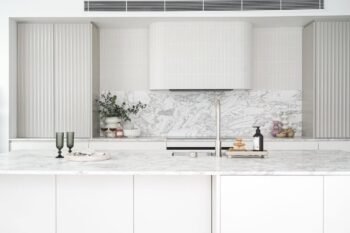
Pros and Cons of Marble Benchtops for Australian Kitchens Australian kitchens adore marble benchtops because of their aesthetic appearance and the beauty of nature. Marble is particularly popular among homeowners because many of them prefer marble to introduce an upscale, contrived look into their kitchen areas. Although marble is glorious, it is worth considering its strengths and weaknesses in the light of real life in a kitchen. In this article, we examine the key advantages and disadvantages of marble benchtops, in particular within the framework of Australian houses, weather, and lifestyles. Our Granite Slabs for Benchtops View All Our Granite Slabs for Benchtops Balerion Granite Titanium Granite Blue Moon Granite View All Find the Perfect Stone for Your Project Not sure which stone will suit your kitchen, bathroom, or outdoor space? Explore our curated selection of natural stone slabs and get expert advice on the best choice for your design. View our Range The Pros of Marble Benchtops Timeless and Unique Appearance The natural beauty of marble is among the best-known benefits of using marble. No two slabs are alike; each has its own vein formations and shades. This peculiarity results in a unique appearance in any kitchen. Regardless of whether it is applied in a modern or classical environment, marble is an eternal glory that does not get old. Marble can easily work with the lighter coastal colour schemes and the darker city schemes, and is consequently a favourite with Australian homeowners. Heat Resistance for Everyday Cooking Marble is naturally heat-resistant; it is an enduring surface in kitchen units where cooking is done more intensively. Marble bench tops cannot get burnt or blistered like some of the synthetic materials when a hot pot or tray is placed on them. This aspect renders the marble useful in houses with frequent use of ovens, cooktops, or grills, particularly when preparing some meals as a family or when having guests around. Cooling Properties in Warm Climates There is a variety of climate in Australia, but in most areas the weather is warmer. Marble is naturally cool to touch, and this alone is something that can be valued in summer. Marble surfaces are also ideal for anyone who loves baking, as they allow working with pastry or dough because they remain at a lower temperature. Adds Value to Your Home The marble has been regarded as a luxurious material. Having marble benchtops in your kitchen can enhance the perceived value of your property. Natural stone may create a point of difference, which attracts buyers and enables a higher listing price in competitive property markets such as the Sydney or Melbourne markets. Suits a Range of Design Styles Marble complements many types of materials like timber, brass, stainless steel, and matte finishes. This enables it to be flexible when it comes to design options. Marble can be used to create new homes or renovations and is cross-functional on every form of kitchen design, including coastal Hamptons kitchen designs, industrial and minimalist designs, making it a future-proof option. The Cons of Marble Benchtops Prone to Staining and Etching Marble is a porous natural stone, and there is, hence, a possibility of absorbing liquids in the absence of proper sealing. Etching may occur when acidic material, including lemon juice, vinegar, wine, or coffee, spills on the surface, leaving a marked or dulled surface. In active Australian kitchens where there is a lot of cooking activity, this can be an issue, unless the spills are wiped off immediately. Even marble surfaces in their sealed form should be taken care of to prevent stains. Requires Regular Maintenance Other surfaces are easier to maintain when compared to marble. Marble benchtops should be sealed every year or more often, according to the amount of usage, to protect the benchtops against stains and moisture. The cleaning needs to be performed daily using a pH-neutral stone cleaner because harsh chemicals or rough products can wear the finish. This amount of care might be inappropriate for homeowners who want a benchtop with low maintenance. Softer and More Prone to Scratches Marble is delicate compared with granite or engineered quartz. It also scratches more if the knives or sharp objects is in direct contact to the surface. Also, dragging heavy cookware back and forth on the benchtop will result in wear over time. Minor scratches can occasionally be polished away, but the material works best for those who look after their kitchen surfaces a bit more delicately. Higher Upfront Cost One of the costly benchtop materials availed is marble. The price is often determined by the type of marble, the place of origin of the stone, as well as the intricacy of the installation. As an instance, luxury versions like Calacatta or Statuario may considerably raise the total expenditure of your kitchen remodeling. Marble can be an asset in terms of long-term value, but the up-front cost does not fit into all remodeling budgets. Not Ideal for All Households Marble might prove to be more difficult to clean in a household with young children, extended families, or those with a lot of cooking activities. In case spills, knocks, and heavy use are part of your daily routine in the kitchen, a surface that is more durable and that requires less maintenance, such as granite or engineered stone, would serve you better. Conclusion Marble benchtops could not be matched as far as visual appeal is concerned. They are elegant, prominently featured, and have a natural-looking finish that fits well in most designs of Australian kitchens. Marble can be a very satisfying investment that will treat your kitchen to an aesthetic upgrade year after year, provided that you are happy to maintain it regularly, like to work with natural materials, and have a good aesthetic sense in general. At Avant Stone, we have the largest variety of marble slabs that can fit in your kitchen in Australia. Our team can walk you through the advantages and disadvantages depending on what best suits your lifestyle, so

CONTINUE READING ➞

Common Mistakes When Choosing Marble Benchtops

Common Mistakes When Choosing Marble Benchtops Marble benchtops can provide a real boost to the appearance and the atmosphere of your bathroom or kitchen. We have witnessed firsthand at Avant Stone how using the right marble can transform a space, but we have also seen why homeowners can end up making expensive mistakes when making the decision. Natural stone like marble is timeless and appeals to its users due to its beauty and elegance; however, it has its challenges. They include some of the common mistakes, such as not selecting the right finish or not considering the aspect of maintenance, to name but a few. To have a long-lasting and satisfactory effect on your investment, it is very crucial to know what not to do. Below, we’ve outlined some of the most common mistakes homeowners make when choosing marble benchtops—and how to avoid them. Our Granite Slabs for Benchtops View All Our Granite Slabs for Benchtops Balerion Granite Titanium Granite Blue Moon Granite View All Find the Perfect Stone for Your Project Not sure which stone will suit your kitchen, bathroom, or outdoor space? Explore our curated selection of natural stone slabs and get expert advice on the best choice for your design. View our Range Overlooking the Porous Nature of Marble Marble can be seen as a solid, hard-wearing stone however, it is naturally porous. This implies that it absorbs fluids and gets quickly stained if it is not sealed effectively. Among the most common ones, there is the belief that marble would behave similarly to other more forgiving materials, such as engineered stone or granite. Unless sealed and well taken care of on a frequent basis, daily stains that are caused by wine, oils, or spillage of acidic foods are likely to spot the table permanently. This becomes especially problematic in kitchens, where benchtops are used frequently. Focusing Only on Visual Appeal Can Backfire One can easily be charmed by the appearance of marble. Be it the veining of Carrara or more dramatic Nero Marquina, style seems to be the main consideration of homeowners who might seem to sacrifice the utility and durability in favour of design. Yet, the various types of marble have a wide range of hardness, stain resistance, and ease of cleaning. Choosing marble solely on its looks without taking into consideration how it is going to sustain in your particular setting may bring disappointments and expensive replacements later on. Ignoring the Impact of Finish Types A marble benchtop finish has a massive impact on the way it will work on a day-to-day basis. The polished marble has a shiny, reflective surface and is more prone to displaying etches, scratches, and fingerprints. Honed marble comes with a matt finish, which covers slight imperfections, but may appear less vibrant and still needs sealing. When you select the wrong finish for your lifestyle or usage, it can end up with more maintenance than desired and a final appearance that does not live up to the original vision. Underestimating Long-Term Maintenance The other mistake is thinking that marble is low-maintenance. As a matter of fact, it needs to be worked on frequently in order to maintain its appearance. When the sealing is omitted or the wrong cleaning materials are used, or when spills are not wiped up in time, etching, staining, and degradation may occur. It is less known to many that cleaners that are acidic or even natural-based ingredients, such as lemon juice, could cause damage to the surface. Correct handling and care must be regarded as an element of the ownership and not an add-on. Not Considering the Stone’s Origin and Quality Marble can be found in different quarries all over the world, and the origin of the place influences the aesthetic aspect and capabilities of the marble. The imported marbles can even possess a greater number of natural cracks, greater porosity, or they can be uneven in colour. Using a cheaper grade of slab to cut down the cost might end up losing durability or increasing flaws. It is crucial to work with a reliable supplier who will be able to give information on whether the marble is of clean origin and whether it is certified as per the quality standards. Failing to View the Full Slab Before Purchase Marble is a natural product, and each piece is different in veining and color. So when a benchtop is selected on a small portion in the showroom, it does not reflect on the final product that will be installed. The veins, the colour, and the tone can be dissimilar across the slab in different sections. Unless you look at the slab in its entirety, before fabrication, there is a high probability that the finished surface will not look much like what you envisioned. Ignoring the Effect of Lighting on Appearance Lighting is a very crucial aspect in the way the marble can be seen once fitted. A tile that seems to have a bright and elegant look in the showroom lights may seem dull or shaded in an ill-lit kitchen. Veining can be emphasized or toned down with natural and artificial lighting and also make the stone seem to be a different colour. This lack of consideration of the lighting in your area will cause a disproportion between what you imagined during the setting and the one you finally received. Not Consulting an Experienced Stone Supplier The selection of marble is a huge investment, and using images or simple guidance on the internet usually encourages the customer to make the wrong choice. An expert in the supply of stone will take you through the types available, pros and cons of the various marbles, and how to evaluate what suits your home. They can be very helpful concerning their durability, finish, and maintenance, as well as installation considerations, and can make a big change to the result. Selecting the Wrong Thickness for Your Design The most common thicknesses of a marble benchtop are 20mm or 40mm. The

CONTINUE READING ➞
Black White Granite Countertops

How to Use Black and White Granite Countertops

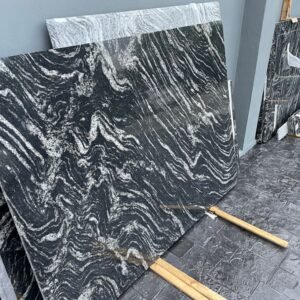
How to Use Black and White Granite Countertops Granite is one of the oldest and most elegant materials when it comes to designing kitchen interiors and bathrooms. It is long-lasting, gorgeous in its natural state, and highly versatile; thus, it is a preferred choice for homeowners and designers alike. Among the many options of granite, black and white granite slabs stand out with their dramatic contrast and stunning beauty. Whether you opt for a modern, rustic, or transitional design, you can elevate your interiors by using black granite with white veins or patterns. This guide provides insights on how to effectively use black and white granite countertops in your home. Whether you need tips on matching colour pairs, styling and maintaining them, or exploring the most popular combinations, you’ll learn how to make this striking stone come alive in your space. Our Granite Slabs for Benchtops View All Our Granite Slabs for Benchtops Balerion Granite Balerion Granite Titanium Granite Titanium Granite Blue Moon Granite Blue Moon Granite View All Find the Perfect Stone for Your Project Not sure which stone will suit your kitchen, bathroom, or outdoor space? Explore our curated selection of natural stone slabs and get expert advice on the best choice for your design. View our Range Why Use Black and White Granite Slabs? What makes black and white granite slabs so beautiful is the striking contrast. The combination of these colours creates an impressive visual aesthetic that works well across various design styles, from minimalist modern kitchens to traditional spaces. Granite itself is heat-resistant, scratch-resistant, and durable. This makes it not only aesthetically pleasing but also functional. You can choose black granite with white veins or white granite with black spots, and the resulting elegance is unmatched. Popular Styles of Black and White Granite The patterns and finishes of black and white granite slabs are diverse, offering a variety of styles to suit every homeowner’s needs, whether they prefer a sleek, modern look, a rustic feel, or something traditional. Here are some of the most popular styles: Absolute Black Granite Absolute Black is a rich, dark black granite with minimal to no veins. It is often paired with white cabinets to create a high-contrast, modern style. With its smooth, uniform surface, it fits well in elegant, minimalist spaces and modern kitchens. Black Galaxy Granite This granite features a black base with small white and gold specks scattered across its surface, resembling a starry sky. It brings a touch of glamour and pairs well with metals such as gold or chrome. White Galaxy Granite The reverse of Black Galaxy granite, White Galaxy features a creamy white base with small black and grey speckles. It is ideal for softening strong interiors while maintaining a monochrome palette. Alaska White Granite Alaska White granite blends cool whites with icy silvers and black mineral deposits. It is popular in kitchens and bathrooms for its high-contrast appearance and pairs well with black or dark wood cabinets. Salt and Pepper Granite Salt and Pepper granite gets its name from the even distribution of black and white speckles. It is a great choice for transitional concepts and fits well in both large and small spaces due to its mid-tone colour. Black Marinace Granite Known for its dramatic appearance, Black Marinace granite showcases natural grains in white, grey, and black. This bold choice can be used as a focal point, either on a kitchen island or as an accent wall. Colonial White Granite Colonial White granite has a pure white base with dark black mineral deposits. It is a timeless option that works well in traditional kitchens and complements both black and wood-coloured cabinets. Using Black and White Granite in the Kitchen Black and white granite countertops are an exquisite addition to any kitchen, providing both functionality and beauty. Depending on your preferred style, you can use this combination to create a subtle, neutral backdrop or a dramatic focal point. Pairing with Cabinetry: One of the most classic and popular kitchen designs is the combination of black granite and white cabinets. This bold contrast creates a clean, striking appearance that works well in modern and transitional spaces. For a softer, more inviting atmosphere, try white granite with black veins paired with matte black cabinets. Creating a Statement Island: A kitchen island made from black and white granite can become an instant centrepiece. Opt for dramatic veining or large patterns to add visual impact. Waterfall edges, where the granite extends down the sides, can enhance the luxurious feel and highlight the beauty of the stone. Coordinating the Backsplash: Pairing a white or light grey backsplash with black granite that has white veins or specks helps balance the contrast. If your granite is less aggressive, you can choose a more striking backsplash to make a statement. However, be mindful not to overwhelm the room with too many patterns. Blending with Fixtures and Metals: Black and white granite slabs are versatile when it comes to pairing with various metal finishes. Opt for stainless steel for a modern look, brushed gold for warmth, or matte black for a unified, bold appearance. The type of hardware and lighting you choose can dramatically influence the overall mood of the space. Balancing with Floor Covering: To soften the stark contrast of black and white granite, consider incorporating wood or wood-look floors. Warm-toned flooring, such as oak or walnut, will absorb some of the contrast and create a more welcoming atmosphere in the kitchen. Maintenance Tips for Black and White Granite Whether you’ve installed black granite with white veins in the kitchen or a speckled black-and-white granite in the bathroom, here are some important tips to maintain its beauty: Sealing the Surface Granite is a porous stone and can absorb liquids and stains if not sealed properly. Black and white granite should be sealed once or twice a year, depending on usage. Sealing helps repel water, oils, and acids, preserving the stone’s finish and colour. Using Granite-Safe Cleaners Avoid harsh chemicals or

CONTINUE READING ➞
Benchtop Colours

8 Benchtop Colours for Black Cabinets

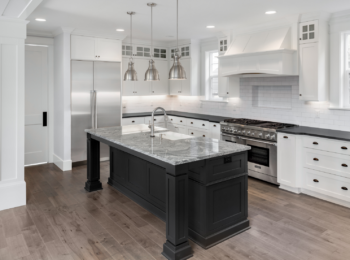
8 Benchtop Colours to Match Black Cabinets The technique of creating a fashionable kitchen begins with the right use of cabinets and benchtops. The trendiest thing about black cabinets is that they are daring and modern, as well as having a classic look. However, to make them stand out, pairing them with the right kitchen benchtop is necessary. Be it contrast, texture, or a smooth finish, your black stone kitchen benchtop or contrasting tones choice can make or break the entire scheme. Whether it is sleek black stone benchtops or warm tones of timber or light quartz, there is a benchtop to suit every kitchen design. This guide will reveal eight beautiful black benchtops and contrasting finishes that will add class to any black benchtop kitchen, whether a dark stone benchtop or matte black stone benchtop. Our Stone Slabs Range Silver Patagonia Quartzite Sierra Wave Granite Patagonia Retro Granite Iceborne Quartzite View All Find the Perfect Stone for Your Project Not sure which stone will suit your kitchen, bathroom, or outdoor space? Explore our curated selection of natural stone slabs and get expert advice on the best choice for your design. View our Range White Quartz Benchtops Together with black cabinets, white quartz benchtops produce a classic combination that is classy and crisp. White quartz is light-reflective, making it suitable when one needs more lighting in a small area, such as in a black benchtop kitchen. The high-end look is achieved as the depth of the black stone benchtops is contrasted with the crispness of the surface. This appearance is easy to combine with any splashback, and it suits contemporary and traditional kitchen designs, so it is one of the most universal options for a kitchen benchtop to use with black cabinets. Marble-Inspired Benchtops When deciding on adding some elegance, marble-look benchtops come in handy, as the black stone kitchen benchtops are a perfect match. The rich veining and natural fluidity of marble designs bring a luxurious note to your kitchen. Benchtops are made from white and grey marble, which makes them very beautiful when set against dark cabinets, drawing texture and drama into the composition. This suits especially well in a designer interior that promotes the use of gold or brass decoration. Marble-inspired surfaces can be a big winner and are a little glam choice, so they are great when designing a black benchtop kitchen and can provide maximum sophistication and a style statement. Concrete Benchtops Concrete benchtops complement matte black stone benchtops well to achieve a modern industrial feel. Their sharp textural surface offsets the smoothness of black cabinets and brings in a neutral, urban tone. They can be bought in light or mid-grey shades and would be best suited to minimalist or loft-style kitchens. Concrete adds character to the benchtop, softening the dramatic effect of a dark stone benchtop. This pairing is long-lasting, fireproof, and fits well for people who value more subtle and modern kitchen design that does not go out of style in a short period of time. Timber-Style Benchtops Wood-like or timber benchtops bring in warmth and are in sublime contrast with the boldness of the black benchtops. The use of oak, walnut, or spotted gum also provides a feeling of substance and softening, so this combination is perfect in Scandinavian, seaside, or farmhouse-style kitchens. Timber surfaces make a welcoming, layered space when paired with a black stone kitchen benchtop. They create a great contrast and at the same time feel homely and welcoming, which fits those who prefer their kitchen to be both current and cosy. Dark Stone Benchtops Go all the way with a black benchtop of dark stone paired with black cabinets. This bold monotone style suits well in an expressive kitchen with a touch of luxury. Other neutrals, such as charcoal, graphite, or even navy, add character and texture but still look sleek. The refinement and atmosphere are provided by a black stone benchtop and under-cabinet lighting or brass objects. Soft Beige or Cream If white seems too extreme, soft beige or cream benchtops are the ideal contrasting accompaniments to black stone kitchen benchtops. These neutral-toned shades warm up the kitchen and add light, but they do not contrast sharply with dark cabinetry. The effect is a light, gentle look that is best suited to either a traditional or a transitional kitchen. The beige-coloured benchtop for a kitchen that features black cabinets is both elegant and quite versatile and seamlessly complements old-style, brass, or matte black fittings, which is why it will never become outdated and can take any interior to the next level. Green or Emerald Tones Green or emerald benchtops create a special effect that draws on nature, which can be achieved in any kitchen. Combined with black benchtops, these strong tones are very serene and luxurious. Green in stone surfaces or powerful emerald walls add a touch of colour but do not detract from the design. The green hues can also provide a new and refreshing look to the conventional neutrals of a kitchen benchtop made from black stone for homeowners who seek to add some contemporary yet organic feel to their kitchen. Black-on-Black Sleek and Sophisticated The ultimate modern elegance is achieved with a matte black stone benchtop and black cabinets. It is luxurious and bold, with black-on-black paired with either an assortment of textures, such as brushed metals or wood. Though it might seem overwhelming, you can introduce some balance: install LED lights, glass shelves, or a shiny splashback. This is a perfect design option for people who want an all-black monochromatic kitchen and prefer a high-impact and smooth kitchen benchtop for the most seamless black kitchen design that looks sleek and minimal with striking effects. Pro Tips for Matching Benchtops with Black Cabinets A Case in Point is the Finish Your benchtop finish is an important component of the general feel of the kitchen. Benchtops made of glossy material allow the reflection of light and can brighten the room, making them suitable in

CONTINUE READING ➞
Kitchen Benchtops and Splashbacks

How to Pair Kitchen Benchtops and Splashbacks: A Complete Guide

How to Pair Kitchen Benchtops and Splashbacks: A Complete Guide Two of the most crucial surfaces to consider when planning your kitchen are the splashback and the benchtop. These components improve the space’s appearance and greatly affect its maintenance and functionality. Effective pairing of kitchen benchtops and splashbacks can help produce a harmonious, fashionable and useful kitchen space. In this article, we will discuss how to match these surfaces to achieve the ideal look for your kitchen. Our Stone Slabs Range for Countertops Silver Patagonia Quartzite Sierra Wave Granite Patagonia Retro Granite Iceborne Quartzite View All Find the Perfect Stone for Your Project Not sure which stone will suit your kitchen, bathroom, or outdoor space? Explore our curated selection of natural stone slabs and get expert advice on the best choice for your design. View our Range Understanding the Role of Kitchen Benchtops and Splashbacks What Is the Purpose of a Kitchen Benchtop? A kitchen benchtop, or countertop, serves as the primary workspace in the kitchen. You store kitchen appliances, prepare food and complete various cooking tasks there. A benchtop must be scratch- and stain-resistant, easy to clean and strong enough to withstand daily use. It also adds to the general aesthetics of the kitchen—natural stone, engineered stone and timber each offer different functionality and appearance depending on your kitchen’s style. The Importance of a Kitchen Splashback A kitchen splashback critically protects the walls behind cooking areas from grease, water and food splashes. It makes cleaning simpler, preserving a neat and hygienic kitchen. Apart from its practical use, a splashback can improve the appearance of the kitchen by acting as a focal point or a complementary element of the overall design. Any kitchen should feature a well-selected splashback made from materials like glass, tiles and stone to provide style, durability and easy maintenance. Choosing the Right Benchtop & Splashback Material When selecting materials for your kitchen benchtop and splashback, choose options that complement each other in style, use and upkeep. A cohesive combination ensures both seamless functionality and a unified decorative look. Benchtop Material Options Natural stone (granite or marble): Adds elegance and longevity but may require sealing every 12–18 months to guard against staining. Engineered stone (quartz): Provides a non-porous, low-maintenance choice of designs, patterns and colours to complement different kitchen styles. Timber: Brings a warm, rustic feel ideal for country-style kitchens but needs regular oiling or sealing to avoid water damage. Concrete: Suits contemporary, industrial kitchens and can be customised with various finishes, creating both functionality and aesthetic appeal. Splashback Material Options When choosing a splashback, it should protect your walls while enhancing your benchtop’s look: Glass splashbacks: Slim, easy to clean and match most benchtop styles. Tile splashbacks: Available in a vast range of colours, patterns and finishes—ideal for traditional and modern kitchens alike. Marble or stone splashbacks: Offer a seamless, sophisticated appearance when used alongside natural stone benchtops; premium grades ensure durability and simple cleaning. Stainless steel splashbacks: Highly durable and heat-resistant, perfect for busy, industrial-style kitchens and complementary to concrete or timber benchtops. Using materials that match in colour and texture creates a functional yet visually unified kitchen design. Matching Your Benchtop and Splashback Harmonising Colours and Textures When matching your benchtop and splashback, consider texture and colour carefully. Select complementary materials for a harmonious appearance. If your countertop is dramatic dark granite, for example, a lighter-coloured splashback—such as white or light-grey tiles—will create a fashionable and balanced contrast. Conversely, a neutral benchtop combined with a vivid or patterned splashback can add visual interest. Minimalist and Subtle Designs Choose the same tone or texture of materials for a simple appearance. For example, a completely white kitchen featuring a white marble benchtop and pale, light-coloured glass splashback creates a clean, airy feel. Monochrome design ensures the kitchen remains uncluttered and fresh. Using Patterns and Colours for a Bold Look If you’d like something more dramatic, consider coordinating colours and patterns. For instance, an elaborate, rich, dark granite benchtop blends well with a patterned tile splashback, adding colour and dimension. If your benchtop is plain, you can experiment with bright or patterned splashbacks to give the kitchen character and texture. The Balance Between Function and Aesthetics Although appearance is important, when matching kitchen benchtops and splashbacks you should also consider functionality. Both materials must resist the demands of a busy kitchen and be simple to maintain. Glass splashbacks should clean easily without leaving streaks, and stone benchtops may need sealing to prevent stains. How to Care for Your Benchtops and Splashbacks Cleaning Your Kitchen Benchtop Regular cleaning of your kitchen benchtop will help keep it looking immaculate. Use a non-abrasive cleaner and avoid strong chemicals that could harm the surface of natural stone benches. For engineered stone, simply wipe the surface with a soft cloth and mild detergent. To protect the wood from stains and moisture, timber benchtops need oiling or sealing. Maintaining Your Splashback To prevent dirt and grease from accumulating, splashbacks need regular cleaning. A mild glass cleaner works best on glass splashbacks. A tile cleaner or a water-and-vinegar mixture will help clean tile splashbacks. Stone splashbacks can be cleaned with a gentle stone cleaner; stainless steel splashbacks should be wiped down with a soft cloth to prevent scratching. Conclusion The symbiotic integration of kitchen benchtops with splashbacks requires thoughtful choices in style, material and functionality. No matter which type of benchtop you choose—a rustic timber, modern engineered stone or classic natural stone—you must pair it with a matching splashback that complements it and the overall kitchen style. When you get the combination right, you’ll have a beautiful, functional and easy-to-maintain kitchen. FAQs About Stone Kitchen Islands What is the best material for kitchen benchtops? Your personal taste and kitchen design will determine the finest material for kitchen benchtops. Natural stone, engineered stone and timber each have distinct advantages. Often, engineered stone is the most sensible choice for durability and ease of care. Can I match my kitchen benchtop with any splashback? Indeed, practically

CONTINUE READING ➞
Stone kitchen Island

How to Choose the Best Stone Kitchen Island for Your Home

How to Choose the Best Stone Kitchen Island for Your Home A stone kitchen island can dramatically transform the functionality and design of your kitchen by unifying all the elements. Choosing the right stone material for your kitchen island will greatly influence the overall look of your space and ensure it meets your needs, whether you’re renovating or building a new property. Factors such as budget, maintenance, style, and durability will all impact your decision. This article will guide you in selecting the perfect stone kitchen island for your home. Find the Perfect Stone for Your Project Not sure which stone will suit your kitchen, bathroom, or outdoor space? Explore our curated selection of natural stone slabs and get expert advice on the best choice for your design. View our Range Why Choose a Stone Kitchen Island? Homeowners looking to enhance their kitchens with a durable, luxurious, and timeless material will find great value in stone kitchen islands. These islands are a popular choice for many reasons, including: Aesthetic Appeal Natural stone’s charm can elevate any kitchen design. Whether you choose the subtle warmth of limestone, the sleek sophistication of granite, or the timeless elegance of marble, a stone kitchen island adds a touch of form and finesse to your space. Durability and Longevity Stone can last for many years, even with heavy use. A practical kitchen island made from stone is the ideal material as it is heat, stain, and scratch-resistant. Typically outlasting other materials used in kitchens, a stone kitchen island can endure for decades with the proper care. Low Maintenance While stone kitchen islands are low-maintenance, they may require some upkeep. Granite and quartzite, for example, are highly stain-resistant, and regular cleaning with mild soap and water will keep them looking brand new. Value for Your Home Installing a stone kitchen island can increase the value of your home. Premium materials, such as stone, are known to attract buyers, providing a strong return on investment when you sell. Types of Stone for Kitchen Islands Understanding the different types of stone available will help you select the best one for your kitchen island. Each stone has its own unique advantages. Below, we’ve outlined the most popular options: Marble Marble is renowned for its classic beauty and opulence. It comes in various colours, ranging from pure white to intricate veined patterns. While marble can be treated for additional protection, it is more prone to discolouration and chipping. Benefits: Elegant and sophisticated appearance Available in a variety of colours and patterns Unique veining that offers a one-of-a-kind look Drawbacks: Prone to scratches and stains if not maintained properly Requires regular sealing to protect against stains Granite Granite is one of the most durable stones available for kitchen counters and islands. It can withstand the demands of a busy kitchen, being scratch- and heat-resistant. Granite comes in a wide range of colours and patterns, offering versatility in design. Benefits: Extremely durable and long-lasting Resistant to heat, scratches, and stains Easy to maintain with regular sealing Drawbacks: Requires periodic sealing to prevent staining Can be heavy, requiring additional support in some installations Quartz Quartz is an engineered stone made from natural quartz crystals and resin. It is non-porous, making it highly resistant to stains and bacteria. Unlike natural stones such as marble or granite, quartz kitchen islands are available in a broader range of colours and patterns, offering a more consistent and predictable look. Benefits: Low-maintenance and non-porous Highly resistant to stains and bacteria Available in a wide range of colours and patterns Drawbacks: Not as heat-resistant as granite or quartzite Can be more expensive than other stone options Limestone Limestone is a popular choice for its soft, earthy tones and natural feel. It’s perfect for creating a cosy, natural atmosphere in the kitchen. However, because it is a softer stone, it can be damaged by acidic substances. Benefits: Earthy, natural aesthetic Soft, warm colours Works well with a variety of kitchen styles Drawbacks: Soft and prone to scratches and etching Needs to be sealed regularly to avoid staining Factors to Consider When Choosing the Best Stone for Your Kitchen Island Your needs, budget, and desired aesthetic should all be taken into account when selecting the ideal stone for your kitchen island. The following are key considerations: Budget Stone options vary in cost. Typically more expensive than quartz or limestone, marble and granite will impact the overall budget for your kitchen island. Higher-end stones may require more maintenance, which could affect long-term costs. Kitchen Style Consider your kitchen’s overall design before selecting a stone. A modern kitchen may suit quartz or granite with a sleek finish. Soapstone or limestone would complement a rustic or country-style kitchen. Marble is ideal for accentuating the traditional style of a classic kitchen. Durability and Maintenance Each stone has different maintenance requirements. While marble and limestone need more care to keep them looking pristine, granite and quartz are more durable and easier to maintain. Consider how much time you’re willing to invest in upkeep and whether you are comfortable with sealing and caring for certain types of stone. Colour and Pattern The colour and pattern of your stone will significantly influence the overall appearance of your kitchen. Consider the existing colours in your walls, floors, and cabinets. Quartz offers more consistency in colour and design, while granite and marble feature unique, varied patterns. Eco-Friendliness For those focused on sustainability, eco-friendly stones like recycled stones or quartz may be appealing. If sustainability is a priority, some suppliers offer environmentally friendly materials, ensuring that your choice aligns with your values. How to Care for Your Stone Kitchen Island The beauty and longevity of your stone kitchen island depend on proper maintenance. Follow these tips to keep your stone looking its best: Clean Regularly: Use a soft cloth and mild soap with warm water to clean your Stone Island. Avoid abrasive cleaners or harsh chemicals, as they may scratch the surface of the stone. Seal When Necessary: Stones like

CONTINUE READING ➞
Wishlist
Recently Viewed
Categories