How to Pair Kitchen Benchtops and Splashbacks: A Complete Guide
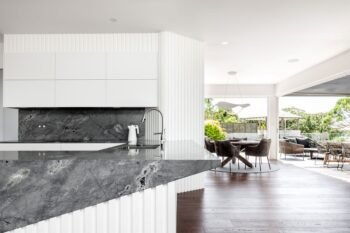
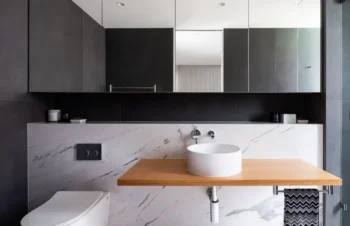
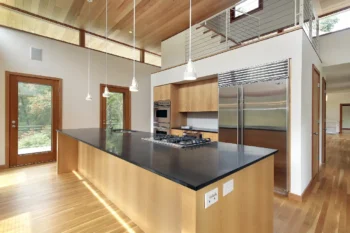
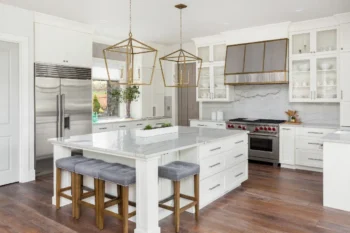
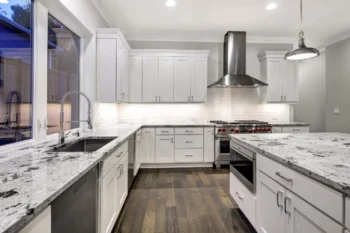
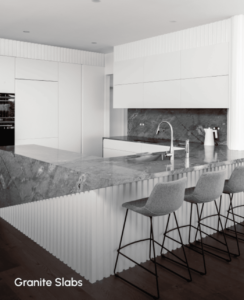
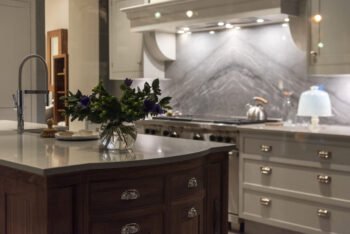
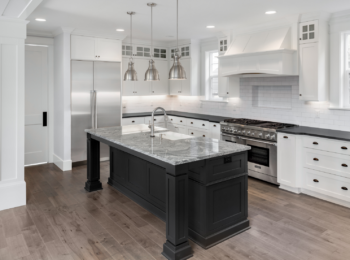
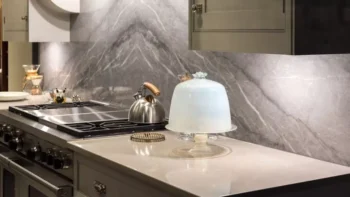
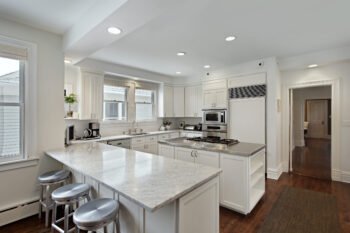
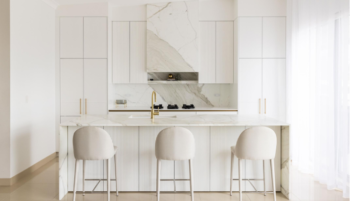
How to Pair Kitchen Benchtops and Splashbacks: A Complete Guide Two of the most crucial surfaces to consider when planning your kitchen are the splashback and the benchtop. These components improve the space’s appearance and greatly affect its maintenance and functionality. Effective pairing of kitchen benchtops and splashbacks can help produce a harmonious, fashionable and useful kitchen space. In this article, we will discuss how to match these surfaces to achieve the ideal look for your kitchen. Our Stone Slabs Range for Countertops Silver Patagonia Quartzite Sierra Wave Granite Patagonia Retro Granite Iceborne Quartzite View All Find the Perfect Stone for Your Project Not sure which stone will suit your kitchen, bathroom, or outdoor space? Explore our curated selection of natural stone slabs and get expert advice on the best choice for your design. View our Range Understanding the Role of Kitchen Benchtops and Splashbacks What Is the Purpose of a Kitchen Benchtop? A kitchen benchtop, or countertop, serves as the primary workspace in the kitchen. You store kitchen appliances, prepare food and complete various cooking tasks there. A benchtop must be scratch- and stain-resistant, easy to clean and strong enough to withstand daily use. It also adds to the general aesthetics of the kitchen—natural stone, engineered stone and timber each offer different functionality and appearance depending on your kitchen’s style. The Importance of a Kitchen Splashback A kitchen splashback critically protects the walls behind cooking areas from grease, water and food splashes. It makes cleaning simpler, preserving a neat and hygienic kitchen. Apart from its practical use, a splashback can improve the appearance of the kitchen by acting as a focal point or a complementary element of the overall design. Any kitchen should feature a well-selected splashback made from materials like glass, tiles and stone to provide style, durability and easy maintenance. Choosing the Right Benchtop & Splashback Material When selecting materials for your kitchen benchtop and splashback, choose options that complement each other in style, use and upkeep. A cohesive combination ensures both seamless functionality and a unified decorative look. Benchtop Material Options Natural stone (granite or marble): Adds elegance and longevity but may require sealing every 12–18 months to guard against staining. Engineered stone (quartz): Provides a non-porous, low-maintenance choice of designs, patterns and colours to complement different kitchen styles. Timber: Brings a warm, rustic feel ideal for country-style kitchens but needs regular oiling or sealing to avoid water damage. Concrete: Suits contemporary, industrial kitchens and can be customised with various finishes, creating both functionality and aesthetic appeal. Splashback Material Options When choosing a splashback, it should protect your walls while enhancing your benchtop’s look: Glass splashbacks: Slim, easy to clean and match most benchtop styles. Tile splashbacks: Available in a vast range of colours, patterns and finishes—ideal for traditional and modern kitchens alike. Marble or stone splashbacks: Offer a seamless, sophisticated appearance when used alongside natural stone benchtops; premium grades ensure durability and simple cleaning. Stainless steel splashbacks: Highly durable and heat-resistant, perfect for busy, industrial-style kitchens and complementary to concrete or timber benchtops. Using materials that match in colour and texture creates a functional yet visually unified kitchen design. Matching Your Benchtop and Splashback Harmonising Colours and Textures When matching your benchtop and splashback, consider texture and colour carefully. Select complementary materials for a harmonious appearance. If your countertop is dramatic dark granite, for example, a lighter-coloured splashback—such as white or light-grey tiles—will create a fashionable and balanced contrast. Conversely, a neutral benchtop combined with a vivid or patterned splashback can add visual interest. Minimalist and Subtle Designs Choose the same tone or texture of materials for a simple appearance. For example, a completely white kitchen featuring a white marble benchtop and pale, light-coloured glass splashback creates a clean, airy feel. Monochrome design ensures the kitchen remains uncluttered and fresh. Using Patterns and Colours for a Bold Look If you’d like something more dramatic, consider coordinating colours and patterns. For instance, an elaborate, rich, dark granite benchtop blends well with a patterned tile splashback, adding colour and dimension. If your benchtop is plain, you can experiment with bright or patterned splashbacks to give the kitchen character and texture. The Balance Between Function and Aesthetics Although appearance is important, when matching kitchen benchtops and splashbacks you should also consider functionality. Both materials must resist the demands of a busy kitchen and be simple to maintain. Glass splashbacks should clean easily without leaving streaks, and stone benchtops may need sealing to prevent stains. How to Care for Your Benchtops and Splashbacks Cleaning Your Kitchen Benchtop Regular cleaning of your kitchen benchtop will help keep it looking immaculate. Use a non-abrasive cleaner and avoid strong chemicals that could harm the surface of natural stone benches. For engineered stone, simply wipe the surface with a soft cloth and mild detergent. To protect the wood from stains and moisture, timber benchtops need oiling or sealing. Maintaining Your Splashback To prevent dirt and grease from accumulating, splashbacks need regular cleaning. A mild glass cleaner works best on glass splashbacks. A tile cleaner or a water-and-vinegar mixture will help clean tile splashbacks. Stone splashbacks can be cleaned with a gentle stone cleaner; stainless steel splashbacks should be wiped down with a soft cloth to prevent scratching. Conclusion The symbiotic integration of kitchen benchtops with splashbacks requires thoughtful choices in style, material and functionality. No matter which type of benchtop you choose—a rustic timber, modern engineered stone or classic natural stone—you must pair it with a matching splashback that complements it and the overall kitchen style. When you get the combination right, you’ll have a beautiful, functional and easy-to-maintain kitchen. FAQs About Stone Kitchen Islands What is the best material for kitchen benchtops? Your personal taste and kitchen design will determine the finest material for kitchen benchtops. Natural stone, engineered stone and timber each have distinct advantages. Often, engineered stone is the most sensible choice for durability and ease of care. Can I match my kitchen benchtop with any splashback? Indeed, practically