Why Choose Natural Stone for Your Fireplace

A fireplace is a cozy and inviting feature in any home, but choosing the right material for your fireplace can be a daunting task. There are many options available, such as brick, tile, metal, or wood, but one of the most durable and beautiful choices is natural stone. Natural stone is a versatile and elegant material that can enhance the look and feel of your fireplace. 5 Reasons Why Natural Stone is Best for Fireplace Here are five reasons why natural stone is best choice for fireplaces Different Types of Natural Stone for Fireplaces The charm of natural stone lies in its diversity. Each type of stone has its unique set of attributes, making it suitable for different styles and preferences. Let’s explore some popular types of natural stones used in fireplaces, each offering a distinct blend of aesthetics and functionality. Marble Fireplaces Known for its high-end look and classic appeal, marble is a quintessential choice for a sophisticated fireplace. Its ability to withstand heat makes it a practical choice, while its timeless beauty is adored by homeowners. The smooth, polished surface of marble not only enhances the elegance of living spaces but also provides a focal point that’s easy to maintain. Its availability in various hues and veining patterns allows for a personalized touch to every fireplace design. Granite Fireplaces known for its robustness, granite is a contender for those looking to mix aesthetics with durability. Its heat-resistant nature makes it a dependable material for fireplaces. Further, it boasts a low maintenance requirement, retaining its appearance for years without demanding much upkeep. The extensive palette of colours and textures it comes in allows homeowners to choose a style that aligns with their decor, making granite a versatile choice for modern to traditional homes. Travertine Fireplaces Embodying an earthly charm with colours that seem to be derived from nature itself, travertine offers a rustic appeal like no other. Its matte finish exudes a natural, understated elegance that can transform a room into a cozy, inviting space. The stone’s texture and warm tones are perfect for those looking to create an ambience that feels warm and inviting. Its durable nature also means it can withstand the demands of a fireplace while offering a slice of the outdoors, indoors. Quartzite Fireplaces This stone presents an intriguing blend of elegance and durability, making it a modern choice for fireplaces. Quartzite’s resilience against high temperatures keeps it in good stead while its sleek appearance elevates the contemporary aesthetics of the room. Its variety in colour and form can suit a range of tastes, and its modern sleek look provides a fresh, updated ambience that’s appealing to many homeowners. Dolomite Fireplaces Resembling marble but with an enhanced resistance to heat and scratches, dolomite is a beautiful yet practical choice for those keen on maintaining the pristine condition of their fireplace over time. Its aesthetic appeal does not compromise functionality, making it a desirable choice for those looking for a blend of both. The subtle elegance of dolomite, coupled with its practical advantages, makes it a worthy contender for creating a stunning yet durable fireplace. How to Maintain Your Natural Stone Fireplace A natural stone fireplace can add warmth, beauty, and value to your home. However, it also requires proper care and maintenance to keep it looking its best and functioning safely. Natural stone is a porous material that can absorb dirt, dust, soot, smoke, and moisture, which can cause stains, cracks, and damage over time. Therefore, it is important to follow some simple steps to protect and preserve your natural stone fireplace. Here are some tips on how to maintain your natural stone fireplace: Conclusion With a fireplace made from it, stone radiates elegance, durability, and natural beauty. It’s the best choice. Enhancing your home’s aesthetics is just one of many things you achieve by investing in a natural stone fireplace. You also create a space that’s warm and inviting for memories to be created. Choosing natural stone is like picking out a centerpiece that just looks good anywhere and it resonates with timeless charm and enduring qualities of nature. You won’t have to settle with just one type either as there are plenty of options that cater to different tastes and home decor themes. Years will go on and your fireplace won’t only provide warmth but it’ll also continue being a statement piece you can use to start conversations. FAQs (Frequently Asked Question) Is natural stone good for a fireplace? Yes, natural stone is a great choice due to its heat-resistant properties and ability to withstand extreme temperatures. Its durability and ability to maintain heat are perfect for any fireplace. Materials such as marble, granite, and quartzite are known for these qualities and are ideal for fireplaces​​. What stone is best for fireplaces? Its depends on your personal preferences. Consider the aesthetics you want for your living space. Some stones to think of are granite, marble, and limestone. They’re all pretty popular because of their conductivity in heat, durability and beautiful appearance. Granite is most often picked because it can handle intense heat while being versatile. Marble on the other hand looks high-end, and limestone gives off a rustic feel.

CONTINUE READING ➞

How To Care For Your Natural Stone Floor: Dos And Don’ts

How To Care For Your Natural Stone Floor: Dos And Don’ts Natural stone floors are timeless and add sophistication and character to any room. Whether it’s Marble, Granite, Limestone, or Travertine flooring, the beauty of genuine stone is unmatched. However, these elegant floors require proper maintenance. In this article, we will explore the different types of natural stone flooring, provide dos and don’ts for caring for them, and share professional tips to keep them in pristine condition. Types of Natural Stone Floors: Understanding Your Flooring To effectively maintain your natural stone floors, it is crucial to identify the specific type of stone you have. Each stone possesses unique characteristics and requires specific care. By accurately identifying the type of natural stone slab or flooring you possess, you can provide the proper care needed to maintain its longevity and preserve its inherent beauty. Dos: Best Practices for Cleaning and Maintaining Your Stone Floor To properly care for your natural stone floor, it’s crucial to not only consider what you do but also how you do it. Here’s a comprehensive guide to the best practices: By following these guidelines, you can ensure that your stone flooring retains its shine and durability for many years to come. It’s not just about keeping them clean; it’s also about preserving their authentic appearance and texture. Don’ts: Common Mistakes to Avoid To maintain the beauty and integrity of your natural stone flooring, it’s important to know what to do and what not to do. Here are some common mistakes to avoid: By avoiding these common mistakes, you can preserve the natural beauty and integrity of your Marble Flooring, Granite Flooring, Limestone Flooring, and Travertine Flooring. 4 Tips for Maintaining Your Natural Stone Floors Beautifully Maintaining natural stone floors doesn’t have to be daunting. Here are four tips to keep them looking their best: Conclusion Natural stone floors may make a statement in terms of style and are more than just a surface. From the luxury of Marble Flooring to the rustic charm of Travertine Flooring, each stone has its own history. Respect for the natural beauty they represent and the ambiance they provide to any space is shown by keeping these floors in good condition. Your expertise, regular care, and avoiding common mistakes will all contribute to the attractiveness of your natural stone flooring. If you adhere to these recommendations, your flooring will remain a magnificent tribute to your house. frequently asked questions (FAQ)

CONTINUE READING ➞

Natural Stone vs. Ceramic Tile: What’s Best for Your Floors?

If you’re looking for a durable, beautiful, and easy-to-maintain flooring option for your home, you might be wondering whether to choose natural stone or ceramic tile. Both materials have their pros and cons, and the best one for you depends on your personal taste, budget, lifestyle, and needs. In this article, we’ll compare natural stone and ceramic tile in terms of durability, maintenance, aesthetics, installation, and environmental impact. We’ll also give you some tips on how to choose the right material for your home style and floor plan. By the end of this article, you’ll have a better idea of which flooring option suits you best. Comparison of Durability, Maintenance, and Aesthetics Natural stone and ceramic tile are both hard-surface flooring options that are highly durable and water-resistant. They can last for many years in various environments and add value to your home. However, they also have some differences that you should consider before making a decision. Durability Generally speaking, natural stone is more durable than ceramic tile. The wear and tear of natural stone is part of the characteristics that give stone its appeal and charm. Natural stone can withstand high traffic, scratches, stains, and temperature changes. However, some types of natural stone are more prone to chipping or cracking than others. For example, granite is the hardest and densest stone material, while sandstone is extremely porous and needs more care. Ceramic tile comes in different hardness ratings, depending on how it’s manufactured. The higher the rating, the greater the durability. For ultimate durability, look for tile with a PEI rating of 3 or above. Lower PEI ratings are better for Splashbacks and applications that won’t endure foot traffic. Ceramic tile is also resistant to scratches, stains, and moisture. However, it can chip or crack if something heavy is dropped on it or if the subfloor is uneven. Maintenance Both natural stone and ceramic tile require regular cleaning to keep them looking like new. However, the way to do it varies between the two materials. Natural stone materials are porous and need to be sealed with a quality sealant or glaze to make them resistant to water and stains. The sealant will need to be reapplied periodically, depending on the type of natural stone you choose. For example, granite needs to be sealed once every 10 years, while marble needs to be sealed once every 3 months. When it comes to everyday maintenance, avoid acidic cleaners that could damage the stone. Use a mild detergent or a specially formulated stone cleaner instead. Ceramic tile that’s glazed doesn’t need any additional coating or sealant. It’s waterproof and stain-resistant by nature. However, you may want to seal the grout lines between the tiles to prevent them from getting dirty or moldy over time. Unglazed ceramic tile will need a sealant or top coat to protect it from staining as well as regular cleaning with a mild detergent. Aesthetics One of the main reasons why people choose natural stone or ceramic tile for their floors is because of their aesthetic appeal. Both materials offer a wide range of colors, textures, patterns, and styles to suit any home decor and design. However, they also have some distinctive features that make them stand out. Natural stone has a unique beauty and elegance that comes from its natural origin. No two pieces of natural stone are exactly alike, which gives your floor a rich and varied look. Natural stone can also create a warm and cozy atmosphere in your home, as well as a sense of luxury and sophistication. However, natural stone can also be more expensive and harder to find than ceramic tile, depending on the type and quality of the stone. Ceramic tile has the advantage of being more versatile and customizable than natural stone. Ceramic tile can be manufactured to mimic the look of other materials, such as wood, metal, glass, and even natural stone. This gives you more options to create the desired effect and style for your floor. Ceramic tile can also be more affordable and accessible than natural stone, depending on the quality and design of the tile. Things to Know Before Installing Natural Stone or Ceramic Tile Floors Before you decide to install natural stone or ceramic tile floors in your home, there are some factors that you need to consider. These include: The Lifespan of Natural Stone vs. Ceramic Tile Another important factor to consider when choosing between natural stone and ceramic tile is their lifespan. How long will your floor last and how will it age over time? Natural stone is known for its durability and longevity. It can last for decades or even centuries if properly installed and maintained. Natural stone can also improve with age, as it develops a patina and character that adds to its charm. However, natural stone can also be susceptible to wear and tear, especially in high-traffic areas or places exposed to moisture or chemicals. Natural stone can also fade or discolor over time, depending on the type and quality of the stone. Ceramic tile is also durable and long-lasting, but not as much as natural stone. It can last for 10 to 20 years or more if properly installed and maintained. Ceramic tile can also retain its color and shine for a long time, as it’s resistant to fading and staining. However, ceramic tile can also be prone to chipping or cracking, especially if the subfloor is uneven or if something heavy is dropped on it. Ceramic tile can also lose its appeal over time, as it becomes outdated or out of style. What Is the Best? Ceramic Tiles or Natural Stones? In conclusion, both natural stone and ceramic tile are excellent choices for flooring, each with its own set of advantages and disadvantages. Natural stone offers unmatched elegance and durability, but it requires more maintenance and is more expensive. Ceramic tile, on the other hand, is more affordable, easier to maintain, and offers a wide range of

CONTINUE READING ➞
Omega Black Stone - White Marble Slabs

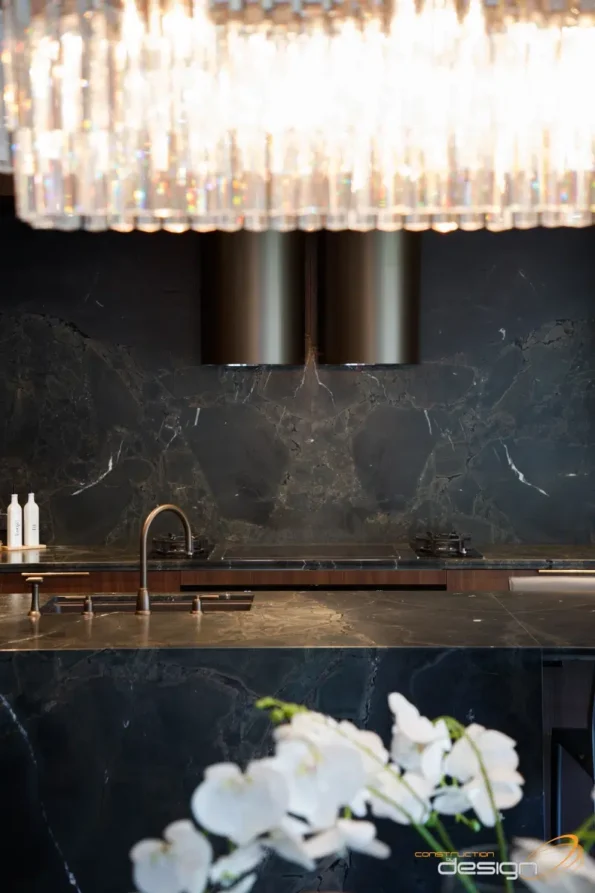
Transform Your Kitchen with the Elegance of Black Stone

There’s a certain allure to black stone that commands attention in any setting, but nowhere does it make a more striking statement than in a kitchen. The epitome of sophistication, the presence of black stone instantly elevates the aesthetics of a kitchen, infusing it with timeless elegance. Whether you’re a fan of the stone’s natural grandeur or are considering incorporating it into your kitchen, this article will guide you through the appeal, selection, and care of the black stone. Understanding the Appeal of Black Stone There’s something incredibly captivating about black stone. Its enigmatic presence, the depth of its shades, and the subtle interplay of light and shadow it allows are all part of its unique charm. A black stone countertop or flooring exudes an air of sophistication and timelessness, offering a compelling contrast to the warmth of a kitchen. Beyond its aesthetic appeal, black stone’s versatility is what sets it apart. It blends seamlessly with virtually any kitchen design, be it a contemporary chic, rustic charm, or modern minimalism. The stone’s muted elegance and the visual weight it carries help create a balanced composition in the kitchen, ensuring that it never looks out of place. And there’s no denying the popularity of black stone in today’s kitchen styles. Its use has been on an upward trend, with homeowners appreciating the statement it makes. Whether trying to create a bold, dramatic look or aiming for subtle elegance, black stone can be the perfect medium to express your design vision. Choosing the Right Type of Black Stone When it comes to kitchen design, not all black stones are created equal. Some popular choices include granite, marble, and quartz, each with its unique characteristics. Granite is known for its durability and heat resistance, making it a practical choice for countertops. Its rich, deep black tones and intricate patterns add a layer of complexity to your kitchen design. Marble, on the other hand, offers a more opulent aesthetic. Its subtle veins and patterns, contrasting with the black backdrop, create a mesmerizing visual. However, it’s worth noting that marble requires a bit more maintenance to keep it looking pristine. Quartz, a man-made stone, offers a balance between beauty and functionality. Its non-porous nature makes it resistant to stains, and its uniformity lends a more contemporary feel to the kitchen. Your choice should align with your lifestyle, design preferences, and maintenance comfort level. It’s crucial to consider factors like usage, durability, and upkeep while making your decision. Applications of Black Stone Benchtops/Countertops The kitchen countertop is one of the most functional aspects of a kitchen. A black stone countertop not only offers durability but also makes a bold statement. It serves as a stunning contrast to lighter cabinetry or as a complement to darker design elements. Stone Splashbacks A black stone splashback can add a dramatic element to your kitchen. It protects the walls from spills and splashes, but more importantly, it can serve as an artistic focal point, enhancing the visual appeal of your space. Stone Flooring If you’re looking to make a grand statement, black stone flooring can create an impressive visual impact. Its resilience and easy maintenance make it an excellent choice for a space with a lot of foot traffic. Maintenance and Care for Black Stone While black stone adds undeniable charm to your kitchen, it does require some care to maintain its beauty. Here are some tips to help you keep your black stone looking its best: Conclusion In conclusion, the timeless elegance of black stone can indeed transform your kitchen into a space of unmatched sophistication. Its versatility and aesthetic appeal, coupled with the right care and maintenance, ensure that it remains a captivating centerpiece in your kitchen for years to come. Now that you understand the allure of black stone, the different types available, its various applications, and how to care for it, you’re well-equipped to make an informed decision about incorporating it into your kitchen design. As a next step, consider exploring local stone suppliers or consulting with professionals to get personalized advice that aligns with your specific needs and preferences. Frequently Asked Questions (FAQ) How much does Black Stone cost? The cost of black stone varies greatly depending on the type of stone (granite, marble, quartz), the quality, and where you purchase it from. It’s best to consult with local suppliers or professionals to get an accurate estimate. Is black stone expensive? Black stone can be more expensive than other types of stone due to its durability and the unique aesthetic it brings to your kitchen. However, considering its longevity and the value it adds to your home, many homeowners see it as a worthwhile investment. Should we use black granite in the kitchen? Absolutely! Black granite is an excellent choice for the kitchen due to its durability, heat resistance, and the sophistication it brings to the space. Which black stone is used in kitchen countertops? Black granite, marble, and quartz are all commonly used in kitchen countertops. Each has its unique characteristics and charm, so your choice will depend on your personal preferences and lifestyle. Is black stone good for the kitchen? Yes, black stone is not only good but great for the kitchen. Its durability, easy maintenance, and timeless elegance make it a highly sought-after material for kitchen design.

CONTINUE READING ➞
Wishlist
Recently Viewed
Categories