
Marble

What Are the Top Natural Stone Choices for Bathroom Countertops and Walls?

What Are the Top Natural Stone Choices for Bathroom Countertops and Walls? Natural stone can add elegance and durability to bathroom countertops and walls. Each type of natural stone has its own unique charm and functionality, making it versatile for improving bathroom interiors. Be it the classic look of marble, durability in the case of granite, or the warm feeling of travertine, natural stone variability spells style with its benefits. Knowing the characteristics of stones will give you the right material to use in a bathroom, suiting your design taste and satisfying your lifestyle needs. Our Stone Slabs Range for Countertops Silver Patagonia Quartzite Sierra Wave Granite Patagonia Retro Granite Iceborne Quartzite View All Granite: Timeless Elegance for Your Bathroom Granite is one of the most classic choices for bathroom countertops since it has a timeless appeal with very hard-wearing properties. This natural stone offers elegance and luxury to any bathroom and is favoured for modern and traditional designs. Due to their scratch, heat, and stain resistance, your stone vanity tops will be preserved in perfect condition for years to come. Each piece of granite is unique, featuring a striking palette of colours and patterns that add depth and personality to your space. Granite will also work great as a stone for your kitchen countertops, offering the exact same benefits for added durability and style. Granite bathroom surfaces won’t be affected by everyday use or moisture, so they work perfectly in areas with heavy foot traffic. Regular sealing will keep the shine on granite and provide protection from possible stains. Because it can be paired with many different styles, granite is the perfect match for either sleek and modern spaces or a classic bathroom with a touch of elegance. With granite, you will have a material that gives function and style. Marble: Classic Beauty with Unique Veining Marble is known for its classical beauty and unique veining that gives the stone a luxurious feel when used as a bathroom countertop. This is a natural stone known for its class and sophistication, giving refinement to any room. Being a material with unique patterns and colours, it creates striking visual appeal and makes sure that your stone vanity tops become an outstanding part of your bathroom. This stone has a smooth, soft surface that adds to the beauty of the bathroom area. However, marble is more porous than other stones and hence requires high maintenance, as it needs to be sealed regularly in order to avoid stains and have a lustrous finish. While marble is a heavy maintenance material, its unrivalled beauty, combined with the fact that no two slabs will ever look alike, really makes it a great choice for those desiring a sophisticated and elegant bathroom design. Its classic appeal gives it the assurance of remaining a stylish feature in your home for many years to come. Quartzite: Durable and Low-Maintenance Option Quartzite has become a preferred material for bathroom countertops and walls due to its durability and strength, and maintenance is very easy. This natural stone provides the elegant look of marble and is as hard as granite; therefore, it is now a popular material for stone vanity tops. The extreme hardness of quartzite assures its resistance to scratching, burning, and staining, which is a great characteristic for use in a heavily used area like a bathroom. Aside from being used in stone kitchen countertops, quartzite is highly functional in bathrooms to achieve a sophisticated look. Quartzite, when compared with marble, is less porous and hence requires a lot less application of sealers to retain the look, making it more practical for beautification with little care. It comes in different colours and patterns, making it able to imitate other stones but with more durability. Its natural elegance makes it fit many of the designs, from the modern to the traditional. Choosing quartzite will assure you that your bathroom surfaces are not only stunning but also durable enough to sustain daily stresses, thus providing a long-term and low-maintenance solution. Limestone: Natural Charm with a Rustic Touch Limestone is outstanding for bathroom countertops and walls because of its mix of natural charm and rustic character. Its subtle textures and warm tones add an inviting warmth to any bathroom space. Perfect as a stone vanity top material, it gives you an evergreen charm with its organic look that enhances the visuals in your bathroom. Although this stone is less well-known for kitchen countertops due to its porosity, it works well in bathrooms, where its beauty will come out clearly. It has a texture and colour variation that creates natural depth and character. It’s softer, more porous, and thus more easily stained and damaged by water compared to the harder stones. Sealing it regularly will protect its surface and keep it looking good. Its versatility allows limestone to complement several bathroom styles, from rustic to contemporary. Its natural look and feel create a peaceful and inviting atmosphere, which can be excellent for anyone interested in a view that combines elegance with rusticity in the bathroom design. Find the Perfect Stone for Your Project Not sure which stone will suit your kitchen, bathroom, or outdoor space? Explore our curated selection of natural stone slabs and get expert advice on the best choice for your design. View our Range Travertine: Warmth and Texture for a Cozy Space Travertine is great for creating a warm and inviting feel; therefore, it is applicable to bathroom countertops and walls. It is known for its earthy tones and texture, naturally giving a touch of rustic charm and comfort to your bathroom. If used as stone vanity tops, travertine is sure to give a distinctly different look and create warm and stylish elements. Travertine is known best as stone kitchen countertops because of their durability, but they work perfectly well in bathrooms. Its natural variations in colour and texture raise the aesthetic level and create warmth. On the other hand, travertine is also very porous and will require regular sealing to prevent seepage

CONTINUE READING ➞
Calacatta Marble

How to Select the Best Natural Stone for Outdoor Kitchen Surfaces

How to Select the Best Natural Stone for Outdoor Kitchen Surfaces The right stone for outdoor kitchen surfaces is important, as it impacts both the appearance and the functionality of your space. Natural stone is considered a leading material for outdoor kitchen surfaces due to its beauty and durability. From granite to marble to quartzite, each one has certain benefits and challenges. This guide will consider how to choose the best natural stone for your outdoor kitchen so that it serves a blend of style and durability with low maintenance toward an outdoor kitchen experience that best suits your lifestyle. Our Stone Slabs Range for Countertops Helicanus Marble Golden Spider Marble Diano Reale Marble Breccia Anatolia Marble View All Different Types of Natural Stone Forfor Outdoor Kitchens Choosing the right form of natural stone for your outdoor kitchen surfaces is important for both aesthetic and practical purposes. From the more traditional choices, such as granite and marble, to new options like dolomite and porcelain, each one of these has varying benefits when used outdoors. GRANITE Granite benchtops are well recognized for their durability and natural beauty, making them one of the most preferred outdoor kitchen solutions. This igneous rock has the capacity to stand extreme weather conditions without fading in colour and causing damage. The natural resistance to heat, scratch, and stain makes this stone an ideal choice for high-traffic cooking areas that ensure longevity and timeless appeal. marble Marble benchtops bring elegance and luxury to any outdoor kitchen. With veining, unlike any other stone, and colour variations that range from soft pastels through to rich tones, marble is perfect when one wants to make a design statement. Compared to granite, though, it’s softer and more porous, requiring much more maintenance to avoid staining and weather-induced wear. It, therefore, requires careful handling and regular sealing. Quartzite Quartzite has become very popular as outdoor kitchen benchtops because of its resemblance to marble but is more durable. Effectively, this natural stone happens to be very hard with high resistance to abrasion, making it even more outdoor-friendly than marble. Quartzite benchtops are ideal for those who desire the elegance of marble without its maintenance requirements. Dolomite Dolomite benchtops represent the middle ground between marble and granite in terms of durability and aesthetics. Such natural stone offers a crystalline texture and impressive heat and scratch resistance. While it is more robust than marble, dolomite still requires a certain amount of maintenance for the surface. Porcelain Porcelain benchtops will do well in outdoor kitchens simply because of their ease of maintenance and high strength. The porcelain slab is manufactured with intense, fired clay at extremely high temperatures, making it non-porous, UV-resistant, and resistant to extreme weather, staining, and scratching. They come in a range of designs, some mimicking natural stones for Outdoor Kitchen, providing both functionality and flexibility in terms of design. Find the Perfect Stone for Your Project Not sure which stone will suit your kitchen, bathroom, or outdoor space? Explore our curated selection of natural stone slabs and get expert advice on the best choice for your design. View our Range Factors to Consider When Choosing Natural Stone for Outdoor Kitchens Selecting the right natural stone for your outdoor kitchen is more about choosing a stone that works well than one that looks good. Several critical factors need to be weighed, so the stone not only enhances the beauty of a space but also functions as expected under outdoor conditions. Durability and Weather Resistance Durability and resistance to the weather will then be very critical when picking stone for an outdoor kitchen. Basically, natural stones, especially granites and quartzites, can easily bear any kind of weather conditions, from strong sunlight to very cold temperatures, without decaying​. Maintenance Requirements Maintenance is one of the major criteria for the selection of natural stone. Some stones require more maintenance than others, like marble; it’s a porous material that needs to be sealed regularly in order to avoid damage from stains and weather conditions ​. While some, like granite, are low-maintenance, others require sealing from time to time to maintain the best possible condition. Aesthetic Compatibility The stone you choose should complement the general design aesthetic of your outdoor space. The colours, patterns, and textures of stones will combine with other elements in your kitchen, like cabinetry, outdoor furniture, and landscaping​. The right stone should enhance beauty in space and cohesively blend into the environment. Heat Resistance Any outdoor kitchen surface, particularly those near a grill or cooktop, has to be heat-resistant. Resistance to heat is where granite truly excels. It’s more than safe for areas that will be exposed to high temperatures​. This stone is highly resistant to heat and won’t crack or degrade under the rays of the sun or hot kitchen equipment. Stain and Scratch Resistance Considering that spills and scratches are very common with outdoor kitchen surfaces, one should choose a stone that won’t stain or scratch easily. Out of these four, granite and quartzite stand out as excellent choices since they are more dense and hard than other stones, like marble, which is soft. This helps them be more resistant to such damages. cost The price of natural stone varies greatly depending on the type, availability, and origin. Generally, granites and quartzites can offer a good price-to-performance ratio, while more premium marbles and high-end quartzites are usually more expensive​. Consider your budget and what the stone will be worth in the long run by looking at how well it will hold up and how much maintenance it will require. Common Mistakes to Avoid When Choosing Outdoor Kitchen Stone One choice that you would want to make correctly in an outdoor kitchen is the choice of stone, for it will have effects that will last for a long time. Avoiding common mistakes is what assures that your investment improves both functionality and appearance in your outdoor space. Here are some critical mistakes you should avoid: Overlooking Environmental Compatibility Lack of consideration of

CONTINUE READING ➞
Granite Benchtops

What Are the Best Natural Stones for Maximizing Natural Light? Sakshi

What Are the Best Natural Stones for Maximizing Natural Light? The power of natural light to transform an interior design allows it to open up a space and bring in more air, making it more inviting. Maximizing the entry of natural light makes the home more beautiful inside, but it also gives a healthy and energized living ambience. This is guaranteed by one effective approach, which is reflecting and amplifying light from natural stones. In this article, you will learn about stones that maximize as much natural light as possible in your home. Our stone Slabs Range for Countertops Helicanus Marble Golden Spider Marble Diano Reale Marble Breccia Anatolia Marble View All Top Natural Stones for Reflecting and Amplifying Light Choosing the correct natural stone is very important to help maximize the natural light in your space. Some stones, naturally, reflect and magnify light much better than others. The following discusses four of the best options Each of these stones has characteristics that make them suitable for brightening up your interior. Marble Marble is one of the top choices to reflect light into any interior space, due to its very reflective surface. Extremely well-known for its silky polish, marble amplifies light to make rooms much brighter and larger. White marble slabs are highly recognized by their pure, light-coloured surface that creates a very fine reflection of light, which gives serenity and openness. Of all of the types of marble, Calacatta marble is considered luxurious, featuring a white base and dramatic grey veining that lends an air of sophistication while creating the impression of more light. Carrara marble has very slight grey veining off of a white background, providing a classic sense of elegance while still having the ability to reflect light. This versatility of marble makes it very appropriate for any type of application, be it countertops, flooring, or wall cladding. Marble requires cleaning and periodic sealing to keep it shining and reflective. Added to your design will be not only more natural light, but marble will give an ageless style to your interiors. Limestone One can use limestone to maximize natural light indoors because of its light colour and reflective surface. Such natural stone, mostly occurring in subtle textures and tones that are rather neutral, will help brighten the room and give it an inviting feel. Light-coloured limestone surfaces reflect the natural light onto spaces, hence increasing the brightness and giving an open feel. Compared with some other stones, this matte finish of limestone reflects light more, creating the effect of a soft light, ideal for a more subtle and refined look. Limestone can have different finishes, from smooth and polished surfaces to more textured ones; hence, it also can deviate from the design while still providing a feeling of light enhancement. This is mostly used for flooring, wall cladding, and even in exterior applications; this makes it versatile for both indoor and outdoor settings. Limestone requires periodical cleaning and sealing to maintain its ability to reflect and general appearance; otherwise, it becomes subject to stains and water damage. Add elegance and brightness to space by incorporating limestone into your design for light, refined interiors that maximize any available natural light. onyx One of the more striking and top natural stone is onyx, known for its very particular ability to transmit light and dramatic aesthetic appeal. Unlike most stones, onyx is semi-translucent, which allows natural light to pass through and gives the impression of luminosity, adding brightness to space. This aspect sets onyx apart as especially suitable in applications where backlighting could be used, because illuminated wall panels or even countertops would give a beautiful effect.Onyx, with its vivid colours and patterns, can most certainly be used to introduce luxury into a space. In fact, it happens to be such that the addition of light, rather than brightening the room, can play a role in making the light brighter. Onyx is mostly used for high-end applications like feature walls, bar tops, and bathroom accents. It is a very delicate stone and would, therefore, require proper care. Regular sealing and extra-gentle cleaning are necessary to maintain that pristine look from damage and staining. Incorporating onyx into your design can not only brighten your space but also add an unparalleled touch of elegance and allure. Granite Granite is an excellent material because of its extreme versatility and durability in use. It is a top natural stone that has outstanding light-reflecting properties. With its polished surface and natural speckled patterns, the stone makes a great material for maximising light in the living spaces of a house. Light shades of granite reflect light quite well, thus making any space look brighter and more open. The inherent durability of this stone and its resistance to wear and tear also mean that it is not easy to lose its attractive appearance over time. Coming in a wide range of colours and patterns, granite may easily fit into any design style, bringing more light into the room. Be it used as countertops, floor tiles, or wall cladding, granite reflects light and can efficiently illuminate all the rooms to make them visually more spacious and warm. In addition, the high durability of granite against stains and scratches provides long life in hard-wearing areas subjected to everyday use. This means that granite just needs minimal maintenance since it reflects light, among some other properties it has. Basic cleaning using a mild detergent or sealing occasionally keeps it shining and prevents it from staining. With granite incorporated into the features designed in your space, a mixture of durability and brightness works well for upgrading functions and aesthetics in your living environment. Find the Perfect Stone for Your Project Not sure which stone will suit your kitchen, bathroom, or outdoor space? Explore our curated selection of natural stone slabs and get expert advice on the best choice for your design. View our Range Maintenance Tips for Stone Surfaces to Maximize Light The stone surfaces will reflect and amplify natural light if properly taken care

CONTINUE READING ➞

How to Select the Right Finish for Your Stone Surface

How to Select the Right Finish for Your Stone Surface The choice of the right finish on the stone surface can go a long way in as much as the looks as well as the durability is concerned. In the case of kitchen remodeling or bathroom remodeling or even the designing of the outside patio area, it is important that we have some understanding on the various stone finishes and their characteristics. In this guide, you will learn about the different kinds of stone finishes: considerations when selecting the finish, and how to apply the right stone finish to a particular interior design use. Our Stone Slabs Range for Countertops Silver Patagonia Quartzite Sierra Wave Granite Patagonia Retro Granite Iceborne Quartzite View All Factors to Consider When Choosing a Stone Finish Selecting the appropriate stone finish involves several considerations to ensure both practical and aesthetic requirements are met. Here are the key factors to keep in mind: Type of Stone Some stones are also known to have varying responses to the different finishing methods that may not be characteristic of other materials. For instance, granite is a very hard stone that can be polished well while marble is not as hard as granite and may not look good when polished but may look good when tumbled. It is crucial to know the characteristics of the stone to make the right decision when selecting it. Location and Use Consider the conditions under which the stone will be applied. It is advisable to use the same finish on the indoor surfaces such as the bathroom countertop or kitchen flooring as that to be used on the outdoors such as the patios or the pool decks. Indoor finishes may be more focused on the aesthetics of the surface while the outdoor ones have to consider slip resistance, and the ability to endure different weather conditions. Maintenance Requirements Every finish has its requirements regarding the maintenance. While the polished stones may require regular washing to maintain the shine, honed or the tumbled ones may have a better hide for the scratches and hence may not require washing frequently. How much effort one is willing to put in to maintain it can be a consideration. Aesthetic Preferences Lighting and the character of the individual and the character of the room and the design of the room also matters. Polished finish makes the stone have a shiny look and this makes the color and the pattern of the stone to be well displayed and it is suitable for classy places. A shine finish is glossy and looks more classical while a honed or matte finish looks more modern and is more suitable for commercial buildings. Safety Concerns Another factor is the traction; this is because areas like the bathroom, kitchen or any area that is most likely to be exposed to water splashes should have good traction. The treated stone surface like flamed or sandblasted stone create rough surface which increases the coefficient of friction and so provides fewer opportunities for slipping. Find the Perfect Stone for Your Project Not sure which stone will suit your kitchen, bathroom, or outdoor space? Explore our curated selection of natural stone slabs and get expert advice on the best choice for your design. View our Range Popular Stone Finishes Choosing the right stone finish is essential for achieving the desired look and functionality of your stone surfaces. Each finish offers unique benefits and can significantly influence the aesthetic and performance of the stone. Here are some popular stone finishes to consider: Polished Finish: Polished finish makes the surface shiny and reflective, which makes the stone appear very colourful and has beautiful vein lines. This finish is most suitable for indoor use such as countertops and wall claddings because of its glamour look. Polished finishes are very effective on Marble Slabs and Granite Slabs as they enhance the natural beauty of the surfaces. Honed Finish: A honed finish results in a smooth surface, which is not shiny; this gives the stone a smooth finish. It is ideal for areas that experience lots of traffic such as floors and stairs since it will not easily show signs of scratching and fading. Stone Slabs are usually smooth and are often given honed finishes which give a subtle sheen to the material. Tumbled Finish: Tumbled stone has a rough surface that has been polished by a tumbler with abrasives giving the stone a worn-out look. This finish is perfect for giving the furniture an old-world feel and is often applied to areas that are prone to water such as the outdoors and around swimming pools since it is non-slip. Tumbled finishes are typically used on Quartzite Slabs and other natural stone products. Flamed Finish: One of the most common forms of finish is the flamed finish in which the stone is exposed to high heat, making the surface to appear rough. This finish has good traction and is recommended for use in areas where there is frequent movement like patios and pathways. This finish is particularly suitable for Granite Slabs as it increases both the durability and the aesthetic value of the slabs. Sandblasted Finish: The sandblasted finish is carried out by using sand to blast the stone surface to have a dull and slightly abrasive appearance. It has a good look and is slip-resistant, thus suitable for use in pathways, outdoor paths and flooring indoors. This finish is used on Porcelain Slabs, giving it a contemporary look and a functional touch. Leathered Finish: It gives the furniture a leathery feel but it is not leather; it is a leathered finish to give it that texture. This finish is becoming more popular for interiors, especially in granite and stone countertops where the homeowner is looking for a modern feel with warmth. Leathered finishes can add to the natural touch of the concrete-like surfaces contained in Stone Slabs. Choosing a Finish for Interior Applications Selecting the right finish for stone surfaces in interior spaces

CONTINUE READING ➞
sintered Stone

How to Choose the Right Finish for Your Natural Stone Project?

How to Choose the Right Finish for Your Natural Stone Project? The right finish of natural stone is important to have an attractive appearance along with high functionality in your project. With the various finishes available, all of which have different characteristics, it is quite important to understand which one best fits your needs. Be it a luxurious bathroom, an elegant kitchen countertop, or a stunning patio outdoors, what finish you use can really make all the difference. This guide will help you understand the different kinds of finishes in natural stone, focusing on some key things you should know and expert tips for selection so that your project can look good and be long-lasting.   Our Stone Slabs Range for Countertops Silver Patagonia Quartzite Sierra Wave Granite Patagonia Retro Granite Iceborne Quartzite View All Different Types of Natural Stone Finishes The finish on natural stone is just as important as the stone itself. The finish gives the stone a certain texture, shine, and overall look, thus changing its aesthetic and even practical applications. Here are some of the most popular natural stone finishes you might consider: Polished Finish Natural Stone The polished finish is very commonly seen for indoor purposes, especially in kitchens and bathrooms. It provides a glossy, mirror-like shine. It is perfectly flat and smooth, which ensures absolute ease of maintenance in such areas. It does, however, tend to be slippery when wet. Polished stone is very commonly used for countertops, floors, and walls in installations that are meant to convey a sense of luxury. Honed Finish Natural stone A honed finish is a smooth, matte surface with hardly any shine. The finish is preferred in areas that require a duller, softer appearance. It is not as slippery as a polished finish, therefore being very safe for being used on floors. It is important to note that stains appear more on honed finishes than on polished finishes, regular sealing is usually recommended. Brushed Finish Natural stone A brushed finish is one where the surface of the stone has a small amount of texture achieved by treating the stone with brushes that wear away the softer parts. This will produce a look that is somewhat rustic and aged, very versatile in outdoor applications, or will give an area a touch of more nature. Tumbled Finish Natural stone A tumbled finish gives the natural stone an appearance of wear and weathering, as the stone is tumbled in a machine with abrasives. It is applied for antique or old-world looks, which are very common in outdoor spaces like patios and walkways. Tumbled stone is less slippery and hence a safe option where water is present, like pool surrounds. Sandblasted Finish Natural stone A sandblasted finish is created by literally sandblasting the stone to a rough, textured surface. This finish is also very hard-wearing and provides excellent non-slip properties, making it suitable for exterior projects where the issues of safety and durability are really important. In most cases, sandblasted stone is used for driveways, patios, and walkways where the need for a non-slip surface is very important. Leathered Finish Natural stone A leathered finish is the most recent option, which provides a soft, textured surface with a subtle shine. This new finish is achieved by washing the stone with diamond-tipped brushes to give it an unusual look, both refined and tactile. Leathered stone is in extreme demand for countertops and fireplaces, where one desires sophistication and modernity. Find the Perfect Stone for Your Project Not sure which stone will suit your kitchen, bathroom, or outdoor space? Explore our curated selection of natural stone slabs and get expert advice on the best choice for your design. View our Range Factors to Consider When Choosing a Finish for Your Stone Project Choosing the right natural stone finishes for your project involves more than just selecting a look you like. Several important factors should be taken into consideration so you can come up with a finish that will be practical and beautiful. Location and Usage Location and intended use are critical factors in determining the right finish. Polished or honed finishes are easier to clean and maintain, making them appropriate for indoor areas such as kitchens and bathrooms. Outdoor spaces like patios, walkways, and pool surroundings, on the other hand, require more durable and slip-resistant finishes, including brushed, sandblasted, or tumbled. Aesthetic Preference The natural stone finishes you choose will primarily depend on your personal taste. Polished finishes give a high gloss, luxurious appearance; honed finishes are subtle and matte. Brushed or tumbled finishes will be most appropriate for antique or rustic looks. Think about how the finish will suit the overall design and style of your space. Maintenance Requirements Different natural stone finishes have different maintenance needs. Polished finishes clean easily but will readily show fingerprints and water spots. Honed and brushed finishes may require frequent sealing to protect them from stains. Sandblasted and tumbled finishes are very hard-wearing, thus requiring less maintenance, but their best appearance may need frequent cleaning. Safety Considerations Safety is an important thing, especially where the surface may get wet or undergo much foot traffic. On that note, polished finishes are slick when wet, and may not be suitable for bathroom or outdoor flooring. Brushed, tumbled, and sand-blasted finishes have a greater degree of grip and are safer for these applications. Be sure to consider who will be using your space, focusing on a finish that balances aesthetics with safety. Cost The different finishes will come at varied costs. polished and honed are pretty inexpensive, especially compared to specialized finishes like leathered or tumbled. Consider your budget and decide if the finish you choose gives you value for money in your project. More durable finishes may be more expensive initially, but they could save you money on maintenance and replacement in the long run. Expert Tips on Selecting the Perfect Finish for Your Natural Stone Choosing the right natural stone finishes for your project can be quite

CONTINUE READING ➞
sintered Stone

How to Choose the Perfect Natural Stone for Your Fireplace?

How to Choose the Perfect Natural Stone for Your Fireplace? The correct choice of natural stone for your fireplace sets up a classy feature that can last a lifetime in your home. The right kind of natural stone to use for your fireplace is a decision that must be considered depending on several factors. This guide will give you a better understanding of what natural stone types are available, key considerations to help you pick the right stone for your project, and ways you can maintain your stone fireplace to make it look amazing for years to come. Our Stone Slabs for Countertops Rosado Quartzite Patagonia Sedona Granite Ijen Blue Quartzite Andor Dolomite View All Types of Natural Stone Suitable for Fireplaces The right kind of natural stone over your fireplace can make such a huge difference in elevating the ambiance of your home. Knowing the attributes of each stone, provides you with the knowledge to choose your décor wisely and in perfect harmony with your design. Granite Granite gives strength and aesthetic variability, which makes it very appropriate for fireplaces. This stone is resistant to high temperatures without damage and is thus highly durable where it matters. It comes in a range of colours and patterns, hence giving that feel of luxury to any space, reflecting light brilliantly while at the same time being resistant to heat and wear and tear. Marble Marble just adds classic beauty, complete with sophisticated veins that can transform any old fireplace into a striking feature. Though slightly more porous and prone to staining than granite, marble’s thermal properties make it excellent at distributing heat. Regular sealing and careful maintenance can keep it looking elegant, so it thus becomes a luxury addition to any home. Limestone Limestone produces a far softer appearance, with subtle tones and a uniform texture that makes it great for creating a warm and inviting fireplace surround area. While much softer than granite or marble, limestone can still prove beautiful if given the proper care. Its porous nature makes it necessary to seal regularly in order to avoid stains and damage from heat, making this stone fit very well into more relaxed and rustic decorating styles. Travertine The value of travertine is reflected in the rustic appeal and uniqueness of its textural depth, which includes features such as pitted surfaces and tumbled edges. It is a form of limestone that is less dense, with more pores that need resealing after specific periods in order for it to continue to give beauty and functionality. Travertine brings an earthy, robust aspect to fireplaces, thus being so compelling to people who want an organic, aged look to their living spaces. Find the Perfect Stone for Your Project Not sure which stone will suit your kitchen, bathroom, or outdoor space? Explore our curated selection of natural stone slabs and get expert advice on the best choice for your design. View our Range Factors to Consider When Choosing Natural Stone Choosing the perfect natural stone for your fireplace means more than picking a colour or a style. It’s all about looking at various factors that may affect performance, looks, and sustainability in the house. Here are the key things to consider when deciding: Aesthetic Compatibility Make sure that you pick a perfect natural stone that compliments the style of your home and your colour palette. It could be modern, sleek, and polished natural stone tiles or rustic charm in textured stone, whichever enhances the already existing décor. Consider how the colour, texture, and pattern of the stone blend in with your interior design to create an overall balance in style. Resistance to Heat One of the very characteristics of perfect natural stone is its ability to stand against temperature, which determines a good background for a natural stone fireplace. Materials like granite and limestone are perfect in a way, as they ensure heat resistance, and the stone preserves its integrity and appearance under fire exposure. Choose a stone that resists heat but at the same time can conduct warmth well, so your fireplace serves its purpose. Durability and Maintenance Evaluate the durability of a perfect natural stone and the kind of maintenance it would require in this regard. Some stones can be more demanding than others, like marble, requiring periodic sealing against staining, heat damage, or other kinds of potential wear. This calls for a stone that reflects your maintenance ability while allowing you the durability to sustain everyday use. Requirements on Installation Installation is important because some stones will need special methods or reinforcements for their installation due to their weight or makeup. Additional structural support—discuss with your installer. The complexity of installation affects the cost overall and timeline, so it’s important to factor these into your decision. Budget Constraints Budget is without a doubt one of the major factors used in choosing perfect natural stone tiles. The prices vary considerably depending on the kind of stone, its availability, and installation requirements. Consider the total cost of the stone, including maintenance and possible long-term repairs, to make sure it fits your financial plans without sacrificing quality or aesthetic requirements. Environmental Effect This includes the ecological footprint of manufacturing and laying natural stones. Use stones of local origin to avoid emissions associated with transportation. Check with the suppliers on their sustainability practices and go for stones that are quarried and cut using environmentally responsible methods so that your perfect natural stone fireplace’s ecological footprint is kept as low as possible. Maintenance and Care for Natural Stone Fireplaces Proper care will keep your natural stone fireplace looking great and in working order. Proper care not only restores the appearance of the stone but also extends its life. Here are some basic maintenance practices to get you started on keeping your natural stone tiles in good condition. Regular Cleaning Cleaning your natural stone fireplace is very important for the excellent condition of the unit, both physically and aesthetically. Clean with a soft cloth or a soft-bristled brush and a cleanser designed

CONTINUE READING ➞
quartzite kitchen benchtop

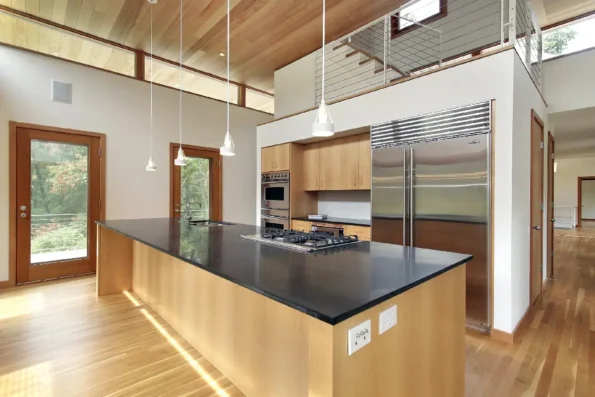
How to Select the Perfect Natural Stone for Your Kitchen Island?

How to Select the Perfect Natural Stone for Your Kitchen Island? The choice of natural stone for a kitchen island is a critical decision, both functional and durable. Different stones have some properties, any of which can make a difference in both the overall design and the long-term usability of your kitchen. With so many natural stones available, one should very carefully assess each type for its ability to fit your needs and complement the style of your kitchen. This guide gives some key considerations, popular stone choices, and why choosing the right one makes all the difference in your kitchen. Our Stone Slabs Range for Countertops Rosado Quartzite Patagonia Sedona Granite Ijen Blue Quartzite Andor Dolomite View All Importance of Choosing the Right Natural Stone Proper natural stone selection for a kitchen island is much more than just a design choice; it impacts your kitchen’s everyday life and durability. The kitchen island is a central point where everything converges, from meal preparation to conversations. This decision is also crucial for how long your kitchen island will last. If you choose a poor stone, then you will constantly have maintenance issues that lessen the functionality and beauty of your kitchen. On the other hand, the right stone won’t just take daily wear and tear; it actually makes the value of the home go up. This will, therefore, be a very worthwhile investment. Considering factors like durability, maintenance, and aesthetic appeal will help ensure your kitchen island remains a beautiful and functional centerpiece for years to come. Find the Perfect Stone for Your Project Not sure which stone will suit your kitchen, bathroom, or outdoor space? Explore our curated selection of natural stone slabs and get expert advice on the best choice for your design. View our Range Popular Natural Stone Options for Kitchen Islands When choosing a natural stone for your kitchen island, understand that each has characteristics that set it apart. The choice of materials, from granite to marble, dolomite, and porcelain, will greatly influence your kitchen island in terms of both its appeal and function, including further maintenance needs. Granite Kitchen Island Granite is a popular choice for kitchen islands as it is truly a durable material and can resist heat. Being one of the hardest natural stones around makes it scratch, chip, and stain-resistant when properly sealed. It comes in a wide variety of colours and patterns and can be made to work within many different styles, from traditional to modern, in the kitchen. This stone has unique veining and speckling, ensuring that no two granite slabs are alike. Marble Kitchen Island Marble, with its ultra-smooth surface and highly defined veining, creates the feel of luxury and sophistication, making it very striking for a kitchen island. Just a bit more porous than granite, marble needs more care to prevent staining and etching. To maintain the look of a marble kitchen island, it should be properly cleaned and sealed regularly. It is a favourite choice among those who aim to create meek sophistication and timeless design in the kitchen. Dolomite kitchen island Dolomite, also known as Super White, is a much-veined natural stone that gives it an appearance very much like marble but with added durability. It’s much less prone to scratching and etching than marble, making it a very practical choice for kitchen islands. Dolomite features subtle shades of grey and white with characteristic veining, which is why it is such a beautiful option for both modern and traditional kitchen design. This balancing act of beauty and strength could be one reason Dolomite is such a popular choice for a kitchen island. Porcelain Kitchen Island Porcelain is a newer choice for natural stone kitchen islands. It is a kitchen material that is ultra-durable with low maintenance. The making of porcelain slabs from refined clay and their subsequent high-temperature firing makes them non-porous, scratch-resistant, and very tough against heat and staining. The porcelain will mimic the pattern of stylish stones on the market today, such as marble and granite. Another added advantage is that porcelain is lightweight, making it easier to manage and install in contrast to heavier natural stones. Factors to Consider When Choosing Natural Stone for Your Kitchen Island While choosing the best natural stone for your kitchen island, various factors will be considered, as this is not only a material for aesthetic purposes but has to meet all your functional needs. A review of these ensures a choice of stone that works well for both enhancing style in the kitchen and the overall usability of this space. Durability and Maintenance If you’re going to use natural stone on your kitchen island, one of the more critical factors has to be durability since it will get so much use in this area. Because it’s so hard and resistant to scorching, scratching, and staining, granite is considered a low-maintenance material. Marble is elegant but stains readily; it requires regular sealing and cleaning right after spills. Dolomite offers a good balance between resistance and aesthetic appeal, being more wear-resistant than marble but still requiring some maintenance. Porcelain is modern, very resistant, and almost maintenance-free. It has very good heat, scratch, and stain resistance​. Aesthetic Appeal The aesthetic impact of the stone you choose is as important, since it often serves as a focal point in the kitchen. Marble is known for its timeless beauty and intricate veining, making it a luxury kitchen choice. Granites present a variety of colors and patterns that will give your kitchen designs the flexibility of matching. Dolomite combines the soft beauty of marble but with greater durability, hence making it the most desirable choice for those who want elegance but with practicality. Porcelain gives a sleek, modern finish while replicating the look of natural stones like marble and granite. Budget Considerations The budget is a major factor in deciding the right natural stone for the kitchen island. Generally speaking, granite and dolomite are rather more pocket-friendly than marble, which, in most cases,

CONTINUE READING ➞
Natural Stones for Outdoor Kitchen

Why Granite is the Best Choice for Outdoor Kitchens

Why Granite is the Best Choice for Outdoor Kitchens Building an outdoor kitchen is a great way to extend your living space and enjoy the outdoors. Some of the most important decisions you will be looking at are related to choosing the right countertop material that can withstand different outdoor elements while still managing to be stylish and functional. Granite Countertops is considered one of the best options for outdoor kitchens in Australia because of its unmatched durability, resistance to weather elements, and appeal. In this article, we examine why granite stands out as the perfect material for outdoor countertops to deliver enduring benefits into one’s outdoor kitchen.   Our Granite Slabs for Benchtops View All Our Granite Slabs for Benchtops View All Our Stone Slabs Range for Countertops Rosado Quartzite Patagonia Sedona Granite Ijen Blue Quartzite Andor Dolomite View All Durability of Granite in Outdoor Conditions Granite is very durable and hence considered one of the best materials when it comes to building outdoor kitchens. It is formed naturally under conditions of extremely high heat and pressure; hence, the resultant stone is quite resistant to all harsh environmental conditions, including extreme temperatures, rain, and UV radiation. Unlike other materials, granite doesn’t crack in the event of sun exposure or moisture; it’s going to remain resistant to impacts using heavy objects. And properly sealed, granite is moisture-resistant, too, preventing problems such as mould and staining. The toughness of the material ensures outdoor granite countertops will remain intact for a very long time, offering long-term value. Granite’s Resistance to Heat and Weather Elements Granite countertops is very resistant to both heat and extreme weather conditions; hence, for an outdoor kitchen, it is the most ideal material. For its structural formation under high pressure and temperature, it will not get discolored or damaged from the intense heat of hot pans and grills. Moreover, granite is exposed to direct sunlight, rain, and humidity, which never allows it to crack or fade out over time. This natural stone also remains cool to the touch, even in very hot climates, and makes for a very comfortable, durable surface to cook outdoors all year round​. Find the Perfect Stone for Your Project Not sure which stone will suit your kitchen, bathroom, or outdoor space? Explore our curated selection of natural stone slabs and get expert advice on the best choice for your design. View our Range Low Maintenance and Easy Cleaning of Granite Granite countertops is generally reported to be low maintenance, especially when used in an outdoor kitchen. Cleaning requires minimal effort; a general clean of its surface with warm water and mild soap will leave it intact. Also, properly sealed granite becomes quite resistant to stains and moisture; liquid elements like grease or even wine are not able to penetrate the stone. Unlike porous materials, granite countertops does not allow the growth of bacteria and is, therefore, hygienic for food preparation. Resealing it routinely once a year keeps it going strong with its polished appearance. Aesthetic Appeal: Enhancing Your Outdoor Kitchen with Granite Granite adds unique aesthetic appeal to an outdoor kitchen with its natural beauty and wide variety in colors and patterns. No two pieces of granite are identical, due to their complex veining and textured look, adding to the beauty factor that it may bring to any space. Whether sleek and modern or natural and rustic, granite countertops offer versatile design elements to keep up with different tastes outdoors. That’s timeless elegance that will not only complement the surroundings but also bring sophistication to the outdoor living space; it’s functional and visually captivating. Granite’s Natural Resistance to Scratches and Stains Granite’s nature makes it scratch- and stain-resistant, hence suitable for outdoor kitchen countertops. Its dense composition is such that heavy usage, for example, in cutting or placing heavy objects on top, will not cause major damage. Also, when sealed correctly, granite repels liquids, which will prevent stains due to common kitchen spills of oil, wine, or acidic foods. Because of this, it would allow for the surface to remain functional and aesthetically pleasing without running a high risk of permanent marks. Granite countertops would serve quite practically and be long-lasting outdoors due to durability against everyday wear and tear. Cost-Effectiveness: Long-Term Value of Granite in Outdoor Spaces Granite has excellent long-term value, which, even against the pricier initial cost, makes it a relatively cost-effective investment in an outdoor kitchen. Decades will pass, and the durability of granite will not require constant repairs and partial replacements. In fact, its beauty also tends to remain long-term and adds value to the outdoors with respect to both aesthetic and functional qualities. Furthermore, the low maintenance cost keeps it highly cost-effective. Granite countertops is very durable, resistant to scratch and damage, and adds much value to property, so it’s a great value-for-money investment and quite practical, economically viable for the homeowner. Conclusion Granite is an excellent choice of material for outdoor kitchen countertops because it exhibits an outstanding durability factor, resists heat, comes easy to maintain, and aesthetically provides a wide scope. Whether it is a small dining room or an open-air kitchen, granite can assure you of long-term benefits that add functionality to the beauty of your outdoor space. Granite countertops not only stands against the elements but adds value to your home, making it an investment worth any Australian homeowner’s pursuit when planning an outdoor kitchen that will serve for years. Frequently Asked Questions (FAQs) Is the granite suitable for every climate in Australia? Yes, it is. From the scorching sun in Northern Australia to the cooler Southern regions, granite proves satisfactory for all climates. It doesn’t crack or fade away by any heat, rain, or freezing temperature. For this reason, it can be considered an option for outdoor kitchens.   How often must I reseal the granite in an outdoor kitchen? Sealing of the granite countertops is generally recommended once a year. You will keep them resistant to water, bacteria, and further stains for longer

CONTINUE READING ➞
sintered stone

What Are the Best Natural Stones for High-Traffic Commercial Areas?

What Are the Best Natural Stones for High-Traffic Commercial Areas? Choosing appropriate natural stone for commercial high-traffic areas helps with durability, aesthetic appeal, and comfort in maintenance. The high-traffic zones of commercial spaces require a material that is able to bear continuous usage without compromising on either aesthetic value or integrity. Natural stones, particularly granite, marble, and limestone, constitute an ideal solution for this due to their strength and timeless beauty. This guide will look into more appropriate natural stones for high-traffic commercial areas, and essential considerations to keep in mind before choosing them. Our Stone Slabs Range for Countertops Rosado Quartzite Patagonia Sedona Granite Ijen Blue Quartzite Andor Dolomite View All Top Natural Stone Options for High-Traffic Commercial Areas High-traffic commercial areas demand materials that have the capacity to be used continually while maintaining their good looks. The following stones are suitable for use in demanding environments, creating that perfect interplay of strength, beauty, and low maintenance. Granite Granite is famous for its classically firm and highly resistant quality, which suits heavy-duty commercial uses. Granite slabs are present in a very wide range of colorations and patterns that can enhance any type of design scheme at your commercial location. In addition to this, granite remains impervious to staining and scratching and therefore will always retain its pristine look, no matter how heavy the wear. Marble Marble has luxury with its varied veining and extensive color. While not as hard as granite, marble is still very durable and can serve well in commercial applications if sealed properly. It brings elegance to any space; it’s often placed in lobbies and high-end retail spaces. Marble will require some upkeep for it to always look impressive. Limestone Limestone delivers strength with a much softer appearance, making it a versatile choice for commercial flooring applications. While being much less dense than granite or marble, it still can be suitable for high-traffic uses if sealed properly. Its natural warmth and subtle tones make it common in hospitality environments and retail spaces where end-users desire a more welcoming atmosphere. Travertine Travertine is characterized by a special texture and earthy tones. It is just the perfect middle ground for a beautiful and strong product, really making it great for high-traffic areas. The natural pitting in this stone can be filled to provide a smoother surface or left unfilled to achieve a more rustic appearance. Travertine provides a classic style that will never be out of fashion in commercial spaces. Find the Perfect Stone for Your Project Not sure which stone will suit your kitchen, bathroom, or outdoor space? Explore our curated selection of natural stone slabs and get expert advice on the best choice for your design. View our Range Factors to Consider When Choosing Natural Stone for Commercial Areas Selecting the appropriate stone for a commercial space would mean considering many critical factors. Stones offer different benefits and have different needs. This will be helpful in considering these factors in choosing which material will best suit your high-traffic commercial area. Durability Durability is an important criterion, and one of the reasons for wear in heavy-traffic areas is that the stones are the hardest and most resistant to abrasion. Granites, slates, marbles, and limestones all have their limits and will require different care to be able to stay in fine shape. Take note of the expected foot traffic and usage so you can select a stone that can handle heavy use without undermining its integrity. Maintenance Requirements Maintenance is also an important feature for how long it will last and the appearance of natural stone. In the case of granite and slate, they are pretty easy to maintain and require very little effort to look as good as new. For marble and limestone, sealing from time to time and cleaning are regular features. In short, understanding the maintenance needs of each stone can help you make a balanced decision between beauty and practicality. Aesthetics Further, natural stone has high aesthetic value. Granite and marble come in a wide variety of colors and patterns, which give designers greater flexibility in design. Limestone and travertine give a subdued look to nature, while slate offers a rugged, textured look. The selection of a piece according to the design and to add to the style of the commercial space will increase the appeal of the overall space. Cost Cost is always a concern with any commercial project. While Granite and Marble are costly, their high durability and very low maintenance can provide value for a greater . Limestone and Travertine are more budget-friendly options, while Slate offers the midpoint solution with good durability and aesthetic appeal. The long-term benefits and costs of each stone being weighed will help you make a financially sound choice. Application The intended application should also include the choice of stone. For instance, Natural Stone Vanity Tops are applied in commercial bathrooms and reception areas, as this application requires beauty along with durability. Granite Flooring is appropriate for lobbies and hallways, that is, high-traffic areas. Determining the demands of each area ensures that the stone selected will function as well as it looks. Slip Resistance Slip resistance is a very important safety consideration, mostly in areas that experience the effects of moisture or spills. Stones, such as Slate, are normally slip-resistant and thus perfect for entryways and restrooms. Travertine is quite good when left unfilled, providing a textured surface that would offer better grip. Assuring that the chosen stone provides safety measures against slipping will prevent accidents and maintain a safe environment for visitors and employees. Environmental Impact Another factor to consider would be the environmental impact of the stone. Natural stone is a very sustainable material; however, it is the processes involved in quarrying and transportation that make it less so. Therefore, opting for locally sourced stones or those with minimal environmental impact can help reduce the carbon footprint of your project. In addition, stones that are strong and have longevity will also lead toward

CONTINUE READING ➞

Sintered Stone vs Engineered Stone: What are the Differences?

Sintered Stone vs Engineered Stone: What are the Differences? The right stone selection for your project can sometimes prove very difficult to make, more so between sintered stone and engineered stone. While both materials provide unique benefits, they differ significantly in terms of composition, durability, aesthetic appeal, environmental impact, cost, and maintenance requirements. This guide will help you understand which one best suits your needs. Knowing the differences will let you make the right choice for your application, whether for a strong kitchen countertop, a stylish bathroom surface, or a durable flooring solution to suit all of your needs and décor. Our Sintered Stone Slabs for Countertops Zena Porcelain White Fantasy Porcelain Grigio Alexis Porcelain Montpellier Porcelain View All Our Stone Slabs Range for Countertops Silver Patagonia Quartzite Sierra Wave Granite Patagonia Retro Granite Iceborne Quartzite View All Find the Perfect Stone for Your Project Not sure which stone will suit your kitchen, bathroom, or outdoor space? Explore our curated selection of natural stone slabs and get expert advice on the best choice for your design. View our Range Composition and Materials The material composition and manufacturing processes of both sintered stone and engineered stone slabs explain much about their properties and uses. Understanding these can help in making an informed decision on which material is best for a project. Sintered stone is created from a mix of natural minerals that are subjected to extremely high temperatures and pressured together. In forming sintered stone, this process is like that through which natural stone is formed. This would, in turn, yield a stone with a very hard surface that is non-porous, UV-resistant, and can bear extreme weather conditions, making it useful both indoors and outdoors. Sintered stone is associated with a timeless appearance, and varied finishes, making it resemble natural stone in so many ways. On the other hand, the engineered stone slabs constitutes around 90–95% crushed natural quartz. The rest of the material is made up of 5–10% resin binders and pigments. There is a very high percentage of quartz in the material; it has the characteristic feature of high hardness, giving it resistance to scratching and impact. Resin binders enhance the flexibility and general toughness of the material. Engineered stone’s flexibility and durability make it very popular in countertops, flooring, and cladding. It shows natural beauty with contemporary characteristics. Durability and Strength Sintered stone slabs are known to possess excellent durability. These slabs are scratch, stain, and heat resistant, making them perfect for high-traffic areas and outdoors. The non-porous nature of the sintered stone, besides leading to more durability, does not support bacteria and mould growth. This feature provides a clean and hygienic surface that requires less maintenance, thus making the sintered stone suitable for both residential and commercial purposes. Engineered stone slabs has also become highly durable, holding rather variable characteristics with the addition of resin. Being immensely resistant to scratching and staining, it goes perfectly for kitchens and bathrooms. However, the resin binders of the engineered stone make it more prone to heat damage compared to sintered stone. There are some things that one should bear in mind, such as never placing hot pots and pans directly over them; otherwise, the face of the stone will either discolor or get damaged. Aesthetic and Design Differences The visual appeal and design flexibility of sintered stone slabs and engineered stone are significant factors in their popularity. Both materials offer unique aesthetics that cater to various design requirements. One of the strong points in the application of both sintered stone and engineered stone slabs is their aesthetic versatility. Sintered stone can replicate the appearance of other natural materials, such as marble and granite. It is available in a variety of colors and patterns, often featuring realistic veining and textures. Many sintered stone products feature through-body designs, meaning the pattern runs all the way through the slab to give it a more realistic appearance and hide chips and scratches. Engineered stone comes in very diverse colors and designs. The manufacturing process involves the use of pigmentation, which does allow for consistent coloring and creates complex patterns that can be made to mimic natural stone or create a unique look in many modern designs. Most engineered stone slabs has only a top-layer design, with the pattern printed on the surface, which is less deep compared to sintered stone but allows a high degree of control over the final appearance. Cost Comparison Cost is one of the principal factors in choosing materials for your work. The prices of sintered stone and engineered stone reflect the different ways of production and inherent qualities. Knowing how they differ in cost will let you make a better decision based on your budget and the demands of your projects. Sintered stone tends to be at the higher end of the price spectrum. This is mainly due to the advanced manufacturing process. Sintered stone slabs may require a relatively higher initial investment, but their long service life and low maintenance could provide the lowest life-cycle cost for long-lived applications. This makes this stone worth considering for someone who wants long-lasting value combined with high performance for any of their projects. While engineered stone slabs is more affordable than sintered stone and represents much better value regarding its durability and attractive appearance, it still has a blend of strength and design flexibility due to its constituent materials: natural quartz and resin binders. Its price may differ significantly depending on many factors, like a brand or design or slab thickness, but it is always positioned as one of the more budget-friendly options. When looking for a cheaper alternative with the same basic attributes of durability and appearance, an engineered stone slabs slabs becomes very useful. Maintenance and Care Understanding the type of maintenance and care that each stone will require is important to the overall decision-making process. Both are low-maintenance compared to natural stone products, so both are practical and convenient options in busy environments. Sintered stone is very

CONTINUE READING ➞
Wishlist
Recently Viewed
Categories