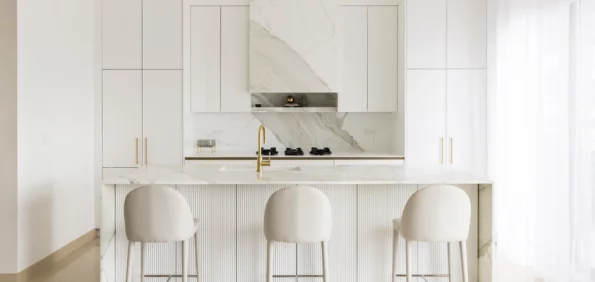
Stone Benchtop Colours

What Are the Best Stone Benchtop Colours?

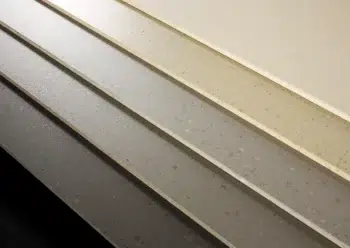
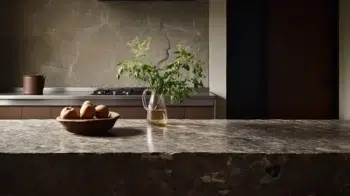
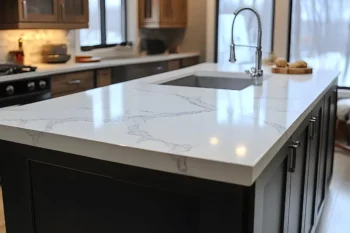
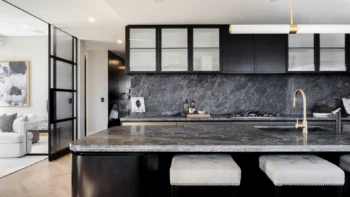
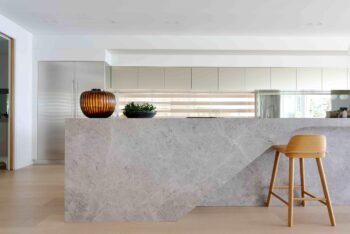
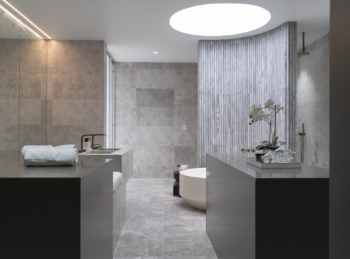
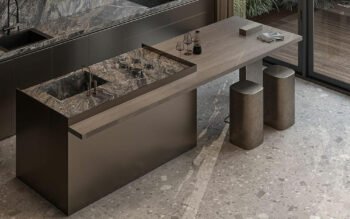
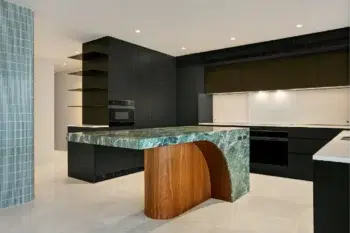
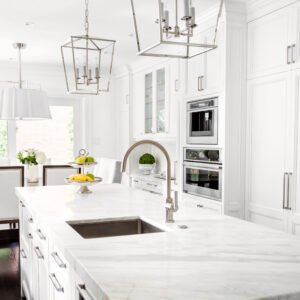
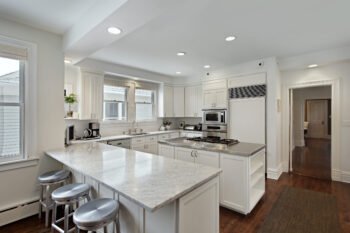
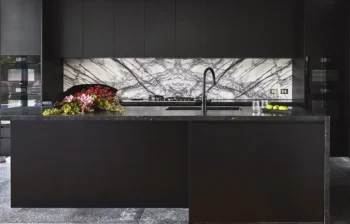
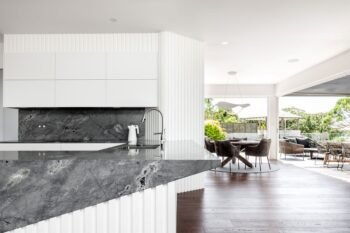
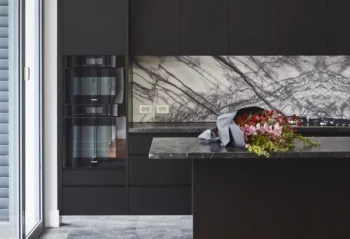
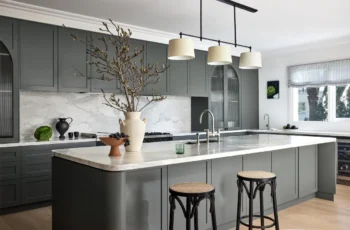
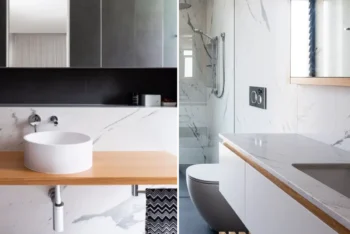
What Are the Best Stone Benchtop Colours? Choosing the right stone benchtop colours for your kitchen is an important decision. Your benchtop is one of the most noticeable features in the kitchen, and the colour you choose can completely change the look and feel of the space. Whether you prefer a modern, classic, or bold design, there are plenty of kitchen benchtop colours to suit your style.In Australia, homeowners love a mix of timeless and trendy stone colours. This guide will help you explore the best stone benchtop colours Australia has to offer if you are planning a kitchen renovation or building a new home. We’ll also share kitchen benchtop colour ideas, tips on matching benchtops with cabinets, and answer common questions like, What colour benchtop goes with white cupboards? Find the Perfect Stone for Your Project Not sure which stone will suit your kitchen, bathroom, or outdoor space? Explore our curated selection of natural stone slabs and get expert advice on the best choice for your design. View our Range Choosing the Right Stone Benchtop Colour for Your Kitchen Choosing the perfect stone benchtop colour is a critical decision in kitchen design. The right choice can enhance aesthetics, complement cabinetry, and make the space warm and inviting. Whether you like the classic, bold, natural, industrial, or unique look, this guide covers the best stone benchtop colours and materials suited for Australian homes. White and Light Grey Stone Benchtops White and light grey benchtops remain popular with homeowners because they have a clean, fresh, and bright look. These colours work well with modern, minimalist, and Scandinavian kitchens, making the space seem more spacious and airy. Why Choose White or Light Grey? Makes the space appear brighter by reflecting natural and artificial light. Flexible and neutral, it can blend with almost any cabinet colour. Adds a clean, sophisticated look to modern and minimalist designs. Popular White and Light Grey Stone Options Marble: Soft or dramatic veining in Carrara and Calacatta marble adds a luxurious feel. Quartz: White or light grey engineered quartz offers durability and low maintenance. Granite: Natural depth is added with unique patterns in white and grey granite. Engineered Stone: Consistency is the hallmark of engineered stone, with many soft white shades available. Considerations White surfaces require more frequent cleaning as they tend to show stains and spills more easily. Choosing a stone with veining or a subtle texture can help minimise the appearance of marks. Dark and Bold Benchtop Colours Dark benchtops in charcoal, black, and deep grey add drama and luxury to any kitchen. They work particularly well in modern, industrial, and high-contrast kitchens, where these tones bring depth and sophistication. Why Choose Dark Benchtops? Adds a dramatic and contrasting effect, especially for kitchens with lighter cabinetry. Hides stains and marks more efficiently than white surfaces. Enhances modern and industrial kitchen styles. Popular Dark Stone Options Black Granite: Strong and durable with silver, gold, or white specks for added texture. Dark Quartz: Engineered quartz in deep grey or black ensures stain resistance and durability. Veined Marble: Dark marble with prominent white or gold veining offers a refined look. Engineered Stone: Matte and textured finishes in deep grey provide a contemporary industrial feel. Considerations Dark benchtops create a sense of depth, which can close down smaller kitchens. Balance these with light cabinetry, good lighting, or reflective surfaces to keep the space feeling open. Earthy Tones For those who adore a homey, rustic, or country-style kitchen, natural tones like beige, brown, and warm grey are the way to go. Earthy tones are especially popular in farmhouse and traditional Australian country-style homes. Why Choose Earthy Tones? Creates a warm, natural ambiance ideal for family kitchens. Pairs perfectly with timber cabinetry for a harmonious look. Embraces classic Australian home styles that favour natural materials. Popular Natural Stone Option Beige and sandy-toned granite for a timeless, organic look. Warm grey quartz mimics the look of natural stone but is easy to maintain. Travertine and limestone for a soft, textured, and earthy appearance. Considerations Travertine and limestone will need to be sealed to prevent staining or water absorption. Unique and Statement Colours For those seeking something eye-catching as the focal point of their kitchen, bold colours like blue, green, and gold-veined stone are perfect. Statement colours work exceptionally in contemporary or high-end aesthetics, adding personality and originality. Why Consider a Statement Colour? Adds a unique identity and creativity to your design. Serves as a statement element, particularly in an otherwise neutral space. Looks wonderful with plain cabinetry and splashbacks that let the benchtop shine. Popular Statement Stone Choices Deep blue or green quartzite, a natural stone with striking colours. Gold-veined marble adds a touch of elegance and luxury. Engineered stone in bold colours, available in custom shades to suit modern styles. Considerations Bold benchtop colours may not be to everyone’s taste, especially if the resale value of a property is a concern. However, they are a great way to personalise the kitchen based on individual tastes. Concrete-Look Benchtops for an Industrial Style Raw, minimalist, or modern designs complement concrete-look benchtops, making them ideal for contemporary homes. Advances in the concrete look create durable surfaces resistant to wear and tear. Why Choose Concrete-Look Benchtops? Concrete benchtops provide an urban and industrial feel, perfect for modern spaces. Durable and long-lasting, making them resistant to wear and tear. Complements metal, timber, and minimalist designs. Popular Types of Industrial Stone Polished concrete for an authentic industrial appearance. Grey quartz with a concrete finish, offering durability with a raw edge. Engineered stone mimicking concrete textures, providing a lightweight alternative. Considerations Raw concrete can be porous and prone to stains if not sealed properly. Engineered quartz with a concrete-like finish is a great alternative for durability and low maintena Soft Pastel and Neutral Tones For a softer, more delicate look, pastel and neutral tones such as light beige, soft pink, and pale blue bring an elegant, contemporary feel. These colours are especially popular in Scandinavian and coastal-style kitchens.

CONTINUE READING ➞
Stone benchtops

How to Clean and Care for Your Stone Benchtops

How to Clean and Care for Your Stone Benchtops A stone benchtop elevates any kitchen or bathroom with its blend of beauty and functionality. Whether crafted from natural stone like marble or granite or engineered stone such as quartz, proper care is essential. Regular cleaning with a soft cloth, warm water, and mild dish soap can prevent stubborn stains and heat damage. Avoid using abrasive cleaners, harsh chemicals, or scouring pads, which may harm the stone surface. For regular maintenance, use a stone benchtop cleaner and reseal sealed surfaces to prevent staining. With proper care, your benchtop will remain stunning and durable. Our Stone Slabs Range Silver Patagonia Quartzite Sierra Wave Granite Patagonia Retro Granite Iceborne Quartzite View All Find the Perfect Stone for Your Project Not sure which stone will suit your kitchen, bathroom, or outdoor space? Explore our curated selection of natural stone slabs and get expert advice on the best choice for your design. View our Range Why Maintenance Is Key for Stone Benchtops A stone benchtop is a long-lasting and beautiful feature, but proper care is essential. Neglecting maintenance can result in stains, scratches, or dullness. A daily cleaning routine using a clean cloth, mild dish soap, and warm water helps maintain the integrity of your stone surface. Avoid abrasive cleaners or harsh chemicals that can damage engineered stone benchtops, granite benchtops, or marble benchtops. For regular cleaning, use a stone benchtop cleaner and dry with a microfiber cloth to prevent water spots, keeping your natural stone in perfect condition. Daily Cleaning and Maintenance Practices Everyday Cleaning Basics For everyday cleaning, follow these gentle cleaning methods to protect your stone surface: Use a clean cloth or microfiber cloth to remove crumbs and dust from your stone benchtop. Mix warm water with a small amount of mild dish soap or dishwashing liquid. Avoid harsh chemicals that can harm the finish. Wipe with a damp cloth, then dry with a lint-free cloth to prevent water spots. Avoid abrasive cleaners, scouring pads, and scrubbers, as they may scratch your natural or engineered stone benchtops. Deep Cleaning for Stubborn Stains When regular cleaning doesn’t suffice, tackle stubborn stains with the following steps: Create a paste using baking soda and water. Apply it to the stain, let it sit for 10–15 minutes, and then wipe it clean with a soft cloth. Use a pH-neutral cleaner to remove grime gently while preserving the stone surface. For persistent marks, consult a professional to prevent long-term damage to your granite, marble, or quartz benchtops. Regular Maintenance Tips Proper care extends the life of your stone benchtop: Seal your natural stone regularly to enhance resistance to stains and moisture. A sealed benchtop is easier to clean. Use only stone-safe cleaning products like a stone benchtop cleaner to avoid etching or dulling the finish. Occasionally, polish the surface to restore its glossy sheen. By incorporating these steps into your daily routine, your kitchen benchtop will remain a durable and beautiful feature for years. How to Protect Stone Benchtops from Damage Prevent Stains and Etching Clean up spills immediately, especially with acidic substances like lemon juice or wine, which can etch the stone. Always dry the surface after cleaning to prevent water spots. Keep your stone safe by avoiding white vinegar, bleach, and other corrosive products. Prevent Scratches Never cut directly on your stone surface. Use cutting boards when chopping food to protect your benchtop. Be mindful of placing heavy or sharp objects on the stone, as these can cause scratches or cracks. Protect Against Heat Damage Although stone benchtops are often heat resistant, it’s best not to place hot items directly on them. Always use trivets or heat-resistant mats to prevent potential damage from hot pots or pans. Avoid exposing the stone to extreme heat, as this can weaken the surface or cause discolouration. Cleaning and Care Tips for Specific Stone Types Marble Benchtops Marble benchtops are renowned for their elegance but are highly porous, making them susceptible to stains and etching. For everyday cleaning, gently wipe the stone surface using a microfiber cloth or clean cloth, along with warm water and a pH-neutral cleaner, to prevent staining. Avoid exposing marble benchtops to acidic substances like lemon juice, as they can damage the finish. To maintain their beauty, ensure your natural stone is sealed regularly and handle spills carefully by cleaning them up immediately with a clean paper towel. Granite Benchtops Granite benchtops are durable and less porous than marble benchtops, but they still require proper care to maintain their polished appearance. Use a microfiber cloth and warm water during regular cleaning, and incorporate a small amount of mild dish soap when needed. Avoid abrasive cleaners or scouring pads that may scratch the surface. Reapplying sealant annually or as recommended will provide added protection against moisture and stubborn stains, ensuring the granite benchtop retains its durability and shine. Quartz Benchtops Quartz benchtops, a popular type of engineered stone, are non-porous and easy to maintain. For daily cleaning, use a spray bottle filled with water and a few drops of dishwashing liquid, then wipe down with a soft or damp cloth. Avoid abrasive scouring pads and harsh chemicals, which can damage the resin in the surface. Though quartz benchtops are heat resistant, always use trivets or mats for hot items to prevent potential resin damage caused by extreme heat. Reconstituted Stone Benchtops Reconstituted stone is a low-maintenance material, making it a practical choice for busy households. Clean it regularly with a damp cloth and pH-neutral cleaning products to maintain its pristine look. While it’s resistant to scratches, it’s important to avoid harsh chemicals or abrasive cleaners, as they can erode the resin in engineered stone benchtops. For long-term protection, follow general tips like using cutting boards to prevent scratches and avoid long-term damage. General Tips to Maintain Stone Benchtops Avoid Long-Term Damage To avoid long-term damage, clean and protect your stone benchtop from stains, scratches, and heat damage. Clean spills immediately with a clean cloth or

CONTINUE READING ➞

10 Types of Countertops for a Kitchen Remodel

10 Types of Countertops for a Kitchen Remodel A kitchen remodel is a great opportunity to enhance your space, making it both functional and visually appealing. Among the many decisions you’ll make during the renovation process, choosing the right countertop is one of the most important. The ideal countertop should meet your daily needs while complementing the overall kitchen design. In Australia, there is a wide range of countertop materials available, each with unique features, benefits, and drawbacks. From luxurious natural stone to budget-friendly options, homeowners have many choices to suit their style and budget. Here, we explore ten of the most popular kitchen countertops in Australia to help you make an informed decision for your remodel. Find the Perfect Stone for Your Project Not sure which stone will suit your kitchen, bathroom, or outdoor space? Explore our curated selection of natural stone slabs and get expert advice on the best choice for your design. View our Range Marble Countertops Marble countertops are the epitome of luxury and elegance. Renowned for their timeless appeal and unique veining, no two slabs are ever identical. Often chosen for high-end kitchens, marble brings sophistication and style to any space. Pros: Elegance and Aesthetics: Marble is known for its classic, luxurious appeal. The natural veining creates a stunning, high-end look unmatched by other materials. Cool Surface: Marble remains naturally cool, making it ideal for baking as it helps with dough and pastry preparation. Unique Patterns: Since no two slabs are the same, marble countertops provide a one-of-a-kind look, making them popular among those who appreciate individuality. Cons: Prone to Stains and Scratches: Although durable, marble is porous, meaning it can absorb wine, oil, or juice, leading to permanent stains. It is also susceptible to scratches and etching from acidic substances like lemon juice or vinegar. Requires Regular Sealing: To maintain its stain resistance, marble must be sealed frequently, adding to its upkeep. Expensive: Marble is one of the costliest countertop materials, especially if sourced from premium quarries. Best For: Homeowners who value beauty and sophistication and are willing to commit to regular maintenance. Perfect for those looking for a high-end, timeless kitchen design. Granite Countertops Granite is one of the most popular natural stones used in Australian kitchens. Known for its strength and striking appearance, granite is available in a variety of colours and patterns, making it a versatile choice for any kitchen design Pros: Heat and Scratch Resistant: One of the hardest natural stones, granite is highly resistant to heat and scratches, making it an ideal choice for busy kitchens. Variety of Designs: Available in solid colours and intricate patterns, granite suits modern and traditional kitchen designs. Durable and Long-Lasting: With proper care, granite can last a lifetime, making it a worthwhile investment. Cons: Requires Sealing: Like marble, granite is porous and must be sealed regularly to prevent staining from liquids like wine, coffee, or oils. Expensive: High-quality granite, particularly with exotic patterns, can be costly, and professional installation adds to the expense. Heavy: Due to its density, granite requires strong cabinetry support. Best For: Homeowners who want a long-lasting, durable natural stone with a beautiful aesthetic. Quartz Countertops Quartz countertops are engineered surfaces made from crushed quartz mixed with resins. They are non-porous, highly durable, and available in a wide range of designs, making them one of the most popular low-maintenance choices. Pros: Low Maintenance: Unlike natural stones, quartz does not require sealing and is highly stain-resistant, making it an excellent choice for busy kitchens. Wide Range of Colours & Styles: Quartz is available in various colours, patterns, and finishes, allowing homeowners to achieve any desired look. Cons: Less Heat-Resistant than Natural Stone: While durable, quartz is not as heat-resistant as granite or marble. Placing hot pots directly on the surface can cause damage. Expensive: Premium quartz countertops can be just as costly as natural stone, depending on the brand and finish. Not Fully Natural: Since quartz is engineered, it may not appeal to homeowners who prefer 100% natural materials. Best For: Homeowners looking for a durable, low-maintenance countertop with a variety of design options. Porcelain Countertops Porcelain countertops are a newer addition to the market, prized for their modern appearance and durability. Made from fired clay at high temperatures, porcelain countertops are strong, non-porous, and stylish. Pros: Highly Durable: Resistant to stains, scratches, and heat, making it an ideal choice for busy kitchens. Lightweight and Easy to Install: Lighter than granite or concrete, porcelain is easier to handle and less demanding on cabinetry. Versatile Designs: Porcelain can mimic marble, granite, or other natural stones, allowing homeowners to achieve a high-end look at a lower cost. Cons: Susceptible to Chipping: Although strong, porcelain can chip or crack if subjected to heavy impacts. Limited Thickness Options: Unlike stone, porcelain is often available in thinner slabs, which may not suit all designs .Designer Options Can Be Expensive: While generally affordable, high-end designer porcelain can be costly. Best for: Homeowners looking for a modern, low-maintenance, and durable countertop with a contemporary aesthetic. Concrete Countertops Concrete benchtops are rapidly gaining popularity among homeowners, architects, and designers alike for their sleek, industrial appeal and unmatched customisation potential. Unlike pre-fabricated materials, concrete can be poured and moulded into virtually any shape or size, allowing for a truly bespoke design tailored to your space. From integrated sinks to waterfall edges, the design possibilities are virtually limitless. Concrete can be tinted, textured, or polished to achieve a wide range of finishes—whether you’re after a raw, minimalist look or a refined, high-gloss surface. Its versatility makes it a standout choice for both residential kitchens and commercial applications. Pros: Fully Customisable: Choose from different colours, textures, and finishes—matte, polished, or rough. Durable and Heat Resistant: Strong enough for heavy use and can handle hot cookware. Industrial Style Appeal: Perfect for modern or edgy kitchen designs. Cons: Can Crack Over Time: Without proper sealing, cracks can form due to wear or temperature changes. Needs Regular Sealing: Like other porous materials, concrete needs

CONTINUE READING ➞
Outdoor Countertops

Which Natural Stone is Best for Outdoor Countertops?

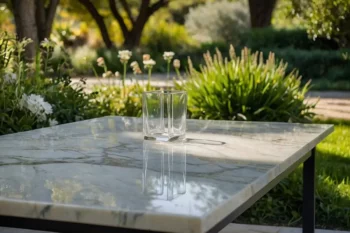
Which Natural Stone is Best for Outdoor Countertops? When selecting a natural stone for your outdoor kitchen countertop, it’s important to choose one that can withstand extreme weather conditions, UV exposure, and temperature fluctuations, unlike indoor countertops. The use of natural stone is popular due to its durability, hardness, and aesthetic appeal. However, not all stone varieties perform well outdoors. You must therefore choose your natural stone for your outdoor bar counter or BBQ worktop based on factors such as porosity, maintenance, and stain and scratch resistance.Choosing the right natural stone is essential when deciding which material to use for your outdoor countertops. Some stones, such as granite and quartzite, are known for their durability, while others, like marble, require more care. Let this guide help you explore five of the most popular natural stones for outdoor countertops, along with their pros, cons, and suitability for outdoor kitchens. Our Stone Slabs Range for Countertops Silver Patagonia Quartzite Sierra Wave Granite Patagonia Retro Granite Iceborne Quartzite Classic Beige Travertine Azeroth Granite Cristallo Rosa Quartzite White Onyx View All Find the Perfect Stone for Your Project Not sure which stone will suit your kitchen, bathroom, or outdoor space? Explore our curated selection of natural stone slabs and get expert advice on the best choice for your design. View our Range Marble Slabs for Benchtops Marble has always been synonymous with luxury and elegance, which is why it is often chosen for benchtops both indoors and outdoors. Marble is a naturally occurring stone known for its beautiful veining and unique formations, adding a touch of class to any outdoor kitchen. Benefits of Marble for Outdoor Countertops Aesthetic Beauty: This is one of the main reasons homeowners opt for marble slabs for their benchtops. Each marble slab is unique, with variations in tonalities that add personality and elegance to outdoor environments. Heat Resistance: With thermal and anti-adhesive properties, marble is an excellent choice for outdoor BBQ worktops and cooking areas. Unlike synthetic materials, marble won’t warp or crack when exposed to high temperatures, making it perfect for outdoor kitchens. Availability in Different Colours and Finishes: Marble comes in a wide range of shades, from monochromatic whites and greys to darker, more dramatic tones like green and black. It is available in polished, honed, or leathered finishes, and can be customised to suit both aesthetic and functional requirements. Challenges of Using Marble for Outdoor Benchtops Porosity and Staining: One major drawback of marble is its porosity. It is prone to absorbing moisture, which leads to staining and discolouration over time. Acids like lemon juice, vinegar, and wine can etch and leave dull marks on the surface. Regular sealing is required to minimise this risk. Sensitive to Weather: Marble can be sensitive to prolonged exposure to rain, snow, and extreme temperatures. In areas with frequent freeze-thaw cycles, water may penetrate the stone, resulting in cracks or surface damage. Maintenance Needs: Marble requires regular upkeep to retain its fresh appearance. Unlike granite or porcelain, marble requires regular cleaning with pH-neutral stone cleaners, immediate spill removal, and occasional resealing to avoid potential damage. While marble offers elegance and beauty, its suitability for outdoor bar countertops depends on how much maintenance you’re willing to provide. Granite Slabs for Benchtops Granite is one of the most popular natural stones for outdoor kitchen countertops due to its durability and resistance to sun rays, rain, and temperature changes. Formed from volcanic activity, granite is a hard igneous rock that is perfect for outdoor environments. Benefits of Granite for Outdoor Countertops Remarkable Durability: The hardness of granite makes it resistant to scratches, cracks, and chips. Granite slabs are durable for benchtops, unlike softer stones like marble and dolomite, offering excellent performance in outdoor spaces for years. Weather and Heat Resistance: Granite is exceptional at withstanding extreme temperatures. It does not suffer significant damage from exposure to direct sunlight, heavy rain, or freezing conditions, unlike many other natural stones. Low Maintenance: Granite requires minimal maintenance compared to more porous stones. Sealing it regularly increases its stain, moisture, and UV resistance, making it an ideal choice for outdoor BBQ worktops or high-traffic cooking areas. Challenges of Using Granite for Outdoor Benchtops Regular Sealing: While granite is less porous than marble, it still requires sealing periodically to prevent moisture absorption and staining. However, with proper care and regular maintenance, granite can last for many years outdoors. Heavy Weight: Due to its density, granite needs to be installed on a solid base to ensure stability and support. Professional installation is crucial for the long-term durability of your outdoor countertop. If you want an outdoor countertop that can handle the weather and won’t corrode over time, granite is the perfect option for your home. Dolomite Slabs for Benchtops Dolomite is a rising star in the world of natural stone, offering a balance between marble and granite. It has the aesthetic appeal of marble but is harder and more resilient, making it suitable for outdoor bar countertops and dining areas. Benefits of Dolomite for Outdoor Countertops Marble-like Appearance with Added Strength: Dolomite has delicate veining and soft colours, similar to marble, but is less porous and more resistant to scratches. Relatively Weather-Resistant Compared to Marble: Dolomite is less durable than granite but more weather-resistant than marble. With appropriate sealing, it can handle moderate exposure to sun, wind, and rain, making it a viable option for outdoor kitchens. Affordability: Dolomite is often more affordable than high-end marble and quartzite, providing a cost-effective option for homeowners who want a luxurious appearance without the hefty price tag. Challenges of Using Dolomite for Outdoor Benchtops Porosity and Need for Sealing: Though less porous than marble, dolomite still needs to be sealed regularly to prevent moisture seepage and staining. Low Heat and Scratch Resistance: Dolomite is more durable than marble but not as hard as granite or porcelain. Heavy impacts or direct exposure to extreme temperatures can cause damage to the surface. For those who love the aesthetics of marble but need something

CONTINUE READING ➞
Marble Benchtop

How to Clean Marble Stain: Effective Tips and Techniques

How to Clean Marble Stain: Effective Tips and Techniques Marble is a stunning and durable material whether used for countertops, flooring, or decorative features that can add elegance to any space. However, the porous surface of the material means that it is susceptible to staining, especially from foods, liquids, or oils. Marble stains can be tricky to clean, as using harsh chemicals can ruin its finish and integrity. Here are some tips and tricks for cleaning different stains from marble using simple and advanced methods. Our Marble Slabs for Countertops Helicanus Marble Golden Spider Marble Diano Reale Marble Breccia Anatolia Marble View All Our Stone Slabs Range for Countertops Silver Patagonia Quartzite Sierra Wave Granite Patagonia Retro Granite Iceborne Quartzite Classic Beige Travertine Azeroth Granite Cristallo Rosa Quartzite White Onyx View All This article is all about the removal of common stains from marble, including organic (food or drinks); oil-based (grease, ink stains, make-up); and tough (rust or watermarks). We will also discuss how to avoid such stains in the future and keep the entire surface of your marble looking its best. Whether you’re facing a recent spill or an old stain, these cleaning tips will help you safely, and effectively return the beauty of your marble surfaces. Understanding Marble Surfaces Marble is a shiny metamorphic rock that can be either white or tinted and is produced from limestone through high temperature and pressure metamorphosis, giving the stone its typical veined forms and rich look. Each piece of marble is different due to nature, which is its unique and beautiful feature. However, those veins and the porous texture of the natural stone itself can make it susceptible to staining and scratching without the proper care. Similar to granite, marble is also sensitive to corrosive substances (such as acidic liquids) that can lead to etching, dulling, and irreversible damage to its surface.Since marble has a porous structure, it must be sealed to mitigate the risk of staining and to help protect its integrity. Routine maintenance like cleaning and sealing can make your marble surfaces look gorgeous with limited risk of staining. Getting to know why marble behaves the way it does is important for preserving the life and looks of your marble surfaces. Find the Perfect Stone for Your Project Not sure which stone will suit your kitchen, bathroom, or outdoor space? Explore our curated selection of natural stone slabs and get expert advice on the best choice for your design. View our Range Removing Different Types of Stains from Marble Three types of stains mostly stain marble surfaces such as organic stains, oil-based stains, and some mineral oil-based stains. Knowing the type of stain is vital for selecting an appropriate cleaning action to remove stains from marble. All types of stains along with their ways of removal are mentioned below: Organic Stains (Food, Coffee, Wine, etc.) Organic stains are usually related to food, coffee, wine, or other drinks. These stains are some of the easiest to remedy to remove stains from marble as long as you act quickly. How To Remove Organic Stains Combine a solution of warm water and mild dishwashing liquid or dish soap. Using a damp cloth or sponge, gently blot at the stain (don’t scrub, as this will damage the marble’s surface). Blot and then rinse with clean water, dabbing dry with a clean cloth or a soft towel. For particularly stubborn organic stains, you might need a more advanced solution to lift it off the surface, such as a poultice. Oil-Based Stains (Grease, Cooking Oil, Makeup, etc.) Oil stains are particularly hard to get rid of since oil penetrates marble’s porous surface. Such soiling can be from cooking, cosmetics, or just oily hands. How To Clean Oil-Based Stains Mix baking soda with water to make a cultured paste. Spread the paste onto the stain, cover it with plastic wrap, and let it sit for 24 hours. Scrape off the paste after 24 hours and wash the area with warm water. Wipe dry thoroughly with a soft cloth. For large oil stains, it may take several passes of this process and/or a professional stone cleaner. Rust and Water Stains from marble surfaces Rust and water stains are the result of extended exposure to moisture or a metal object that leaves rust marks. These stains need special treatment and deep cleaning. How To Remove Rust and Water Stains Prepare a cleaning solution by mixing hydrogen peroxide with a few drops of ammonia. Apply to the stained area, allow to sit for a few minutes, and then scrub with a non-abrasive cloth. Wash with clean water and dry with a soft cloth to avoid any water stains. Moreover, for badly engraved stains, it is worth getting in touch with a marble restoration expert. Advanced Stain Removal Techniques Difficult or ingrained stains usually need more advanced methods for removing stubborn stains out of marble. These methods focus on specific stains and employ a few applications of specialised products that work on lifting the marks without harming the marble surface. Poultice Method A poultice is a paste created from an absorbent powder (such as a baking soda paste) mixed with a liquid (like hydrogen peroxide) to lift stains. Spread thick paste of the poultice over the stain, cover it with plastic wrap, and let it sit for 12 – 24 hours to draw up the stain. Afterward, use a spray bottle to spray the area with warm water to clean the area. Acid-Free Rust Removers To get rid of acid-free rust stains, choose a rust remover for stone surfaces. Use the remover according to the directions and wipe it off with a microfiber cloth after a few minutes. Test a small area first so you do not cause damage. Oxalic Acid for Tough Stains Oxalic acid is especially good at removing mineral-based stains, such other stains such as rust. Mix the acid with some water and pour it over the stain for a few minutes, then you can wash it with water. However, handle this product with care — it is more potent than your average cleaner. Bleach for Whitening For yellowish stains or discoloration, take bleach diluted in water (1 part bleach in 10 parts water) and apply it to

CONTINUE READING ➞
Marble Slabs for Marble Benchtops

How Much Do Marble Benchtops Cost in 2025?

How Much Do Marble Benchtops Cost in 2025? Marble benchtops have long been a favorite of Australian homeowners, thanks to their elegance, natural beauty, and timeless appeal. This luxurious material can be used in kitchens, bathrooms, or outdoors. However, one of the biggest questions among homeowners and renovators is the cost of a marble benchtop, particularly as material prices can fluctuate throughout the seasons. If you plan to incorporate marble into your next project, knowing how much you should expect to pay for marble in 2025 will help you adjust your budget accordingly and make an informed decision. Here, we will analyze the key trends influencing the price of marble benchtops in 2025, offer an approximate price range, and discuss why Avant Stone is the go-to source for high-quality marble slabs in Australia. Our marble Slabs for Countertops Helicanus Marble Golden Spider Marble Diano Reale Marble Breccia Anatolia Marble View All Factors Affecting the Marble Benchtops Price Marble costs can vary significantly based on various factors. The variety of marble, like Carrara or Calacatta, affects the cost, while the rare ones can be quite expensive. Moreover, the choice of slab thickness, finish, and edge profile can also affect pricing. More extensive and complex installations will generally consume more material and require more labor, which adds up to the cost. Sealing and maintenance requirements further elevate the prices as marble requires proper care to maintain its beauty and longevity. It’s better to understand these factors so that you invest in the right marble benchtops. Type of Marble Marble price per square meter differs as per the type you choose. Some are cheaper, like Carrara, while top-tier marble varieties, like Calacatta or Statuario, are priced thousands higher due to their rarity and more beautiful striations. High-demand and uncommon marbles are likely to influence the price based on their availability. Thickness of the Slab The thickness of standard marble slabs is 20mm to 30mm. Thicker slabs cost more because they use more material, making them last longer. Thicker slabs are frequently selected for high-end kitchen designs and high-traffic areas where durability is important. Finish and Edge Profiles The type of finish of your marble benchtop—polished, honed, or leathered—determines price and maintenance requirements. In addition, edge profiles, ranging from simple straight edges to more ornate ogee profiles, can add to overall costs. Detailing specific edges for a custom look can significantly increase the total due to the labor needed to create it. Size and Installation Complexity Increased material and labor are needed for larger benchtops, which drives the price up. Installation costs can rise if your plans include custom cut-outs for sinks, cooktops, or unusual shapes. Being installed in hard-to-reach locations (or involving multi-floor apartments) could mean extra fees for transport and logistics. Labor and Installation Costs The price of marble benchtops is not solely for the stone. Labor fees for cutting, carrying, and positioning these slabs all add to the total price. It’s advisable to get quotes from various professionals to ensure a competitive rate. Also, working with a contractor with the required experience or skill level can increase the cost of the final product. Sealing and Maintenance Since marble is a porous material, sealing is vital to protect it against stains and damage. Marble slabs incur long-term costs, including ongoing maintenance and resealing, which is needed every 6-12 months. Marble surfaces may be particularly susceptible to etching, especially in kitchens, and staining if they are not properly maintained. Market Demand and Availability This depends on how much marble is wanted worldwide; when demand is high, the price is high. Further, all pricing may be affected by international trading policies, fuel costs, and quarrying conditions. If some marble becomes trendy and is a popular choice in architectural projects, its price might be higher. Find the Perfect Stone for Your Project Not sure which stone will suit your kitchen, bathroom, or outdoor space? Explore our curated selection of natural stone slabs and get expert advice on the best choice for your design. View our Range Is Marble a Good Investment? Without a doubt, marble is a luxurious and visually appealing material. Its inherent beauty, distinctive veining, and ageless elegance position it as a sought-after material for upscale residential and commercial environments. This stunning material brings elegance to kitchens, bathrooms, and outdoor spaces alike, providing an investment that enhances the overall aesthetics of any house.Marble, on the other hand, is a natural stone and will age beautifully, taking on even more character as it grows older—unlike synthetic materials. With appropriate maintenance such as sealing and regular care, marble can last a lifetime, an investment for those who want a luxurious and robust benchtop.At Avant Stone, we are all about the long-term beauty in your space. The elegance, unique veining, and luxury of marble make it one of the most coveted materials in interior design. Whether you’re selecting it for your kitchen, bathroom, or even an outdoor feature, marble has that certain something that elevates your space. Why Is Avant Stone the Right Choice for Marble Slabs for Benchtops? At Avant Stone, we understand that selecting the perfect marble slab for your benchtop is a significant investment and a precise decision of the highest order. That is why we want to give you not only the best marble but also the best service that takes your project above and beyond. So why are we the right supplier for your marble slabs? Wide Range of Marbles We have a wide range of types of marble available, including traditional Carrara marble, high-end Calacatta marble, and even rarer variations that feature unique patterns and colors. Our collection is carefully selected so that we have just the right marble—whether you want a subtle, classic look or something more daring. Expert Guidance With so many varieties of marble, choosing the perfect marble slab for your benchtop can be an overwhelming task. Available to provide special help whenever needed, our experienced team will guide you to help you make an informed

CONTINUE READING ➞
Limestone Slabs for Limestone benchtops

The Pros and Cons of Limestone Benchtops: A Complete Guide

The Pros and Cons of Limestone Benchtops: A Complete Guide Limestone benchtops are valued for their natural beauty, timeless appeal, and versatility, but they have a niche market compared to more durable options like granite and quartz. Being a sedimentary stone that formed over millions of years, it is endowed with particularly distinctive textures and patterns; hence, each slab is completely different from the other. Unlike granite and marble, limestone serves splendidly for the improvement of the kitchen, bathroom, and open areas, yet there are some disadvantages worthy of deliberation before investing in the same. In this guide, we will focus on the pros and cons of limestone benchtops in detail. We will make comparisons with other materials like granite and marble, discuss the uses it is ideally suited for, and answer some of the frequently asked questions around maintenance, durability, and also the cost of marble. Our Limestone Slabs Range Puglia Limestone Vintage Grey Limestone Loki Limestone Verdant Limestone View All Our Stone Slabs Range Silver Patagonia Quartzite Sierra Wave Granite Patagonia Retro Granite Iceborne Quartzite View All The Pros of Limestone Benchtops Aesthetic Appeal and Timeless Elegance These classic beauties become the core piece in defining the overall look of any house. With subdued neutral tones and natural textures, they fit into various interior designs, whether you have a modern minimalist kitchen or a traditional rustic look. Unlike engineered stone, which sometimes gives off an artificial feel, limestone provides an authentic, organic feel that adds warmth and character to any space. With its long usage in construction and architecture, Limestone exudes elegance and sophistication. Subtle veining and natural color variation grant the stone a formal and classy appearance, making it a sought-after option for those desiring elegance in the home. Unique and Natural Appearance Limestone’s natural and original look sets it apart from other surfaces. A slab of limestone is naturally different in color, veining, and texture from all other slabs, unlike mass-produced engineered stone. A limestone benchtop is unique because it offers homeowners the opportunity to design their kitchen or bath distinctively. Natural color variations of limestone range from beige to cream to grey to warmer earth tones that complement many color schemes, making it versatile for both modern and traditional interiors. Heat Resistance Limestone has limited heat resistance and can crack or discolor with direct heat exposure. Trivets or heat-resistant pads should always be used. Directly placing hot cookware on the surface can cause discoloration, cracking, or weakening of the stone. However, it will be best protected by the use of trivets or other heat-resistant pads to prevent direct contact with cookware. Eco-Friendly and Sustainable Material Limestone is an eco-conscious choice for homeowners as it attracts natural warmth from surfaces, requiring limited heating. Being a natural stone, limestone is less processed and subjected to fewer chemical treatments than synthetic materials—this greatly reduces its overall environmental impact. The carbon emissions produced in quarrying and processing limestone are considerably less than those released in the manufacture of engineered stone; thus, it is a more sustainable alternative. Limestone is softer than granite and quartz and can chip or scratch easily. While it can last long with proper maintenance, it is not as durable as harder stones. Versatility in Applications Limestone is not only ideal for kitchen benchtops; it is a versatile material for various applications. Apart from kitchen surfaces, limestone is widely used in bathroom vanities, flooring, fireplace surrounds, and outdoor entertainment areas. The versatility provided by limestone allows homeowners to have a consistent design throughout their homes, maintaining harmony in architecture and style. While limestone requires high maintenance, it is still used in some high-end commercial applications, especially where aesthetics are prioritized over durability. Harder materials like granite or quartz are preferred for better durability. Due to its porous nature and susceptibility to wear, it requires frequent maintenance and sealing. While limestone is used in some high-end commercial spaces (hotels, restaurants), it is not always the best choice due to its softness and maintenance requirements. Harder materials like granite or quartz are often preferred for high-traffic commercial areas. Find the Perfect Stone for Your Project Not sure which stone will suit your kitchen, bathroom, or outdoor space? Explore our curated selection of natural stone slabs and get expert advice on the best choice for your design. View our Range The Cons of Limestone Benchtops Porous Nature and Staining Issues Limestone is porous. It is soft and absorptive in nature; quite often, liquids, in varying quantities, soak the stone. Stains are sure to follow from these spills unless taken care of immediately. Common household items like coffee, wine, lemon juice, and oil can leave permanent marks if not cleaned up straight away. To deal with this problem, limestone benchtops must be sealed on a regular basis. A good sealer provides a layer of protection against future stains and moisture absorption. However, even with sealing, these surfaces need to be cleaned immediately after spills to reduce visible stains and keep the benchtops looking as good as new. Requires High Maintenance Limestone benchtops require more care and upkeep than other materials, such as granite or quartz. In addition to regular sealing, limestone surfaces demand that a pH-neutral cleaner be used daily to counteract the harmful effect of acidic substances, which can cause permanent dullness. Harsh household cleaners like vinegar, bleach, or citrus-based products are the enemies of the beautiful surface, for they dissolve, etch, and are destructively corrosive to the same. Limestone is softer than other stone surfaces; hence it becomes easily subjected to scratches and chipping. Hence one must not use sharp utensils as far as possible, and care must be taken when using heavy cookware and cutting boards so as not to damage the surface. Higher Long-Term Costs While limestone can be an attractive option for the value-seeking homeowner, the long-term costs of maintenance, sealing, and repairs might substantially increase over time. The considered homeowner should, therefore, allow for these additional expenses when working out a budget for

CONTINUE READING ➞
travertine slab or Travertine Benchtops

Pros and Cons of Travertine Benchtop

Pros and Cons of Travertine Benchtop Travertine, a strong and beautiful natural stone, has been used in construction and design for centuries. Its warm tones, intricate veining, and timeless appeal make it a popular choice for homeowners and designers seeking the perfect blend of functionality and aesthetics. As a benchtop material, travertine is ideal for kitchen remodels due to its luxurious yet practical nature. However, like any natural stone, travertine benchtops come with both advantages and drawbacks. This guide explores the pros and cons of travertine benchtops, along with maintenance tips and design ideas to help you decide if this material is the right fit for your kitchen. What is Travertine? Travertine is a type of sedimentary rock formed by mineral deposits from natural springs or limestone caves. Over time, these deposits harden into a stone that features distinctive patterns and textures. Known for its warm, earthy tones, travertine is widely used in construction for floors, walls, and benchtops. Travertine stone benchtops showcase natural elegance with their soft shades and unique veining. Whether polished or honed, they exude a refined beauty that adds charm and sophistication to any kitchen setting. Find the Perfect Stone for Your Project Not sure which stone will suit your kitchen, bathroom, or outdoor space? Explore our curated selection of natural stone slabs and get expert advice on the best choice for your design. View our Range Pros of Travertine Benchtops Natural Elegance Travertine’s beauty lies in its understated luxury. Its soft, neutral shades—ranging from beige to cream and ivory—blend effortlessly with various kitchen styles. The intricate veining and natural patterns in each slab make every travertine benchtop one of a kind, offering a bespoke look that’s as unique as a fingerprint. Versatility in Design Travertine complements a range of kitchen designs, from rustic farmhouse aesthetics to sleek, modern spaces. Its finishes—honed, polished, or brushed—allow it to adapt to different design preferences, making it a versatile option for any kitchen. Environmentally Friendly As a natural material that requires minimal processing, travertine is an environmentally conscious choice. Unlike synthetic materials, it contributes to a home’s natural feel and is ideal for eco-conscious homeowners seeking sustainable design solutions. Durability with Proper Maintenance Though not as hard as granite, travertine is durable and can last for decades with the right care. Its ability to resist chipping or cracking makes it suitable for high-traffic kitchens. Cool Surface Temperature Travertine naturally stays cool, making it a practical surface for baking and other culinary activities. Its temperature-regulating properties are especially beneficial in warm climates, such as those in Australia. Cons of Travertine Benchtops Porous Nature One of the main drawbacks of travertine is its porous surface, which makes it prone to staining and etching when exposed to liquids. Without proper sealing, spills from substances like wine or oil can cause permanent damage. High Maintenance Requirements Maintaining travertine requires effort. It must be sealed at least once a year and cleaned with pH-neutral, stone-safe products. Promptly cleaning spills is essential to prevent damage. Prone to Scratches and Etching While durable, travertine is softer than granite or quartz, making it susceptible to scratches and etching. Acidic substances such as citrus juices and vinegar can leave permanent marks on the surface. Limited Colour Palette Travertine’s natural colour range is limited to earthy, neutral tones. While this makes it versatile, it may not appeal to those looking for bold or vibrant colours in their kitchen design. Heavy Material Travertine is a dense and heavy material, which may require reinforced cabinetry or flooring to support its weight. Proper planning is necessary to ensure the kitchen structure can handle the load. Maintenance Tips for Travertine Benchtops Proper maintenance is key to preserving the beauty and functionality of travertine benchtops. Here are some essential tips: Sealing: Seal the surface once or twice a year with a high-quality stone sealant to protect against stains and moisture. In high-traffic kitchens, resealing every six months is ideal. Cleaning: Clean with a pH-neutral, non-abrasive cleaner designed for natural stone. Avoid acidic or harsh cleaners that can damage the surface. Use a soft cloth or sponge for gentle cleaning. Spill Management: Wipe up spills immediately to prevent stains from setting. Be cautious with liquids like red wine, coffee, and oil. Scratch Prevention: Always use cutting boards and avoid dragging heavy or sharp objects across surface. Protective pads on kitchen utensils can help minimise wear. Heat Protection: Use trivets or heat pads under hot pans to protect the sealant and prevent heat damage. Travertine in Kitchen Design Incorporating travertine kitchen benchtops into your design can elevate your kitchen’s overall aesthetic. Here are some tips to make the most of this versatile material: Pairing with Cabinetry: Light-coloured cabinetry, such as white or cream, enhances the natural warmth of travertine kitchen benchtops, creating a bright and welcoming space. For a bold, modern contrast, pair travertine with dark cabinetry in shades of black, charcoal, or navy. Splashback Ideas: Subway tiles, mosaic patterns, or textured stone splashbacks complement the neutral tones of travertine bench tops while adding visual interest. Accent Lighting: Install under-cabinet lighting to highlight the intricate patterns and veining of travertine stone benchtops. Warm lighting works especially well to enhance the stone’s natural beauty. Rustic Elements: For a rustic or farmhouse aesthetic, pair your travertine benchtop with wooden accents, such as exposed beams or distressed cabinetry. Minimalist Approach: In minimalist kitchens, let travertine be the star by keeping other design elements simple and understated. Alternatives to Travertine Benchtops While travertine benchtops offer unmatched beauty and elegance, they may not suit every kitchen or lifestyle. Here are some alternatives to consider: Marble Benchtops If you prefer the natural stone appearance but wish for one with more dramatic veining, then marble is for you. However, constant care is needed to avoid staining and etching, like travertine. Granite Benchtops Granite is practically harder and more durable than travertine, making it an excellent choice for a high-trafficked kitchen. Its array of colours and patterns offers infinite design possibilities. Concrete Benchtops

CONTINUE READING ➞
marble

Do’s and Don’ts of Cleaning Your Marble Stone Benchtop

Do’s and Don’ts of Cleaning Your Marble Stone Benchtop Marble benchtops are a popular choice for kitchens and bathrooms, appreciated for their luxurious veining and timeless appeal. However, due to their porous and delicate nature, these natural stone surfaces are prone to stains, scratches, and etching. To maintain a clean stone benchtop, always use a specialised stone cleaner. A product like Oakwood Stone Benchtop Cleaner is highly effective. For a sparkling finish, stone benchtop polishing is essential. When dealing with tough stains, a stone power cleaner can provide the extra cleaning power needed. Avoid using acidic or abrasive products, as these can damage your marble’s surface. Regular maintenance, including cleaning, polishing, and sealing, ensures your marble benchtops retain their luster and functionality for many years. Our Marble Slabs Range Helicanus Marble Golden Spider Marble Diano Reale Marble Breccia Anatolia Marble View All Our Stone Slabs Range Silver Patagonia Quartzite Sierra Wave Granite Patagonia Retro Granite Iceborne Quartzite View All Why Does Marble Require Special Care? Marble is a luxurious metamorphic rock celebrated for its intricate veining and timeless beauty. While its aesthetic qualities make it a popular choice for various interiors, marble’s soft and porous nature requires specific care to maintain its pristine condition. Staining Marble absorbs liquids quickly due to its porosity. Spilled substances like coffee, wine, or citrus juice can penetrate the surface and leave permanent marks. Immediate cleaning of spills is essential to prevent discolouration. Scratching Even light abrasions can affect marble’s polished surface. Scrubbing with abrasive tools or using harsh cleaning agents can roughen its finish. Everyday items, such as cutlery or grains of sand, can also cause micro-scratches if dragged across the surface. Etching Marble is primarily composed of calcium carbonate, which reacts with acidic substances like vinegar, lemon juice, or some cleaners. This reaction can dull the surface and result in etching or visible marks. Moisture Damage Prolonged exposure to water can cause dark spots and other damage. Watermarks form when liquid is left to sit on the surface, highlighting the importance of wiping marble benchtops dry. Understanding marble’s vulnerabilities underscores the importance of adopting proper cleaning and maintenance habits to preserve its elegance and durability. Find the Perfect Stone for Your Project Not sure which stone will suit your kitchen, bathroom, or outdoor space? Explore our curated selection of natural stone slabs and get expert advice on the best choice for your design. View our Range Do’s of Cleaning Marble Stone Benchtops Use Gentle, pH-Neutral CleanersOpt for pH-neutral cleaners specifically designed for natural stone, such as Oakwood Stone Benchtop Cleaner. These products clean effectively without damaging the surface. Wipe Spills ImmediatelyMarble’s high porosity means it absorbs liquids rapidly, making prompt cleaning crucial. Always dab spills gently with a soft, damp cloth to prevent stains from spreading. Seal the Surface RegularlySealing provides a protective barrier that prevents moisture and stains from penetrating the marble. Experts recommend sealing every 6 to 12 months for optimal protection. Polish Your Marble BenchtopRegular polishing helps restore marble’s natural luster. Use a stone-safe polish and buff the surface with a microfiber cloth for a flawless finish. Use Soft Cleaning ToolsTo avoid scratching, always use non-abrasive tools such as microfiber cloths, soft sponges, or chamois for cleaning. Don’ts of Cleaning Marble Stone Benchtops Avoid Acidic CleanersDo not use acidic products like vinegar or lemon juice, as they can etch the marble’s surface. Stick to pH-neutral cleaners designed for stone care. Don’t Use Abrasive ScrubbersHarsh tools like steel wool, scouring pads, or stiff brushes can scratch marble. Instead, use gentle cleaning materials and a reliable stone power cleaner for tougher stains. Avoid Excessive WaterWhile water is essential for cleaning, standing water can seep into marble’s pores and cause staining. Always dry the surface thoroughly with a soft towel after cleaning. Don’t Place Hot Items Directly on MarbleAlthough marble is heat resistant, placing hot pots or pans directly on the surface can lead to cracks or discolouration. Use heatproof trivets or mats to protect your benchtop. Don’t Neglect Regular MaintenanceDaily cleaning prevents grime buildup and extends your marble’s lifespan. Incorporate polishing into your routine to keep the surface looking its best. Step-by-Step Guide to Cleaning Marble Benchtops Proper cleaning of your marble benchtop not only ensures its pristine appearance but also extends its lifespan. Follow this step-by-step guide to clean your stone benchtop effectively without causing damage. Dust the SurfaceRemove loose dirt and debris using a dry, soft, and good-textured cloth. This is necessary to ensure particles don’t inadvertently windshield any of the abrasive agents into the surface. It also prepares the work surface to accept the cleaning products. Apply a Stone-Safe CleanerUse a pH-neutral cleaner, such as oakwood stone benchtop cleaner, over the entire surface. Such specialized products are made to clean stone surfaces without melting or etching them gently. Avoid acrid, acidic cleaners as you can remove the natural shine from the marble stone. Wipe GentlyUsing a damp microfiber cloth, slowly clean the surface in a gentle circular motion. This will keep dirt from accumulating. Systematically doing everything will guarantee that the entire benchtop is evenly cleaned. Rinse and DryUse a new rag to wipe all residue away completely by carefully rinsing the benchtop with clean water. Immediately dry the tabletop using a soft towel to prevent watermarks from dulling the marble over time. Polish for ShineIf needed, apply a home stone benchtop polish shining compound to regain the marble’s shine. Polish kits can give the surface new brilliance, making your benchtop look new. Addressing Common Issues with Marble Benchtops StainsKnowing how to clean a stone bench when stains occur can save you time and frustration. For organic stains like coffee or wine:– Make a paste with baking soda and water.– Apply the paste to the stain, cover it with plastic wrap, and let it sit overnight.– Gently wipe away the paste with a damp cloth.For stubborn stains, consider using a stone power cleaner designed for marble. ScratchesLight scratches can often be buffed out using a stone benchtop polishing kit.

CONTINUE READING ➞
Marble benchtop Newcastle

5 Reasons Why Marble is a popular Choice for Bathrooms

5 Reasons Why Marble is a popular Choice for Bathrooms Marble has been the perfect bathroom material through all these centuries, but its appeal is very strong even today, especially in Australia. Its luxurious look and durability and adaptability make it a favorite among homeowners and designers. Whether renovating your bathroom or building from scratch, marble offers beauty combined with practicality that stands the test of time. This article will discuss five key reasons why marble remains the popular choice for bathrooms. Timeless Elegance: Marble Adds a Luxurious Aesthetic Marble’s natural elegance has made it a highly sought-after material for bathrooms, offering a sense of luxury and timeless beauty. Its unique veining and variety of colors, such as the classic white Carrara or bold Calacatta, make every piece distinct. This individuality allows homeowners to create a bathroom that reflects both classic and modern styles. Marble comes with a finished surface featuring a nice reflective surface and amplifies light, hence making the bathrooms seem more open and attractive. Even in small areas such as vanities or accent walls, marble can instantly change the design and make it feel like a spa in any house. It is tagged as a luxurious and high-class living material, which makes marble very popular for people who want to drive a sense of elegance into their space. Durability and Longevity: Marble Stands the Test of Time Marble has been used for so long and is therefore very common in many places like the bathroom, simply because it is very durable. Its durability to heat and moisture makes it suitable for wet places where other materials can break down. Marble is softer than granite, but it can withstand all the scratching it gets from daily usage if properly maintained and sealed. Marbles require frequent sealing in order to prevent moisture and stains from entering. Although marble is porous and subject to etching, it remains strong and beautiful for years if maintained appropriately. Its ageless beauty will not fade even as you age; minor scratches or slight imperfections may help add character without any loss of aesthetic appeal. Marble is an investment that looks valuable and remains timeless, retaining appeal alongside hardness, ensuring your bathroom will remain functional as well as luxurious to grace your bathroom for decades to come Find the Perfect Stone for Your Project Not sure which stone will suit your kitchen, bathroom, or outdoor space? Explore our curated selection of natural stone slabs and get expert advice on the best choice for your design. View our Range Natural Variety: A Wide Range of Colors and Patterns Another key advantage of marble is the exceptional natural variation. With marble, you will get a variety of colors and patterns that can provide thousands of design options for your bathroom. You might like the subtle, soft veining of Carrara marble or the dramatic streaks of Calacatta; there is indeed a style to satisfy every taste and decor. No two installations will ever look identical since every slab of marble is unique. This makes every bathroom uniquely luxurious, be it cream-white and soft grey to deep green and warm brown, among many other color options available in marble that will help a property owner create a space that says something special but nevertheless timelessly beautiful. With such a range, marble is a very versatile all-time favorite, taking on very modern and clean bathroom designs with equal ease as ancient and classical bathroom designs. Easy Maintenance: How to Keep Marble Looking New Marble is a relatively easier material to maintain its beauty in bathrooms than many other materials. Marble is a porous material, so it is required to seal them in order to prevent moisture absorption and staining. Sealing should be done every six to twelve months, depending on the level of use and exposure to water. With this protective barrier, marble will remain fashionable without losing any of its natural shine and durability. Daily cleaning is best done using pH-neutral cleaners or a mild dish soap solution since harmful chemicals can damage marble’s surface. Avoid using abrasive scrubbers that will possibly cause scratches. Soft cloths or sponges that gently clean the surface without taking away the shine of the stone are the best for cleaning. Quick clean-ups of spills, especially acidic substances such as lemon juice or vinegar, may prevent etching and staining. Increased Home Value: Marble as a Smart Investment Investment in marble for your bathroom is much more than just aesthetic because it will really prove to be a good financial decision by upgrading the value of your property. Marble is symbolized by luxury and elegance. Such greatly desired qualities are looked for in homes by their potential buyers. Adding marble to bathrooms can instantly increase the market value of any property. Marble is often considered as a premium material, and with the cost, Australian homeowners can discover that using marble can bring them a better price when selling the property. A bathroom with marble countertops, floors, or shower walls endows the whole bathroom space with the luxury feel, allowing homeowners to increase asking prices. Marble is timeless, an investment that will never go out of style, so that when you make your purchase, you know that it’s going to keep delivering value for years to come. Conclusion In summary, it is not surprising that marble remains popular in bathrooms over time due to its classic beauty, durability, and a variety of patterns, which place marble above most other bathroom materials. Marble remains beautiful as long as it is properly cared for over the course of decades, and that is why Australian homeowners might be interested in marble bathroom designs for luxury and longevity. More importantly, boosting the value of marble for your house is considered an excellent investment. Whether you’re renovating a bathroom or building one from scratch, your marble choice will surely end up in a room that’s classy and practical for decades to come. Frequently Asked Questions (FAQs) Is marble suitable for high-moisture

CONTINUE READING ➞
Wishlist
Recently Viewed
Categories