Natural Stone flooring

Natural Stone Flooring: Tips for Durability and Style

Natural Stone Flooring: Tips for Durability and Style If you are looking for a one-of-a-kind flooring solution that brings in natural beauty and distinct style, then natural stone tiles could be your answer as they are made of nature and are highly durable at the same time. Whether natural or man-made, with this large selection of stone flooring materials, each type offers distinct advantages and is perfectly suited to different home decor designs. By providing proper care, the lifecycle of stone flooring can be prolonged for years, beautifully reflecting the dignity and aura of your premises. This guide is going to be a source of wisdom and information for the choice of stone flooring for your home and offer advice for it to look good for many years. Different Types of Natural Stone Flooring In the process of deciding between different natural stones, the key is considering the specific characteristics and visual appeal of each option. In Australia, stone flooring not only gives a property an increase in value but also brings the natural beauty of stone to the inside and outside of the home. Natural stone flooring comes in many shapes and colors that can be a perfect match for any design scheme no matter the texture or the durability.   Marble Flooring The marble is the main symbol of opulence and luxury, which is used because of its amazing veining pattern and the glossy surface it has. The marble which is perfect for formal living areas and entrances imparts an air of refinement with the need to take care to prevent it from getting stained or scratched due to its porous surface. Proper sealing and easy cleaning regularly will ensure its pearly white look​. Granite Flooring Granite is characteristically durable and, among other things, presents a variety of colours and patterns for you to choose from. The life span of the surface is extended, as it endures scratches and chips well, especially in areas of high traffic, like kitchens and hallways. Granny’s high density in addition to the lower likelihood of absorption of stains, makes maintenance of this stone over time easier when compared to softer stones. Travertine Flooring Travertine, with its natural pitted surface and a colour palette that ranges from warm to earthy, has a rustic look that fits very well in both indoor and outdoor settings. Its natural texture provides a non-slip surface and is capable of withstanding adverse weather elements such as rain, frost, and snow making it an ideal choice for pool surrounds, patios, and interior spaces. Travertine sealing not only increases the strength of travertine, but also covers the dirt marks​ ​. Limestone Flooring Limestone is good in offering wide neutral colours that can give a feeling of warmth and nature in any room. It is idealized especially for places where there is less pedestrian traffic because it is softer and more porous than granite or quartzite. Limestone needs to be cared for to prevent scratches and stains. Unlike marble, limestone is really sensitive to acidic substances. It needs to be sealed regularly. Quartzite Flooring Quartzite is a robust, metamorphic rock that is popular due to its superior wear and abuse resistance and therefore makes a perfect flooring substitute. The glassy texture is characteristic, and the colour palette ranges from white to grey with pink and red tones that reflect the mineral content. Quartzite has a lower porosity level compared to marble or limestone, which helps to prevent any stains and keep the maintenance work at a minimum. Find the Perfect Stone for Your Project Not sure which stone will suit your kitchen, bathroom, or outdoor space? Explore our curated selection of natural stone slabs and get expert advice on the best choice for your design. View our Range Natural Stone Flooring Design Ideas Achieving a level of sophistication and beauty that lasts for a lifetime is possible with the incorporation of natural stones into your house’s design. Let us look at a few design strategies that incorporate various shapes of natural stone floors in a manner that amplifies both the aesthetics and functionality of different areas. Elegant Entryways: The stunning entrance can be achieved with marble flooring. The glossy finish and impeccable designs of marble which act as an eye-catching display mark the entrance, leaving an impression of being stylish and classy. For a long-lasting look, go for a polished finish that gives the room the reflection of natural light and thus makes the room look spacious. Rustic Kitchens: To achieve the effect of a rustic yet elegant appearance, travertine tiles would be the best fit for your kitchen. Its natural holes and small size are the main reasons that it has a non-slip surface that is perfect for the busy, spill-prone kitchen environment. By putting travertine with wood decorations or copper fixtures, you can fuse the feel of the countryside. Sophisticated Living Rooms: One way to achieve this is by using limestone flooring in the living room to generate a warm and pleasant ambience. The limestone is the dancing partner of sunlight and its colors augment beautifully with any decor, may it be modern or traditional. Upgrade the design by installing area rugs that will add colours to the space and will allow for the defining of separate seating areas. Outdoor Oasis: A patio can be conceived using granite slabs that will be resilient to harsh weather and high foot traffic. The stone’s durable quality is perfect for backyard patios or garden paths. Different textures and colours can also be used to reproduce that of nature, creating a continuous connection between indoor and outdoor living spaces. Luxurious Bathrooms: Create a spa-like style in your bathroom by using the quartzite surface. A quartzite is remarkable for its strong and waterproof properties so it is a good option for wet areas. The stylish sheen and dramatic veining patterns of its surface add a unique element to each bath that makes every one of them feel like a luxury spa. Cleaning and Care for Long-lasting Stone Floors When done right, Stone

CONTINUE READING ➞

What Makes Granite Slabs the Ideal Choice for Kitchen Countertops?

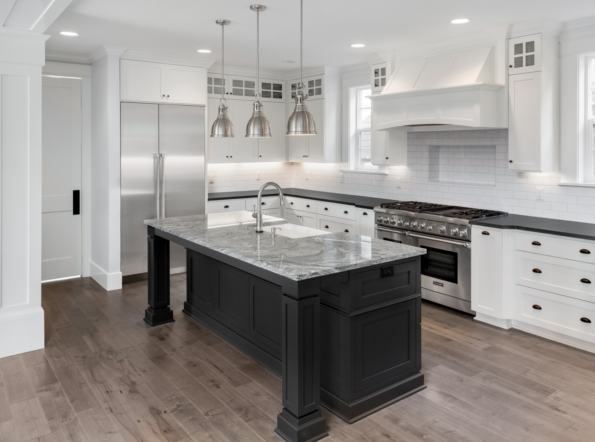
What Makes Granite Slabs the Ideal Choice for Kitchen Countertops? Granite slabs have long been a favorite for kitchen countertops, and for good reason. Their durability, beauty, and uniqueness make them a standout choice in the world of kitchen design. Whether you’re renovating an old space or creating a new one, granite countertops offer a blend of practicality and elegance that’s hard to match. This guide explores the top benefits of choosing granite slabs for your kitchen countertops, shedding light on why they continue to be a top pick for homeowners and designers alike.   Our Granite Slabs for Countertops Patagonia Sedona Granite Sierra Wave Granite Patagonia Retro Granite Azeroth Granite View All Our Stone Slabs Range for Countertops Rosado Quartzite Patagonia Sedona Granite Ijen Blue Quartzite Andor Dolomite View All 10 Benefits of Choosing Granite Slabs for Kitchen Countertops When considering upgrades for your kitchen, selecting the right countertops is crucial, both for the aesthetic appeal and the functional use of the space. Granite slabs have become a popular choice for homeowners seeking a blend of beauty, durability, and value. Here’s an expanded look into why granite stands out as an excellent choice for kitchen countertops. Exceptional Durability Granite is one of the hardest materials available for countertops, renowned for its resistance to scratching, chipping, and heat. This makes it an ideal surface for the kitchen, where the preparation of meals can put countertops through a lot of wear and tear. Its durability means that, with proper care, granite countertops can last as long as your home itself, resisting the kinds of damage that might necessitate costly repairs or replacements. Unique and Natural Beauty Each granite slab offers a unique pattern of colors, veins, and swirls, ensuring no two countertops are exactly alike. This natural beauty can turn your kitchen countertops into a stunning focal point of your home. The wide range of colors and patterns available allows for a high degree of customization, enabling homeowners to select a slab that perfectly complements their kitchen’s design and color scheme. Hygiene and Easy Maintenance Properly sealed granite countertops are non-porous, making them resistant to bacteria and staining. Regular cleaning is as simple as wiping down with a soft cloth, warm water, and mild soap. Unlike other materials that might require specialized cleaning products or methods, granite’s ease of maintenance is a significant advantage for busy kitchens. Stain and Moisture Resistance When sealed correctly, granite is highly resistant to stains and moisture—common concerns in the kitchen. This resistance helps protect the beauty and integrity of your countertops from the spills and splashes of everyday cooking and cleaning. Adds Value to Your Home Granite countertops are a coveted feature in homes, often increasing a property’s market value. This upgrade can make a home more attractive to potential buyers, should you decide to sell. Even if you plan to stay in your home for many years, the timeless appeal of granite ensures your kitchen remains modern and desirable. Heat Resistance Granite’s heat resistance is a significant benefit in the kitchen. You can place hot pots and pans directly on the surface without fear of damage, offering convenience and peace of mind during meal preparation. Variety of Finishes Granite countertops come in various finishes, such as polished, honed, and brushed, allowing homeowners to select the perfect look for their kitchen. Each finish affects the stone’s appearance and feel, from glossy and reflective to a more muted and textured surface.   Minimal Long-Term Maintenance Aside from periodic sealing to maintain its non-porous surface, granite requires little maintenance. This minimal upkeep is a boon for those who want to enjoy their kitchen without the worry of high-maintenance countertops. The Elegance of Natural Stone Granite brings the unmatched elegance of natural stone to your kitchen, offering a sense of luxury and sophistication that synthetic materials can’t replicate. Its rich textures and colors add depth and interest to your kitchen design. A Worthwhile Investment Though the initial cost of granite countertops may be higher than some other materials, their longevity, durability, and timeless appeal make them a cost-effective choice over the long term. A granite countertop is not just a purchase; it’s an investment in your home’s future, combining practical functionality with aesthetic appeal to create a space that is both beautiful and durable. Find the Perfect Stone for Your Project Not sure which stone will suit your kitchen, bathroom, or outdoor space? Explore our curated selection of natural stone slabs and get expert advice on the best choice for your design. View our Range Maintaining Your Granite Slabs for Kitchen Countertop To keep your granite countertops looking their best and to ensure their longevity, a little care and maintenance go a long way. Here are some essential tips: Regular Cleaning: The key to keeping granite countertops looking new is regular cleaning with the right products. Avoid acidic or abrasive cleaners which can damage the sealant and the stone itself. A mild soap and warm water are usually sufficient for daily cleaning, ensuring the surface remains spotless and hygienic. Immediate Spill Cleanup: Granite is resistant to stains, especially when sealed properly, but it’s still crucial to clean up spills immediately. Liquids like wine, coffee, and oil can seep into the surface if left unattended, leading to potential staining. Blotting the spill rather than wiping can prevent it from spreading further. Use Cutting Boards: While granite is scratch-resistant, it’s still a good practice to use cutting boards to protect the surface. Besides preventing potential scratches, cutting boards also help in maintaining the sharpness of your knives. Regular Sealing: Granite countertops should be sealed periodically to maintain their stain and moisture resistance. The frequency depends on the stone’s porosity and the level of kitchen activity. A simple water test can help determine when it’s time to reseal: if water droplets no longer bead on the surface, it’s time for a new coat. Avoid Standing Weight: Granite is incredibly strong and durable, but excessive weight in one spot can cause cracks. Avoid standing or sitting on countertops, and use supports for appliances or heavy pots that will sit on the

CONTINUE READING ➞

5 Stone Splashback Ideas For Your Kitchen

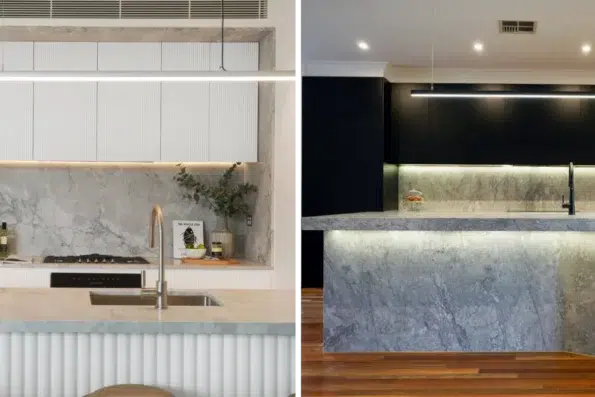
5 Stone Splashback Ideas For Your Kitchen Does your kitchen look boring? Want to make it better? You’re in the right place. With a stone splashback, you can make your kitchen pop and improve its look. A stone splashback is a great investment that’ll go behind your sink, stove, or countertop and prevent damage from things like water, grease, and food splatter. We have five ideas we want to show you that’ll make your jaw drop. Using this material for your splashbacks isn’t just visually appealing though, we’ll give you tips on how to clean and care for them so they stay shiny for years. Our Stone Slabs Range for Countertops Silver Patagonia Quartzite Sierra Wave Granite Patagonia Retro Granite Iceborne Quartzite View All 4 Reasons Why Your Kitchen Needs a Stone Splashback Before we dive into stone splashback ideas, let’s look at why you should even consider installing them in your kitchen. Here are six benefits: Durable and long-lasting: Stone is one of the most durable materials you can use for your kitchen. It can take a beating from heat, moisture, stains, scratches, and impacts better than most other materials. To add to that it doesn’t fade, warp, or crack over time. With some TLC, a stone splashback can last you years. Easy to clean and maintain: Cleaning a stone splashback is no problem thanks to its smooth surface. Just grab a damp cloth with some mild detergent when needed and wipe it down. No need to worry about grout lines or joints where dirt and bacteria can hide either. You also don’t need any special protection like special sealants or coatings. Versatile and customizable: Stone comes in many colours, patterns, textures, finishes and the rest of it you’d want for design options in your kitchen. Choose whatever natural stones you want like marble, granite or go for engineered stones like Quartz or Caesarstone if you want them to mimic the look of nature’s own creations (natural stones). Mix them together even if you want something completely different than others! You’re able to cut stone into whatever shape or size that your heart desires too! It is stylish and elegant: Stone has a timeless appeal that never goes out of fashion. It can add a touch of luxury and sophistication to your kitchen, and enhance its value and appearance. Whether you want a sleek and modern look or a warm and cozy feel, there is a stone splashback that matches your style and personality. Find the Perfect Stone for Your Project Not sure which stone will suit your kitchen, bathroom, or outdoor space? Explore our curated selection of natural stone slabs and get expert advice on the best choice for your design. View our Range 5 Stone Splashback Ideas For Your Kitchen You’ve been informed of all the good that comes with a stone splashback in your kitchen. But now you’re stuck between choosing one, that’s understandable. But don’t worry, here are five of the most beautiful stone splashbacks that you can try. Marble Stone Splashback Among materials you can use for your splashback, marble is one of the most classic and elegant choices. It has a shiny and smooth surface that reflects light, which gives off an airy and spacious feel. Your kitchen wouldn’t only have character added, but its veins and patterns are unique too. It comes in a range of colours such as black marble and white marble, making it versatile enough to match any style or theme. You can make your kitchen look very luxurious and sophisticated with a marble stone splashback. Granite Stone Splashback  Stone splashbacks made out of granite have become increasingly popular. This is due to the material’s strong and durable nature that can withstand heat, scratches, stains, and impacts with ease. It also creates depth and dimension with its rich texture. Granite isn’t limited to a single colour either. It comes in many shades including pink and black. With this, you can create a stark contrast or even a harmonious blend with cabinets and countertops, regardless if they’re earthy or vibrant. So if you want to make your kitchen look bold but dynamic, just choose granite for your stone splashbacks. Quartzite Stone Splashback Quartzite is a natural stone. It’s made from sandstone that gets exposed to high pressure and temperature. This helps it get a sparkling appearance that shimmers when light bounces off of it, so you can imagine how beautiful this must be to see. You’ll be happy to know that it’s smooth too! That means cleaning up after a meal won’t be as tough as it normally is with other surfaces since it has a non-porous surface. With many colours available for your choosing such as white and blue, you’ll definitely find something that pops out in your kitchen, making it look bright but glamorous at the same time. Limestone Stone Splashback A soft surface and mineral composition make limestone the perfect stone to use in your home for consistent warmth and coziness. If you’re looking for something that gives off an organic or rustic feel, then this is the way to go. It’s available in many colours, but beige and grey are the most common. One thing about limestone is it takes a kitchen from cold to inviting with just one choice alone. Porcelain Stone Splashback When it comes to your kitchen, a porcelain splashback is an excellent choice. It brings a modern and sleek look with its shiny surface and offers impressive strength, heat resistance, and resistance to stains. What’s great about porcelain is that it comes in a wide variety of colours, patterns, and finishes, allowing you to tailor your kitchen’s style to your liking. Whether you prefer a solid color that matches your kitchen’s decor or a unique pattern to add a touch of sophistication, porcelain splashbacks deliver a clean and contemporary appearance. Plus, they’re easy to keep clean and will last a long time. How to Clean and Maintain for Your Stone Splashback A stone splashback brisbane is easy to clean and maintain, but it still requires some care and attention to keep it

CONTINUE READING ➞
Granite Vs Quartzite

Granite Vs. Quartzite: Which Is Best For Kitchen Countertops?

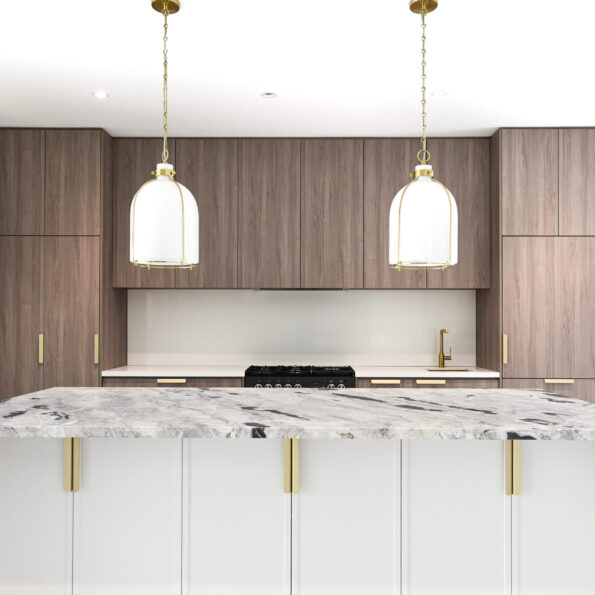
Granite Vs. Quartzite: Which Is Best For Kitchen Countertops? When choosing a natural stone countertop for your kitchen, you may find yourself wondering which one to go with: granite or quartzite. Both are great options that will enhance the beauty of your kitchen while being durable. However, there are some differences between them that should be considered before making a decision. We’ll be comparing the two in terms of durability, resistance, aesthetics, variety, color, and pattern. Tips on how to care and maintain your stone countertop will also be provided.   Our Granite Slabs for Countertops View All Our Granite Slabs for Countertops View All Our Quartzite Slabs For Countertops View All Our Quartzite Slabs For Countertops View All Our Stone Slabs Range View All Our Stone Slabs Range View All Granite Vs. Quartzite: Durability & Resistance Granite is one of the hardest stones you can find naturally. On the Mohs Hardness Scale, granite measures between a 6 and a 6.5. It consists of quartz, feldspar, and other minerals that give it strength and resistance to heat, scratches, stains, and chemicals. With proper care and sealing it can serve you for decades. Harder than granite is quartzite at a 7 on the Mohs Hardness Scale. It’s made from sandstone that’s been exposed to high pressure and heat. As a result, this stone is mostly composed of quartz crystals. Quartzite also has resistance against heat, scratches, stains, and chemicals too. However there are some types that contain calcium carbonate which can react with acidic substances and cause etching. Both stones are built differently but have similar benefits in terms of durability and resistance. A busy kitchen won’t even put a dent in them! But if we had to choose one over the other then we’d say that quartzite takes the cake because of its hardness and heat resistance alone Granite does have an advantage though over quartzite when it comes to stain and scratch resistance. Aesthetics and Variety Granite is known for its natural beauty and diversity. It can come in a very wide range of colors, textures, and patterns. You want soli black? You got it. Speckled white? Sure. Smooth to rough? Yep that too. Depending on your own personal taste, you have two choices: polished to a high gloss or honed to a matte finish. One thing is for certain with granite countertops though, none of them will be the same. Quartzite on the other hand has the beauty and versatility to rival granite. With veins and swirls of different colors and shades, it looks similar to marble. Quartzite also has a sparkling effect due to quartz crystals being caught up in its composition. It’s available in many colors too, like white, gray, pink and blue just to name a few. Want different looks? That’s achievable by either polishing or honing it. Both granite and quartzite are aesthetically pleasing and varied materials that can suit any kitchen style and design. However, quartzite may have a slight edge over granite in terms of elegance and sophistication, as it resembles marble more closely. On the other hand, granite may have an advantage over quartzite in terms of uniqueness and originality, as it has more variations and patterns. Color and Pattern Variations When choosing the material of your countertop, there are a few other things to think about. One of those things is color and pattern. You want it to look good with everything else in your kitchen like cabinets,Stone backsplash, and flooring. Granite can range from subtle to dramatic when it comes to color and pattern. Its composition of minerals and crystals allow it to have solid, speckled, or lined patterns. There’s also different levels of porosity. Every factor changes its texture and color. Some may have more pores than others which causes them to stain and get discolored easily. If you go with Quartzite instead then you’ll end up with a uniform look. It’s usually gray or white but can still have different colored veins running through it. Some flecks or sparkles may appear too adding some shine and dimension to the surface. You don’t have to worry about persistent liquids or stains ruining the material since it has low porosity. Both options will enhance your kitchen’s visual appeal with their variation in color and pattern. Granite might offer more contrast though due to its wide range of options and combinations. On the other hand quartzite might give off a more refined look as granite can be inconsistent at times depending on what you choose and how they’re placed in your kitchen. Cost When you’re thinking about getting a countertop, one of the earliest things that come to mind is the cost. Granite and quartzite aren’t just premium materials that make your kitchen look beautiful, but also expensive. To know the exact price on both you’ll need to factor in things like size, thickness, color, patterns, quality of the slab and any additional installation and fabrication fees. However, on average, you can expect to pay between $60 and $120 per square foot for granite countertops, and between $90 and $200 per square foot for quartzite countertops. Quartzite is generally more expensive than granite because it is rarer and harder to quarry and process. Porosity Another important thing to think about when you’re picking out a countertop is how well it deals with liquid. That’s not to say you should be expected to spill things often, but sometimes it will happen. It’s best to be prepared for when it does. Porosity is how much a material takes in liquids and stains. A substance that is porous can absorb liquids a lot quicker compared to one that isn’t. Granite and quartzite are both porous materials, so acid like wine, lemon juice, vinegar, and tomato sauce can easily stain them.But the upside here is that quartzite has higher density and lower water absorption than granite. As a result, it can resist more stains and etching. However, both granite and quartzite need sealing at least once every year to prevent staining

CONTINUE READING ➞
Natural Stone Splashbacks / Blue Marble Slabs

How to Choose the Right Kitchen Benchtop Colours

How to Choose the Right Kitchen Benchtop Colours Have you ever found yourself standing in your kitchen, sipping your morning coffee, and felt an inexplicable urge to change something? Maybe it’s the worn-out benchtop that’s been there for years, perhaps decades, silently bearing the weight of countless meals and memories. In these moments, it’s worth considering how a simple change of colour on your kitchen benchtop could breathe new life into your beloved cooking space. Choosing the right colour for your kitchen benchtop can transform your kitchen from drab to fab, adding value to your home and to your daily cooking experience. In this post, we’ll explore six stunning colours that could add that much-needed dash of magic to your kitchen. Each colour has its unique charm and practical benefits, fitting into various kitchen styles and personal preferences. Our Stone Slabs Range Silver Patagonia Quartzite Sierra Wave Granite Patagonia Retro Granite Iceborne Quartzite View All How to Choose the Right Colour for Your Kitchen Benchtop The kitchen, often considered the heart of the home, is a space where culinary magic happens. It’s where you brew your morning coffee, whip up meals, and gather with loved ones. If you’re considering a kitchen renovation, or just a simple refresh, choosing the right colour for your kitchen benchtop is a vital decision that can greatly influence the look and feel of this special space. Here’s a guide to help you navigate this exciting journey. Consider Your Kitchen Style The first step in choosing the right colour for your benchtop is to consider the overall style of your kitchen. Are you going for a modern, minimalist look, or do you prefer a rustic, country-style vibe? If you have a modern kitchen, sleek colours like black, white, or grey can add a touch of sophistication. For a rustic kitchen, consider earthy tones like brown or beige that can add warmth and charm. Think About the Existing Colours Look around your kitchen. What colour are your cabinets, walls, and floors? The colour of your benchtop should complement these existing colours, creating a harmonious palette. If your kitchen features lighter tones, a contrasting dark benchtop can create a stunning visual effect. Conversely, if your kitchen has dark cabinets and floors, a lighter benchtop can add balance. Consider Practicality While aesthetics are important, practicality is equally crucial. Some colours may show stains and scratches more than others. For instance, a white benchtop might show stains more easily, but it can make your kitchen look spacious and clean. On the other hand, darker colours like black or brown can hide stains and wear better, but they may make your kitchen feel smaller. Test Samples in Your Kitchen Colours can look different under various lighting conditions. What looks good in a showroom might not look the same in your kitchen. Bring samples home and observe them at different times of the day and under different lighting conditions. This will give you a more accurate idea of how the colour will look in your space. Follow Your Gut Finally, while it’s important to consider trends and expert advice, remember that this is your kitchen. Choose a colour that resonates with you and makes you feel happy. After all, you will be the one spending time in this space, creating memories and delicious meals. Find the Perfect Stone for Your Project Not sure which stone will suit your kitchen, bathroom, or outdoor space? Explore our curated selection of natural stone slabs and get expert advice on the best choice for your design. View our Range 6 Colors for your Kitchen Benchtop White Stone Benchtop Picture a pristine white stone benchtop, gleaming under the soft glow of your kitchen lights. It’s a canvas of potential, inviting you to unleash your culinary creativity. A white stone benchtop, whether it’s crafted from granite, marble, or quartz, is a timeless choice, bringing a sense of cleanliness and spaciousness to your kitchen. Its versatility is its charm, as it can seamlessly match any kitchen style, from rustic to modern. Plus, they are resistant to stains and scratches and are relatively easy to clean. Imagine the satisfaction of wiping down your white stone benchtop after a meal, restoring its sparkling cleanliness in no time. Black Stone Benchtop On the other end of the spectrum, imagine the bold statement a black stone benchtop can make in your kitchen. This modern, edgy choice, perfect for a minimalist kitchen, communicates a sense of chic sophistication. Whether it’s made from granite, quartz, or soapstone, a black benchtop can serve as a striking centrepiece, imbuing your kitchen with a distinctive character. And practicality? Black benchtops excel at hiding stains and spills and are durable enough to last for years, saving you both time and energy in maintenance. Blue Stone Benchtop Blue is the colour of the sky and the sea, evoking feelings of calm and serenity. Incorporating a blue stone benchtop in your kitchen can bring a touch of vibrancy and freshness to your everyday cooking space. From the deep hues of lapis lazuli to the subtle tones of blue quartzite, a blue stone benchtop can add a refreshing pop of colour to your kitchen. Plus, being non-porous, it’s resistant to heat and scratches, ensuring your kitchen stays beautiful for longer. Pink Stone Benchtop If you’re after a touch of whimsy and charm, a pink stone benchtop might just be the perfect fit. Conjuring images of blooming roses and cotton candy skies, a pink stone benchtop can add a dash of fun and a feminine touch to your kitchen. Whether it’s the subtle elegance of rose quartz, the striking patterns of pink marble, or the robustness of pink granite, there’s a shade of pink that can truly make your kitchen unique. Just like our previous contenders, pink stone benchtops are also resistant to heat and scratches and are easy to clean, ensuring your kitchen is as practical as it is pretty. Brown Stone Benchtop For those seeking a more rustic, natural vibe,

CONTINUE READING ➞
Dolomite Countertops

Why Consider Dolomite Countertops for Your Kitchen Renovation?

Why Consider Dolomite Countertops for Your Kitchen Renovation? Choosing the right benchtop material is one of the most important decisions in any kitchen renovation. Dolomite countertops have become a popular choice among Australian homeowners, and it is easy to see why. This natural stone delivers a refined, marble-like appearance alongside genuine durability, making it a compelling option for both busy family kitchens and those with a taste for understated luxury. At Avant Stone, we have helped countless Sydney and Newcastle clients explore dolomite, and this guide covers everything you need to know before making your decision. Our Dolomite Slabs for Countertops Flinders White Dolomite $0.00 SlabSlab A Andor Dolomite $0.00 SlabSlab A Saint Tropez Dolomite Damascus Dolomite $0.00 SlabSlab A View All Our Dolomite Slabs for Countertops View All Our Dolomite Countertops Range View All Our Dolomite Countertops Range View All Factors to Consider Before Selecting Dolomite Countertops Opting for dolomite for your kitchen renovation is about more than following a trend. It is about finding a material that genuinely suits your lifestyle, budget, and design vision. Here is what to keep in mind. Durability and Maintenance Dolomite slabs hold up well to daily kitchen use, though they are slightly softer than granite and require regular sealing to resist stains and scratches. Factor in routine maintenance before committing. Aesthetic Preferences Dolomite is prized for its silky texture, fine veining, and white and grey tones. Consider how those tones will sit alongside your cabinetry, flooring, and overall kitchen palette. Budget Dolomite generally comes in at a lower price point than marble, though costs vary with slab thickness and quality. Have a clear budget that accounts for both initial outlay and long-term maintenance. Heat Resistance Dolomite countertops handle heat reasonably well, though a trivet or heat pad is always recommended to protect the surface and keep it looking its best for years to come. Environmental Impact As a natural rock, dolomite requires less energy to produce than synthetic materials. That said, transportation of stone slabs does carry a carbon footprint, so choosing a supplier with considered sourcing practices matters. Find the Perfect Stone for Your Project Not sure which stone will suit your kitchen, bathroom, or outdoor space? Explore our curated selection of natural stone slabs and get expert advice on the best choice for your design. View our Range Super White Dolomite: A Showroom Favourite If you have been searching for a dolomite with a bright, crisp, almost luminous quality, Super White Dolomite is the stone most homeowners fall for the moment they see it in person. With a predominantly white background and delicate grey veining, the Super White Dolomite slab reads almost like a fine Carrara marble, which is exactly why interior designers reach for it so often. Super White stone sits in a unique category: it is classified as a dolomite in some markets and a quartzite in others, depending on the specific slab composition. What that means practically is that it tends to offer slightly better hardness than a typical dolomite benchtop, while still delivering that clean, refined aesthetic most clients are after. It pairs beautifully with timber cabinetry, white joinery, and brushed brass hardware. Visit our Sydney or Newcastle showroom to see Super White Dolomite slabs in person and experience the difference that natural variation makes from piece to piece. Austral Dream Dolomite: Drama Meets Versatility Austral Dream is one of the most talked-about stones we stock, and for good reason. Austral Dream Dolomite features a warm white to soft grey background with bold, flowing veins that bring genuine movement and depth to a kitchen benchtop or feature wall. The veining is more pronounced than Super White, giving it a character closer to a statement marble without the maintenance demands of a true calacatta. Austral Dream stone works beautifully as a kitchen benchtop in both contemporary and classic schemes. Its natural warmth makes it particularly well-suited to kitchens with oak or walnut cabinetry, and it holds its own as a bathroom vanity or feature wall too. Like all dolomite, it benefits from regular sealing and careful day-to-day care. If you are weighing up Austral Dream dolomite against other options in our range, our team can walk you through both slabs side by side so you can see the difference in person. Pros and Cons of Dolomite Countertops When considering dolomite for your kitchen renovation, weighing the advantages and disadvantages ensures you make a choice that aligns with your expectations and lifestyle. Here are the key pros and cons: Pros: Aesthetic Appeal Dolomite countertops carry a sophistication that few other materials match, with natural veining and tonal variation that suits both classic and contemporary kitchens. Durability While not as hard as granite, dolomite offers solid scratch and chip resistance that makes it a practical choice for kitchen use. Heat Resistance Dolomite handles moderate heat well, holding up to everyday kitchen activity without issue when basic protection is used for very hot items. Cost-Effective Compared to premium marble, dolomite delivers a similar aesthetic at a more accessible price point, making it a smart choice for those wanting natural stone character without the highest price tag. Cons: Maintenance Requirements Dolomite countertops need resealing regularly to stay protected against staining and etching. This is a key consideration for busy households. Softness Relative to Granite Dolomite can scratch more readily than granite under heavy use, so cutting directly on the surface is not recommended. Limited Color Range Dolomite’s natural palette sits in the white and grey spectrum. If you are looking for bolder colour variation, other stones may suit you better. Availability Sourcing quality dolomite slabs can require a specialist supplier. At Avant Stone, we stock a curated range across our Sydney and Newcastle showrooms so you can view real slabs before deciding. Frequently Asked Questions (FAQs) Is Dolomite good for kitchen countertops? Yes, dolomite is a genuinely excellent option for kitchen countertops. It delivers the refined, marble-like appearance many homeowners are after, backed by solid durability for daily kitchen use.

CONTINUE READING ➞
Granite slab

How to Select the Perfect Granite Slab for Your Kitchen Project?

How to Select the Perfect Granite Slab for Your Kitchen Project? Selecting the ideal granite slab for your kitchen project is more than just picking a color that catches your eye; it’s about understanding the unique characteristics of this natural stone and how it can best complement your space. Granite slabs offer a combination of durability and beauty unmatched by other materials, making them a popular choice for kitchen benchtops worldwide, including Australia.   Factors to Consider Before Selecting Granite Slab For Your Kitchen Project Color and Pattern Consistency: Granite is renowned for its vast array of colors and intricate patterns. Consider whether you prefer a slab with a consistent pattern or one with more variation to add a unique character to your kitchen. Slab Thickness: The thickness of the granite slab plays a critical role in its durability and installation. Typically, slabs come in two thicknesses, 2cm and 3cm, each offering different benefits in terms of strength and application. Finish Type: Granite can be finished in several ways, including polished, honed, or leathered, each providing a different look and feel. Decide on the finish that best complements your kitchen’s design and your lifestyle needs. Sealing Requirements: While granite is naturally resistant to stains, certain slabs may require sealing to protect against spills and stains. Consider the maintenance required to keep your granite benchtop looking pristine. Budget: Granite slabs vary significantly in price based on their rarity, thickness, and finish. Set a realistic budget for your project while considering the long-term value granite adds to your home. Find the Perfect Stone for Your Project Not sure which stone will suit your kitchen, bathroom, or outdoor space? Explore our curated selection of natural stone slabs and get expert advice on the best choice for your design. View our Range How to Choose the Perfect Granite Slabs for Your Kitchen Selecting the right granite slab for your kitchen isn’t just about finding a color or pattern you love; it’s about understanding how that piece of natural stone will fit into the daily life of your home. When embarking on this journey, several nuanced considerations come into play: Visual Harmony Begin by assessing the overall aesthetic of your kitchen. Consider the colors of your cabinets, walls, and floor. A granite slab should not only match but enhance these elements. For a harmonious look, decide whether you’re aiming for a slab that stands out as the focal point or one that complements the existing decor subtly. Lighting Lighting plays a pivotal role in how the granite’s color and pattern are perceived. Natural light can dramatically alter the appearance of your granite benchtop, making it vital to consider the amount and type of light your kitchen receives throughout the day. A darker slab might look striking under ample sunlight but could appear overwhelming in artificially lit or smaller kitchens. Pattern and Color Consistency Granite slabs vary greatly in terms of pattern consistency and color distribution. Some slabs feature large, bold patterns, while others are more subtle. Consider how the slab’s pattern will flow across your kitchen counters and whether you prefer a dramatic statement piece or a more understated look. Finish The finish of your granite slab affects not just its appearance but also its maintenance and usability. Polished finishes are glossy and highlight the color and texture of the granite, whereas honed finishes offer a matte look that conceals scratches but can be more susceptible to staining. Leathered finishes provide a textured feel that hides fingerprints and smudges, making them practical for high-traffic areas. Slab Viewing and Selection Photos and samples can only tell you so much. To truly understand the beauty and intricacies of a granite slab, viewing it in person is essential. This allows you to see the full slab, inspect it for any imperfections, and visualize how it will integrate into your kitchen. Don’t hesitate to visit multiple suppliers to find the perfect piece. How to Care for and Maintain Your Granite Surfaces Maintaining the pristine condition of your granite surfaces requires a combination of regular care and mindful usage practices. Here’s how to ensure your granite kitchen benchtops remain beautiful and functional over the years: Daily Cleaning  For daily maintenance, use a soft cloth and a mild detergent or a cleaner specifically formulated for natural stone slabs. Avoid acidic cleaners, which can etch the surface, and abrasive pads, which can scratch the finish. Wiping up spills immediately will prevent potential staining, especially from acidic substances like wine, coffee, and citrus juices. Sealing Although granite is naturally resistant to moisture absorption, some lighter-colored slabs may be more porous and require periodic sealing. A simple water test—sprinkling water on the surface and observing how quickly it absorbs—can indicate whether your granite needs sealing. Consult with your fabricator or installer for recommended sealants and sealing frequency to protect against staining. Preventing Damage While granite is known for its durability, taking precautions can prevent unnecessary wear and tear. Use trivets or mats under hot dishes and cookware to avoid thermal shock. Cutting directly on granite is not recommended as it can dull your knives; always use a cutting board. Repairing Minor Damage In the event of small chips or scratches, repair kits are available for minor fixes. For more significant damage, professional restoration services can grind down and repolish the surface, restoring it to its original condition. Frequently Asked Questions (FAQs) Which granite slab is best for kitchen? The best granite slab for your kitchen combines the ideal blend of color, pattern, and durability to meet your aesthetic and functional needs. Popular choices often feature neutral tones with subtle patterns, offering versatility across various kitchen styles. Is it cheaper to buy a slab of granite? Buying a whole slab of granite can offer cost savings for large projects by reducing waste and matching patterns across seams. However, for smaller projects or single stone kitchen benchtops, remnants from larger slabs can provide a cost-effective alternative. Which Colour granite is best for kitchen? The best color for

CONTINUE READING ➞

What Are the Top Heat-Resistant Natural Stones for Kitchen and Fireplace Use?

What Are the Top Heat-Resistant Natural Stones for Kitchen and Fireplace Use? When considering designing your kitchen or your fireplace, the first thing you should consider are materials that can withstand incredibly high temperatures. Materials used as surfaces are exposed to high temperatures as a result of cooking food or an open fire, so only the toughest, most heat-resistant natural stone should be used in those parts. Such stones resist breakage due to high temperatures without damage and increase the elegance of your home. This guide will help you learn about the best heat-resistant natural stones for your kitchen tops and fireplace surrounds. Our Stone Slabs Range Silver Patagonia Quartzite Sierra Wave Granite Patagonia Retro Granite Iceborne Quartzite View All Why Choose Heat-Resistant Natural Stones for Kitchens and Fireplaces? Selecting heat-resistant natural stones for kitchen countertops and fireplaces is quite important for both safety and longevity. These stones are capable of handling such high temperatures in these areas and provide an efficient and really nice-looking solution for your house. Durability and Longevity Heat-resistant natural stones for Kitchen are incredibly hard-wearing. The stones will never crack from extreme heat, chip, or discolour; hence, they are fitting for use around kitchens and fireplaces. This fact about durability in turn guarantees that your investment will last for years, with minimal requirements of repairs or replacements. Aesthetic Value Heat-resistant stones give classy feel beyond the functional advantages. From timeless elegance to silky, rough beauty, such as granite and soapstone, these materials are sure to complement your kitchen’s and fireplace’s interior decor. With such a wide variety of colours and patterns, choosing a stone to either match or complement your interior design isn’t much of an issue since it will also give you heat resistance. Safety Considerations Heat-resistant stones reduce the outbreak of fires in extremely heated areas. This is so because the stones are manufactured to be resistant to thermal stresses caused by cooking or heating, hence protecting the surface and keeping it intact. In the event of fire outbreak in fireplaces, this kind of stone may prevent the spread of flames and heat damage to surrounding materials. Low Maintenance Requirements Most of these heat-resistant natural stones for Kitchen require very little maintenance; simple cleaning and periodic sealing will keep them in good condition. The stones will stay beautiful and functional with very little upkeep compared to other materials, so their usage becomes convenient, especially in busy households. Find the Perfect Stone for Your Project Not sure which stone will suit your kitchen, bathroom, or outdoor space? Explore our curated selection of natural stone slabs and get expert advice on the best choice for your design. View our Range Best Heat-Resistant Natural Stones for Kitchen Countertops While picking the right material for your kitchen countertops and fireplaces, one reaches out for heat-resistant natural stones. The stones are bound to provide the much-needed strength to withstand high temperatures and add a touch of class to the home. Some of the highly recommended heat-resistant stones for these areas include: Granite: A Versatile and Durable Choice Granite is used very frequently for kitchen benchtops and surrounds for fireplaces. It has been associated with heat resistance since granite benchtops in kitchens can bear extremely high temperatures from thermal shock coming off pots and pans and withstand flames without damage. It is also highly resistant to scratches and spills, so it makes for a practical addition to any busy kitchen. Granite stone fireplaces are also extremely luxurious-looking and timeless; their appearance will never be outdated. Quartzite: A Mix of Strength and Elegance Quartzite is a natural stone that combines the strength of granite with the elegance and appearance of marble. It’s very hard, so it’s heat-resistant and scratch-resistant. Quartzite countertops are perfect for kitchens where durability and beauty are both desired in a space. The natural veining and wide colour range this stone comes in add sophistication to any space. Besides, quartzite is good for fireplace surrounds, since it is resistant to heat and will last as long as it looks great. Marble: Elegant and Heat-Resistant Marble brings an elegance that is timeless, allowing it to be the number one choice for any kitchen or fireplace design. Although marble is heat-resistant up to a point, it has less hardness compared to granite and quartzite, so it scratches and stains more easily. Nevertheless, marble countertops and fireplace surrounds are for appearance, provided they are well taken care of and the areas of direct exposure to heat are less frequent. Limestone: A Softer Yet Stylish Option Limestone gives such a reserved look; it is completely unique for kitchen countertops and fireplace surrounds, among other stones. Although this stone is very resistant to medium temperature changes, it will take a little more careful maintenance for resistance to scratches and stains. Its light, neutral shades are ideal for creating a bright and spacious place, but limestone will be best used for kitchens and fireplaces with a low degree of heat. Slate: A Practical, Aesthetic Choice Slate is also a naturally heat-resistant stone that is very suitable for use in kitchens and fireplaces. Slate is renowned for its cleft surface and dark, rich colours. It resists heat very well and presents no problems at all to resist daily cooking or the heat from a blazing fire. Slate countertops and fireplace surrounds, besides adding utility, also add a touch of rustic beauty. With great aesthetics, varied colours, and varied styles, besides, slate is relatively low-maintenance. How to Maintain Heat-Resistant Natural Stones Even more resistant natural stones for Kitchen need proper care to ensure appearance and durability. Here are some ways to look after your kitchen countertops and fireplace surrounds, so they can last as long as possible. Regular Cleaning Regular cleaning will keep all your natural stone surfaces as good as new. Clean with a mild, pH-neutral cleaner using a soft cloth, and then wipe your benchtops and fireplace surrounds. Be cautious not to use any kind of abrasive cleaners or tools that might

CONTINUE READING ➞
Wishlist
Recently Viewed
Categories