The Pros and Cons of Using Porcelain Slabs in Your Kitchen
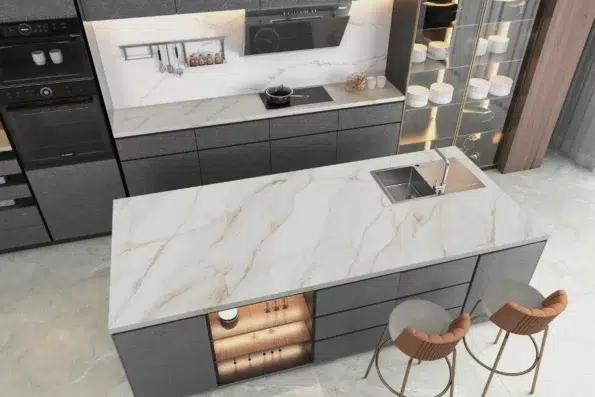
The Pros and Cons of Using Porcelain Slabs in Your Kitchen Porcelain slabs are very much in trend these days for kitchen countertops and splashbacks because of their sleek look, durability, and numerous design options. However, like any other material, porcelain has both positives and negatives. By knowing these pros and cons, you can decide whether or not porcelain is the right option for your kitchen. In this article, we’re going to take a look at the major advantages and possible downsides of using porcelain slabs in your kitchen. By the end, you’ll have a better idea of how this material can enhance your kitchen and what you need to consider before investing in it. Find the Perfect Stone for Your Project Not sure which stone will suit your kitchen, bathroom, or outdoor space? Explore our curated selection of natural stone slabs and get expert advice on the best choice for your design. View our Range What is Porcelain? Porcelain is a type of ceramic produced from finely ground materials such as clay, quartz, and feldspar. It is fired at very high temperatures, making it denser and more durable than standard ceramic tiles. Porcelain slabs are large and thin, available in a wide range of finishes, colours, and patterns—making them an ideal option for various kitchen applications. The Pros of Using Porcelain Slabs in Your Kitchen Durability and Strength Durability is one of the greatest advantages of porcelain slabs. After firing, porcelain becomes highly resistant to scratches, stains, and general wear. This makes it ideal for high-traffic areas such as kitchen countertops, where spills, knife cuts, and frequent use are common. Porcelain is also heatproof, meaning it can withstand heat from pots, pans, and baking dishes without suffering damage. This high level of resilience makes it perfect for those who use their kitchen regularly. Low Maintenance Porcelain slabs require minimal care, making them ideal for busy kitchens. Unlike natural stone materials such as granite or marble, which are porous and require periodic sealing, porcelain does not need sealing. It’s easy to clean—usually with just a damp cloth and mild detergent. Thanks to its non-porous surface, stains can’t penetrate, and spills can be wiped away easily without leaving marks or discolouration. Variety of Styles and Finishes Another major benefit of porcelain slabs is the variety of designs available. Whether you prefer a traditional or modern minimalist style, there’s a colour, pattern, and finish to suit your preferences. Porcelain can also be manufactured to resemble luxury materials such as marble or concrete, giving you a high-end look without the high-end cost. Heat and Scratch Resistance Porcelain slabs are highly resistant to both heat and scratches, making them ideal for a busy kitchen environment. They can handle hot pots, pans, and baking dishes without becoming damaged or discoloured. Their scratch resistance means daily tasks like chopping and slicing won’t leave permanent marks. This durability helps maintain that sleek, polished look even with heavy use. Sustainability Porcelain slabs are made from natural, abundant materials such as clay, feldspar, and quartz. The manufacturing process is energy-efficient, and many porcelain products are created with sustainability in mind. Additionally, porcelain is 100% recyclable, minimising its environmental impact. Using porcelain in your kitchen helps reduce waste, making it a great choice for those looking to create an eco-friendly space without compromising on style or quality. The Cons of Using Porcelain Slabs in Your Kitchen Heavy and Difficult to Install Although porcelain is highly durable, it is also quite heavy, which can make installation challenging. The slabs often require professional handling to avoid cracking during transport or installation. If you plan to install them yourself, be aware of their weight and the potential need for specialist tools. Cold to the Touch One potential drawback of porcelain slabs is that they can feel cold on cooler days. Unlike materials such as timber or even granite, porcelain doesn’t retain warmth, which may feel uncomfortable during long periods of food preparation. While this is mostly a matter of comfort and not functionality, it’s worth considering if you spend a lot of time in the kitchen. Cost Although porcelain slabs are generally more affordable than high-end materials like marble or granite, they can still be expensive compared to budget-friendly options like laminate or timber benchtops. Costs typically range from $50 to $100 per square foot, depending on the style and thickness. Professional installation is often necessary due to the weight, adding to the overall expense. That said, porcelain’s durability and low maintenance can offer a worthwhile long-term investment. Vulnerability to Impact While porcelain is tough, it can be vulnerable to chipping or cracking from high-impact events. Dropping a heavy pot, knife, or kitchen tool may damage the surface. It’s important to take care around porcelain surfaces to avoid chips, which can be difficult to repair. Although it resists stains and scratches, impact damage can be more noticeable and problematic. Limited Edge Design Options Porcelain slabs do offer some edge variation, but not to the same extent as natural stones like granite or quartz. While simple, sleek edges are common, more intricate or custom profiles are harder to achieve. If you prefer detailed or decorative edge designs, porcelain may not offer the flexibility you’re looking for. This limitation could affect the overall aesthetics, especially for those who want a personalised touch. Ways to Maintain Porcelain Slabs Maintaining porcelain slabs is relatively straightforward, but proper care helps them stay in top condition for years. Here are a few maintenance tips: Regular Cleaning: Use a damp cloth and mild detergent to wipe the surface daily. Avoid harsh chemicals that can dull the finish. Avoid Abrasive Cleaners: Stick to non-scratching cleaning agents. Abrasive pads or aggressive scrubbing can wear down the surface over time. Use Coasters and Trivets: To protect the surface from impact or extreme heat, always use coasters for cups and trivets for hot pots or pans. Immediate Spill Cleanup: While porcelain is stain-resistant, it’s still a good idea to clean up spills—especially acidic