Honed vs Polished Stone Finish

Honed vs Polished Stone: Which Finish Is Right for You?

Honed vs Polished Stone: Which Finish Is Right for You? The choice of stone for your home or business surfaces is one of the most crucial decisions you can make. Even more important is the finish applied to that stone. A honed or polished finish remains one of the most popular options for natural stones—especially marble and tiles. But what do these finishes mean? How do they differ? And, most importantly, which finish suits you? This article takes you through everything you need to know about honed finishes, polished stone alternatives, and the key differences between honed marble and polished marble so that you can make an informed decision and select the finish that best meets your needs. Find the Perfect Stone for Your Project Not sure which stone will suit your kitchen, bathroom, or outdoor space? Explore our curated selection of natural stone slabs and get expert advice on the best choice for your design. View our Range What Is a Honed Finish? A honed finish is a type of stone surface that appears smooth yet non-polished. It is produced by sanding the stone with specialised abrasives until it feels soft to the touch. Honed stone looks more natural and less flashy than polished stone, which has a glossy, mirror-like surface. A honed finish is often described as matte or silky. Because it reflects very little light, it is ideal when you want a subtle, low-sheen look. The finish also reveals the stone’s true colour and texture without glare. For these reasons, honed finishes work well on floors and on other areas where you want a refined surface that is not slippery. What Is a Polished Finish? A polished finish is achieved by grinding and buffing the stone until the surface becomes highly reflective—almost mirror-like. This process closes most surface pores, intensifies the stone’s natural colour and veining, and delivers a sleek, luxurious look. Because polished stone reflects more light, it brightens indoor spaces and creates a sense of refinement. However, the glossy surface can become slippery when wet and will readily show scratches or etching, so it is best suited to dry, low-traffic areas or feature walls where maximum visual impact is desired. Honed Stone vs Polished Stone: Which Is Better? Selecting between honed and polished stone is a significant step when choosing a finish for your home or commercial space. Each finish has its advantages; your final decision should consider style, usage, and maintenance needs. Look and Style Honed: After honing, stone becomes soft and matte. It remains smooth but does not shine, providing a natural and relaxed atmosphere—perfect for minimalist, rustic, or organic décor. Polished: Polished stone is shiny and mirror-like. It enhances colour and veining, offering a striking, luxurious appearance. If you want a glossy, eye-catching finish, polished stone is the answer. Slip Resistance and Safety Honed: Honed finishes are less slippery than polished finishes, reducing risk in wet environments such as bathrooms, kitchens, and pool surrounds. The matte surface improves underfoot grip. Polished: Polished stone can be slippery when wet and is better suited to dry, low-traffic areas such as living rooms or feature walls. Maintenance and Life Span Honed: Honed stone conceals scratches, fingerprints, and minor marks better than polished stone, making it ideal for busy areas or households with children and pets. However, honed surfaces are slightly more porous and may need sealing to prevent stains. Polished: Polished stone looks rich and lustrous but requires regular cleaning to maintain its shine. It is also more likely to show scratches and etching. Honed vs Polished Stone Slabs: Durability and Care Tips Understanding honed vs polished tile involves comparing durability and ease of care. Both finishes perform well, but your decision depends on your maintenance preferences and how you use the space. Wear and Surface Strength Honed: A matte surface hides the scratches and scuffs common in high-traffic areas such as hallways, kitchens, and bathrooms. Because defects are less visible, honed stone slabs keep a neat appearance for longer. Polished: Polished stone slabs, in contrast, readily display scratches, chips, and etching due to their glossy surface in busy spaces. Over time, they may need professional refinishing to restore their original look. Safety and Slip Resistance Honed: Slip resistance is critical where moisture is present. Honed stone slabs have a textured, matte surface that reduces the chance of slips and falls, making them suitable for bathrooms, laundries, kitchens, and poolside areas. Polished: Polished stone slabs can be very slippery when wet. Without rugs or an anti-slip coating, they are less suitable where moisture is common. If safety is a priority—especially for children or older adults—honed stone slabs are the safer option. Maintenance and Cleaning Honed: Honed stone slabs are easier to keep tidy because their matte finish shows less dust, water spotting, and fingerprints. They are more porous, though, and may absorb stains if not sealed correctly. Regular sealing is essential. Polished: Polished stone slabs are less absorbent, but their smooth finish makes marks and smears highly visible. They require frequent cleaning to retain their shine. Both finishes should be cleaned with pH-neutral cleaners, and surfaces should be resealed periodically to preserve integrity. Final Thoughts Choosing between honed and polished marble or tile comes down to personal style, practical needs, and where the material will be used. Honed stone slabs, with their anti-slip, low-sheen finish, excel in areas where safety and subtlety are essential, such as kitchens, bathrooms, and outdoor spaces. Polished stone, on the other hand, delivers a bold, refined statement in dry, low-traffic zones. By weighing aesthetics, maintenance, and slip resistance, you can select a natural-stone finish that remains both attractive and functional for years. FAQs How does honed tile differ from polished tile? The main difference is the finish. Honed stone slabs have a smooth, matte surface with minimal gloss, whereas polished stone slabs are glossy and reflective. Honed stone slabs look more natural and offer better slip resistance; polished stone slabs highlight colour and veining for a luxurious appearance. Are

CONTINUE READING ➞
Quartzite Countertops

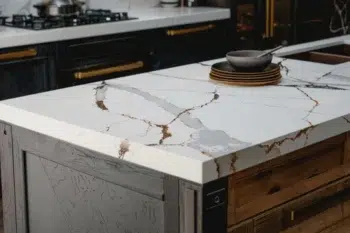
Quartzite vs. Porcelain Countertops: Which One Is the Best

Quartzite vs. Porcelain Countertops: Which One Is the Best? For bathroom or kitchen countertops, porcelain or quartzite are the most well-recognised options. Both provide long-lasting style and quality despite differences in their composition, maintenance, and performance. To make a wise decision based on your budget and lifestyle, you need to understand the main differences between these materials. This blog outlines the key features of each so choosing the best quartzite or porcelain solution for your room is simpler. Find the Perfect Stone for Your Project Not sure which stone will suit your kitchen, bathroom, or outdoor space? Explore our curated selection of natural stone slabs and get expert advice on the best choice for your design. View our Range Understanding Quartzite Countertops What Is Quartzite? Quartzite is a natural stone formed from sandstone subjected to extreme heat and pressure, making it a metamorphic rock. Its distinctive, natural grain and design resemble marble but offer greater durability. Quartzite is popular for kitchen and bathroom surfaces because of its inherent beauty and strength. Benefits of Quartzite Countertops Quartzite offers several advantages, including high resistance to heat and scratches. Its natural chemical makeup generally makes it more wear-resistant than granite. Quartzite is less likely to etch from acidic foods like vinegar or lemon, unlike marble. The many natural patterns of quartzite add refinement and classic appeal to any room. Maintenance and Care for Quartzite To keep quartzite countertops looking good and lasting long, regular care is necessary. Sealing the countertop at least once a year prevents stains and water damage. Spills, especially acidic substances like lemon juice or wine, should be cleaned immediately. Use mild, pH-neutral cleaners and avoid harsh or chemical-based products that could harm the surface. Using cutting boards and trivets also protects quartzite from heat damage and scratches from daily use. Exploring Porcelain Countertops What Is Porcelain? Porcelain countertops are made by heating a highly compressed mixture of natural clay and minerals at very high temperatures. This process produces a solid, non-porous surface that resists stains, heat, and scratches. Porcelain slabs are versatile, available in many finishes and designs, and come in large sizes suitable for modern interiors. Advantages of Porcelain Countertops Porcelain is known for its low maintenance and durability. Its non-porous surface is ideal for hygienic settings like kitchens, resisting stains and bacterial growth. Porcelain countertops are heat resistant, so hot pots and pans can usually be placed directly on them. Porcelain also offers many design options by mimicking the look of real stone, wood, or concrete. Caring for Porcelain Countertops Porcelain countertops require little effort because they do not need sealing. Cleaning with mild detergent and warm water is easy and effective under normal conditions. Avoid harsh cleaners or abrasive pads that can scratch or dull the surface over time. Porcelain does not dissolve under most common household chemicals, so regular cleaning products do not harm it. Promptly wiping spills keeps the countertop looking good and prevents residue buildup, ensuring a longer lifespan and a polished appearance. How Quartzite and Porcelain Stand Up to Wear Heat Resistance Both porcelain and quartzite countertops have excellent heat resistance, making them suitable for kitchens. Quartzite’s natural mineral composition allows it to withstand high temperatures without damage. Porcelain, fired at very high temperatures, resists heat well and tolerates sudden temperature changes without cracking. Scratch and Impact Resistance Porcelain usually offers superior scratch resistance due to its dense, hard surface that is less prone to chipping or scratching. Quartzite is also durable and resistant but, as a natural stone, may occasionally chip or crack under strong impact. Stain Resistance Porcelain’s non-porous surface makes it highly resistant to liquids and stains, preventing absorption and easing spill cleanup. Quartzite is naturally more porous and requires sealing to protect against stains from acids, alcohol, or oils. Without sealing, quartzite can stain permanently. Longevity and Durability With proper care, both materials last for many years. Quartzite’s natural strength allows it to endure heavy use over time. Porcelain’s engineered composition offers long-lasting durability with minimal maintenance. However, porcelain can be more brittle, so careful handling is important to avoid cracks during installation or use. Design and Aesthetic Considerations Appearance and Aesthetic Appeal Quartzite features natural, unique veining and colour variations, offering an elegant, authentic stone look. Porcelain comes in a wide range of designs, including realistic stone and wood finishes with uniform colours and textures, suitable for modern, sleek designs. Surface Thickness and Weight Quartzite slabs are generally thicker and heavier, requiring careful handling and strong cabinets during installation. Porcelain slabs are thinner and lighter, making them easier to move, install, and suitable for kitchens or renovations with weight limits. Design Consistency Quartzite’s natural formation means each slab has unique patterns and colour variations, resulting in a varied but striking appearance. Porcelain manufacturing ensures consistent colour and patterns between slabs, ideal for those wanting smooth, uniform surfaces without natural inconsistencies. Installation Complexity and Cost Quartzite installation is more complex due to slab weight and thickness, often requiring skilled installers and reinforced cabinets, which raises costs. Porcelain is easier and quicker to install because of its lighter weight and lower profile, often reducing installation time and expense while still providing a durable finish. Cost Comparison and Value Upfront Cost Differences Quartzite countertops tend to be more expensive initially because they are natural stones that require quarrying, cutting, and finishing. The unique patterns and slab thickness add to the cost. Porcelain countertops are generally more affordable due to their manufactured process allowing regular sizing and designs. However, porcelain pricing varies depending on slab quality, thickness, and finish. Long-Term Value Quartzite offers timeless natural beauty that can increase home resale value, especially for those who prefer real stone surfaces. Its longevity spans decades with proper care. Porcelain is a practical choice for busy households due to its resistance to heat, stains, scratches, and minimal upkeep. Both materials provide excellent long-term value; the best choice depends on balancing ease of maintenance with aesthetic preference. Conclusion Quartzite and porcelain countertops are

CONTINUE READING ➞
Marble Benchtops in kitchen

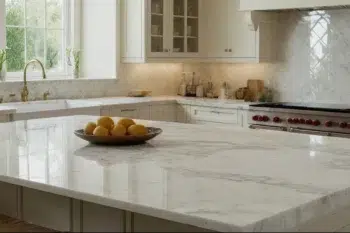
The Pros and Cons of Marble Benchtops in the Kitchen

The Pros and Cons of Marble Benchtops in the Kitchen Marble benchtops are a common choice among homeowners as they provide classic elegance and natural beauty to any kitchen. At Avant Stone, we supply luxury marble slabs with distinctive veining and great visual appeal. Marble requires constant maintenance to prevent stains and etching, even though it enhances kitchen aesthetics and provides a cool surface perfect for cooking. It is softer than other stones, so it is more likely to scratch. However, with correct care and sealing, marble benchtops can be a long-lasting feature. Avant Stone offers a large range of options and professional guidance if you’re looking for quality stone for your kitchen. This guide examines the benefits and drawbacks of marble benchtops to help you make an informed decision. Find the Perfect Stone for Your Project Not sure which stone will suit your kitchen, bathroom, or outdoor space? Explore our curated selection of natural stone slabs and get expert advice on the best choice for your design. View our Range What Makes Marble Benchtops So Appealing? Natural Beauty That Elevates the Kitchen Aesthetic Marble’s unique and luxurious appearance attracts many people. It features unusual veins and a palette of colours, including white, grey, and some darker, more pronounced tones. Because marble varies so much, its distinctive look helps benchtops become a focal point in the kitchen. Association with Luxury and Prestige Marble has traditionally been used in high-end homes, important buildings, and elegant interior décor. Having a marble benchtop in your kitchen can improve its appearance and increase its estimated value, making it a good choice for those wanting something sophisticated. Cool Surface Ideal for Cooking Tasks Marble remains cool to the touch, which is especially appreciated by home bakers. Tasks like pastry work, kneading, and rolling dough benefit from this cool surface. In kitchens where baking and cooking are regular, this temperature consistency makes both practical and aesthetic sense. Compatibility with Various Interior Styles Marble suits a wide range of kitchen styles, making it great for both modern and traditional designs. With different types of marble available, such as soft Carrara or bold Calacatta, you have the freedom to choose a look that matches your cabinetry, flooring, and overall kitchen design. The Practical Benefits of Using Marble in Kitchens Durability with Proper Care Although marble is a relatively hard natural stone, it can be a long-lasting kitchen benchtop with proper sealing and maintenance. When cared for correctly, it performs well under normal kitchen use, even if it may not be as tough as granite. Heat Resistance for Everyday Use Marble’s heat resistance is another advantage. Unlike synthetic surfaces, marble does not warp or melt under heat. While using trivets or mats is still advisable, marble resists heat better than many alternatives. Potential to Increase Property Appeal From a real estate perspective, kitchens with marble benchtops usually attract more attention. Marble’s visual impact and lasting impression appeal to buyers. It can increase your property’s competitiveness in markets where presentation matters. Wide Range of Design Options Marble benchtops can be customised to fit your kitchen’s style with finishes ranging from polished to honed, and edge profiles from bullnose to pencil edge. These options offer flexibility while retaining the elegance natural stone is known for. What Are the Drawbacks of Marble Benchtops? Vulnerability to Staining The porous nature of marble benchtops is one of the most frequently mentioned disadvantages. If not cleaned promptly, they can absorb spills from wine, citrus, oil, or coffee. Unsealed marble can develop stains that become difficult to remove over time. Susceptibility to Scratching and Etching Marble is softer than granite and quartz, making it more prone to surface scratches despite its robustness. Acidic foods and cleaning products can also cause etching, which leaves faint marks on the surface. This is especially noticeable on polished finishes. Ongoing Maintenance Requirements Marble typically needs to be sealed once or twice a year, depending on usage. Although regular sealing adds to the upkeep homeowners may find inconvenient compared to low-maintenance options, it helps protect the surface from damage. Costly Compared to Other Materials Marble often comes with a higher price tag due to the cost of the stone, professional installation, and maintenance. This can be a limitation for those working within a restricted renovation budget. Comparing Marble with Other Benchtop Materials Marble vs Granite: Aesthetic vs Strength Marble is ideal for design-focused kitchens, offering a traditional, sophisticated style with unique veining. Granite is better suited to high-traffic areas as it is tougher and more resistant to stains and scratches. While granite offers greater durability, marble improves visual appeal. The choice depends on whether you prioritise strength or style. Marble vs Engineered Stone: Natural vs Manufactured Marble is a natural stone prized for its distinctive veining and organic patterns, offering unmatched character. Engineered stone, such as quartz, is manufactured for uniformity and greater resistance to scratches and stains. Although engineered stone requires less maintenance, marble has a timeless, luxurious appearance that cannot be exactly replicated. The choice depends on maintenance preferences and style. Marble vs Laminate: Luxury vs Affordability While marble is more expensive and requires regular upkeep, it provides long-term value and elegance. Laminate is more affordable and easier to install but lacks the depth and natural beauty of real stone. For those seeking lasting luxury and sophistication, marble is suitable; for tight budgets, laminate is a practical option. Marble vs Concrete: Timeless Elegance vs Industrial Style Marble lends a timeless elegance suitable for any kitchen style. Concrete, with its matte finish and varied shapes, creates a modern, industrial look. Both require sealing, but marble is smoother and highlights its natural beauty more effectively. The choice depends on whether you prefer subtle elegance or bold industrial design. Who Should Choose Marble Kitchen Benchtops? For Design-Focused Homes If appearance is your top priority, marble benchtops are ideal. The natural veining and polished finish enhance visual appeal, making the kitchen a standout feature. For those aiming for a luxurious, high-impact design,

CONTINUE READING ➞
Stone Flooring

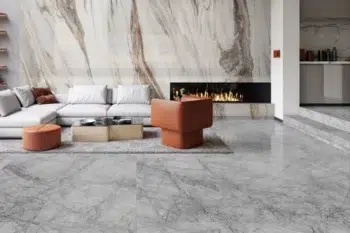
How Much Does It Cost to Install Marble Flooring?

How Much Does It Cost to Install Marble Flooring? Marble flooring is a luxurious and timeless option for both residential and commercial properties. Its elegance, natural beauty, and durability make it a favourite among home and business owners. Avant Stone, one of the world’s leading suppliers of natural stone and marble slabs, offers a wide variety of superior marble options. With expertise in both commercial and residential projects, we deliver outstanding quality and service for anyone looking to enhance their space with beautiful marble flooring. Before committing to the installation of marble floors, it’s essential to understand the costs involved. In this article, we will break down the variables that determine marble flooring installation costs and provide a detailed roadmap for your project planning. Find the Perfect Stone for Your Project Not sure which stone will suit your kitchen, bathroom, or outdoor space? Explore our curated selection of natural stone slabs and get expert advice on the best choice for your design. View our Range Factors That Affect the Cost of Marble Flooring Installation Type of Marble From more affordable Carrara marble to upscale options like Calacatta or Statuario, there are many types of marble available. The rarer and more unique the marble, the more expensive it becomes. For example, highly unusual marbles with intricate patterns and veining tend to attract higher prices than more common varieties. Always consider the intended style and aesthetics of your room when selecting the type of marble. Size of the Area The area that needs to be covered is a significant factor in the cost of marble flooring installation. Larger spaces require more marble tiles and labour, which will increase the total cost. It’s important to measure the area accurately to obtain a proper estimate. For large or open-plan rooms, the cost can increase significantly. Labour Costs Marble flooring installation requires skilled labour, as grouting, precise cutting, and placement are involved throughout the process. Labour costs will vary depending on your location and the installers’ experience. In Australia, professional labour typically ranges from $30 to $60 per square metre, depending on the complexity of the job and the area being covered. Additional Costs for Preparation and Materials In addition to the cost of the marble and its installation, there may be additional costs for preparatory work and materials. This could include addressing moisture issues, cleaning and levelling the subfloor, and removing existing flooring. To ensure long-term durability and proper installation, you may also need to purchase adhesives, grout, and sealants. These additional costs should be factored into your overall project budget. Location Your property’s location can influence the cost of marble flooring installation. Factors such as local labour rates, the availability of materials, and delivery charges for the marble can vary depending on where you are located. For example, remote areas or suburbs without easy access to suppliers will often incur higher delivery costs, which can increase the total project cost. Average Cost of Installing Marble Flooring in Australia Based on the factors above, the cost of installing marble flooring in Australia typically ranges from $100 to $200 per square metre. This cost covers both the marble and the installation labour. For more affordable stones, such as Carrara, you can expect to pay around $100 per square metre. Premium marble options like Calacatta or Statuario can cost upwards of $200 per square metre, depending on installation expenses. The size of the area to be covered also plays a role in the overall cost, as larger areas require more materials and preparation. Why Choose Avant Stone for Marble Flooring? Durability and Longevity One of the key reasons for marble’s popularity is its durability. When properly maintained, marble flooring can last for decades, or even centuries. Unlike other flooring options that may fade over time, marble maintains its elegance and functionality for the long term. Its resistance to stains, scratches, and heavy foot traffic makes it an excellent investment for both residential and commercial properties. Aesthetic Appeal Marble exudes unmatched elegance. Every installation is unique due to its natural veining patterns and wide range of colour options. From classic white marble to bold black varieties, marble enhances the aesthetic appeal of any space. Whether it’s in a bathroom, kitchen, living room, or office, marble makes any area look more luxurious and striking. Increase in Property Value Marble flooring can significantly increase the value of your property. Marble floors are often seen as a high-end feature by potential buyers, making them an attractive selling point. Installing marble flooring can enhance your home or business’s appeal on the market, and may prove to be a profitable investment when you sell or rent out your property. Maintenance Tips for Marble Flooring Regular Cleaning Regular cleaning is essential to maintaining the beauty of your marble flooring. Dust and dirt can scratch the surface, so it’s important to keep the floors clean to avoid the build-up of debris. Sweep or gently wipe with a soft cloth to avoid damaging the surface. Use pH-Neutral Cleaners Avoid using harsh chemicals or acidic cleaners, as they can damage the marble’s surface. Instead, opt for pH-neutral cleaners designed specifically for marble. This will help preserve the stone’s integrity and natural shine. Sealing the Marble Marble is porous, so it’s important to apply a high-quality sealer to protect it from stains and moisture. Seal the marble every 6–12 months, or as recommended, to maintain a protective layer and keep the stone looking its best. Wipe Up Spills Immediately Marble is vulnerable to acidic substances like citrus juices, vinegar, and wine. Spills should be cleaned up immediately to prevent etching and discolouration. Quick action helps maintain the floor’s pristine condition. Use Rugs and Mats Place rugs or mats in high-traffic areas to prevent dirt, grit, and moisture from damaging the marble floor. These protective coverings also help minimise wear and tear, ensuring that your marble floors remain in excellent condition for longer. Why Choose Avant Stone for Marble Flooring? Quality You Can Trust At Avant Stone,

CONTINUE READING ➞
stone slabs

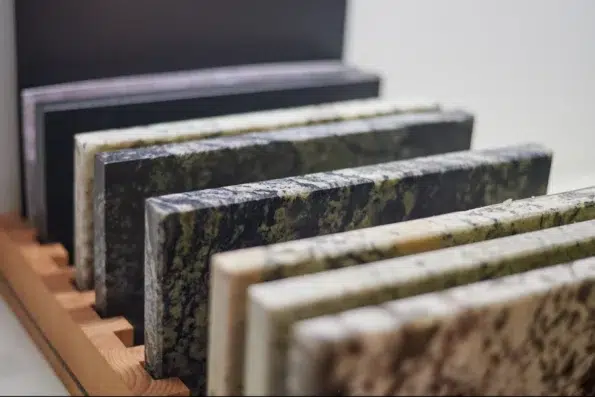
Honed vs Polished Stone Slabs: Which Finish Is Right for You?

Honed vs Polished Stone Slabs: Which Finish Is Right for You? When selecting stone slabs for their properties, homeowners and business operators must decide between honed and polished stone finishes. The choice of finish creates dimensional differences that affect the operational functionality, upkeep, and visual appearance of the stone. A basic understanding of honed versus polished stone finishes will help you choose the right product for your needs. This guide evaluates the defining features of these finishes, their advantages, and appropriate usage settings. By the end, you will have a clearer understanding of which finish suits your upcoming project. Find the Perfect Stone for Your Project Not sure which stone will suit your kitchen, bathroom, or outdoor space? Explore our curated selection of natural stone slabs and get expert advice on the best choice for your design. View our Range What Is a Honed Stone Finish? A honed surface is achieved by grinding stone materials with abrasives to produce an even, smooth matte surface. This process creates a satin finish that reveals the stone’s natural appearance. Honed stone offers a traditional, rustic look because the glossy surface is minimized through grinding. This results in a matte finish, unlike the brilliant sheen of polished stones. Features of Honed Stone The surface of honed stone feels soft and velvety while offering a refined finish. The lack of shine makes honed stone appear more natural, providing a subtle appearance. Additionally, honed stone offers a superior tactile response, as its lack of gloss leaves the surface feeling soft. However, honed stone surfaces require frequent cleaning to maintain their appearance, as they show stains more readily than other finishes. Advantages of Honed Stone Stone finishes offer distinct advantages when it comes to safety and maintenance. The matte surface of honed stone provides improved traction, making it ideal for wet areas such as kitchens and bathrooms. Honed stone is highly practical for high-traffic spaces because it resists smudges, fingerprints, and other surface markings. Where to Use Honed Stone Honed stone is suitable for both residential homes and commercial buildings. It is commonly used for bathroom floors, kitchen countertops, and outdoor surfaces. The non-reflective qualities of honed stone make it a popular choice for spaces that require a casual, organic look, such as restaurants, cafes, and rustic homes. What Is a Polished Stone Finish? A polished stone finish is obtained by polishing the stone with increasingly finer abrasives, producing a high-gloss, reflective surface. This finish highlights the stone’s natural colours, patterns, and veins, creating a deep, vibrant look. Polished stone surfaces deliver a refined, elegant appearance that complements dramatic interior styles. Features of Polished Stone The reflective quality of polished stone surfaces stands out, as the material presents a glossy, mirror-like finish. This refined surface accentuates the stone’s natural beauty, making it perfect for those who want to highlight its authentic appearance. Polished stone is more resilient to water infiltration and stains than honed stone due to its impervious, non-porous finish. Benefits of Polished Stone High-end applications benefit from a polished finish because it creates an upscale, luxurious look. Polished stone is easier to clean, as its smooth surface prevents dirt, spills, and grime from penetrating. Additionally, its glossy surface offers exceptional durability and scratch resistance, making it perfect for premium applications. Ideal Uses for Polished Stone Polished stone is commonly used in luxury residential projects for countertops, bathroom vanities, and decorative feature walls. It is also popular in high-end commercial spaces such as reception areas, hotel lobbies, and upscale residential homes. If you want to accentuate the elegance of your stone and make a bold statement, polished stone is the best choice. Honed vs Polished Stone Slabs: Key Differences Choosing between honed and polished stone depends on your specific needs and desired design outcome. Each stone finish has unique characteristics that make it suitable for different interior spaces and projects. Below, we distinguish the important differences between polished and honed surfaces to help guide your decision-making process. Aesthetic Appeal Honed and polished stone finishes offer distinct aesthetic characteristics. Honed stone creates a flat, elegant, raw look, perfect for a natural, rustic ambiance. On the other hand, polished stone delivers a glossy, reflective finish that highlights the stone’s attractive patterns, adding sophistication and elegance to surfaces. Slip Resistance The key benefit of honed stone is its slip resistance. Its matte surface provides enhanced traction, making it a safer option for moist environments such as bathrooms, kitchens, and outdoor areas. Although polished stone looks attractive, its smooth surface becomes slippery when wet, creating a safety hazard in damp areas. Durability and Maintenance Both stone finishes are durable, but their maintenance requirements differ. Polished stone requires less upkeep due to its smooth, non-porous surface, which prevents liquids from penetrating and keeps surfaces cleaner. Polished surfaces also show superior resistance to scuff marks compared to honed stone. On the other hand, honed stone requires more frequent cleaning to eliminate stains or watermarks. While honed stone may show marks or stains more readily, it is less prone to fingerprints and smudges than polished stone. Practical Considerations When deciding between honed and polished stone, consider the functional requirements of the space. Honed stone excels in areas that need slip resistance and a natural matte aesthetic, making it ideal for high-traffic environments and spaces that require a subtle look. Polished stone’s reflective finish works best in spaces where you want to make a dramatic visual impact, such as decorative walls or luxury countertops. Why Choose Avant Stone for Stone Slabs? At Avant Stone, we pride ourselves on offering high-quality stone slabs that cater to both aesthetic and functional needs. Whether you’re looking for honed or polished finishes, our extensive selection is designed to meet the diverse requirements of residential and commercial projects. Here’s why Avant Stone should be your first choice: Wide Range of Options We offer a comprehensive selection of stone slabs, including both honed and polished finishes, ensuring you find the perfect match for your space. From natural beauty to

CONTINUE READING ➞

How to Select the Right Finish for Your Stone Surface

How to Select the Right Finish for Your Stone Surface The choice of the right finish on the stone surface can go a long way in as much as the looks as well as the durability is concerned. In the case of kitchen remodeling or bathroom remodeling or even the designing of the outside patio area, it is important that we have some understanding on the various stone finishes and their characteristics. In this guide, you will learn about the different kinds of stone finishes: considerations when selecting the finish, and how to apply the right stone finish to a particular interior design use. Our Stone Slabs Range for Countertops Silver Patagonia Quartzite Sierra Wave Granite Patagonia Retro Granite Iceborne Quartzite View All Factors to Consider When Choosing a Stone Finish Selecting the appropriate stone finish involves several considerations to ensure both practical and aesthetic requirements are met. Here are the key factors to keep in mind: Type of Stone Some stones are also known to have varying responses to the different finishing methods that may not be characteristic of other materials. For instance, granite is a very hard stone that can be polished well while marble is not as hard as granite and may not look good when polished but may look good when tumbled. It is crucial to know the characteristics of the stone to make the right decision when selecting it. Location and Use Consider the conditions under which the stone will be applied. It is advisable to use the same finish on the indoor surfaces such as the bathroom countertop or kitchen flooring as that to be used on the outdoors such as the patios or the pool decks. Indoor finishes may be more focused on the aesthetics of the surface while the outdoor ones have to consider slip resistance, and the ability to endure different weather conditions. Maintenance Requirements Every finish has its requirements regarding the maintenance. While the polished stones may require regular washing to maintain the shine, honed or the tumbled ones may have a better hide for the scratches and hence may not require washing frequently. How much effort one is willing to put in to maintain it can be a consideration. Aesthetic Preferences Lighting and the character of the individual and the character of the room and the design of the room also matters. Polished finish makes the stone have a shiny look and this makes the color and the pattern of the stone to be well displayed and it is suitable for classy places. A shine finish is glossy and looks more classical while a honed or matte finish looks more modern and is more suitable for commercial buildings. Safety Concerns Another factor is the traction; this is because areas like the bathroom, kitchen or any area that is most likely to be exposed to water splashes should have good traction. The treated stone surface like flamed or sandblasted stone create rough surface which increases the coefficient of friction and so provides fewer opportunities for slipping. Find the Perfect Stone for Your Project Not sure which stone will suit your kitchen, bathroom, or outdoor space? Explore our curated selection of natural stone slabs and get expert advice on the best choice for your design. View our Range Popular Stone Finishes Choosing the right stone finish is essential for achieving the desired look and functionality of your stone surfaces. Each finish offers unique benefits and can significantly influence the aesthetic and performance of the stone. Here are some popular stone finishes to consider: Polished Finish: Polished finish makes the surface shiny and reflective, which makes the stone appear very colourful and has beautiful vein lines. This finish is most suitable for indoor use such as countertops and wall claddings because of its glamour look. Polished finishes are very effective on Marble Slabs and Granite Slabs as they enhance the natural beauty of the surfaces. Honed Finish: A honed finish results in a smooth surface, which is not shiny; this gives the stone a smooth finish. It is ideal for areas that experience lots of traffic such as floors and stairs since it will not easily show signs of scratching and fading. Stone Slabs are usually smooth and are often given honed finishes which give a subtle sheen to the material. Tumbled Finish: Tumbled stone has a rough surface that has been polished by a tumbler with abrasives giving the stone a worn-out look. This finish is perfect for giving the furniture an old-world feel and is often applied to areas that are prone to water such as the outdoors and around swimming pools since it is non-slip. Tumbled finishes are typically used on Quartzite Slabs and other natural stone products. Flamed Finish: One of the most common forms of finish is the flamed finish in which the stone is exposed to high heat, making the surface to appear rough. This finish has good traction and is recommended for use in areas where there is frequent movement like patios and pathways. This finish is particularly suitable for Granite Slabs as it increases both the durability and the aesthetic value of the slabs. Sandblasted Finish: The sandblasted finish is carried out by using sand to blast the stone surface to have a dull and slightly abrasive appearance. It has a good look and is slip-resistant, thus suitable for use in pathways, outdoor paths and flooring indoors. This finish is used on Porcelain Slabs, giving it a contemporary look and a functional touch. Leathered Finish: It gives the furniture a leathery feel but it is not leather; it is a leathered finish to give it that texture. This finish is becoming more popular for interiors, especially in granite and stone countertops where the homeowner is looking for a modern feel with warmth. Leathered finishes can add to the natural touch of the concrete-like surfaces contained in Stone Slabs. Choosing a Finish for Interior Applications Selecting the right finish for stone surfaces in interior spaces

CONTINUE READING ➞
Wishlist
Recently Viewed
Categories