
-
Argento Travertine
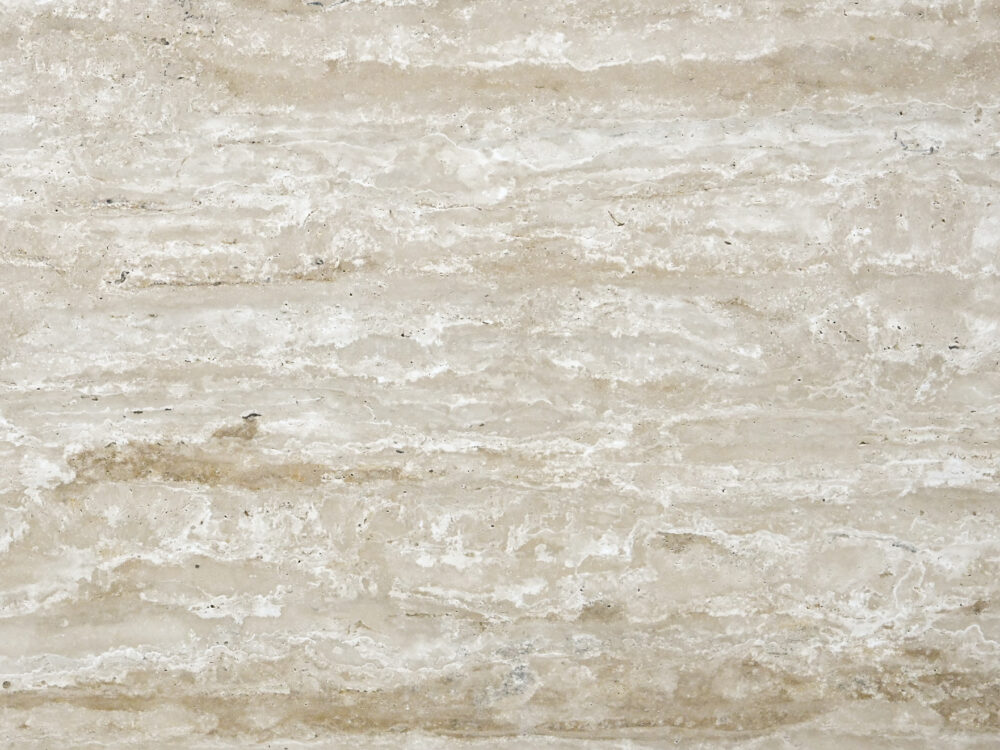
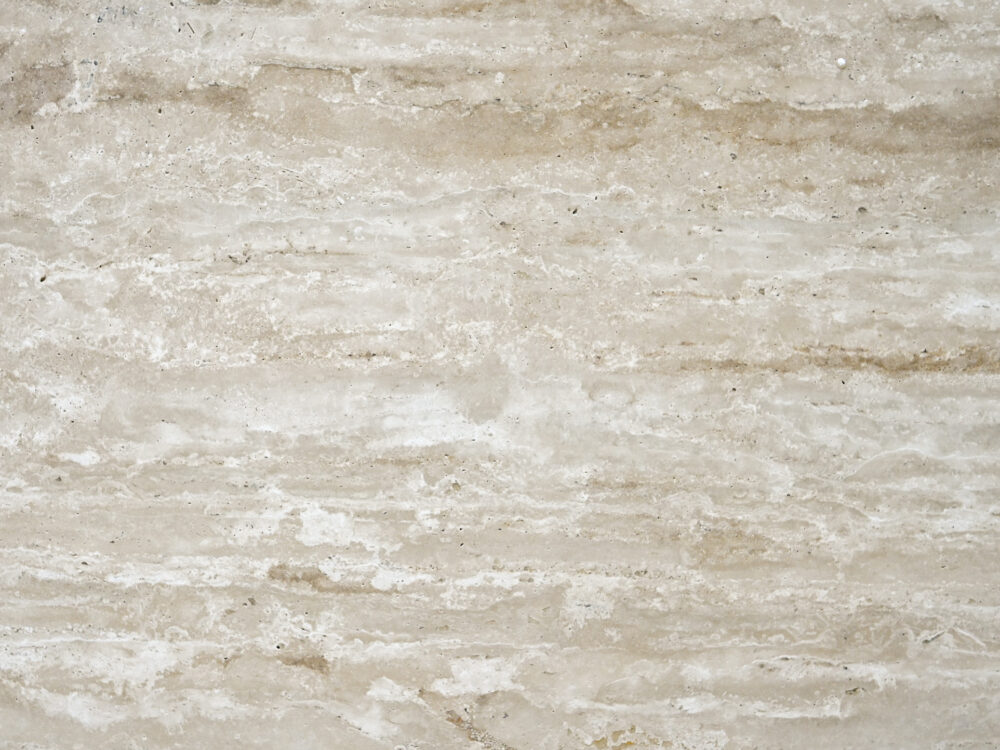
Argento Travertine takes its name from the Italian word for silver, and the stone lives up to its name with a refined palette of soft greys, taupes and warm beige tones that layer naturally in gentle horizontal bands across each slab. Where many travertines lean warm and creamy, Argento sits in cooler territory, offering a silvery, contemporary alternative that feels right at home in modern Australian interiors. The rhythmic horizontal banding creates a quiet sense of calm and continuity, making it particularly beautiful across expansive feature walls, flooring and wall cladding where the natural linear patterning can flow without interruption. Ideal for both interior and exterior applications, Argento Travertine pairs effortlessly with brushed nickel fixtures, cool-toned timber and contemporary grey joinery, as well as warmer materials like brass and honey-toned timber for a beautiful tonal contrast. As with all travertine, regular sealing every one to two years will protect its naturally porous surface and keep it looking its best.
-
Classic Beige Travertine
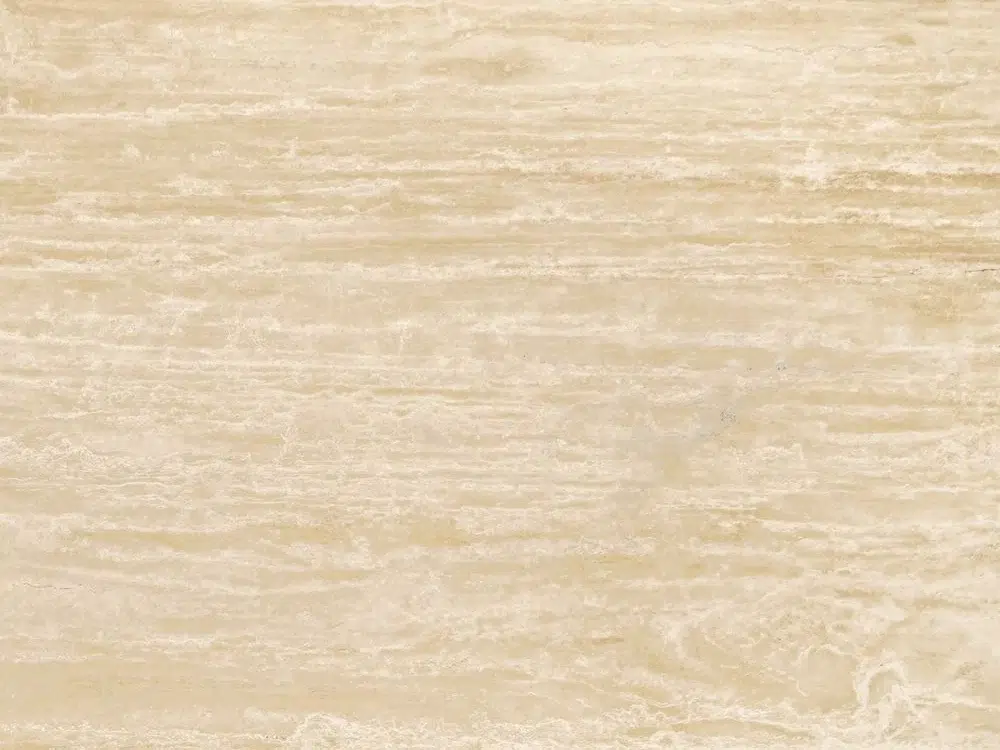
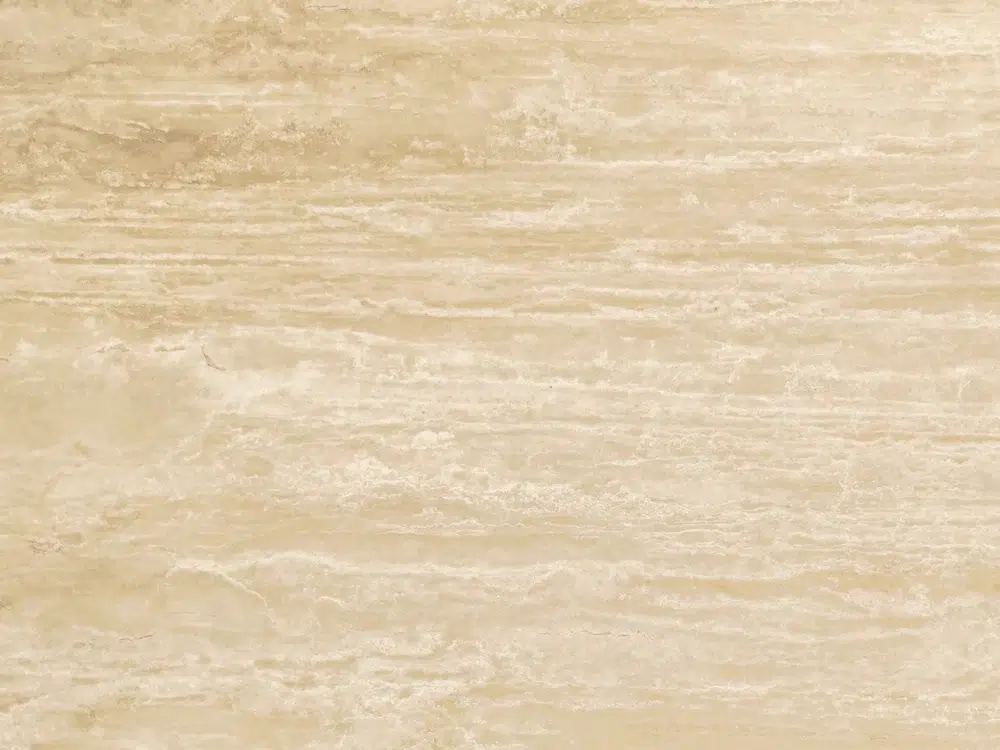
Classic Beige Travertine is travertine at its most quintessential, presenting a warm, inviting palette of subtle ivory, cream and honey tones that flow across each slab with a gentle, cohesive elegance that has graced Mediterranean villas and European interiors for centuries. The soft tonal variations add quiet visual interest without overwhelming, allowing the stone to complement surrounding design elements rather than compete with them. Its honed and filled finish delivers a refined matte texture that is smooth to the touch while retaining travertine’s authentic natural character, making it particularly well-suited to high-use surfaces and everyday living. Perfectly suited to flooring, wall cladding, feature walls, bathroom applications and kitchen benchtops, Classic Beige pairs beautifully with warm timber, brass fixtures, terracotta and earthy neutrals. As with all travertine, periodic sealing every one to two years will protect its naturally porous surface and keep it looking its best.
-
Ivory Travertine
Ivory Travertine exudes a timeless, understated elegance with its warm light beige base and refined vein-cut patterning that creates a seamless flow of clean, linear veins across each slab with a natural cohesion and quiet sophistication. The soft, neutral ivory tones carry an inherent warmth that makes spaces feel instantly welcoming and refined, sitting beautifully within both contemporary minimalist interiors and classic traditional design schemes without ever feeling out of place. The linear, vein-cut pattern gives the stone a structured, ordered quality that feels distinctly different from more organic or brecciated travertines, lending it a clean architectural character that suits large format flooring, wall cladding and feature applications particularly well. Perfectly suited to bathroom vanities, kitchen benchtops, feature walls and flooring, Ivory Travertine pairs beautifully with warm timber, brushed brass fixtures and earthy neutral tones, bringing a serene and enduringly elegant natural warmth to any interior it graces. As with all travertine, periodic sealing every one to two years will protect its naturally porous surface and keep it looking its timeless best.
-
Navona Travertine
Navona Travertine is a delicately refined natural stone that sets itself apart from conventional travertines with a luminous white base gracefully marked by soft, creamy beige streaks that drift across the surface with an almost ivory warmth and quiet, understated elegance. Where many travertines lean towards deeper beige and warm caramel tones, Navona sits in a lighter, more luminous territory, offering a refined sophistication that feels closer to the purity of white marble while retaining the authentic natural character and gentle texture that makes travertine so enduringly beloved. The subtle creamy streaking adds just enough tonal variation to give the stone depth and visual interest without disrupting its overall sense of serene, timeless calm. Perfectly suited to bathroom vanities, feature walls, kitchen benchtops and sophisticated flooring, Navona Travertine pairs beautifully with brushed brass fixtures, soft white joinery and natural timber accents, bringing a luminous, quietly charming elegance to any interior that appreciates the understated beauty of truly refined natural stone. As with all travertine, periodic sealing every one to two years will protect its naturally porous surface and preserve its timeless beauty.
-
Ocean Blue Travertine
Ocean Blue Travertine is a beautifully serene natural stone and a close sibling to Silver Travertine, presenting a captivating horizontal palette of cool greys, soft silvers and subtle olive tones that layer across each slab with a calm, rhythmic quality that evokes the stillness of a distant horizon. The distinctive horizontal banding creates a natural sense of continuity and flow that feels particularly breathtaking across expansive wall cladding and flooring applications, where the linear patterning can move uninterrupted with a quiet, meditative elegance. Its neutral yet genuinely distinctive colour palette sits apart from warmer travertines, offering a cooler, more contemporary character that complements a wide range of natural materials and interior styles with remarkable versatility. Perfectly suited to kitchen benchtops, bathroom vanities, walls, floors and fireplace surrounds, Ocean Blue Travertine pairs beautifully with brushed nickel fixtures, cool-toned timber and natural stone accents, bringing a serene and effortlessly sophisticated coastal elegance to any interior it graces. As with all travertine, periodic sealing every one to two years will protect its naturally porous surface and preserve its timeless beauty.
-
Roman Classic Travertine
Roman Classic Travertine is the very essence of travertine in its most authentic and celebrated form, presenting a creamy white canvas gracefully adorned with delicate, warm beige striations that drift across each slab with a timeless, historically resonant beauty that connects every installation to centuries of architectural grandeur. Quarried from the same Roman region that supplied stone for the great architectural marvels of ancient Rome, this travertine carries a genuine historical heritage and a sense of enduring permanence that few natural stones can rival. The soft, warm tonal variations between the creamy white base and the gentle beige striations create a surface that feels simultaneously expansive and intimate, brightening spaces with a smooth, luminous warmth that has made it a beloved choice in luxury interiors for generations. Perfectly suited to flooring, wall cladding, feature walls, bathroom vanities and fireplace surrounds, Roman Classic Travertine pairs beautifully with warm timber, wrought iron, terracotta accents and brushed brass fixtures, bringing a timeless Mediterranean elegance and an authentic sense of Roman heritage to any interior it graces. As with all travertine, periodic sealing every one to two years will protect its naturally porous surface and preserve its enduring beauty.
-
Roman Classic Travertine (Crosscut)
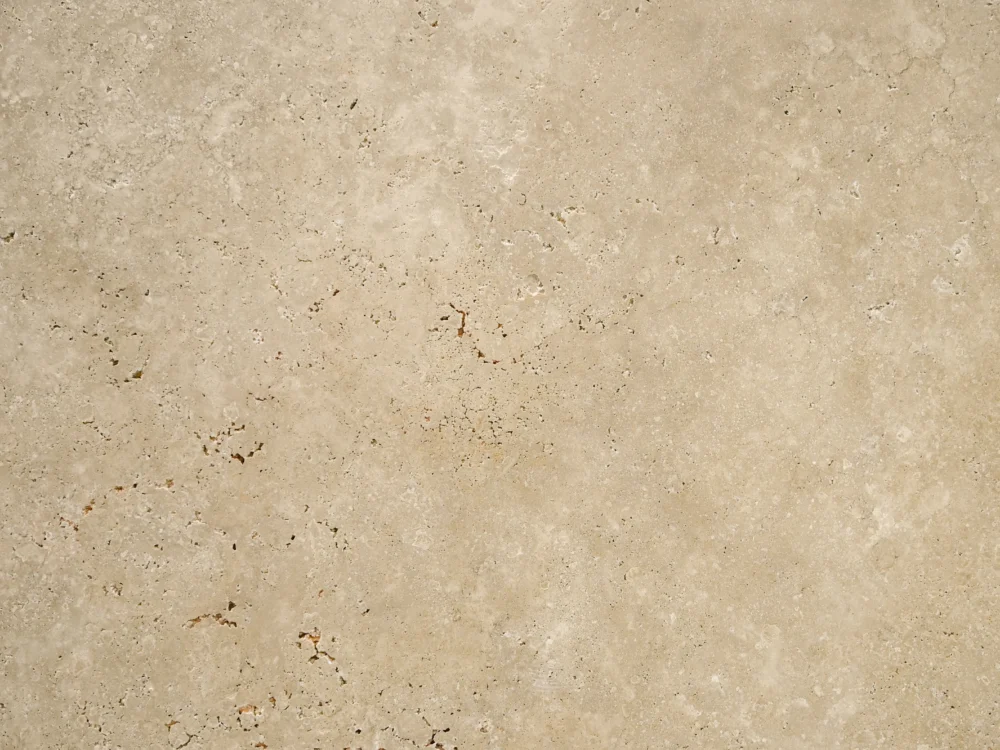
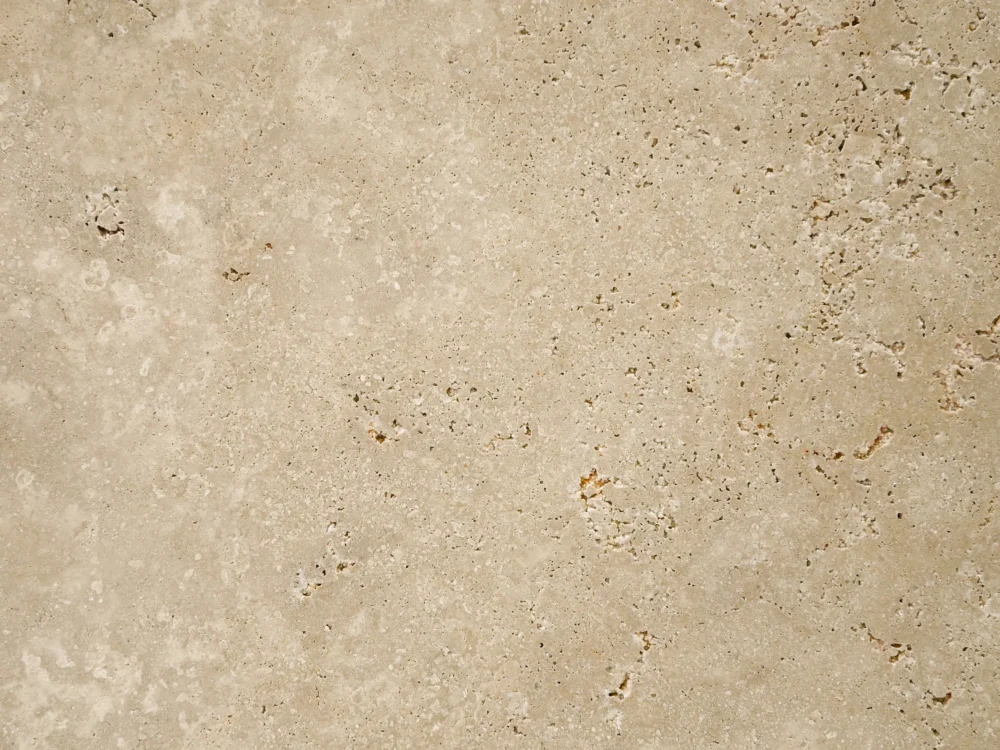
Roman Classic Travertine is quarried near Tivoli in the Rome region of Italy, the stone behind much of the ancient city’s architecture. Its creamy white base carries warm beige tones, and this crosscut block reveals a soft, cloudy pattern instead of the linear banding of a vein cut.
That even pattern makes it easy to run across large walls and floors without the surface feeling busy. Up close, the natural pitting gives it the texture travertine is known for.
Like all travertine it is porous, so plan on sealing every 1 to 2 years and cleaning with warm water and mild soap rather than harsh products.
Best for: walls, floors, classic and traditional interiors.
-
Roman Striato Travertine
Roman Striato Travertine is a premier Italian travertine quarried from the outer regions of Rome, distinguished by its pronounced horizontal striations that give the stone its name, striato meaning striped in Italian. A warm, earthy background provides the canvas for rhythmic, grey horizontal veining that flows across each slab with a stronger, more defined linear movement than subtler travertine varieties, creating a visual rhythm that is particularly breathtaking across expansive feature walls and flooring where the patterning can flow completely uninterrupted. Carrying the same ancient Italian heritage as the stone used in the Colosseum and countless Roman architectural masterpieces, Roman Striato brings an authentic historical grandeur to contemporary Australian interiors with effortless elegance. Perfectly suited to feature walls, flooring, wall cladding and bathroom applications, it pairs beautifully with warm timber, brass fixtures and Mediterranean-inspired elements. As with all travertine, regular sealing every one to two years will protect its naturally porous surface and keep it looking its best.
-
Rosso Travertine
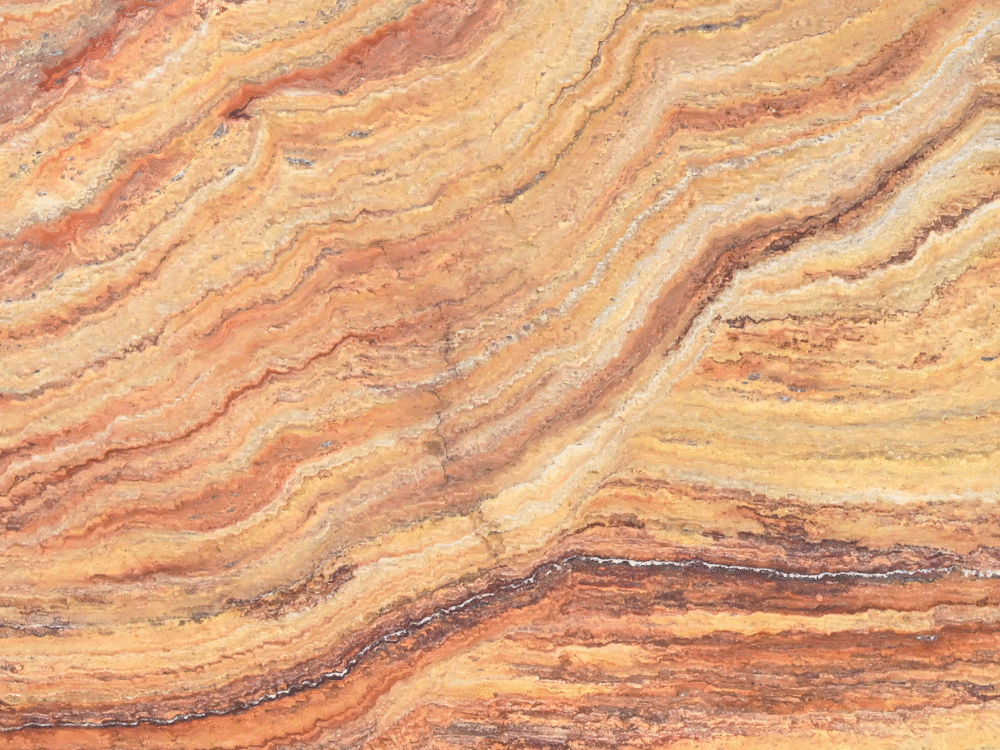
Rosso Travertine is a genuinely radiant and distinctive natural stone that stands apart from conventional travertines with its bold, warm red hues and vibrant character, bringing an immediate sense of energy and personality to any space it occupies. The rich red tones move across each slab, with the natural horizontal banding and organic texture characteristic of travertine, but with a warmth and colour depth that feel entirely their own, giving the stone a captivating presence that is both dramatically beautiful and deeply inviting. Where most travertines lean towards creamy beiges and cool greys, Rosso offers something genuinely different. This stone infuses interiors with the warmth and vibrancy of sun-baked Mediterranean landscapes without sacrificing any of the timeless natural elegance that makes travertine so enduringly beloved. Perfectly suited to feature walls, fireplace surrounds, bathroom vanities and statement flooring, Rosso Travertine pairs beautifully with warm timber, brushed brass and bronze fixtures, and earthy neutral tones, bringing a bold, captivating natural warmth to any interior that embraces the extraordinary character of truly distinctive natural stone. As with all travertine, periodic sealing every one to two years will protect its naturally porous surface and preserve its vibrant beauty.
-
Sienna Travertine
Sienna Travertine takes its name from the sun-baked Tuscan city, and the stone delivers on that promise with a rich blend of warm orange, earthy terracotta and deep rust tones that move across each slab with an organic vitality and bold Mediterranean character that immediately sets it apart from more conventional travertine varieties. Where most travertines lean towards neutral creams or cool greys, Sienna embraces the warmth and energy of Tuscan landscapes with a confidence and vibrancy that makes it a genuinely distinctive and memorable natural stone. The dynamic surface movement and organic variation across each slab create a visual interest that rewards close inspection while making a bold, passionate impression from across the room. Perfectly suited to feature walls, fireplace surrounds, flooring and statement bathroom applications, Sienna Travertine pairs beautifully with warm timber, wrought iron, terracotta, brass and bronze fixtures and earthy neutral tones, bringing an unmistakably alive and deeply sophisticated Mediterranean warmth to any interior it graces. As with all travertine, regular sealing every one to two years will protect its naturally porous surface.
-
Silver Travertine
Silver Travertine is a beautifully distinctive natural stone with earthy white and soft grey tones layered against a warm tan backdrop, unified by darker grey striations that move horizontally across each slab with a compelling natural rhythm that creates genuine visual depth and interest. The signature horizontal veining is precisely what sets Silver Travertine apart within the travertine family, giving each slab a structured, linear character that feels both organically formed and architecturally considered. This distinctive patterning works particularly beautifully across expansive wall cladding and flooring applications where the natural horizontal movement can flow uninterrupted across larger surfaces, creating a sense of calm continuity and refined visual interest that feels genuinely breathtaking at scale. The warm, neutral palette of earthy whites, soft greys and tan tones complements a remarkably wide range of materials and finishes, pairing effortlessly with timber, metals, glass and other natural stones in both contemporary and classic interior schemes. As with all travertine, periodic sealing every one to two years will protect its naturally porous surface and preserve its enduring natural beauty.
-
Titanium Travertine
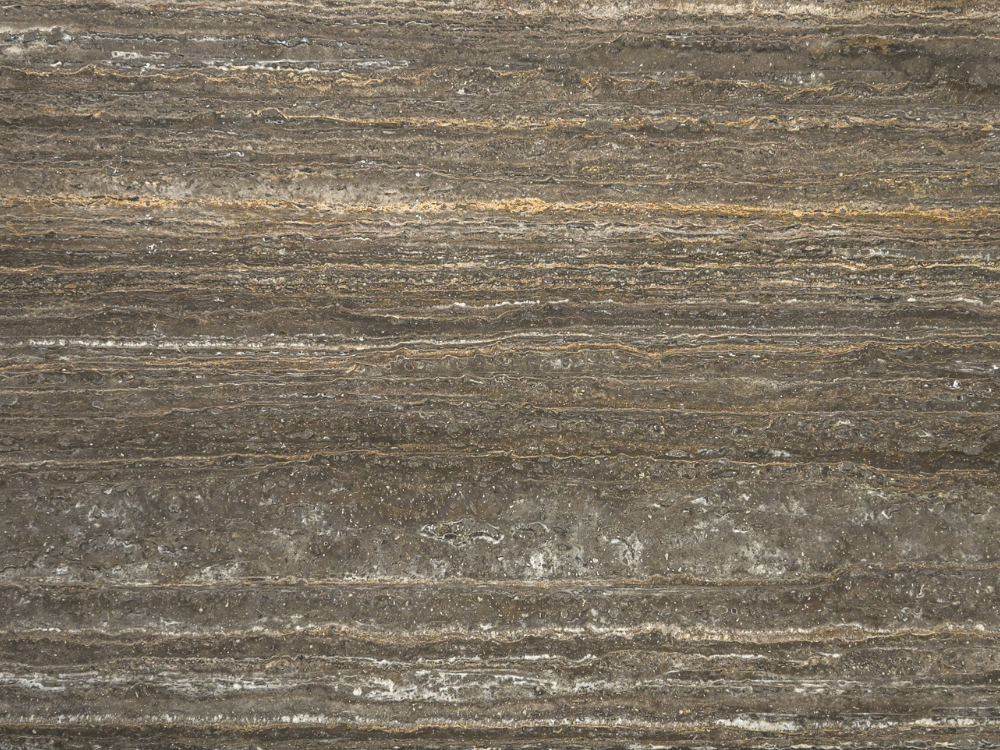
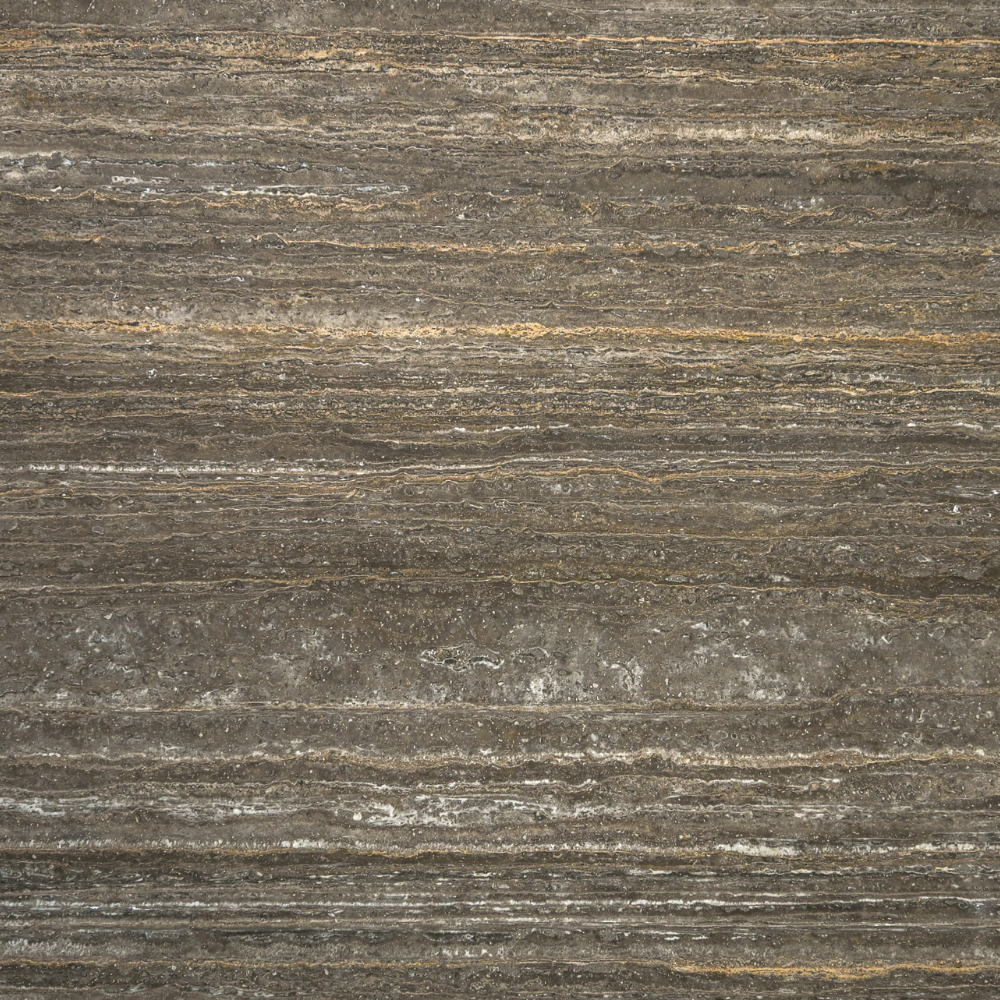
Titanium Travertine is a beautifully refined natural stone with a rich blend of deep brown hues, soft beige tones and subtle silver highlights that flow seamlessly across each slab with a layered, linear elegance that feels both warmly inviting and distinctly contemporary. The tonal depth created by the interplay between the darker brown tones and the softer beige and silver accents gives the stone a compelling visual richness that rewards closer inspection, revealing new layers of colour and texture as light shifts across the surface throughout the day. Its linear veining and natural layering create a structured yet organic character that sits beautifully within both modern and classic interior schemes, balancing contemporary sophistication with a grounded, earthy warmth that feels genuinely connected to the natural world. Perfectly suited to feature walls, kitchen benchtops, bathroom vanities and flooring, Titanium Travertine pairs beautifully with warm timber cabinetry, brushed bronze fixtures and earthy neutral tones, bringing a refined natural depth and understated elegance to any interior it graces. As with all travertine, periodic sealing every one to two years will protect its naturally porous surface and preserve its enduring beauty.