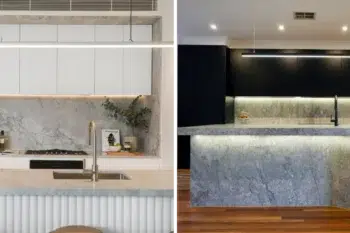
quartzite kitchen benchtop

How to Select the Perfect Natural Stone for Your Kitchen Island?

How to Select the Perfect Natural Stone for Your Kitchen Island? The choice of natural stone for a kitchen island is a critical decision, both functional and durable. Different stones have some properties, any of which can make a difference in both the overall design and the long-term usability of your kitchen. With so many natural stones available, one should very carefully assess each type for its ability to fit your needs and complement the style of your kitchen. This guide gives some key considerations, popular stone choices, and why choosing the right one makes all the difference in your kitchen. Our Stone Slabs Range for Countertops Rosado Quartzite Patagonia Sedona Granite Ijen Blue Quartzite Andor Dolomite View All Importance of Choosing the Right Natural Stone Proper natural stone selection for a kitchen island is much more than just a design choice; it impacts your kitchen’s everyday life and durability. The kitchen island is a central point where everything converges, from meal preparation to conversations. This decision is also crucial for how long your kitchen island will last. If you choose a poor stone, then you will constantly have maintenance issues that lessen the functionality and beauty of your kitchen. On the other hand, the right stone won’t just take daily wear and tear; it actually makes the value of the home go up. This will, therefore, be a very worthwhile investment. Considering factors like durability, maintenance, and aesthetic appeal will help ensure your kitchen island remains a beautiful and functional centerpiece for years to come. Find the Perfect Stone for Your Project Not sure which stone will suit your kitchen, bathroom, or outdoor space? Explore our curated selection of natural stone slabs and get expert advice on the best choice for your design. View our Range Popular Natural Stone Options for Kitchen Islands When choosing a natural stone for your kitchen island, understand that each has characteristics that set it apart. The choice of materials, from granite to marble, dolomite, and porcelain, will greatly influence your kitchen island in terms of both its appeal and function, including further maintenance needs. Granite Kitchen Island Granite is a popular choice for kitchen islands as it is truly a durable material and can resist heat. Being one of the hardest natural stones around makes it scratch, chip, and stain-resistant when properly sealed. It comes in a wide variety of colours and patterns and can be made to work within many different styles, from traditional to modern, in the kitchen. This stone has unique veining and speckling, ensuring that no two granite slabs are alike. Marble Kitchen Island Marble, with its ultra-smooth surface and highly defined veining, creates the feel of luxury and sophistication, making it very striking for a kitchen island. Just a bit more porous than granite, marble needs more care to prevent staining and etching. To maintain the look of a marble kitchen island, it should be properly cleaned and sealed regularly. It is a favourite choice among those who aim to create meek sophistication and timeless design in the kitchen. Dolomite kitchen island Dolomite, also known as Super White, is a much-veined natural stone that gives it an appearance very much like marble but with added durability. It’s much less prone to scratching and etching than marble, making it a very practical choice for kitchen islands. Dolomite features subtle shades of grey and white with characteristic veining, which is why it is such a beautiful option for both modern and traditional kitchen design. This balancing act of beauty and strength could be one reason Dolomite is such a popular choice for a kitchen island. Porcelain Kitchen Island Porcelain is a newer choice for natural stone kitchen islands. It is a kitchen material that is ultra-durable with low maintenance. The making of porcelain slabs from refined clay and their subsequent high-temperature firing makes them non-porous, scratch-resistant, and very tough against heat and staining. The porcelain will mimic the pattern of stylish stones on the market today, such as marble and granite. Another added advantage is that porcelain is lightweight, making it easier to manage and install in contrast to heavier natural stones. Factors to Consider When Choosing Natural Stone for Your Kitchen Island While choosing the best natural stone for your kitchen island, various factors will be considered, as this is not only a material for aesthetic purposes but has to meet all your functional needs. A review of these ensures a choice of stone that works well for both enhancing style in the kitchen and the overall usability of this space. Durability and Maintenance If you’re going to use natural stone on your kitchen island, one of the more critical factors has to be durability since it will get so much use in this area. Because it’s so hard and resistant to scorching, scratching, and staining, granite is considered a low-maintenance material. Marble is elegant but stains readily; it requires regular sealing and cleaning right after spills. Dolomite offers a good balance between resistance and aesthetic appeal, being more wear-resistant than marble but still requiring some maintenance. Porcelain is modern, very resistant, and almost maintenance-free. It has very good heat, scratch, and stain resistance​. Aesthetic Appeal The aesthetic impact of the stone you choose is as important, since it often serves as a focal point in the kitchen. Marble is known for its timeless beauty and intricate veining, making it a luxury kitchen choice. Granites present a variety of colors and patterns that will give your kitchen designs the flexibility of matching. Dolomite combines the soft beauty of marble but with greater durability, hence making it the most desirable choice for those who want elegance but with practicality. Porcelain gives a sleek, modern finish while replicating the look of natural stones like marble and granite. Budget Considerations The budget is a major factor in deciding the right natural stone for the kitchen island. Generally speaking, granite and dolomite are rather more pocket-friendly than marble, which, in most cases,

CONTINUE READING ➞
Dolomite Countertops

Why Consider Dolomite Countertops for Your Kitchen Renovation?

Why Consider Dolomite Countertops for Your Kitchen Renovation? Choosing the right benchtop material is one of the most important decisions in any kitchen renovation. Dolomite countertops have become a popular choice among Australian homeowners, and it is easy to see why. This natural stone delivers a refined, marble-like appearance alongside genuine durability, making it a compelling option for both busy family kitchens and those with a taste for understated luxury. At Avant Stone, we have helped countless Sydney and Newcastle clients explore dolomite, and this guide covers everything you need to know before making your decision. Our Dolomite Slabs for Countertops Flinders White Dolomite $0.00 SlabSlab A Andor Dolomite $0.00 SlabSlab A Saint Tropez Dolomite Damascus Dolomite $0.00 SlabSlab A View All Our Dolomite Slabs for Countertops View All Our Dolomite Countertops Range View All Our Dolomite Countertops Range View All Factors to Consider Before Selecting Dolomite Countertops Opting for dolomite for your kitchen renovation is about more than following a trend. It is about finding a material that genuinely suits your lifestyle, budget, and design vision. Here is what to keep in mind. Durability and Maintenance Dolomite slabs hold up well to daily kitchen use, though they are slightly softer than granite and require regular sealing to resist stains and scratches. Factor in routine maintenance before committing. Aesthetic Preferences Dolomite is prized for its silky texture, fine veining, and white and grey tones. Consider how those tones will sit alongside your cabinetry, flooring, and overall kitchen palette. Budget Dolomite generally comes in at a lower price point than marble, though costs vary with slab thickness and quality. Have a clear budget that accounts for both initial outlay and long-term maintenance. Heat Resistance Dolomite countertops handle heat reasonably well, though a trivet or heat pad is always recommended to protect the surface and keep it looking its best for years to come. Environmental Impact As a natural rock, dolomite requires less energy to produce than synthetic materials. That said, transportation of stone slabs does carry a carbon footprint, so choosing a supplier with considered sourcing practices matters. Find the Perfect Stone for Your Project Not sure which stone will suit your kitchen, bathroom, or outdoor space? Explore our curated selection of natural stone slabs and get expert advice on the best choice for your design. View our Range Super White Dolomite: A Showroom Favourite If you have been searching for a dolomite with a bright, crisp, almost luminous quality, Super White Dolomite is the stone most homeowners fall for the moment they see it in person. With a predominantly white background and delicate grey veining, the Super White Dolomite slab reads almost like a fine Carrara marble, which is exactly why interior designers reach for it so often. Super White stone sits in a unique category: it is classified as a dolomite in some markets and a quartzite in others, depending on the specific slab composition. What that means practically is that it tends to offer slightly better hardness than a typical dolomite benchtop, while still delivering that clean, refined aesthetic most clients are after. It pairs beautifully with timber cabinetry, white joinery, and brushed brass hardware. Visit our Sydney or Newcastle showroom to see Super White Dolomite slabs in person and experience the difference that natural variation makes from piece to piece. Austral Dream Dolomite: Drama Meets Versatility Austral Dream is one of the most talked-about stones we stock, and for good reason. Austral Dream Dolomite features a warm white to soft grey background with bold, flowing veins that bring genuine movement and depth to a kitchen benchtop or feature wall. The veining is more pronounced than Super White, giving it a character closer to a statement marble without the maintenance demands of a true calacatta. Austral Dream stone works beautifully as a kitchen benchtop in both contemporary and classic schemes. Its natural warmth makes it particularly well-suited to kitchens with oak or walnut cabinetry, and it holds its own as a bathroom vanity or feature wall too. Like all dolomite, it benefits from regular sealing and careful day-to-day care. If you are weighing up Austral Dream dolomite against other options in our range, our team can walk you through both slabs side by side so you can see the difference in person. Pros and Cons of Dolomite Countertops When considering dolomite for your kitchen renovation, weighing the advantages and disadvantages ensures you make a choice that aligns with your expectations and lifestyle. Here are the key pros and cons: Pros: Aesthetic Appeal Dolomite countertops carry a sophistication that few other materials match, with natural veining and tonal variation that suits both classic and contemporary kitchens. Durability While not as hard as granite, dolomite offers solid scratch and chip resistance that makes it a practical choice for kitchen use. Heat Resistance Dolomite handles moderate heat well, holding up to everyday kitchen activity without issue when basic protection is used for very hot items. Cost-Effective Compared to premium marble, dolomite delivers a similar aesthetic at a more accessible price point, making it a smart choice for those wanting natural stone character without the highest price tag. Cons: Maintenance Requirements Dolomite countertops need resealing regularly to stay protected against staining and etching. This is a key consideration for busy households. Softness Relative to Granite Dolomite can scratch more readily than granite under heavy use, so cutting directly on the surface is not recommended. Limited Color Range Dolomite’s natural palette sits in the white and grey spectrum. If you are looking for bolder colour variation, other stones may suit you better. Availability Sourcing quality dolomite slabs can require a specialist supplier. At Avant Stone, we stock a curated range across our Sydney and Newcastle showrooms so you can view real slabs before deciding. Frequently Asked Questions (FAQs) Is Dolomite good for kitchen countertops? Yes, dolomite is a genuinely excellent option for kitchen countertops. It delivers the refined, marble-like appearance many homeowners are after, backed by solid durability for daily kitchen use.

CONTINUE READING ➞
Natural Stone in Kitchens

What Are the Pros and Cons of Using Natural Stone in Kitchens?

Natural stone has dominated kitchen surfaces and countertops for years. This material would give a cold feel to the kitchen, timeless beauty and strength that lend a touch of class and style to any kitchen. Much like other materials, it has its pros and cons. This article seeks to give an overview of various kinds of natural stones used in kitchens, together with their benefits and possible drawbacks, to guide you toward making a proper decision for your next kitchen project. Types of Natural Stone Used in Kitchens Natural stone has long been a choice for kitchen countertops because it personifies grace, strength, and character. Each natural stone has different advantages, so knowing them is vital in deciding on one. We’ll look at various types of natural stone used in kitchens. Marble Slabs Marble slabs are the epitome of luxury, sheltering in classic beauty. Veining patterns and colour variations give any kitchen marble slab a touch of elegance. Still, such excellence shows only through regular upkeep. Being a soft stone, this characteristic enables it to be carved with details, making it prone to scratches and stains. Yet, marble remains popular among those who want sophistication combined with timeless elegance. Granite Slabs Granite slabs are the most popular choice for kitchen countertops today because they are heat and scratch-resistant. They are available in various shades and patterns, making them suitable for every kitchen design. Since this stone is compact and dense, it gives excellent durability to the granite, making it resistant to heavy usage and perfect for any home with heavy kitchen activity. Quartzite Slabs Quartzite slabs are more rigid and resilient than marble; nonetheless, they vary in colour. They are remarkably resistant to heat and scratches and thus form an ideal choice for busy kitchens. Quartzite gives users the best of both worlds: marble’s aesthetic beauty with granite’s resilience. No wonder it is fast becoming the choice of everybody who wants beauty and durability combined in a kitchen surface. Dolomite Slabs Dolomite Slabs are highly beautiful, with a stunning combination of durability and visual appearance. They usually display soft white tones and come with wonderful veining. With an intermediate hardness between marble and granite, dolomite will present a perfect middle ground between looks and resilience. It gives emotion and quietness to any kitchen look while it’s more scratch-resistant and etching than marble, requiring medium maintenance. Limestone Slabs Limestone slabs are earthy and natural, added with a look that can bring out the rustic touch of any kitchen. Compared with other stones, they are softer and need more excellent care to avoid scratches and staining. Still, its kind of look can be so unique that it makes for a bold fashion statement. This stone is generally used in low-traffic areas like backsplashes and accent walls since it is among the more porous stones. Travertine Slabs Travertine slabs come in many earthy shades and are more or less porous in texture. As travertine is naturally soft and porous, its use is mainly restricted to backsplashes and flooring, and there are not so many countertops as it may bear heavy use in kitchens. However, with proper sealing and maintenance, travertine will give your kitchen a gorgeous, all-natural feel. Sintered Stone Slabs A sintered stone slab is made from natural stone powders to create a tough and non-porous surface. Due to this, sintered stone slabs are highly resistant to stains, scratches, and thermal shock, making them perfect for kitchen countertops. They combine the look of natural stone with the advantages of modern engineering, with many colours and patterns that will fit into any kitchen style. Porcelain Slabs Porcelain slabs are made from strong, dense clay baked at high temperatures to produce a surface that is scratch-, stain-, and heat-resistant. The colours and patterns employed on porcelain slabs are endless and different, although most have the appearance of natural stone. This makes them easy to clean and maintain, and that is what is making porcelain an increasingly popular choice for kitchen countertops. Pros of Using Natural Stone in Kitchens Due to related advantages, natural stone is among the most common materials used to prepare kitchen countertops and surfaces. It exudes an air of beauty, strength, and uniqueness, making it an excellent choice for traditional and modern kitchens. Here are the main advantages of using natural stone in your kitchen: Aesthetic Appeal and Timeless Elegance This gives a certain level of sophistication, coupled with luxury, to any kitchen. Then, there is individuality in patterns and veining unique to any marble slab or quartzite slab that can create visually striking effects not seen with synthetic materials. Such timeless beauty assures the stylish look of one’s kitchen for years to come. Each slab tells its own story with detailed, intricate details and naturally happening formations that have brought a little of the outside beauty indoors. Durability and Longevity Slabs made of granite, quartzite, and sintered stone have complex structures, bearing daily wear and tear without a fuss. Scratches, heat, and other types of damage will not have much effect on these materials. Many of these materials can hold their own for decades under proper care; therefore, in the long term, using natural stone will save you money by not having to constantly replace your countertops. Heat and Scratch Resistance One of the more prominent qualities that make granite and quartzite slabs highly coveted is their resistance to heat and scratches. You can put any hot utensils like pots and pans directly on their surface with no damage, and even cutting directly on the countertop won’t leave a mark. Natural stone is an excellent choice for a busy kitchen environment where functionality is as important as style. Unique Patterns and Colors No two stones are alike, so different colours and patterns are exposed. Be it the sharp veining in marble slabs or the subtle variations manifest on dolomite slabs, there is a natural stone to match each style and everyone’s taste. This makes for unmistakable character and personality

CONTINUE READING ➞
Wishlist
Recently Viewed
Categories