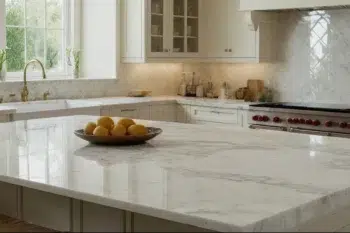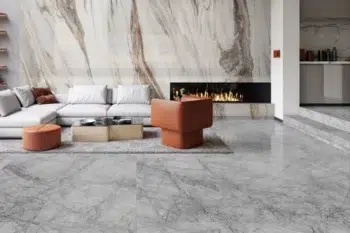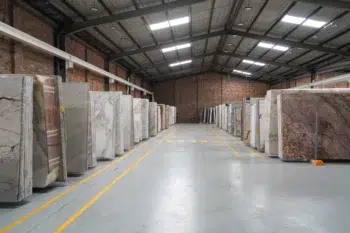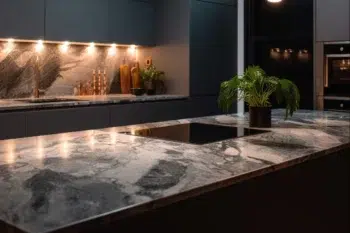
Quartzite vs. Porcelain Countertops: Which One Is the Best
Quartzite vs. Porcelain Countertops: Which One Is the Best? For bathroom or kitchen countertops, porcelain or quartzite are the most well-recognised options. Both provide long-lasting style and quality despite differences in their composition, maintenance, and performance. To make a wise decision based on your budget and lifestyle, you need to understand the main differences between these materials. This blog outlines the key features of each so choosing the best quartzite or porcelain solution for your room is simpler. Find the Perfect Stone for Your Project Not sure which stone will suit your kitchen, bathroom, or outdoor space? Explore our curated selection of natural stone slabs and get expert advice on the best choice for your design. View our Range Understanding Quartzite Countertops What Is Quartzite? Quartzite is a natural stone formed from sandstone subjected to extreme heat and pressure, making it a metamorphic rock. Its distinctive, natural grain and design resemble marble but offer greater durability. Quartzite is popular for kitchen and bathroom surfaces because of its inherent beauty and strength. Benefits of Quartzite Countertops Quartzite offers several advantages, including high resistance to heat and scratches. Its natural chemical makeup generally makes it more wear-resistant than granite. Quartzite is less likely to etch from acidic foods like vinegar or lemon, unlike marble. The many natural patterns of quartzite add refinement and classic appeal to any room. Maintenance and Care for Quartzite To keep quartzite countertops looking good and lasting long, regular care is necessary. Sealing the countertop at least once a year prevents stains and water damage. Spills, especially acidic substances like lemon juice or wine, should be cleaned immediately. Use mild, pH-neutral cleaners and avoid harsh or chemical-based products that could harm the surface. Using cutting boards and trivets also protects quartzite from heat damage and scratches from daily use. Exploring Porcelain Countertops What Is Porcelain? Porcelain countertops are made by heating a highly compressed mixture of natural clay and minerals at very high temperatures. This process produces a solid, non-porous surface that resists stains, heat, and scratches. Porcelain slabs are versatile, available in many finishes and designs, and come in large sizes suitable for modern interiors. Advantages of Porcelain Countertops Porcelain is known for its low maintenance and durability. Its non-porous surface is ideal for hygienic settings like kitchens, resisting stains and bacterial growth. Porcelain countertops are heat resistant, so hot pots and pans can usually be placed directly on them. Porcelain also offers many design options by mimicking the look of real stone, wood, or concrete. Caring for Porcelain Countertops Porcelain countertops require little effort because they do not need sealing. Cleaning with mild detergent and warm water is easy and effective under normal conditions. Avoid harsh cleaners or abrasive pads that can scratch or dull the surface over time. Porcelain does not dissolve under most common household chemicals, so regular cleaning products do not harm it. Promptly wiping spills keeps the countertop looking good and prevents residue buildup, ensuring a longer lifespan and a polished appearance. How Quartzite and Porcelain Stand Up to Wear Heat Resistance Both porcelain and quartzite countertops have excellent heat resistance, making them suitable for kitchens. Quartzite’s natural mineral composition allows it to withstand high temperatures without damage. Porcelain, fired at very high temperatures, resists heat well and tolerates sudden temperature changes without cracking. Scratch and Impact Resistance Porcelain usually offers superior scratch resistance due to its dense, hard surface that is less prone to chipping or scratching. Quartzite is also durable and resistant but, as a natural stone, may occasionally chip or crack under strong impact. Stain Resistance Porcelain’s non-porous surface makes it highly resistant to liquids and stains, preventing absorption and easing spill cleanup. Quartzite is naturally more porous and requires sealing to protect against stains from acids, alcohol, or oils. Without sealing, quartzite can stain permanently. Longevity and Durability With proper care, both materials last for many years. Quartzite’s natural strength allows it to endure heavy use over time. Porcelain’s engineered composition offers long-lasting durability with minimal maintenance. However, porcelain can be more brittle, so careful handling is important to avoid cracks during installation or use. Design and Aesthetic Considerations Appearance and Aesthetic Appeal Quartzite features natural, unique veining and colour variations, offering an elegant, authentic stone look. Porcelain comes in a wide range of designs, including realistic stone and wood finishes with uniform colours and textures, suitable for modern, sleek designs. Surface Thickness and Weight Quartzite slabs are generally thicker and heavier, requiring careful handling and strong cabinets during installation. Porcelain slabs are thinner and lighter, making them easier to move, install, and suitable for kitchens or renovations with weight limits. Design Consistency Quartzite’s natural formation means each slab has unique patterns and colour variations, resulting in a varied but striking appearance. Porcelain manufacturing ensures consistent colour and patterns between slabs, ideal for those wanting smooth, uniform surfaces without natural inconsistencies. Installation Complexity and Cost Quartzite installation is more complex due to slab weight and thickness, often requiring skilled installers and reinforced cabinets, which raises costs. Porcelain is easier and quicker to install because of its lighter weight and lower profile, often reducing installation time and expense while still providing a durable finish. Cost Comparison and Value Upfront Cost Differences Quartzite countertops tend to be more expensive initially because they are natural stones that require quarrying, cutting, and finishing. The unique patterns and slab thickness add to the cost. Porcelain countertops are generally more affordable due to their manufactured process allowing regular sizing and designs. However, porcelain pricing varies depending on slab quality, thickness, and finish. Long-Term Value Quartzite offers timeless natural beauty that can increase home resale value, especially for those who prefer real stone surfaces. Its longevity spans decades with proper care. Porcelain is a practical choice for busy households due to its resistance to heat, stains, scratches, and minimal upkeep. Both materials provide excellent long-term value; the best choice depends on balancing ease of maintenance with aesthetic preference. Conclusion Quartzite and porcelain countertops are