flooring

The Pros And Cons Of Stone Flooring

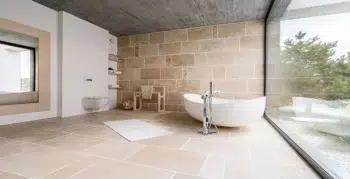
The Pros And Cons Of Stone Flooring Stone flooring has benefits and drawbacks of its own. The good news is that stone floors are resilient to wear and tear and are ideal for areas with significant foot circulation. Their natural beauty lends a touch of sophistication to any area, and they could need very little work. Do you intend to install stone flooring in your own house? Which factors matter most to you when selecting flooring materials? Let’s get started and investigate the world of stone flooring, evaluating the benefits and drawbacks to enable you to make an educated decision for your space. Your ideal home awaits when you choose the right flooring! Our Stone Slabs Range for Countertops Silver Patagonia Quartzite Sierra Wave Granite Patagonia Retro Granite Iceborne Quartzite View All Pros of Stone Flooring Here are the pros of Stone Flooring! Durability Because of its remarkable durability, stone flooring is a famous choice for excessive-visitors regions in both residential and industrial homes. Every sort of stone can withstand daily wear and tear, regardless of desire: granite is resilient, marble flooring is powerful, limestone is robust, and Travertine Flooring is difficult. Herbal hardness is a crucial factor that adds to their longevity by providing protection against dents, scratches, and other forms of physical impact. Furthermore, stone floors are less likely to fade or get discoloured in the light of day, ensuring its durability as a draw. Moreover, stone floors become highly impervious to stains and moisture when properly sealed, increasing their ability to withstand spills and exposure to water. Because of its durability, stone flooring is not only a wise and reliable option for areas that need resistance and hardness, but it also lessens the need for frequent replacements or upkeep. Elegant Appearance Stone flooring, renowned for its stylish appearance, provides an enduring charm to any area. Natural materials with a touch of elegance, including marble, granite, limestone, and Travertine Flooring, may completely change the aesthetic of your home or place of business. With its intricate veining and highly costly designs, marble exudes grandeur, making it a popular material for opulent interior design and magnificent entrances. Granite, on the other hand, gives a more unified and modern appearance, enhancing cutting-edge design schemes with its sleek style. While travertine radiates a rustic charm that is perfect for those wanting a more earthy and natural experience, limestone has a gentler, more welcoming colour that gives living spaces a warm feel. Whatever the exact kind of stone chosen, stone flooring’ fashionable appearance enhances the overall ambience and transforms ordinary rooms into ones of superior quality. Low Maintenance One major advantage of stone flooring is that it requires less maintenance, giving homeowners a practical and efficient option. Many forms of stone, such as granite and some types of limestone, have inherent durability that reduces the need for constant maintenance. Generally, periodic moist mopping combined with routine sweeping or vacuuming to remove dirt and debris is sufficient to keep stone floors looking their best. Furthermore, certain stone substitutes, such as granite, are undoubtedly stain- and scratch-resistant, lowering the possibility of damage and streamlining daily maintenance. Depending on the particular kind of stone, periodic sealing guarantees the durability of the flooring and allows for stain prevention. Selecting stone flooring not only gives your space a chic and timeless appeal, but it also lessens the impact of substantial protection. Because of its durability and ease of maintenance, stone flooring allow you to enjoy a beautiful, problem-free environment without compromising style or elegance. Versatility Stone flooring are very desirable for many programmes in both residential and commercial settings due to their adaptability. Stone floors are infinitely customisable, offering a wide range of materials such as marble, granite, limestone, and travertine. Stone flooring adds a timeless elegance to living rooms, kitchens, bathrooms, and even bedrooms within buildings. Its eclectic textures and herbal beauty enhance both traditional and modern aesthetics. Stone flooring outside easily transforms pool areas, patios, and walks into hospitable settings with timeless elegance. In addition, stone flooring comes in a wide variety of hues, designs, and textures, offering endless customisation options. There is a stone option to suit your vision, whether you want a sleek, modern appearance or a rustic, traditional vibe. This flexibility finds use in commercial settings, such as restaurants, offices, and lobby areas, in addition to residential settings. Stone flooring is a flexible and lasting desire to enhance the atmosphere of any place because of its persistent appeal and flexibility. Find the Perfect Stone for Your Project Not sure which stone will suit your kitchen, bathroom, or outdoor space? Explore our curated selection of natural stone slabs and get expert advice on the best choice for your design. View our Range Cons of Stone Flooring Here are the cons of Stone Flooring! Cost When considering flooring options, the cost of stone floors is probably a notable consideration. Marble is often thought of as being luxurious and is typically more expensive. Despite its durability, granite may also be somewhat pricey. Even if they have a lovely appearance, limestone and travertine could be a more affordable option. It’s important to consider not just the stone’s purchase price but also the cost of installation. The installation of stone flooring typically calls for specialised knowledge, which raises the overall mission cost. Nonetheless, considering the durability and visual appeal that the greatest stone flooring provides to a room, many people find the investment to be justified. When budgeting, be sure to priorities your needs and consider the many stone options that are out there to strike a balance between cost and the desired aesthetic effect for your residence or place of business. Maintenance Requirements Paying attention to certain desires is necessary to preserve the beauty of stone floors, such as granite, travertine, and limestone. Because limestone is renowned for being delicate and porous, regular sealing helps protect it from stains. This precautionary procedure is very important since spills may discolour limestone very easily. Granite is a more durable substitute that often

CONTINUE READING ➞
Natural Stone flooring

How To Care For Your Natural Stone Floor: Dos And Don’ts

How To Care For Your Natural Stone Floor: Dos And Don’ts Natural stone floors are timeless and add sophistication and character to any room. Whether it’s Marble, Granite, Limestone, or Travertine flooring, the beauty of genuine stone is unmatched. However, these elegant floors require proper maintenance. In this article, we will explore the different types of natural stone flooring, provide dos and don’ts for caring for them, and share professional tips to keep them in pristine condition.   Our Stone Slabs Range for Countertops Patagonia Sedona Granite Sierra Wave Granite Patagonia Retro Granite Azeroth Granite View All Types of Natural Stone Floors: Understanding Your Flooring To effectively maintain your natural stone floors, it is crucial to identify the specific type of stone you have. Each stone possesses unique characteristics and requires specific care. Marble Flooring: A timeless and elegant choice, marble is easy to maintain. However, it is susceptible to scratches and stains, requiring careful cleaning to preserve its pristine surface. Granite Flooring: Known for its durability, granite is ideal for high-traffic areas. Resistant to scratches and stains, it is commonly used in kitchens and hallways. Limestone Flooring: With its rustic and organic appearance, limestone adds a natural charm to any space. Although not as hard as granite, it demands diligent attention to prevent staining and chipping. Travertine Flooring: Featuring an earthy aesthetic, travertine is a popular option. Due to its porous nature and sensitivity to acids, special precautions must be taken during cleaning. By accurately identifying the type of natural stone slab or flooring you possess, you can provide the proper care needed to maintain its longevity and preserve its inherent beauty. Find the Perfect Stone for Your Project Not sure which stone will suit your kitchen, bathroom, or outdoor space? Explore our curated selection of natural stone slabs and get expert advice on the best choice for your design. View our Range Dos: Best Practices for Cleaning and Maintaining Your Stone Floor To properly care for your natural stone floor, it’s crucial to not only consider what you do but also how you do it. Here’s a comprehensive guide to the best practices: Use cleaning products specifically designed for natural stone to prevent scratching. Acidic or abrasive cleaners can easily damage the delicate surface of stone floors. Regularly clean your stone floor to prevent dust and grime from causing harm. Simply sweeping or vacuuming on a consistent basis and wiping with a damp cloth will help maintain cleanliness. Since most natural stones are porous and can absorb liquids, it’s essential to seal them. By applying a high-quality sealer, you enhance their stain resistance and simplify maintenance. Act quickly in the event of a spill on your stone floor. Blot the spill with a soft towel to prevent the stain from penetrating the stone and causing permanent damage. By following these guidelines, you can ensure that your stone flooring retains its shine and durability for many years to come. It’s not just about keeping them clean; it’s also about preserving their authentic appearance and texture. Don’ts: Common Mistakes to Avoid To maintain the beauty and integrity of your natural stone flooring, it’s important to know what to do and what not to do. Here are some common mistakes to avoid: Marble and limestone may be etched by using acidic cleaners such as lemon, vinegar, or bleach. Always clean natural stone using products that are pH-neutral and made for that purpose. Don’t Ignore Accidents: Some spills, like wine or juice, may leave persistent stains if not cleaned up immediately. Take immediate action to erase them. Scrubbing with abrasive pads or brushes might damage the stone’s finish, so avoid using them. When mopping, always use soft towels. Sealing is an important step that should not be skipped since it protects your stone from stains and wear. Sealing the stone on a regular basis can help keep it looking good and lasting longer. Avoid soaking the floor; doing so increases the risk of water soaking into the stone and damaging it. A wet mop or towel should be used at all times. By avoiding these common mistakes, you can preserve the natural beauty and integrity of your Marble Flooring, Granite Flooring, Limestone Flooring, and Travertine Flooring. 4 Tips for Maintaining Your Natural Stone Floors Beautifully Maintaining natural stone floors doesn’t have to be daunting. Here are four tips to keep them looking their best: Know Your Stone: Determine the correct cleaning materials and techniques based on the type of stone you have. Regular Maintenance is Key: Keep your floors looking great for years by regularly cleaning and sealing them. Don’t underestimate the importance of ongoing maintenance alongside occasional deep cleanings. Call in the Experts: When in doubt, it’s wise to consult with professional cleaning or restoration services. They have the expertise to handle any uncertainties. Educate Yourself: Stay informed about cutting-edge remedies and how to use them. Knowledge is a powerful tool when it comes to caring for your flooring. Conclusion Natural stone floors may make a statement in terms of style and are more than just a surface. From the luxury of Marble Flooring to the rustic charm of Travertine Flooring, each stone has its own history. Respect for the natural beauty they represent and the ambiance they provide to any space is shown by keeping these floors in good condition. Your expertise, regular care, and avoiding common mistakes will all contribute to the attractiveness of your natural stone flooring. If you adhere to these recommendations, your flooring will remain a magnificent tribute to your house. Frequently Asked Questions (FAQs) How do you maintain natural stone floors? Regular sweeping or vacuuming to remove dust and filth, the use of pH-neutral cleansers made especially for natural stone, and sealing the stone to avoid stains are all necessary maintenance procedures for natural stone floors. The flooring will remain in good condition with regular maintenance and the avoidance of acidic or abrasive materials. What should you not use on natural stone? You shouldn’t clean natural stone with abrasive materials like rough

CONTINUE READING ➞

Natural Stone vs. Ceramic Tile: What’s Best for Your Floors?

If you’re looking for a durable, beautiful, and easy-to-maintain flooring option for your home, you might be wondering whether to choose natural stone or ceramic tile. Both materials have their pros and cons, and the best one for you depends on your personal taste, budget, lifestyle, and needs. In this article, we’ll compare natural stone and ceramic tile in terms of durability, maintenance, aesthetics, installation, and environmental impact. We’ll also give you some tips on how to choose the right material for your home style and floor plan. By the end of this article, you’ll have a better idea of which flooring option suits you best. Comparison of Durability, Maintenance, and Aesthetics Natural stone and ceramic tile are both hard-surface flooring options that are highly durable and water-resistant. They can last for many years in various environments and add value to your home. However, they also have some differences that you should consider before making a decision. Durability Generally speaking, natural stone is more durable than ceramic tile. The wear and tear of natural stone is part of the characteristics that give stone its appeal and charm. Natural stone can withstand high traffic, scratches, stains, and temperature changes. However, some types of natural stone are more prone to chipping or cracking than others. For example, granite is the hardest and densest stone material, while sandstone is extremely porous and needs more care. Ceramic tile comes in different hardness ratings, depending on how it’s manufactured. The higher the rating, the greater the durability. For ultimate durability, look for tile with a PEI rating of 3 or above. Lower PEI ratings are better for Splashbacks and applications that won’t endure foot traffic. Ceramic tile is also resistant to scratches, stains, and moisture. However, it can chip or crack if something heavy is dropped on it or if the subfloor is uneven. Maintenance Both natural stone and ceramic tile require regular cleaning to keep them looking like new. However, the way to do it varies between the two materials. Natural stone materials are porous and need to be sealed with a quality sealant or glaze to make them resistant to water and stains. The sealant will need to be reapplied periodically, depending on the type of natural stone you choose. For example, granite needs to be sealed once every 10 years, while marble needs to be sealed once every 3 months. When it comes to everyday maintenance, avoid acidic cleaners that could damage the stone. Use a mild detergent or a specially formulated stone cleaner instead. Ceramic tile that’s glazed doesn’t need any additional coating or sealant. It’s waterproof and stain-resistant by nature. However, you may want to seal the grout lines between the tiles to prevent them from getting dirty or moldy over time. Unglazed ceramic tile will need a sealant or top coat to protect it from staining as well as regular cleaning with a mild detergent. Aesthetics One of the main reasons why people choose natural stone or ceramic tile for their floors is because of their aesthetic appeal. Both materials offer a wide range of colors, textures, patterns, and styles to suit any home decor and design. However, they also have some distinctive features that make them stand out. Natural stone has a unique beauty and elegance that comes from its natural origin. No two pieces of natural stone are exactly alike, which gives your floor a rich and varied look. Natural stone can also create a warm and cozy atmosphere in your home, as well as a sense of luxury and sophistication. However, natural stone can also be more expensive and harder to find than ceramic tile, depending on the type and quality of the stone. Ceramic tile has the advantage of being more versatile and customizable than natural stone. Ceramic tile can be manufactured to mimic the look of other materials, such as wood, metal, glass, and even natural stone. This gives you more options to create the desired effect and style for your floor. Ceramic tile can also be more affordable and accessible than natural stone, depending on the quality and design of the tile. Things to Know Before Installing Natural Stone or Ceramic Tile Floors Before you decide to install natural stone or ceramic tile floors in your home, there are some factors that you need to consider. These include: The Lifespan of Natural Stone vs. Ceramic Tile Another important factor to consider when choosing between natural stone and ceramic tile is their lifespan. How long will your floor last and how will it age over time? Natural stone is known for its durability and longevity. It can last for decades or even centuries if properly installed and maintained. Natural stone can also improve with age, as it develops a patina and character that adds to its charm. However, natural stone can also be susceptible to wear and tear, especially in high-traffic areas or places exposed to moisture or chemicals. Natural stone can also fade or discolor over time, depending on the type and quality of the stone. Ceramic tile is also durable and long-lasting, but not as much as natural stone. It can last for 10 to 20 years or more if properly installed and maintained. Ceramic tile can also retain its color and shine for a long time, as it’s resistant to fading and staining. However, ceramic tile can also be prone to chipping or cracking, especially if the subfloor is uneven or if something heavy is dropped on it. Ceramic tile can also lose its appeal over time, as it becomes outdated or out of style. What Is the Best? Ceramic Tiles or Natural Stones? In conclusion, both natural stone and ceramic tile are excellent choices for flooring, each with its own set of advantages and disadvantages. Natural stone offers unmatched elegance and durability, but it requires more maintenance and is more expensive. Ceramic tile, on the other hand, is more affordable, easier to maintain, and offers a wide range of

CONTINUE READING ➞
Wishlist
Recently Viewed
Categories