Benchtop Colours

8 Benchtop Colours for Black Cabinets

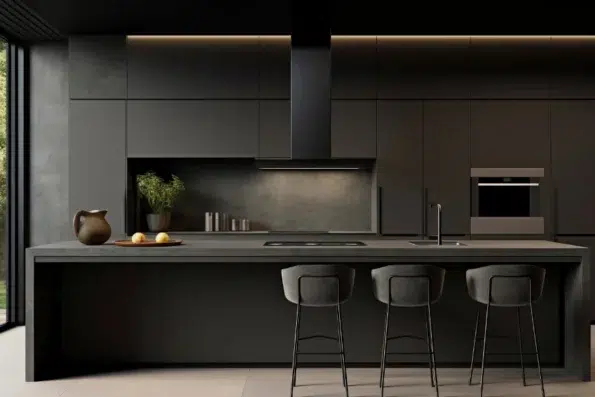
8 Benchtop Colours to Match Black Cabinets The technique of creating a fashionable kitchen begins with the right use of cabinets and benchtops. The trendiest thing about black cabinets is that they are daring and modern, as well as having a classic look. However, to make them stand out, pairing them with the right kitchen benchtop is necessary. Be it contrast, texture, or a smooth finish, your black stone kitchen benchtop or contrasting tones choice can make or break the entire scheme. Whether it is sleek black stone benchtops or warm tones of timber or light quartz, there is a benchtop to suit every kitchen design. This guide will reveal eight beautiful black benchtops and contrasting finishes that will add class to any black benchtop kitchen, whether a dark stone benchtop or matte black stone benchtop. Our Stone Slabs Range Silver Patagonia Quartzite Sierra Wave Granite Patagonia Retro Granite Iceborne Quartzite View All Find the Perfect Stone for Your Project Not sure which stone will suit your kitchen, bathroom, or outdoor space? Explore our curated selection of natural stone slabs and get expert advice on the best choice for your design. View our Range White Quartz Benchtops Together with black cabinets, white quartz benchtops produce a classic combination that is classy and crisp. White quartz is light-reflective, making it suitable when one needs more lighting in a small area, such as in a black benchtop kitchen. The high-end look is achieved as the depth of the black stone benchtops is contrasted with the crispness of the surface. This appearance is easy to combine with any splashback, and it suits contemporary and traditional kitchen designs, so it is one of the most universal options for a kitchen benchtop to use with black cabinets. Marble-Inspired Benchtops When deciding on adding some elegance, marble-look benchtops come in handy, as the black stone kitchen benchtops are a perfect match. The rich veining and natural fluidity of marble designs bring a luxurious note to your kitchen. Benchtops are made from white and grey marble, which makes them very beautiful when set against dark cabinets, drawing texture and drama into the composition. This suits especially well in a designer interior that promotes the use of gold or brass decoration. Marble-inspired surfaces can be a big winner and are a little glam choice, so they are great when designing a black benchtop kitchen and can provide maximum sophistication and a style statement. Concrete Benchtops Concrete benchtops complement matte black stone benchtops well to achieve a modern industrial feel. Their sharp textural surface offsets the smoothness of black cabinets and brings in a neutral, urban tone. They can be bought in light or mid-grey shades and would be best suited to minimalist or loft-style kitchens. Concrete adds character to the benchtop, softening the dramatic effect of a dark stone benchtop. This pairing is long-lasting, fireproof, and fits well for people who value more subtle and modern kitchen design that does not go out of style in a short period of time. Timber-Style Benchtops Wood-like or timber benchtops bring in warmth and are in sublime contrast with the boldness of the black benchtops. The use of oak, walnut, or spotted gum also provides a feeling of substance and softening, so this combination is perfect in Scandinavian, seaside, or farmhouse-style kitchens. Timber surfaces make a welcoming, layered space when paired with a black stone kitchen benchtop. They create a great contrast and at the same time feel homely and welcoming, which fits those who prefer their kitchen to be both current and cosy. Dark Stone Benchtops Go all the way with a black benchtop of dark stone paired with black cabinets. This bold monotone style suits well in an expressive kitchen with a touch of luxury. Other neutrals, such as charcoal, graphite, or even navy, add character and texture but still look sleek. The refinement and atmosphere are provided by a black stone benchtop and under-cabinet lighting or brass objects. Soft Beige or Cream If white seems too extreme, soft beige or cream benchtops are the ideal contrasting accompaniments to black stone kitchen benchtops. These neutral-toned shades warm up the kitchen and add light, but they do not contrast sharply with dark cabinetry. The effect is a light, gentle look that is best suited to either a traditional or a transitional kitchen. The beige-coloured benchtop for a kitchen that features black cabinets is both elegant and quite versatile and seamlessly complements old-style, brass, or matte black fittings, which is why it will never become outdated and can take any interior to the next level. Green or Emerald Tones Green or emerald benchtops create a special effect that draws on nature, which can be achieved in any kitchen. Combined with black benchtops, these strong tones are very serene and luxurious. Green in stone surfaces or powerful emerald walls add a touch of colour but do not detract from the design. The green hues can also provide a new and refreshing look to the conventional neutrals of a kitchen benchtop made from black stone for homeowners who seek to add some contemporary yet organic feel to their kitchen. Black-on-Black Sleek and Sophisticated The ultimate modern elegance is achieved with a matte black stone benchtop and black cabinets. It is luxurious and bold, with black-on-black paired with either an assortment of textures, such as brushed metals or wood. Though it might seem overwhelming, you can introduce some balance: install LED lights, glass shelves, or a shiny splashback. This is a perfect design option for people who want an all-black monochromatic kitchen and prefer a high-impact and smooth kitchen benchtop for the most seamless black kitchen design that looks sleek and minimal with striking effects. Pro Tips for Matching Benchtops with Black Cabinets A Case in Point is the Finish Your benchtop finish is an important component of the general feel of the kitchen. Benchtops made of glossy material allow the reflection of light and can brighten the room, making them suitable in

CONTINUE READING ➞
Kitchen Benchtops and Splashbacks

How to Pair Kitchen Benchtops and Splashbacks: A Complete Guide

How to Pair Kitchen Benchtops and Splashbacks: A Complete Guide Two of the most crucial surfaces to consider when planning your kitchen are the splashback and the benchtop. These components improve the space’s appearance and greatly affect its maintenance and functionality. Effective pairing of kitchen benchtops and splashbacks can help produce a harmonious, fashionable and useful kitchen space. In this article, we will discuss how to match these surfaces to achieve the ideal look for your kitchen. Our Stone Slabs Range for Countertops Silver Patagonia Quartzite Sierra Wave Granite Patagonia Retro Granite Iceborne Quartzite View All Find the Perfect Stone for Your Project Not sure which stone will suit your kitchen, bathroom, or outdoor space? Explore our curated selection of natural stone slabs and get expert advice on the best choice for your design. View our Range Understanding the Role of Kitchen Benchtops and Splashbacks What Is the Purpose of a Kitchen Benchtop? A kitchen benchtop, or countertop, serves as the primary workspace in the kitchen. You store kitchen appliances, prepare food and complete various cooking tasks there. A benchtop must be scratch- and stain-resistant, easy to clean and strong enough to withstand daily use. It also adds to the general aesthetics of the kitchen—natural stone, engineered stone and timber each offer different functionality and appearance depending on your kitchen’s style. The Importance of a Kitchen Splashback A kitchen splashback critically protects the walls behind cooking areas from grease, water and food splashes. It makes cleaning simpler, preserving a neat and hygienic kitchen. Apart from its practical use, a splashback can improve the appearance of the kitchen by acting as a focal point or a complementary element of the overall design. Any kitchen should feature a well-selected splashback made from materials like glass, tiles and stone to provide style, durability and easy maintenance. Choosing the Right Benchtop & Splashback Material When selecting materials for your kitchen benchtop and splashback, choose options that complement each other in style, use and upkeep. A cohesive combination ensures both seamless functionality and a unified decorative look. Benchtop Material Options Natural stone (granite or marble): Adds elegance and longevity but may require sealing every 12–18 months to guard against staining. Engineered stone (quartz): Provides a non-porous, low-maintenance choice of designs, patterns and colours to complement different kitchen styles. Timber: Brings a warm, rustic feel ideal for country-style kitchens but needs regular oiling or sealing to avoid water damage. Concrete: Suits contemporary, industrial kitchens and can be customised with various finishes, creating both functionality and aesthetic appeal. Splashback Material Options When choosing a splashback, it should protect your walls while enhancing your benchtop’s look: Glass splashbacks: Slim, easy to clean and match most benchtop styles. Tile splashbacks: Available in a vast range of colours, patterns and finishes—ideal for traditional and modern kitchens alike. Marble or stone splashbacks: Offer a seamless, sophisticated appearance when used alongside natural stone benchtops; premium grades ensure durability and simple cleaning. Stainless steel splashbacks: Highly durable and heat-resistant, perfect for busy, industrial-style kitchens and complementary to concrete or timber benchtops. Using materials that match in colour and texture creates a functional yet visually unified kitchen design. Matching Your Benchtop and Splashback Harmonising Colours and Textures When matching your benchtop and splashback, consider texture and colour carefully. Select complementary materials for a harmonious appearance. If your countertop is dramatic dark granite, for example, a lighter-coloured splashback—such as white or light-grey tiles—will create a fashionable and balanced contrast. Conversely, a neutral benchtop combined with a vivid or patterned splashback can add visual interest. Minimalist and Subtle Designs Choose the same tone or texture of materials for a simple appearance. For example, a completely white kitchen featuring a white marble benchtop and pale, light-coloured glass splashback creates a clean, airy feel. Monochrome design ensures the kitchen remains uncluttered and fresh. Using Patterns and Colours for a Bold Look If you’d like something more dramatic, consider coordinating colours and patterns. For instance, an elaborate, rich, dark granite benchtop blends well with a patterned tile splashback, adding colour and dimension. If your benchtop is plain, you can experiment with bright or patterned splashbacks to give the kitchen character and texture. The Balance Between Function and Aesthetics Although appearance is important, when matching kitchen benchtops and splashbacks you should also consider functionality. Both materials must resist the demands of a busy kitchen and be simple to maintain. Glass splashbacks should clean easily without leaving streaks, and stone benchtops may need sealing to prevent stains. How to Care for Your Benchtops and Splashbacks Cleaning Your Kitchen Benchtop Regular cleaning of your kitchen benchtop will help keep it looking immaculate. Use a non-abrasive cleaner and avoid strong chemicals that could harm the surface of natural stone benches. For engineered stone, simply wipe the surface with a soft cloth and mild detergent. To protect the wood from stains and moisture, timber benchtops need oiling or sealing. Maintaining Your Splashback To prevent dirt and grease from accumulating, splashbacks need regular cleaning. A mild glass cleaner works best on glass splashbacks. A tile cleaner or a water-and-vinegar mixture will help clean tile splashbacks. Stone splashbacks can be cleaned with a gentle stone cleaner; stainless steel splashbacks should be wiped down with a soft cloth to prevent scratching. Conclusion The symbiotic integration of kitchen benchtops with splashbacks requires thoughtful choices in style, material and functionality. No matter which type of benchtop you choose—a rustic timber, modern engineered stone or classic natural stone—you must pair it with a matching splashback that complements it and the overall kitchen style. When you get the combination right, you’ll have a beautiful, functional and easy-to-maintain kitchen. FAQs About Stone Kitchen Islands What is the best material for kitchen benchtops? Your personal taste and kitchen design will determine the finest material for kitchen benchtops. Natural stone, engineered stone and timber each have distinct advantages. Often, engineered stone is the most sensible choice for durability and ease of care. Can I match my kitchen benchtop with any splashback? Indeed, practically

CONTINUE READING ➞
Stone kitchen Island

How to Choose the Best Stone Kitchen Island for Your Home

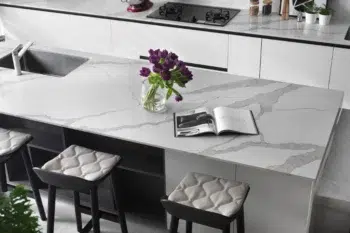
How to Choose the Best Stone Kitchen Island for Your Home A stone kitchen island can dramatically transform the functionality and design of your kitchen by unifying all the elements. Choosing the right stone material for your kitchen island will greatly influence the overall look of your space and ensure it meets your needs, whether you’re renovating or building a new property. Factors such as budget, maintenance, style, and durability will all impact your decision. This article will guide you in selecting the perfect stone kitchen island for your home. Find the Perfect Stone for Your Project Not sure which stone will suit your kitchen, bathroom, or outdoor space? Explore our curated selection of natural stone slabs and get expert advice on the best choice for your design. View our Range Why Choose a Stone Kitchen Island? Homeowners looking to enhance their kitchens with a durable, luxurious, and timeless material will find great value in stone kitchen islands. These islands are a popular choice for many reasons, including: Aesthetic Appeal Natural stone’s charm can elevate any kitchen design. Whether you choose the subtle warmth of limestone, the sleek sophistication of granite, or the timeless elegance of marble, a stone kitchen island adds a touch of form and finesse to your space. Durability and Longevity Stone can last for many years, even with heavy use. A practical kitchen island made from stone is the ideal material as it is heat, stain, and scratch-resistant. Typically outlasting other materials used in kitchens, a stone kitchen island can endure for decades with the proper care. Low Maintenance While stone kitchen islands are low-maintenance, they may require some upkeep. Granite and quartzite, for example, are highly stain-resistant, and regular cleaning with mild soap and water will keep them looking brand new. Value for Your Home Installing a stone kitchen island can increase the value of your home. Premium materials, such as stone, are known to attract buyers, providing a strong return on investment when you sell. Types of Stone for Kitchen Islands Understanding the different types of stone available will help you select the best one for your kitchen island. Each stone has its own unique advantages. Below, we’ve outlined the most popular options: Marble Marble is renowned for its classic beauty and opulence. It comes in various colours, ranging from pure white to intricate veined patterns. While marble can be treated for additional protection, it is more prone to discolouration and chipping. Benefits: Elegant and sophisticated appearance Available in a variety of colours and patterns Unique veining that offers a one-of-a-kind look Drawbacks: Prone to scratches and stains if not maintained properly Requires regular sealing to protect against stains Granite Granite is one of the most durable stones available for kitchen counters and islands. It can withstand the demands of a busy kitchen, being scratch- and heat-resistant. Granite comes in a wide range of colours and patterns, offering versatility in design. Benefits: Extremely durable and long-lasting Resistant to heat, scratches, and stains Easy to maintain with regular sealing Drawbacks: Requires periodic sealing to prevent staining Can be heavy, requiring additional support in some installations Quartz Quartz is an engineered stone made from natural quartz crystals and resin. It is non-porous, making it highly resistant to stains and bacteria. Unlike natural stones such as marble or granite, quartz kitchen islands are available in a broader range of colours and patterns, offering a more consistent and predictable look. Benefits: Low-maintenance and non-porous Highly resistant to stains and bacteria Available in a wide range of colours and patterns Drawbacks: Not as heat-resistant as granite or quartzite Can be more expensive than other stone options Limestone Limestone is a popular choice for its soft, earthy tones and natural feel. It’s perfect for creating a cosy, natural atmosphere in the kitchen. However, because it is a softer stone, it can be damaged by acidic substances. Benefits: Earthy, natural aesthetic Soft, warm colours Works well with a variety of kitchen styles Drawbacks: Soft and prone to scratches and etching Needs to be sealed regularly to avoid staining Factors to Consider When Choosing the Best Stone for Your Kitchen Island Your needs, budget, and desired aesthetic should all be taken into account when selecting the ideal stone for your kitchen island. The following are key considerations: Budget Stone options vary in cost. Typically more expensive than quartz or limestone, marble and granite will impact the overall budget for your kitchen island. Higher-end stones may require more maintenance, which could affect long-term costs. Kitchen Style Consider your kitchen’s overall design before selecting a stone. A modern kitchen may suit quartz or granite with a sleek finish. Soapstone or limestone would complement a rustic or country-style kitchen. Marble is ideal for accentuating the traditional style of a classic kitchen. Durability and Maintenance Each stone has different maintenance requirements. While marble and limestone need more care to keep them looking pristine, granite and quartz are more durable and easier to maintain. Consider how much time you’re willing to invest in upkeep and whether you are comfortable with sealing and caring for certain types of stone. Colour and Pattern The colour and pattern of your stone will significantly influence the overall appearance of your kitchen. Consider the existing colours in your walls, floors, and cabinets. Quartz offers more consistency in colour and design, while granite and marble feature unique, varied patterns. Eco-Friendliness For those focused on sustainability, eco-friendly stones like recycled stones or quartz may be appealing. If sustainability is a priority, some suppliers offer environmentally friendly materials, ensuring that your choice aligns with your values. How to Care for Your Stone Kitchen Island The beauty and longevity of your stone kitchen island depend on proper maintenance. Follow these tips to keep your stone looking its best: Clean Regularly: Use a soft cloth and mild soap with warm water to clean your Stone Island. Avoid abrasive cleaners or harsh chemicals, as they may scratch the surface of the stone. Seal When Necessary: Stones like

CONTINUE READING ➞
Island Bench

The Pros and Cons of an Island Bench in Your New Kitchen

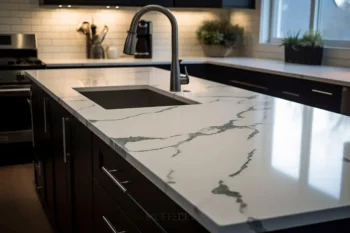
The Pros and Cons of an Island Bench in Your New Kitchen The kitchen is often referred to as the heart of the home, and with good reason. It is where food is prepared, families gather, and the pulse of everyday life unfolds. Because it is one of the busiest and most important rooms, it is essential to make design decisions that are both functional and stylish. Island benches have become one of the most popular features in kitchens, especially in homes across Australia. They provide additional storage, workspace, and a social hub. But should you have an island bench in your kitchen? This guide explores the pros and cons of an island bench. It provides insights to help you make informed decisions. Whether you are designing a new kitchen or renovating your current one, this complete guide will help you decide if an island bench is right for your space, budget, and lifestyle. Find the Perfect Stone for Your Project Not sure which stone will suit your kitchen, bathroom, or outdoor space? Explore our curated selection of natural stone slabs and get expert advice on the best choice for your design. View our Range Pros of the Island Bench Social Center for Entertainment Australians are known for their love of entertaining, and the kitchen has evolved into a central gathering place for many homes. The island bench can be used as a multi-purpose space for cooking, dining, and socializing. This makes it a great addition for those who host frequent gatherings. Encourages Interaction: The bench provides an open space where guests and cooks can easily engage with one another. This is especially useful in open-plan homes where the kitchen and living room blend seamlessly. Perfect for Serving Food and Drinks: The island can function as a buffet table, ideal for displaying platters of food or party snacks. It is also a great place to set up a drinks table while entertaining guests. Casual Dining Area: Many island layouts include seating, transforming the bench into a casual dining space that is perfect for family breakfasts or quick meals. Additional Storage One of the biggest challenges in any kitchen is storage. With appliances, utensils, and pantry items taking up space, cabinets often become overcrowded. An island bench provides additional storage, keeping everything organized and within easy reach. Deep Drawers: These drawers are ideal for storing large items like pots, pans, and mixing bowls. They also help in organizing cooking utensils and small appliances. Open Shelving: Many island designs feature open shelving for cookbooks, decorative accessories, or frequently used kitchen items such as fruit bowls. Hidden Storage: Some islands have enclosed compartments for rubbish bins, recycling, or extra pantry space, helping maintain a clean and clutter-free kitchen. A Multi-Functional Workspace Modern kitchens demand versatility, and an island bench can serve multiple purposes, making it a valuable addition for multitaskers. Breakfast Bar: The island can function as a breakfast bar or informal dining space, eliminating the need for a separate dining table and optimizing kitchen space. Homework Station: With seating and ample counter space, the island bench can double as a homework station, allowing kids to complete assignments while parents prepare meals. Additional Cooking Area: Many islands include built-in sinks, stovetops, or dishwashers, turning them into extra cooking or cleaning zones. Entertainment Hub: The island is perfect for setting up snacks and drinks during parties, offering space for a charcuterie board or other refreshments. With these features, the island bench increases the practicality and aesthetic appeal of the kitchen. Enhances the Look and Feel of Your Home Beyond functionality, an island bench significantly enhances kitchen design. It serves as a focal point and adds style to the space. Stone & Quartz Benchtops: Durable and elegant, materials like stone or quartz create a sleek, modern finish that elevates the kitchen’s appearance. Timber Accents: Many homeowners incorporate timber elements to add warmth and contrast to contemporary kitchen designs. Waterfall Edges: Waterfall countertops extend the material down the sides of the island, creating a luxurious and seamless look. An island bench also creates a sense of openness, improving the overall flow of the kitchen and making even small spaces feel more expansive. Raises Home Value If you plan to sell your home in the future, installing an island bench can be a smart investment. Spacious, modern kitchens are a key selling point for buyers. Appeal to Potential Buyers: An island bench stands out during home inspections and enhances the overall attractiveness of your property. Increases Home Value: Kitchens with islands are considered more modern and functional, often leading to a higher resale price. An island bench adds marketability and desirability to your home, making it more competitive in the real estate market. The Cons of an Island Bench Not Suitable for Small Kitchens While an island bench is a great addition to large kitchens, it may not be ideal for smaller spaces. Restricted Movement: An island can take up significant floor space, making it harder to move around, especially in compact kitchens. Disrupts the Work Triangle: The optimal placement of the sink, stove, and fridge (known as the kitchen work triangle) may be affected, reducing efficiency. Obstructs Cabinet Access: A poorly placed island can block cabinets or drawers, making it inconvenient to work in the kitchen. For smaller kitchens, alternatives like a peninsula or a mobile island with wheels may be a better solution. Cost of Installation Can Be Expensive Installing an island bench can be a significant investment, depending on the materials and features chosen. Use of Premium Materials: High-end materials like stone, quartz, or marble can be costly. Built-in Appliances: Adding a sink, stovetop, or dishwasher requires additional plumbing and electrical work, increasing costs. Custom Storage Solutions: Features like soft-close drawers and hidden compartments add convenience but raise the overall price. If you’re on a tight budget, weigh the cost against the benefits to determine if an island bench is worth the investment. Potential for Clutter Without proper organization, an island bench can

CONTINUE READING ➞
Wishlist
Recently Viewed
Categories