Natural Stone flooring

Natural Stone Flooring: Tips for Durability and Style

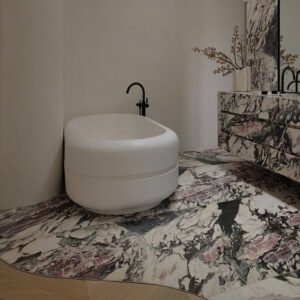
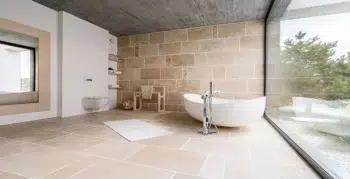
Natural Stone Flooring: Tips for Durability and Style If you are looking for a one-of-a-kind flooring solution that brings in natural beauty and distinct style, then natural stone tiles could be your answer as they are made of nature and are highly durable at the same time. Whether natural or man-made, with this large selection of stone flooring materials, each type offers distinct advantages and is perfectly suited to different home decor designs. By providing proper care, the lifecycle of stone flooring can be prolonged for years, beautifully reflecting the dignity and aura of your premises. This guide is going to be a source of wisdom and information for the choice of stone flooring for your home and offer advice for it to look good for many years. Different Types of Natural Stone Flooring In the process of deciding between different natural stones, the key is considering the specific characteristics and visual appeal of each option. In Australia, stone flooring not only gives a property an increase in value but also brings the natural beauty of stone to the inside and outside of the home. Natural stone flooring comes in many shapes and colors that can be a perfect match for any design scheme no matter the texture or the durability.   Marble Flooring The marble is the main symbol of opulence and luxury, which is used because of its amazing veining pattern and the glossy surface it has. The marble which is perfect for formal living areas and entrances imparts an air of refinement with the need to take care to prevent it from getting stained or scratched due to its porous surface. Proper sealing and easy cleaning regularly will ensure its pearly white look​. Granite Flooring Granite is characteristically durable and, among other things, presents a variety of colours and patterns for you to choose from. The life span of the surface is extended, as it endures scratches and chips well, especially in areas of high traffic, like kitchens and hallways. Granny’s high density in addition to the lower likelihood of absorption of stains, makes maintenance of this stone over time easier when compared to softer stones. Travertine Flooring Travertine, with its natural pitted surface and a colour palette that ranges from warm to earthy, has a rustic look that fits very well in both indoor and outdoor settings. Its natural texture provides a non-slip surface and is capable of withstanding adverse weather elements such as rain, frost, and snow making it an ideal choice for pool surrounds, patios, and interior spaces. Travertine sealing not only increases the strength of travertine, but also covers the dirt marks​ ​. Limestone Flooring Limestone is good in offering wide neutral colours that can give a feeling of warmth and nature in any room. It is idealized especially for places where there is less pedestrian traffic because it is softer and more porous than granite or quartzite. Limestone needs to be cared for to prevent scratches and stains. Unlike marble, limestone is really sensitive to acidic substances. It needs to be sealed regularly. Quartzite Flooring Quartzite is a robust, metamorphic rock that is popular due to its superior wear and abuse resistance and therefore makes a perfect flooring substitute. The glassy texture is characteristic, and the colour palette ranges from white to grey with pink and red tones that reflect the mineral content. Quartzite has a lower porosity level compared to marble or limestone, which helps to prevent any stains and keep the maintenance work at a minimum. Find the Perfect Stone for Your Project Not sure which stone will suit your kitchen, bathroom, or outdoor space? Explore our curated selection of natural stone slabs and get expert advice on the best choice for your design. View our Range Natural Stone Flooring Design Ideas Achieving a level of sophistication and beauty that lasts for a lifetime is possible with the incorporation of natural stones into your house’s design. Let us look at a few design strategies that incorporate various shapes of natural stone floors in a manner that amplifies both the aesthetics and functionality of different areas. Elegant Entryways: The stunning entrance can be achieved with marble flooring. The glossy finish and impeccable designs of marble which act as an eye-catching display mark the entrance, leaving an impression of being stylish and classy. For a long-lasting look, go for a polished finish that gives the room the reflection of natural light and thus makes the room look spacious. Rustic Kitchens: To achieve the effect of a rustic yet elegant appearance, travertine tiles would be the best fit for your kitchen. Its natural holes and small size are the main reasons that it has a non-slip surface that is perfect for the busy, spill-prone kitchen environment. By putting travertine with wood decorations or copper fixtures, you can fuse the feel of the countryside. Sophisticated Living Rooms: One way to achieve this is by using limestone flooring in the living room to generate a warm and pleasant ambience. The limestone is the dancing partner of sunlight and its colors augment beautifully with any decor, may it be modern or traditional. Upgrade the design by installing area rugs that will add colours to the space and will allow for the defining of separate seating areas. Outdoor Oasis: A patio can be conceived using granite slabs that will be resilient to harsh weather and high foot traffic. The stone’s durable quality is perfect for backyard patios or garden paths. Different textures and colours can also be used to reproduce that of nature, creating a continuous connection between indoor and outdoor living spaces. Luxurious Bathrooms: Create a spa-like style in your bathroom by using the quartzite surface. A quartzite is remarkable for its strong and waterproof properties so it is a good option for wet areas. The stylish sheen and dramatic veining patterns of its surface add a unique element to each bath that makes every one of them feel like a luxury spa. Cleaning and Care for Long-lasting Stone Floors When done right, Stone

CONTINUE READING ➞
flooring

The Pros And Cons Of Stone Flooring

The Pros And Cons Of Stone Flooring Stone flooring has benefits and drawbacks of its own. The good news is that stone floors are resilient to wear and tear and are ideal for areas with significant foot circulation. Their natural beauty lends a touch of sophistication to any area, and they could need very little work. Do you intend to install stone flooring in your own house? Which factors matter most to you when selecting flooring materials? Let’s get started and investigate the world of stone flooring, evaluating the benefits and drawbacks to enable you to make an educated decision for your space. Your ideal home awaits when you choose the right flooring! Our Stone Slabs Range for Countertops Silver Patagonia Quartzite Sierra Wave Granite Patagonia Retro Granite Iceborne Quartzite View All Pros of Stone Flooring Here are the pros of Stone Flooring! Durability Because of its remarkable durability, stone flooring is a famous choice for excessive-visitors regions in both residential and industrial homes. Every sort of stone can withstand daily wear and tear, regardless of desire: granite is resilient, marble flooring is powerful, limestone is robust, and Travertine Flooring is difficult. Herbal hardness is a crucial factor that adds to their longevity by providing protection against dents, scratches, and other forms of physical impact. Furthermore, stone floors are less likely to fade or get discoloured in the light of day, ensuring its durability as a draw. Moreover, stone floors become highly impervious to stains and moisture when properly sealed, increasing their ability to withstand spills and exposure to water. Because of its durability, stone flooring is not only a wise and reliable option for areas that need resistance and hardness, but it also lessens the need for frequent replacements or upkeep. Elegant Appearance Stone flooring, renowned for its stylish appearance, provides an enduring charm to any area. Natural materials with a touch of elegance, including marble, granite, limestone, and Travertine Flooring, may completely change the aesthetic of your home or place of business. With its intricate veining and highly costly designs, marble exudes grandeur, making it a popular material for opulent interior design and magnificent entrances. Granite, on the other hand, gives a more unified and modern appearance, enhancing cutting-edge design schemes with its sleek style. While travertine radiates a rustic charm that is perfect for those wanting a more earthy and natural experience, limestone has a gentler, more welcoming colour that gives living spaces a warm feel. Whatever the exact kind of stone chosen, stone flooring’ fashionable appearance enhances the overall ambience and transforms ordinary rooms into ones of superior quality. Low Maintenance One major advantage of stone flooring is that it requires less maintenance, giving homeowners a practical and efficient option. Many forms of stone, such as granite and some types of limestone, have inherent durability that reduces the need for constant maintenance. Generally, periodic moist mopping combined with routine sweeping or vacuuming to remove dirt and debris is sufficient to keep stone floors looking their best. Furthermore, certain stone substitutes, such as granite, are undoubtedly stain- and scratch-resistant, lowering the possibility of damage and streamlining daily maintenance. Depending on the particular kind of stone, periodic sealing guarantees the durability of the flooring and allows for stain prevention. Selecting stone flooring not only gives your space a chic and timeless appeal, but it also lessens the impact of substantial protection. Because of its durability and ease of maintenance, stone flooring allow you to enjoy a beautiful, problem-free environment without compromising style or elegance. Versatility Stone flooring are very desirable for many programmes in both residential and commercial settings due to their adaptability. Stone floors are infinitely customisable, offering a wide range of materials such as marble, granite, limestone, and travertine. Stone flooring adds a timeless elegance to living rooms, kitchens, bathrooms, and even bedrooms within buildings. Its eclectic textures and herbal beauty enhance both traditional and modern aesthetics. Stone flooring outside easily transforms pool areas, patios, and walks into hospitable settings with timeless elegance. In addition, stone flooring comes in a wide variety of hues, designs, and textures, offering endless customisation options. There is a stone option to suit your vision, whether you want a sleek, modern appearance or a rustic, traditional vibe. This flexibility finds use in commercial settings, such as restaurants, offices, and lobby areas, in addition to residential settings. Stone flooring is a flexible and lasting desire to enhance the atmosphere of any place because of its persistent appeal and flexibility. Find the Perfect Stone for Your Project Not sure which stone will suit your kitchen, bathroom, or outdoor space? Explore our curated selection of natural stone slabs and get expert advice on the best choice for your design. View our Range Cons of Stone Flooring Here are the cons of Stone Flooring! Cost When considering flooring options, the cost of stone floors is probably a notable consideration. Marble is often thought of as being luxurious and is typically more expensive. Despite its durability, granite may also be somewhat pricey. Even if they have a lovely appearance, limestone and travertine could be a more affordable option. It’s important to consider not just the stone’s purchase price but also the cost of installation. The installation of stone flooring typically calls for specialised knowledge, which raises the overall mission cost. Nonetheless, considering the durability and visual appeal that the greatest stone flooring provides to a room, many people find the investment to be justified. When budgeting, be sure to priorities your needs and consider the many stone options that are out there to strike a balance between cost and the desired aesthetic effect for your residence or place of business. Maintenance Requirements Paying attention to certain desires is necessary to preserve the beauty of stone floors, such as granite, travertine, and limestone. Because limestone is renowned for being delicate and porous, regular sealing helps protect it from stains. This precautionary procedure is very important since spills may discolour limestone very easily. Granite is a more durable substitute that often

CONTINUE READING ➞
Natural Stone flooring

How To Care For Your Natural Stone Floor: Dos And Don’ts

How To Care For Your Natural Stone Floor: Dos And Don’ts Natural stone floors are timeless and add sophistication and character to any room. Whether it’s Marble, Granite, Limestone, or Travertine flooring, the beauty of genuine stone is unmatched. However, these elegant floors require proper maintenance. In this article, we will explore the different types of natural stone flooring, provide dos and don’ts for caring for them, and share professional tips to keep them in pristine condition.   Our Stone Slabs Range for Countertops Patagonia Sedona Granite Sierra Wave Granite Patagonia Retro Granite Azeroth Granite View All Types of Natural Stone Floors: Understanding Your Flooring To effectively maintain your natural stone floors, it is crucial to identify the specific type of stone you have. Each stone possesses unique characteristics and requires specific care. Marble Flooring: A timeless and elegant choice, marble is easy to maintain. However, it is susceptible to scratches and stains, requiring careful cleaning to preserve its pristine surface. Granite Flooring: Known for its durability, granite is ideal for high-traffic areas. Resistant to scratches and stains, it is commonly used in kitchens and hallways. Limestone Flooring: With its rustic and organic appearance, limestone adds a natural charm to any space. Although not as hard as granite, it demands diligent attention to prevent staining and chipping. Travertine Flooring: Featuring an earthy aesthetic, travertine is a popular option. Due to its porous nature and sensitivity to acids, special precautions must be taken during cleaning. By accurately identifying the type of natural stone slab or flooring you possess, you can provide the proper care needed to maintain its longevity and preserve its inherent beauty. Find the Perfect Stone for Your Project Not sure which stone will suit your kitchen, bathroom, or outdoor space? Explore our curated selection of natural stone slabs and get expert advice on the best choice for your design. View our Range Dos: Best Practices for Cleaning and Maintaining Your Stone Floor To properly care for your natural stone floor, it’s crucial to not only consider what you do but also how you do it. Here’s a comprehensive guide to the best practices: Use cleaning products specifically designed for natural stone to prevent scratching. Acidic or abrasive cleaners can easily damage the delicate surface of stone floors. Regularly clean your stone floor to prevent dust and grime from causing harm. Simply sweeping or vacuuming on a consistent basis and wiping with a damp cloth will help maintain cleanliness. Since most natural stones are porous and can absorb liquids, it’s essential to seal them. By applying a high-quality sealer, you enhance their stain resistance and simplify maintenance. Act quickly in the event of a spill on your stone floor. Blot the spill with a soft towel to prevent the stain from penetrating the stone and causing permanent damage. By following these guidelines, you can ensure that your stone flooring retains its shine and durability for many years to come. It’s not just about keeping them clean; it’s also about preserving their authentic appearance and texture. Don’ts: Common Mistakes to Avoid To maintain the beauty and integrity of your natural stone flooring, it’s important to know what to do and what not to do. Here are some common mistakes to avoid: Marble and limestone may be etched by using acidic cleaners such as lemon, vinegar, or bleach. Always clean natural stone using products that are pH-neutral and made for that purpose. Don’t Ignore Accidents: Some spills, like wine or juice, may leave persistent stains if not cleaned up immediately. Take immediate action to erase them. Scrubbing with abrasive pads or brushes might damage the stone’s finish, so avoid using them. When mopping, always use soft towels. Sealing is an important step that should not be skipped since it protects your stone from stains and wear. Sealing the stone on a regular basis can help keep it looking good and lasting longer. Avoid soaking the floor; doing so increases the risk of water soaking into the stone and damaging it. A wet mop or towel should be used at all times. By avoiding these common mistakes, you can preserve the natural beauty and integrity of your Marble Flooring, Granite Flooring, Limestone Flooring, and Travertine Flooring. 4 Tips for Maintaining Your Natural Stone Floors Beautifully Maintaining natural stone floors doesn’t have to be daunting. Here are four tips to keep them looking their best: Know Your Stone: Determine the correct cleaning materials and techniques based on the type of stone you have. Regular Maintenance is Key: Keep your floors looking great for years by regularly cleaning and sealing them. Don’t underestimate the importance of ongoing maintenance alongside occasional deep cleanings. Call in the Experts: When in doubt, it’s wise to consult with professional cleaning or restoration services. They have the expertise to handle any uncertainties. Educate Yourself: Stay informed about cutting-edge remedies and how to use them. Knowledge is a powerful tool when it comes to caring for your flooring. Conclusion Natural stone floors may make a statement in terms of style and are more than just a surface. From the luxury of Marble Flooring to the rustic charm of Travertine Flooring, each stone has its own history. Respect for the natural beauty they represent and the ambiance they provide to any space is shown by keeping these floors in good condition. Your expertise, regular care, and avoiding common mistakes will all contribute to the attractiveness of your natural stone flooring. If you adhere to these recommendations, your flooring will remain a magnificent tribute to your house. Frequently Asked Questions (FAQs) How do you maintain natural stone floors? Regular sweeping or vacuuming to remove dust and filth, the use of pH-neutral cleansers made especially for natural stone, and sealing the stone to avoid stains are all necessary maintenance procedures for natural stone floors. The flooring will remain in good condition with regular maintenance and the avoidance of acidic or abrasive materials. What should you not use on natural stone? You shouldn’t clean natural stone with abrasive materials like rough

CONTINUE READING ➞
Porcelain stone flooring

Which material is best for flooring?

Which material is best for flooring? Making the right flooring choice is crucial in defining your space’s personality and functionality. Your selection needs to align with your aesthetic goals while also being practical in terms of durability, maintenance, and cost. At Avant Stone, we offers a diverse array of high-end natural stone floor tiles including marble, granite, limestone, and travertine. Each of these tiles is endowed with unique attributes, making them ideal for distinct settings and applications. In this guide, we’ll explore the range of natural stone tiles flooring options, helping you discover the ideal match for your flooring needs.   Our Stone Slabs Range Rosado Quartzite Patagonia Sedona Granite Ijen Blue Quartzite Andor Dolomite View All Marble Flooring Marble is a symbol of refined taste and grandeur. Its use in any space adds an immediate sense of elegance and class. Each piece of marble has a unique set of veins and swirls that create distinct designs, amplifying your space’s aesthetic quotient. However, marble’s beauty demands care; it is prone to staining and requires regular sealing. So, if you have a penchant for luxury and don’t mind a bit of upkeep, marble flooring could be the star attraction of your plush living room or sophisticated office suite. Further, marble flooring’s thermal conductivity makes it cool underfoot, a sought-after feature in warmer climates. Plus, its exceptional brightness can significantly enhance the luminosity of a room, contributing to an inviting and expansive feel. Find the Perfect Stone for Your Project Not sure which stone will suit your kitchen, bathroom, or outdoor space? Explore our curated selection of natural stone slabs and get expert advice on the best choice for your design. View our Range Granite Flooring Enter the world of granite, where robustness meets style. The hardness of granite is only second to diamond, making it an optimal choice for areas that see heavy foot traffic, such as kitchens or entrance halls. Its high resistance to stains and scratches, coupled with low-maintenance demands, makes granite a popular choice among homeowners. In terms of aesthetics, granite doesn’t fall short. Its spectrum of colors extends from deep blacks to rich reds, catering to an array of design preferences. The stone’s natural speckling adds visual depth and dimension, offering a stellar backdrop for any décor style. Limestone Flooring Embodying earthy charm and comfort, limestone flooring brings a piece of the natural world into your indoor space. Its warm tones and textured finish lend a laid-back, rustic feel. Limestone’s versatility allows it to be polished for a more formal appearance or kept matte for a relaxed vibe. Like its natural stone counterparts, limestone requires sealing to prevent staining and weathering, but its visual appeal and tactile comfort can be well worth the effort. Moreover, limestone flooring can contribute to improved air quality. This stone naturally helps regulate humidity and does not trap allergens, making it an eco-friendly and healthy choice for those with allergies or respiratory concerns. Travertine Flooring Travertine, a subtype of limestone deposited by mineral springs, offers a unique and aesthetically pleasing choice for flooring. Its naturally porous structure provides a non-slip surface, making it a perfect option for bathrooms, pool areas, or outdoor settings. Travertine’s palette, which includes hues from soft creams to rich browns, can add a distinctive and timeless touch to any space. Despite its beauty, travertine does call for regular sealing to protect and preserve its natural allure. Its durability and non-slip properties, paired with its earthy aesthetic, make it a great choice for a variety of applications Conclusion Conclusion Lorem ipsum dolor sit amet, consectetur adipiscing elit. Ut elit tellus, luctus nec ullamcorper mattis, pulvinar dapibus leo. Conclusion Selecting the ideal flooring material requires careful deliberation. Not only is it a financial commitment, but it also influences maintenance routines and the aesthetic of your space. Avant Stone’s plethora of choices allows you to find the perfect match for your needs. Remember, the best choice will satisfy your design sensibilities, maintenance capabilities, and budget. Ready to elevate your space with our exceptional stone and tile flooring? Visit Avant Stone today, and let us guide you in selecting the perfect material that matches your vision. Frequently Asked Questions (FAQs) What is the Most Durable Tile Flooring? In terms of durability, granite tiles are extremely durable. It’s hard, resistant to scratches, stains, and heat, making it a top choice for areas with high foot traffic. Does marble flooring demand high maintenance? Marble flooring does require a bit of TLC. Being a softer stone, it’s more prone to stains, scratches, and etching. However, frequent sealing can safeguard its surface. Is limestone flooring suitable for bathrooms? Limestone can work well in bathrooms, given its durability and versatility. However, as a porous stone, it requires sealing to prevent water damage and staining. Can I use travertine for outdoor flooring? Absolutely! Travertine’s naturally non-slip surface makes it an excellent choice for outdoor areas like patios and pool surrounds. Regular sealing is required to protect against weathering and wear. Related Posts

CONTINUE READING ➞

How To Care For Your Natural Stone Floor: Dos And Don’ts

How To Care For Your Natural Stone Floor: Dos And Don’ts Natural stone floors are timeless and add sophistication and character to any room. Whether it’s Marble, Granite, Limestone, or Travertine flooring, the beauty of genuine stone is unmatched. However, these elegant floors require proper maintenance. In this article, we will explore the different types of natural stone flooring, provide dos and don’ts for caring for them, and share professional tips to keep them in pristine condition. Types of Natural Stone Floors: Understanding Your Flooring To effectively maintain your natural stone floors, it is crucial to identify the specific type of stone you have. Each stone possesses unique characteristics and requires specific care. By accurately identifying the type of natural stone slab or flooring you possess, you can provide the proper care needed to maintain its longevity and preserve its inherent beauty. Dos: Best Practices for Cleaning and Maintaining Your Stone Floor To properly care for your natural stone floor, it’s crucial to not only consider what you do but also how you do it. Here’s a comprehensive guide to the best practices: By following these guidelines, you can ensure that your stone flooring retains its shine and durability for many years to come. It’s not just about keeping them clean; it’s also about preserving their authentic appearance and texture. Don’ts: Common Mistakes to Avoid To maintain the beauty and integrity of your natural stone flooring, it’s important to know what to do and what not to do. Here are some common mistakes to avoid: By avoiding these common mistakes, you can preserve the natural beauty and integrity of your Marble Flooring, Granite Flooring, Limestone Flooring, and Travertine Flooring. 4 Tips for Maintaining Your Natural Stone Floors Beautifully Maintaining natural stone floors doesn’t have to be daunting. Here are four tips to keep them looking their best: Conclusion Natural stone floors may make a statement in terms of style and are more than just a surface. From the luxury of Marble Flooring to the rustic charm of Travertine Flooring, each stone has its own history. Respect for the natural beauty they represent and the ambiance they provide to any space is shown by keeping these floors in good condition. Your expertise, regular care, and avoiding common mistakes will all contribute to the attractiveness of your natural stone flooring. If you adhere to these recommendations, your flooring will remain a magnificent tribute to your house. frequently asked questions (FAQ)

CONTINUE READING ➞
Wishlist
Recently Viewed
Categories