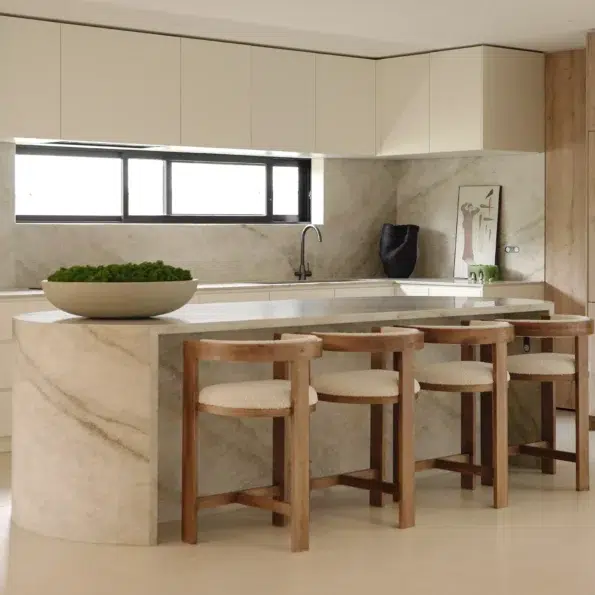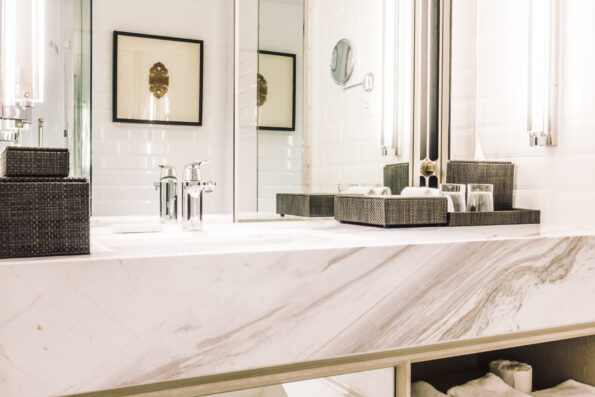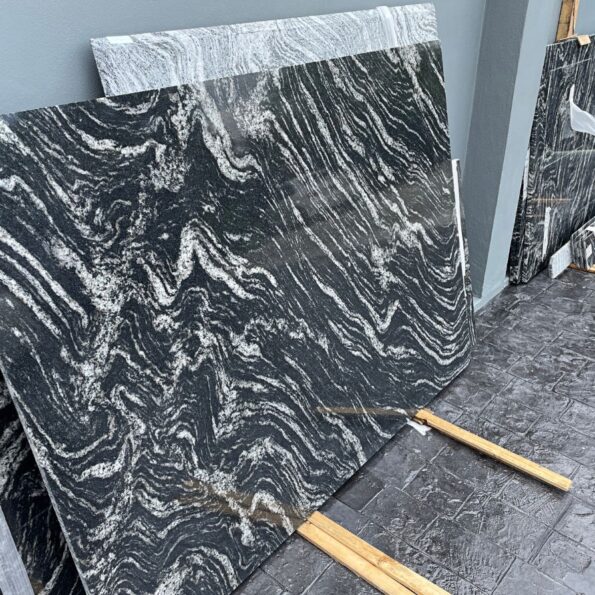

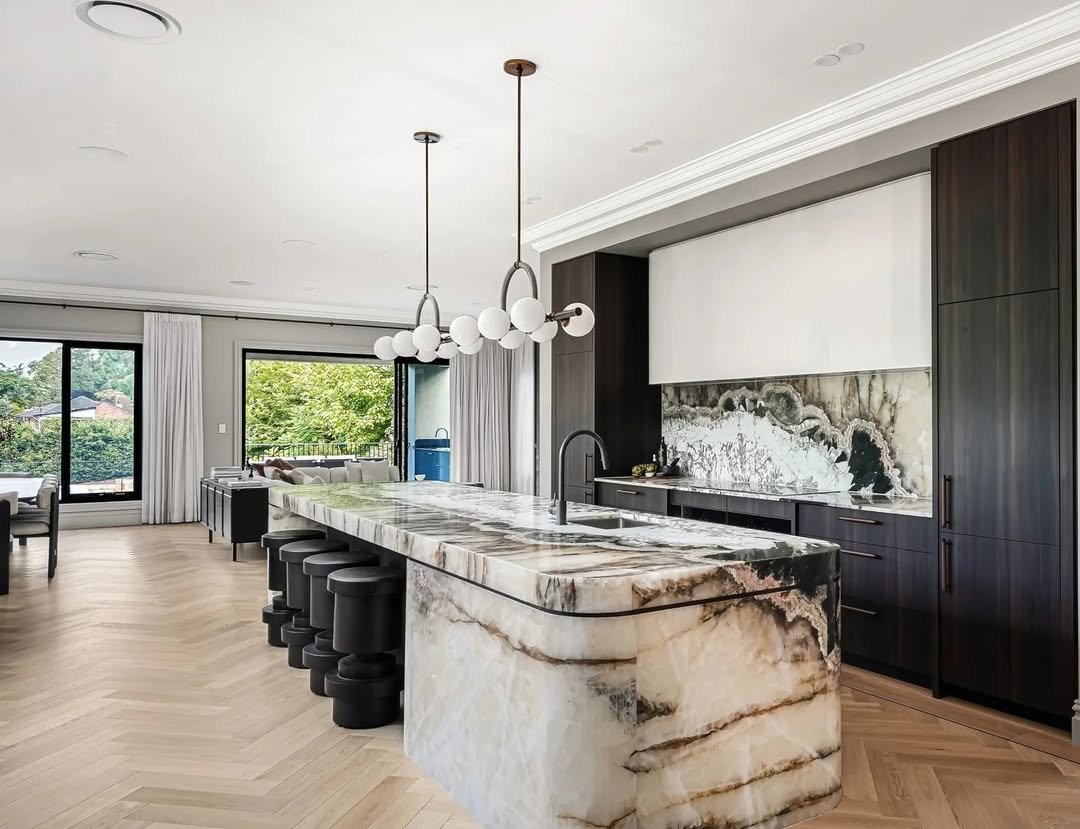
Quartzite has quietly become one of the most sought-after benchtop stones in Sydney kitchens, and it’s easy to see why. It offers the soft, marble-like beauty homeowners love, with the hard-wearing durability of granite. But quartzite is still a natural stone, and a little know-how goes a long way toward keeping it looking its best.
Caring for quartzite is genuinely simple once you know the routine. In this guide, we’ll walk through how to clean quartzite benchtops day to day, how and when to seal them, which products to use, and the small habits that protect your investment for decades.

Why Quartzite Needs Proper Care (and How It Differs from Quartz)
First, a quick clarification, because the names cause endless confusion. Quartzite is a 100% natural stone, formed when sandstone is transformed deep underground by heat and pressure. Quartz, on the other hand, is an engineered product made from crushed minerals and resin. They look similar, but they behave very differently, and they need different care.
Because quartzite is natural, it’s slightly porous. It’s far denser and more stain-resistant than marble, and it won’t etch the way marble does when it meets lemon juice or wine. Even so, those tiny pores mean an unsealed quartzite kitchen benchtop can slowly absorb oil, coffee or red wine if a spill is left to sit. Sealing closes those pores and gives you a generous window to wipe spills away before they ever become a problem. Get this one point right, and the rest of caring for a quartzite kitchen benchtop falls neatly into place.
How to Clean Quartzite Safely Without Damaging Its Surface
Daily Cleaning Practices
Every day cleaning couldn’t be easier. Wipe your benchtop with warm water and a few drops of mild dishwashing liquid, or a dedicated pH-neutral stone cleaner, using a soft cloth or sponge. Dry it off with a clean cloth afterwards to prevent water spots, which is particularly helpful in parts of Sydney with harder water. That’s it. There’s no need to scrub hard, and no need for anything harsh.
Dealing with Spills
The single best habit you can build is wiping spills promptly. Coffee, cooking oil, red wine and anything brightly coloured are the usual culprits. On a sealed benchtop, you have plenty of time, but the sooner you blot a spill with a damp cloth, the better. Blot rather than wipe so you’re not spreading it across the surface.
Removing stubborn stains
If a spill has dried or a faint mark has set in, don’t panic. Make a simple poultice by mixing baking soda with a little water into a paste. Spread it over the stain, cover it with cling film, and leave it overnight. The paste gradually draws the stain up out of the stone. Wipe it away the next day with warm water, and repeat if needed. For deep or persistent marks, it’s worth speaking to a stone professional rather than reaching for stronger chemicals.
What Products to Use and Avoid on Quartzite
The right products make quartzite care effortless; the wrong ones can quietly undo your sealer. Keep this simple.
Use: warm water and mild dishwashing liquid, a pH-neutral stone cleaner, soft cloths, microfibre and non-scratch sponges. A quality penetrating (impregnating) sealer is the one product genuinely worth investing in.
Avoid: acidic cleaners such as vinegar and lemon-based products, bleach and ammonia, and any “all-purpose” spray that isn’t stone-safe. These can break down your sealer over time and dull the finish. Steer clear of abrasive powders, scouring pads and steel wool, which can scratch a polished surface. Choosing stone-safe products from the start protects both the sealer and the natural beauty of the stone.
Sealing Tips for Preventing Stains and Scratches
Why Sealing Matters
Sealing is your quartzite’s invisible shield. A penetrating sealer soaks into the stone and blocks liquids from reaching those tiny pores, so spills sit on the surface long enough to be wiped away. It doesn’t change how the stone looks or feels. It simply buys you time and peace of mind. Most quality quartzite is sealed by the fabricator before installation, but it won’t last forever, which is where resealing comes in.
Steps for Proper Sealing
Sealing a benchtop yourself is straightforward:
- Clear the benchtop completely and clean it with a pH-neutral cleaner.
- Let the surface dry fully, as any trapped moisture will stop the sealer from working.
- Apply the sealer evenly with a clean cloth or applicator, covering the whole surface.
- Let it penetrate for the time stated on the product (usually 10–15 minutes), then buff off any excess.
- Allow it to cure before using the benchtop. Most sealers need around 24 hours.
Benefits of Sealing
Quartzite sealing not only offers resistance to stains, but it also offers protection against scratches commonly caused by general day-to-day use, such as in food preparation processes. The sealer is like an invisible coating that acts as a shield, ensuring the stone is not harmed and still looks natural. By sealing your surface, you extend the lifetime of your quartzite and guarantee to keep it looking splendid with low maintenance.
What Products to Use and Avoid on Quartzite
Recommended Products
Quartzite needs specially designed natural stone products. A pH-neutral stone cleaner is the least risky to use regularly, as it does not remove protective sealing and cannot damage the surface. Stone-safe sealers are also long-lasting because they are resistant to spills and stains. These specialty products simulate quartzite products well and preserve them in a beautiful and functional way. When the right cleaners are used, it will produce long-term results, and the stone will not lose its strength or aesthetic appearance.
Products to Avoid
Applying the wrong products to the quartzite may destroy it completely. Cleaners containing acid, like vinegar or lemon, or bleach, ought to be avoided because they will cause the surface to etch. Sharp chemicals and products that contain ammonia damage sealers and expose the stone to staining. Abrasive products, such as powders or materials, such as steel wool, scratch the glossy surface. By avoiding these products, quartzite retains its smooth finish and remains a reliable feature in your home for years.
Long-Term Impact
To keep quartzite in good shape, it is important to clean it using the right cleaning products. Application of approved stone-safe products safeguards the sealer and does not end up making the surface dull or damaged. In the long run, this strategy reduces the expenses of repair or replacement of costly parts. When properly taken care of, quartzite can last long, be stain-resistant, and maintain its beauty for a long time. Selecting the correct products is a long-term investment in care.
How Often to Reseal and Maintain Quartzite Surfaces
Frequency of Resealing
Quartzite should typically be resealed after 12 to 24 months’ intervals, depending on its usage. In heavily used kitchens, resealing can sometimes be necessary every year. Such a process guarantees that the protective coat is effective against stains and scratches. Liquids and oils can even start to leak after some period, without resealing. On a resealing schedule, quartzite will stay durable and cover your investment for years to come.
Testing for Sealing Needs
A simple water-drop test will tell whether quartzite requires resealing. Apply a few drops of water to the surface; in case they take the form of beads, the sealer is still good. If the water soaks through the stone, it is time to reseal. This test is very brief, consuming a few seconds, yet it can eliminate the possibility of damage. Frequent testing can guarantee you respond to sealing requirements earlier, before stains and scratches set in.
Everyday Maintenance Habits
Quartzite care goes beyond resealing. Simple rules like cleaning the surface after use and not cutting directly on it, and placing hot pots on a trivet can help avoid breaking. These habits reduce abrasion and maintain a polished appearance of the stone. When small but consistent routines are incorporated into your routine, it becomes easy and effective to maintain. Quartzite surfaces can last a very long time with suitable care.
Conclusion
Quartzite is durable, elegant and built to last, but its longevity comes down to how it’s cared for. Clean it gently with pH-neutral products, wipe spills promptly, reseal every one to two years, and use trivets and chopping boards as a matter of habit. Get these basics right and your benchtop will reward you with years of stain-resistant, scratch-free beauty. And when you’re ready to choose your stone, Avant Stone, a trusted family-owned stone supplier in Sydney with showrooms in Sydney and Newcastle, is here to help you find the perfect slab.
FAQs
6 quick answersClean quartzite daily with warm water and a few drops of mild dishwashing liquid or a pH-neutral stone cleaner, using a soft cloth. Dry the surface afterwards to avoid water spots. Avoid acidic and abrasive products, which can damage the sealer and dull the stone’s natural shine.
Yes, quartzite is slightly porous, so sealing is recommended. A sealed quartzite benchtop is highly stain-resistant, but no natural stone is completely stain-proof. Sealing simply gives you time to wipe spills away before they can soak in.
Most quartzite benchtops should be resealed every 12 to 24 months. Busy kitchens may need a yearly reseal. Use the water-drop test to check: if water soaks in rather than beading up, it’s time to reseal.
A pH-neutral stone cleaner is the safest and best everyday option, as it cleans effectively without stripping the sealer. Warm water with a little mild dishwashing liquid also works well. Avoid vinegar, lemon, bleach and ammonia-based cleaners.
No. Vinegar, lemon, bleach and ammonia are too harsh for quartzite, and over time they can break down the protective sealer and dull the surface. Always choose stone-safe, pH-neutral products instead.
Quartzite is one of the harder benchtop stones and resists scratching well, but it isn’t scratch-proof. Always use a chopping board for food preparation and avoid dragging heavy or sharp items across the surface.