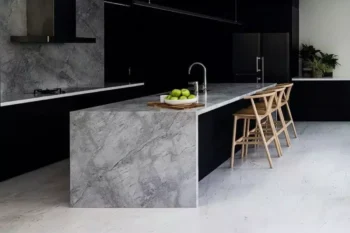
What Makes Granite Slabs the Ideal Choice for Kitchen Countertops?

What Makes Granite Slabs the Ideal Choice for Kitchen Countertops? Granite slabs have long been a favorite for kitchen countertops, and for good reason. Their durability, beauty, and uniqueness make them a standout choice in the world of kitchen design. Whether you’re renovating an old space or creating a new one, granite countertops offer a blend of practicality and elegance that’s hard to match. This guide explores the top benefits of choosing granite slabs for your kitchen countertops, shedding light on why they continue to be a top pick for homeowners and designers alike.   Our Granite Slabs for Countertops Patagonia Sedona Granite Sierra Wave Granite Patagonia Retro Granite Azeroth Granite View All Our Stone Slabs Range for Countertops Rosado Quartzite Patagonia Sedona Granite Ijen Blue Quartzite Andor Dolomite View All 10 Benefits of Choosing Granite Slabs for Kitchen Countertops When considering upgrades for your kitchen, selecting the right countertops is crucial, both for the aesthetic appeal and the functional use of the space. Granite slabs have become a popular choice for homeowners seeking a blend of beauty, durability, and value. Here’s an expanded look into why granite stands out as an excellent choice for kitchen countertops. Exceptional Durability Granite is one of the hardest materials available for countertops, renowned for its resistance to scratching, chipping, and heat. This makes it an ideal surface for the kitchen, where the preparation of meals can put countertops through a lot of wear and tear. Its durability means that, with proper care, granite countertops can last as long as your home itself, resisting the kinds of damage that might necessitate costly repairs or replacements. Unique and Natural Beauty Each granite slab offers a unique pattern of colors, veins, and swirls, ensuring no two countertops are exactly alike. This natural beauty can turn your kitchen countertops into a stunning focal point of your home. The wide range of colors and patterns available allows for a high degree of customization, enabling homeowners to select a slab that perfectly complements their kitchen’s design and color scheme. Hygiene and Easy Maintenance Properly sealed granite countertops are non-porous, making them resistant to bacteria and staining. Regular cleaning is as simple as wiping down with a soft cloth, warm water, and mild soap. Unlike other materials that might require specialized cleaning products or methods, granite’s ease of maintenance is a significant advantage for busy kitchens. Stain and Moisture Resistance When sealed correctly, granite is highly resistant to stains and moisture—common concerns in the kitchen. This resistance helps protect the beauty and integrity of your countertops from the spills and splashes of everyday cooking and cleaning. Adds Value to Your Home Granite countertops are a coveted feature in homes, often increasing a property’s market value. This upgrade can make a home more attractive to potential buyers, should you decide to sell. Even if you plan to stay in your home for many years, the timeless appeal of granite ensures your kitchen remains modern and desirable. Heat Resistance Granite’s heat resistance is a significant benefit in the kitchen. You can place hot pots and pans directly on the surface without fear of damage, offering convenience and peace of mind during meal preparation. Variety of Finishes Granite countertops come in various finishes, such as polished, honed, and brushed, allowing homeowners to select the perfect look for their kitchen. Each finish affects the stone’s appearance and feel, from glossy and reflective to a more muted and textured surface.   Minimal Long-Term Maintenance Aside from periodic sealing to maintain its non-porous surface, granite requires little maintenance. This minimal upkeep is a boon for those who want to enjoy their kitchen without the worry of high-maintenance countertops. The Elegance of Natural Stone Granite brings the unmatched elegance of natural stone to your kitchen, offering a sense of luxury and sophistication that synthetic materials can’t replicate. Its rich textures and colors add depth and interest to your kitchen design. A Worthwhile Investment Though the initial cost of granite countertops may be higher than some other materials, their longevity, durability, and timeless appeal make them a cost-effective choice over the long term. A granite countertop is not just a purchase; it’s an investment in your home’s future, combining practical functionality with aesthetic appeal to create a space that is both beautiful and durable. Find the Perfect Stone for Your Project Not sure which stone will suit your kitchen, bathroom, or outdoor space? Explore our curated selection of natural stone slabs and get expert advice on the best choice for your design. View our Range Maintaining Your Granite Slabs for Kitchen Countertop To keep your granite countertops looking their best and to ensure their longevity, a little care and maintenance go a long way. Here are some essential tips: Regular Cleaning: The key to keeping granite countertops looking new is regular cleaning with the right products. Avoid acidic or abrasive cleaners which can damage the sealant and the stone itself. A mild soap and warm water are usually sufficient for daily cleaning, ensuring the surface remains spotless and hygienic. Immediate Spill Cleanup: Granite is resistant to stains, especially when sealed properly, but it’s still crucial to clean up spills immediately. Liquids like wine, coffee, and oil can seep into the surface if left unattended, leading to potential staining. Blotting the spill rather than wiping can prevent it from spreading further. Use Cutting Boards: While granite is scratch-resistant, it’s still a good practice to use cutting boards to protect the surface. Besides preventing potential scratches, cutting boards also help in maintaining the sharpness of your knives. Regular Sealing: Granite countertops should be sealed periodically to maintain their stain and moisture resistance. The frequency depends on the stone’s porosity and the level of kitchen activity. A simple water test can help determine when it’s time to reseal: if water droplets no longer bead on the surface, it’s time for a new coat. Avoid Standing Weight: Granite is incredibly strong and durable, but excessive weight in one spot can cause cracks. Avoid standing or sitting on countertops, and use supports for appliances or heavy pots that will sit on the

CONTINUE READING ➞

Natural Stone vs. Ceramic Tile: What’s Best for Your Floors?

If you’re looking for a durable, beautiful, and easy-to-maintain flooring option for your home, you might be wondering whether to choose natural stone or ceramic tile. Both materials have their pros and cons, and the best one for you depends on your personal taste, budget, lifestyle, and needs. In this article, we’ll compare natural stone and ceramic tile in terms of durability, maintenance, aesthetics, installation, and environmental impact. We’ll also give you some tips on how to choose the right material for your home style and floor plan. By the end of this article, you’ll have a better idea of which flooring option suits you best. Comparison of Durability, Maintenance, and Aesthetics Natural stone and ceramic tile are both hard-surface flooring options that are highly durable and water-resistant. They can last for many years in various environments and add value to your home. However, they also have some differences that you should consider before making a decision. Durability Generally speaking, natural stone is more durable than ceramic tile. The wear and tear of natural stone is part of the characteristics that give stone its appeal and charm. Natural stone can withstand high traffic, scratches, stains, and temperature changes. However, some types of natural stone are more prone to chipping or cracking than others. For example, granite is the hardest and densest stone material, while sandstone is extremely porous and needs more care. Ceramic tile comes in different hardness ratings, depending on how it’s manufactured. The higher the rating, the greater the durability. For ultimate durability, look for tile with a PEI rating of 3 or above. Lower PEI ratings are better for Splashbacks and applications that won’t endure foot traffic. Ceramic tile is also resistant to scratches, stains, and moisture. However, it can chip or crack if something heavy is dropped on it or if the subfloor is uneven. Maintenance Both natural stone and ceramic tile require regular cleaning to keep them looking like new. However, the way to do it varies between the two materials. Natural stone materials are porous and need to be sealed with a quality sealant or glaze to make them resistant to water and stains. The sealant will need to be reapplied periodically, depending on the type of natural stone you choose. For example, granite needs to be sealed once every 10 years, while marble needs to be sealed once every 3 months. When it comes to everyday maintenance, avoid acidic cleaners that could damage the stone. Use a mild detergent or a specially formulated stone cleaner instead. Ceramic tile that’s glazed doesn’t need any additional coating or sealant. It’s waterproof and stain-resistant by nature. However, you may want to seal the grout lines between the tiles to prevent them from getting dirty or moldy over time. Unglazed ceramic tile will need a sealant or top coat to protect it from staining as well as regular cleaning with a mild detergent. Aesthetics One of the main reasons why people choose natural stone or ceramic tile for their floors is because of their aesthetic appeal. Both materials offer a wide range of colors, textures, patterns, and styles to suit any home decor and design. However, they also have some distinctive features that make them stand out. Natural stone has a unique beauty and elegance that comes from its natural origin. No two pieces of natural stone are exactly alike, which gives your floor a rich and varied look. Natural stone can also create a warm and cozy atmosphere in your home, as well as a sense of luxury and sophistication. However, natural stone can also be more expensive and harder to find than ceramic tile, depending on the type and quality of the stone. Ceramic tile has the advantage of being more versatile and customizable than natural stone. Ceramic tile can be manufactured to mimic the look of other materials, such as wood, metal, glass, and even natural stone. This gives you more options to create the desired effect and style for your floor. Ceramic tile can also be more affordable and accessible than natural stone, depending on the quality and design of the tile. Things to Know Before Installing Natural Stone or Ceramic Tile Floors Before you decide to install natural stone or ceramic tile floors in your home, there are some factors that you need to consider. These include: The Lifespan of Natural Stone vs. Ceramic Tile Another important factor to consider when choosing between natural stone and ceramic tile is their lifespan. How long will your floor last and how will it age over time? Natural stone is known for its durability and longevity. It can last for decades or even centuries if properly installed and maintained. Natural stone can also improve with age, as it develops a patina and character that adds to its charm. However, natural stone can also be susceptible to wear and tear, especially in high-traffic areas or places exposed to moisture or chemicals. Natural stone can also fade or discolor over time, depending on the type and quality of the stone. Ceramic tile is also durable and long-lasting, but not as much as natural stone. It can last for 10 to 20 years or more if properly installed and maintained. Ceramic tile can also retain its color and shine for a long time, as it’s resistant to fading and staining. However, ceramic tile can also be prone to chipping or cracking, especially if the subfloor is uneven or if something heavy is dropped on it. Ceramic tile can also lose its appeal over time, as it becomes outdated or out of style. What Is the Best? Ceramic Tiles or Natural Stones? In conclusion, both natural stone and ceramic tile are excellent choices for flooring, each with its own set of advantages and disadvantages. Natural stone offers unmatched elegance and durability, but it requires more maintenance and is more expensive. Ceramic tile, on the other hand, is more affordable, easier to maintain, and offers a wide range of

CONTINUE READING ➞
Wishlist
Recently Viewed
Categories