What Are the Pros and Cons of Sintered Stone?
Sintered stone is a surface material that has been generating genuine interest in the design world, and for good reason. It performs well, looks impressive, and handles the demands of modern kitchens and busy commercial spaces. But if you are researching sintered stone for an Australian project, there are some important things to understand before you commit.
So what is sintered stone exactly? It is an engineered surface created by compressing and heating natural minerals, including quartz, feldspar, silica, and natural pigments, at extremely high temperatures. The result is a very dense, non-porous slab that mimics the look of natural stone without its porosity. Think of it as nature’s ingredients put through an industrial process.
Sintered stone is undoubtedly a strong material with clear strengths. Whether it is the right choice for your project in Sydney or Newcastle is a different question. In the Australian market, porcelain slabs offer very similar performance at a considerably better price point and with far stronger local availability. For projects where natural beauty and individuality take priority, natural stone slabs remain unmatched. We have looked at both sides honestly below.
Our Stone Slabs Range
-
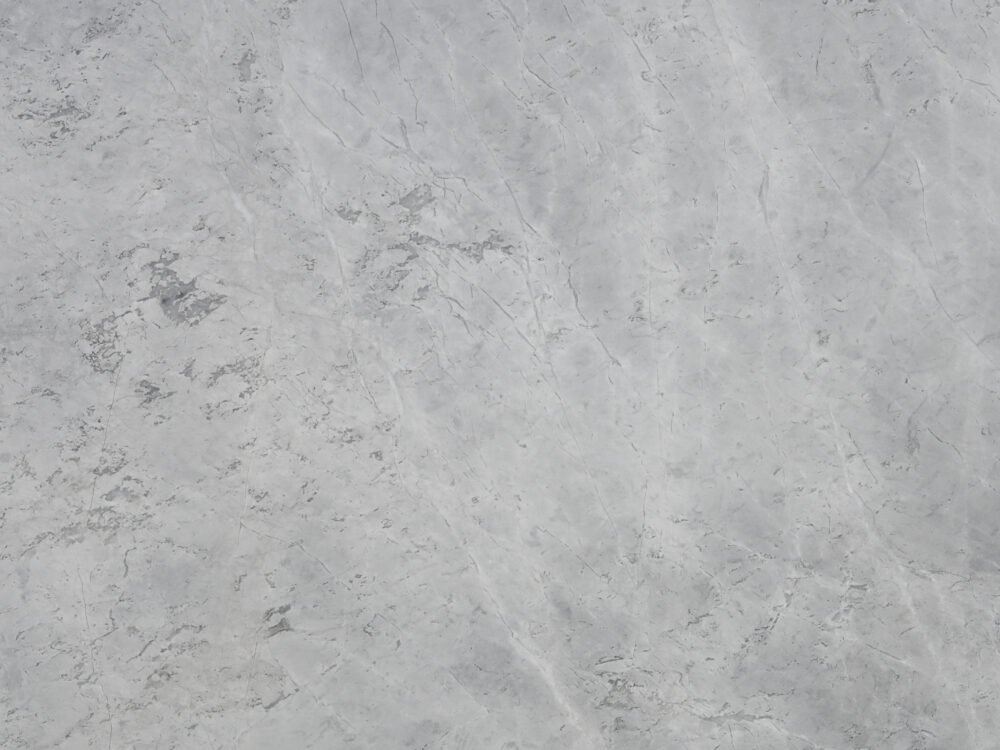
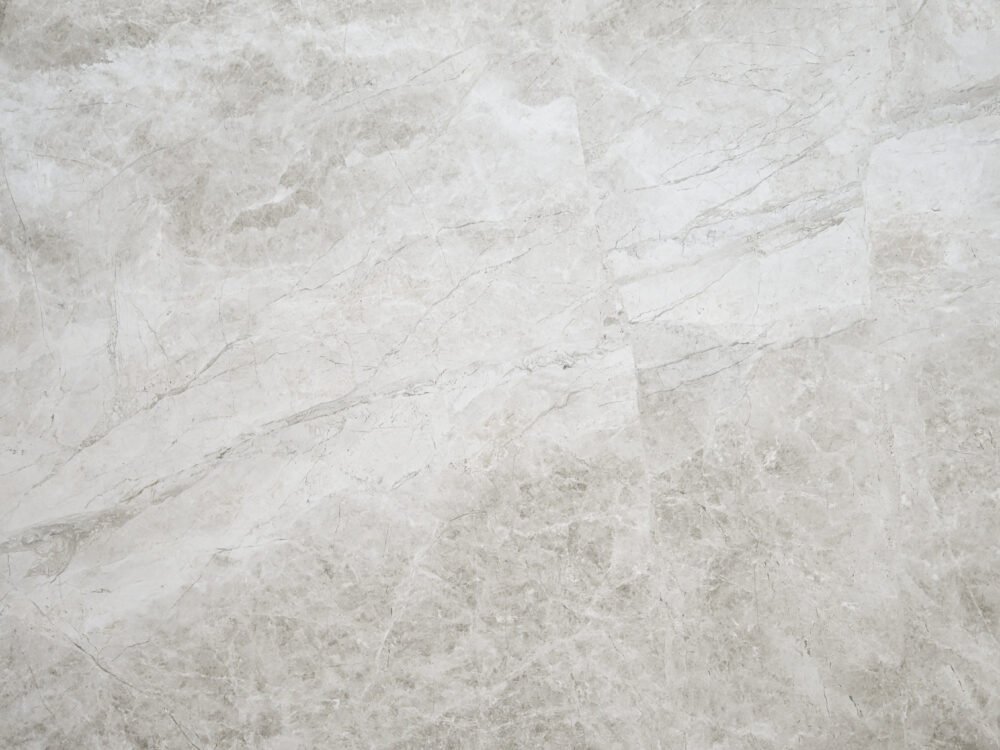
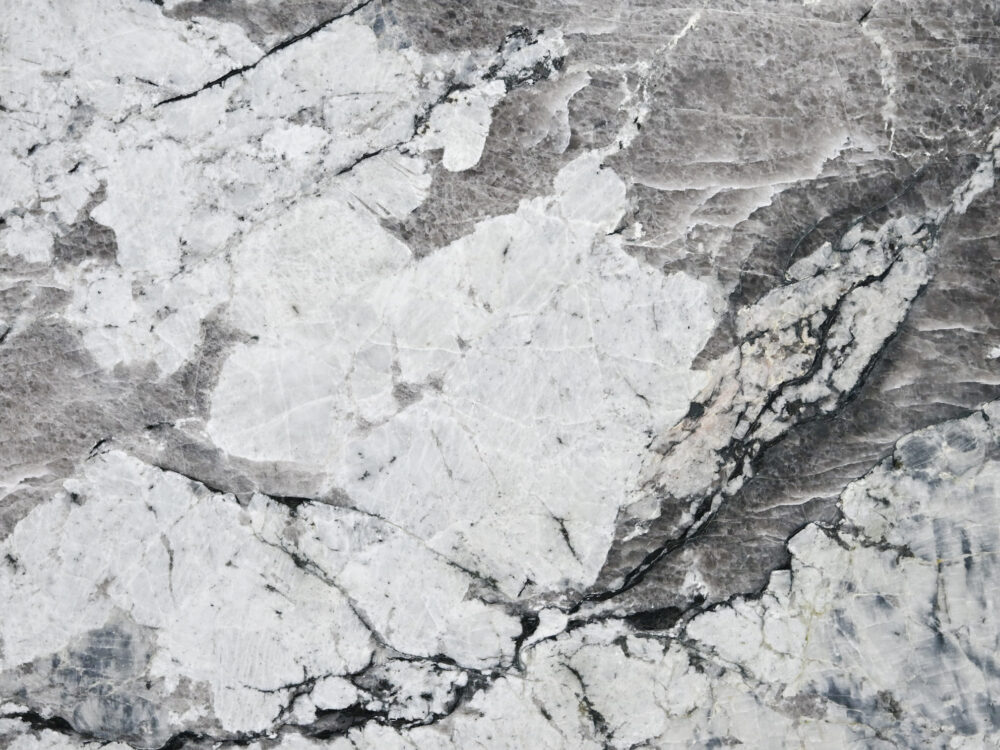
Savoy Marble
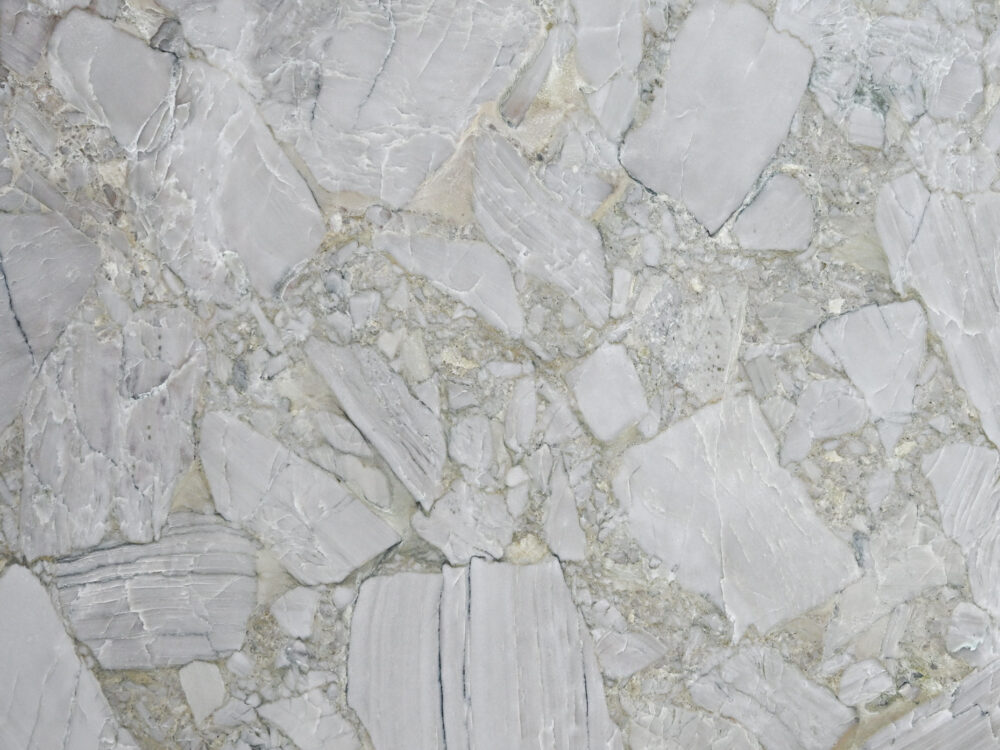
Featuring a harmonious blend of pale grey tones and understated veining, Savoy Marble is a refined choice for contemporary interiors. Its muted yet striking character ensures a serene atmosphere while adding a touch of modern grandeur to any interior. Savoy Marble provides a serene backdrop that enhances natural light and complements a wide range of design aesthetics.
-
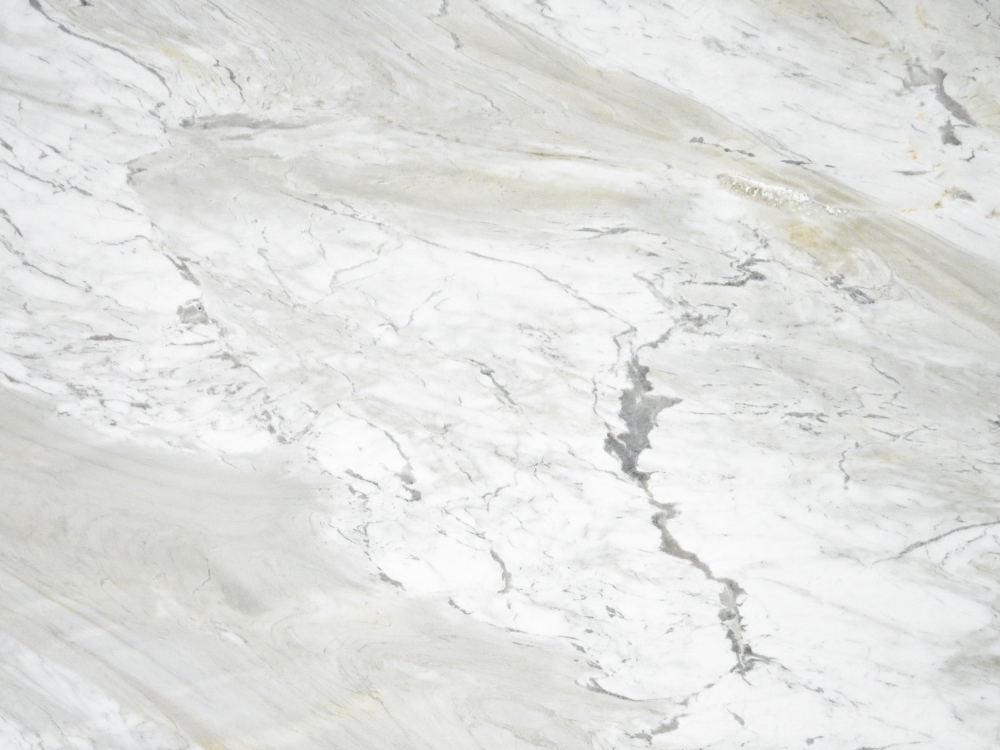
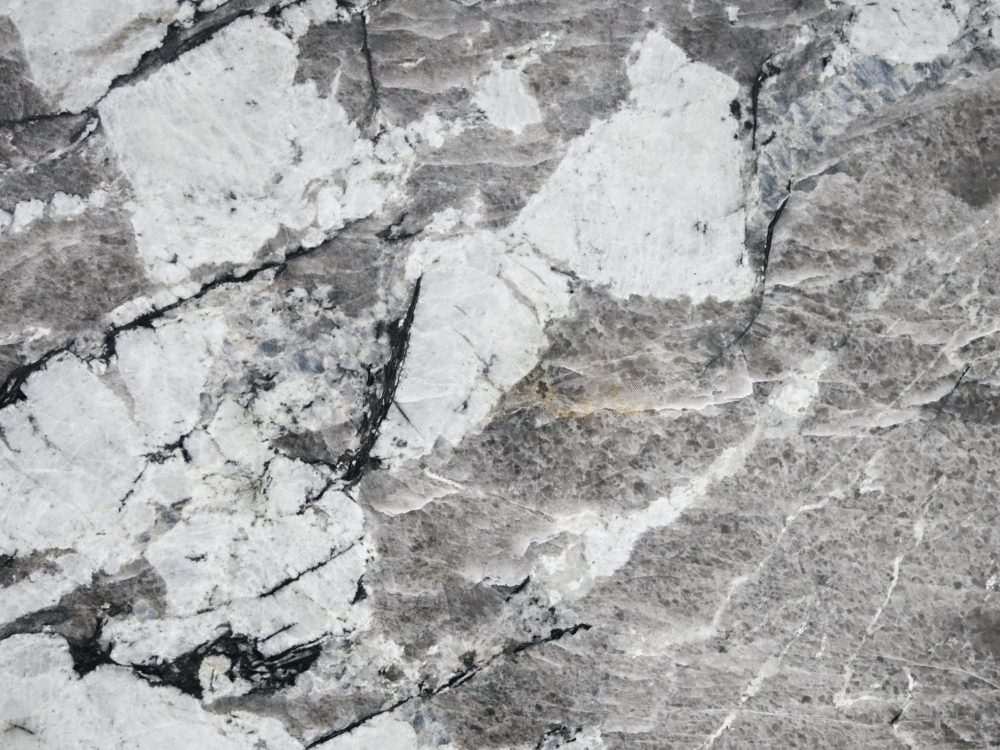
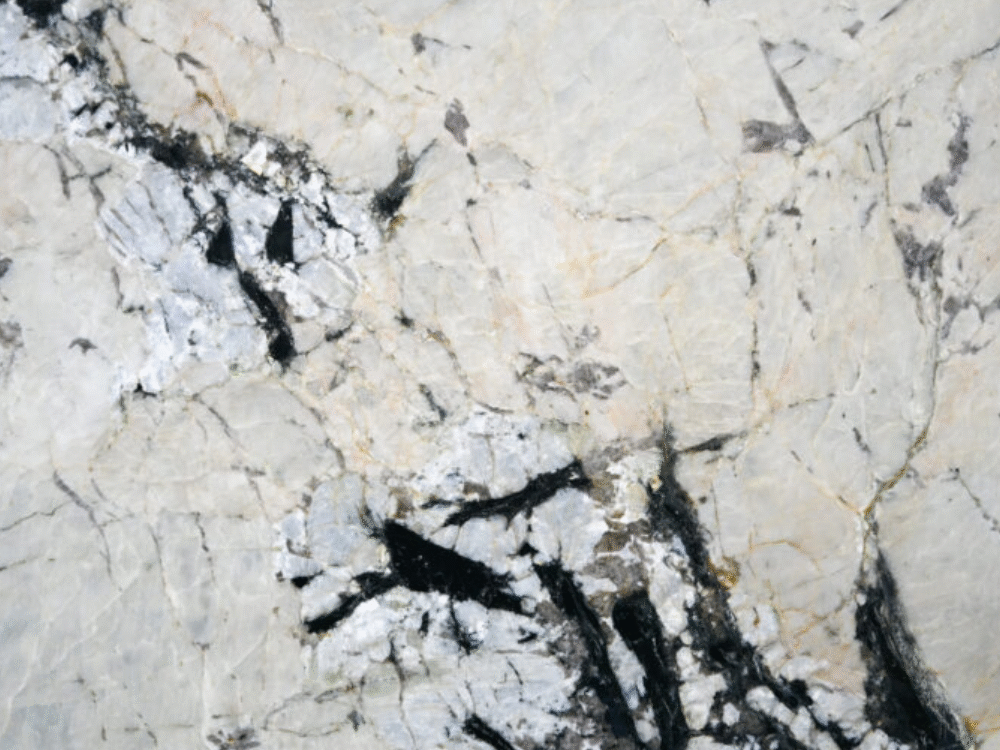
Santo Gold Marble
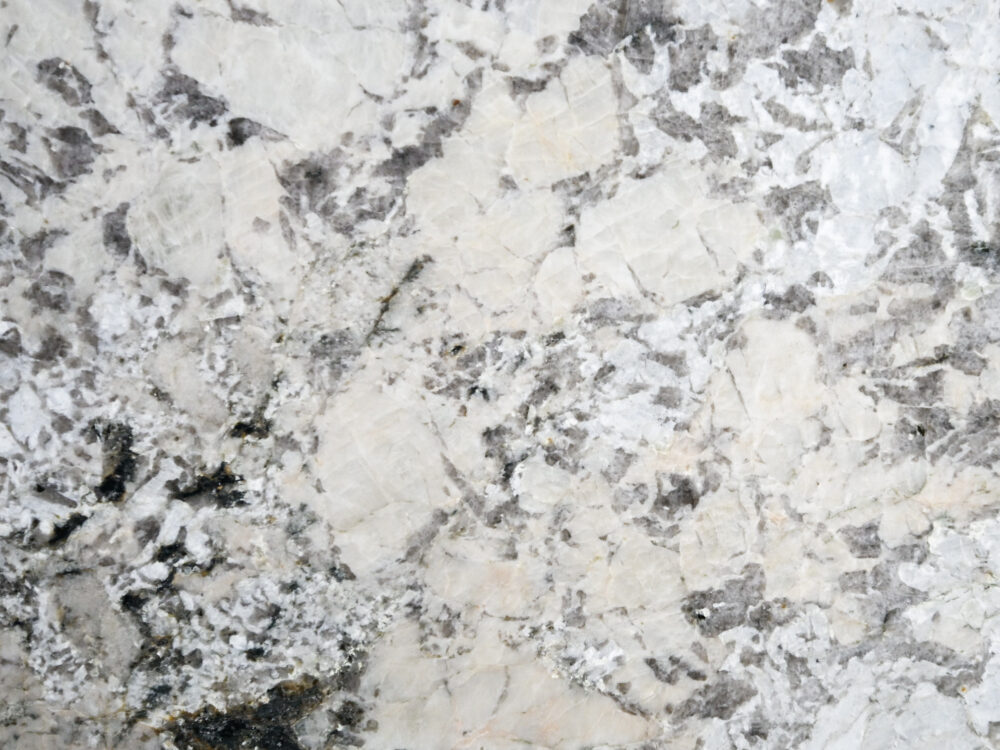
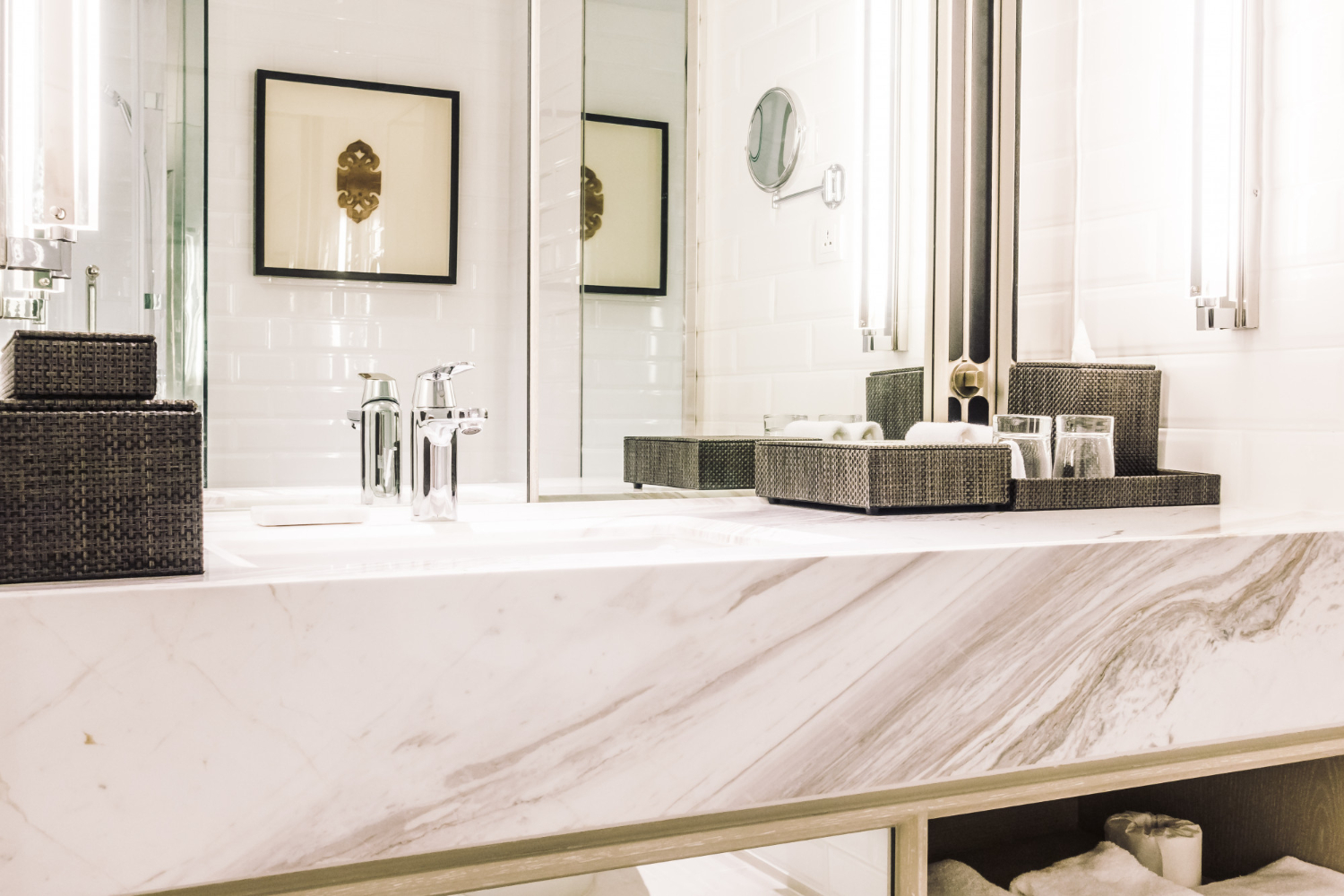
Santos Gold is a sophisticated marble featuring a soft white base blended with elegant waves of light grey and subtle golden undertones. Its fluid veining pattern creates a natural sense of movement and the gentle gold highlights add warmth without overpowering the stone’s refined appearance. This marble is ideal for high-end interior applications such as benchtops, vanities, feature walls, and luxury flooring, bringing a balanced combination of brightness, texture, and understated opulence to any space.
-
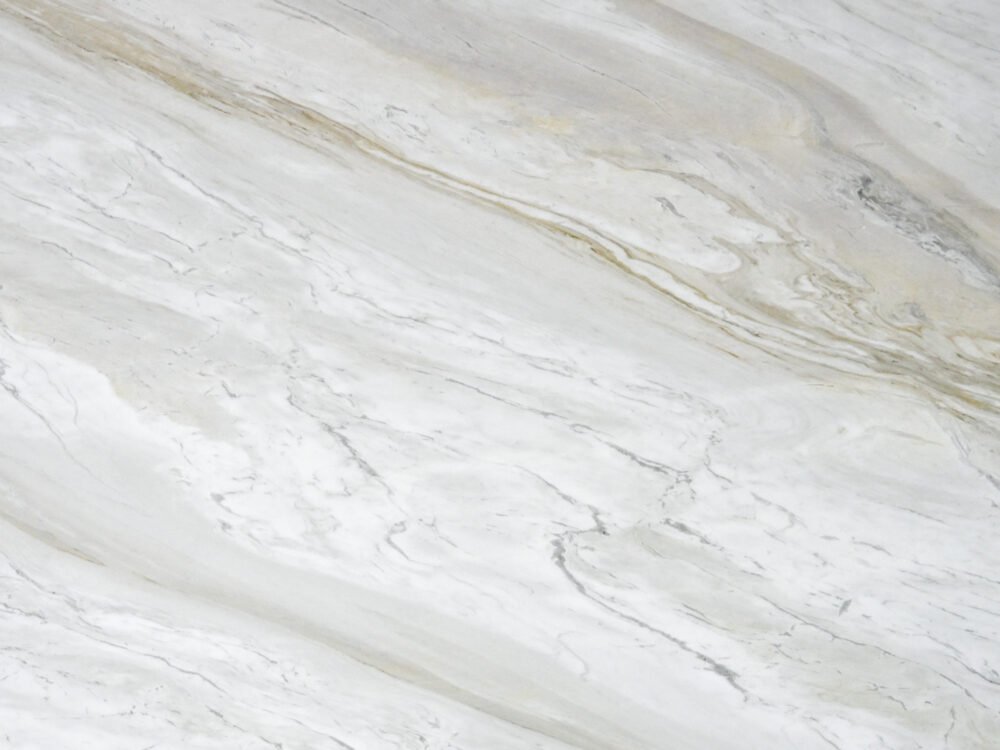
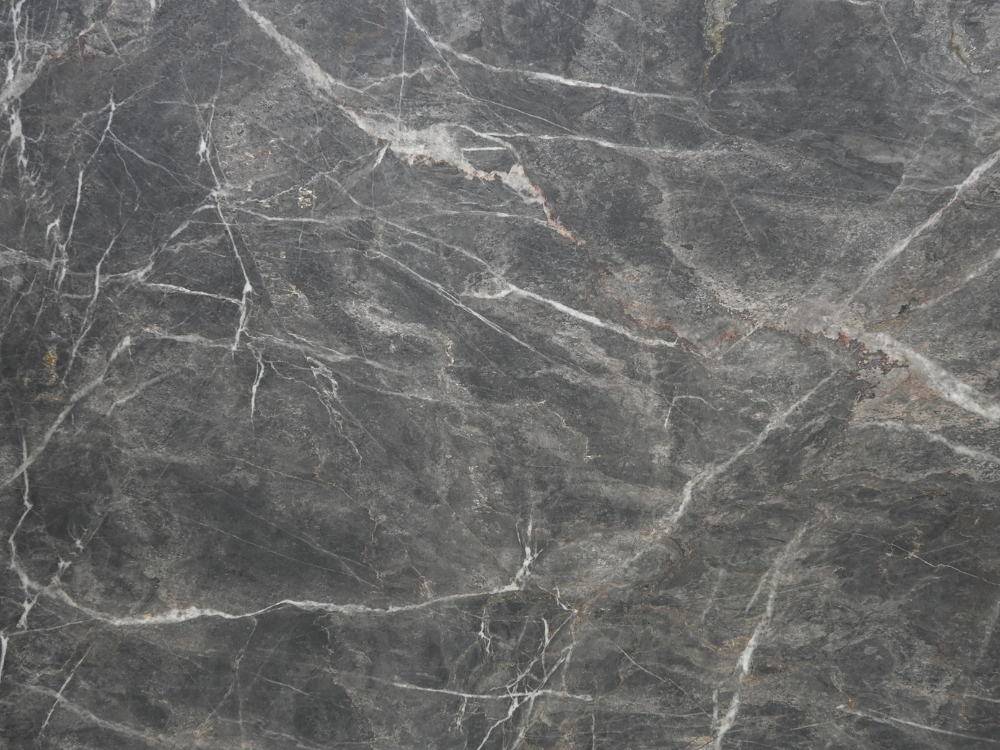
Zevara Marble
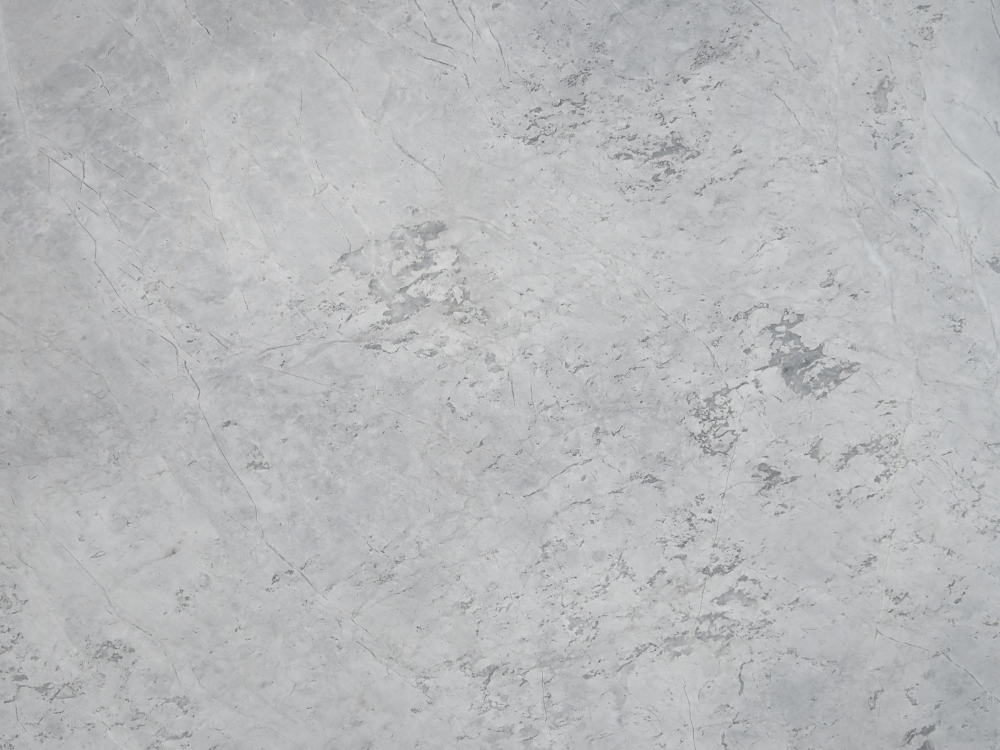
Zevara Marble features a soft blend of light greys and beige tones with delicate veining adding depth and sophistication. Its subtle movement and refined texture create a calm, luxurious aesthetic, perfect for modern interiors. Ideal for benchtops, flooring, and feature walls, Zevara Marble infuses any space with effortless elegance and contemporary charm.
-
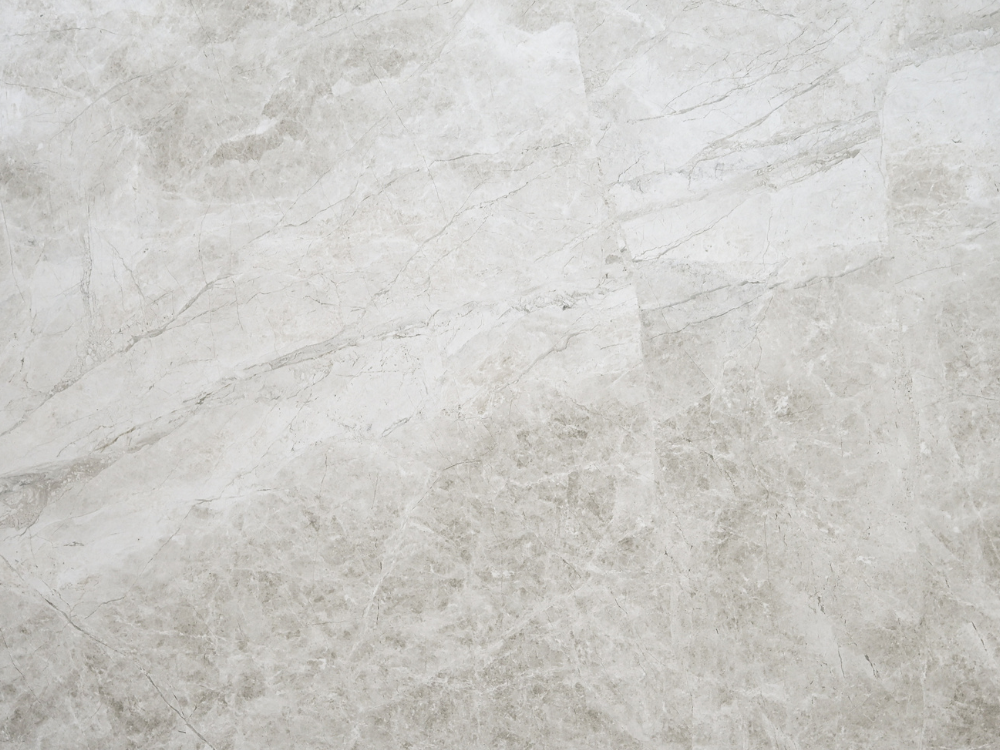
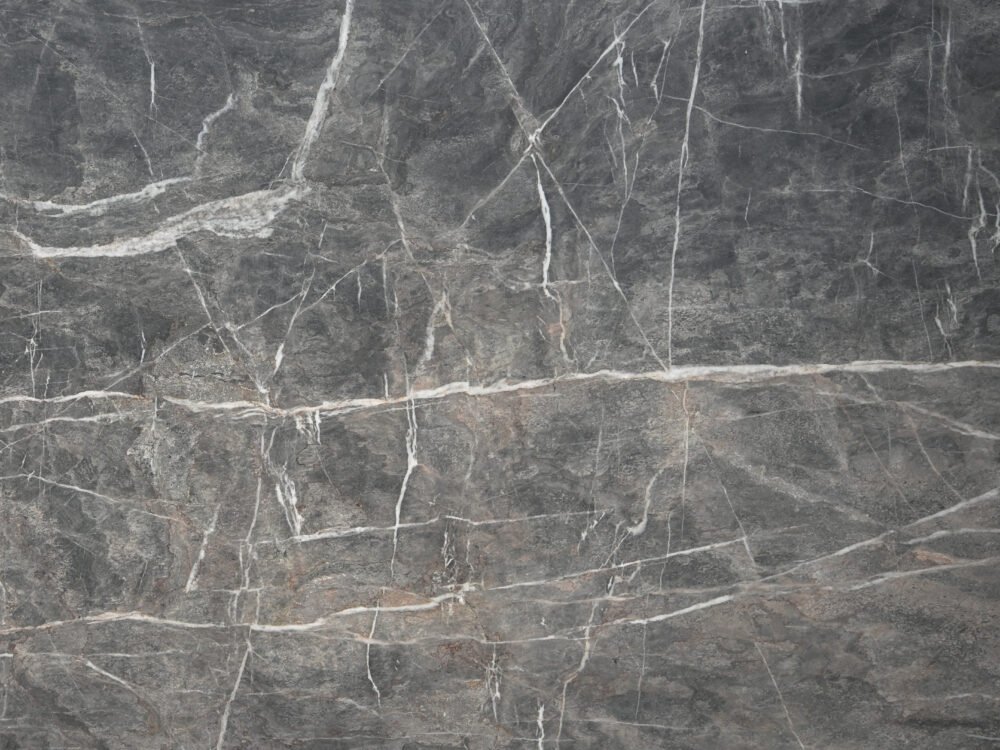
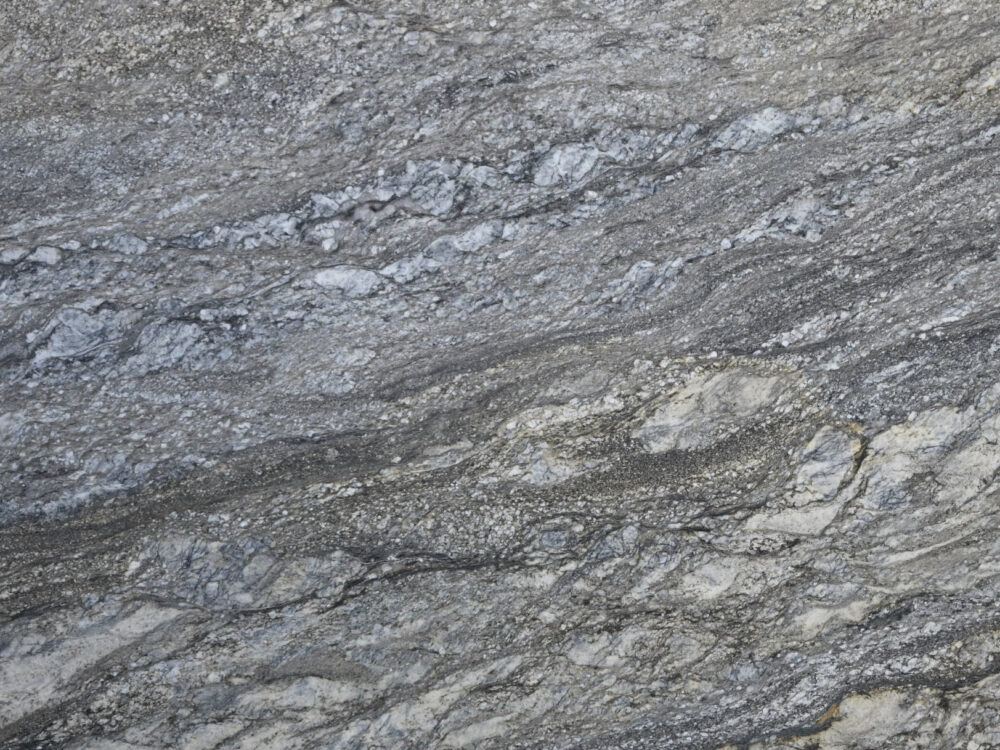
Fume Marble
Fume Marble features a deep smoky grey base with striking white veining and soft earthy undertones. Its moody movement and natural texture create a refined, modern look perfect for benchtops, vanities, and feature walls. Elegant, bold, and effortlessly sophisticated.
Our Stone Slabs Range
Our Porcelain Slabs For Benchtops
-
Cumulus Grey Porcelain
Cumulus Grey is a stylish Porcelain with the effect of concrete. Cumulus Grey Porcelain is a great go to if you are seeking a concrete appearance without the maintenance and cost! Cumulus Grey is heat resistant, chemical resistant and scratch-resistant large format porcelain slabs. These are the ideal contemporary surface for a range of interior and exterior applications.
-
Calacatta Nuvolo Porcelain
Calacatta Nuvolo Porcelain captures the essence of luxury with its pristine white base, delicate grey veining, and subtle gold accents. Its understated elegance offers a perfect balance of modern and classic design, suitable for a variety of applications. Loved for its marble-like aesthetic, this porcelain transforms interiors into spaces of timeless sophistication.
-
Calacatta Luxe Porcelain
Calacatta Luxe is a porcelain slab inspired by the luxurious patterns of Calacatta Vagli and Calacatta Oro marble. Known by its hues of warm gold and grey fine vein. As a porcelain Panel Calacatta Luxe is heat resistant, chemical resistant and scratch resistant, available as a large format porcelain slabs in satin finish. Calacatta Luxe is perfect for contemporary surfaces for a range of interior and exterior applications.
-
Bianco Assoluto Porcelain
Bianco Assoluto is our full-bodied, almost white porcelain in a Matte finish. SinTerra Porcelain Panels are engineered slabs. Many objects from powders, metals, and other minerals combine to create a solid surface. Porcelain Slabs are heat resistant, chemical resistant, and scratch-resistant large format porcelain slabs. These are the ideal contemporary surface for a range of interior and exterior applications.
Our Porcelain Slabs For Benchtops
-
Cumulus Grey Porcelain
Cumulus Grey is a stylish Porcelain with the effect of concrete. Cumulus Grey Porcelain is a great go to if you are seeking a concrete appearance without the maintenance and cost! Cumulus Grey is heat resistant, chemical resistant and scratch-resistant large format porcelain slabs. These are the ideal contemporary surface for a range of interior and exterior applications.
-
Calacatta Nuvolo Porcelain
Calacatta Nuvolo Porcelain captures the essence of luxury with its pristine white base, delicate grey veining, and subtle gold accents. Its understated elegance offers a perfect balance of modern and classic design, suitable for a variety of applications. Loved for its marble-like aesthetic, this porcelain transforms interiors into spaces of timeless sophistication.
-
Calacatta Luxe Porcelain
Calacatta Luxe is a porcelain slab inspired by the luxurious patterns of Calacatta Vagli and Calacatta Oro marble. Known by its hues of warm gold and grey fine vein. As a porcelain Panel Calacatta Luxe is heat resistant, chemical resistant and scratch resistant, available as a large format porcelain slabs in satin finish. Calacatta Luxe is perfect for contemporary surfaces for a range of interior and exterior applications.
-
Bianco Assoluto Porcelain
Bianco Assoluto is our full-bodied, almost white porcelain in a Matte finish. SinTerra Porcelain Panels are engineered slabs. Many objects from powders, metals, and other minerals combine to create a solid surface. Porcelain Slabs are heat resistant, chemical resistant, and scratch-resistant large format porcelain slabs. These are the ideal contemporary surface for a range of interior and exterior applications.
Find the Perfect Stone for
Your Project
How Is Sintered Stone Made?
Understanding how sintered stone is made helps explain both its strengths and its limitations. The manufacturing process begins with raw natural minerals: quartz, feldspar, silica, clay, and natural pigments. These are combined and then subjected to extreme heat, typically above 1,200 degrees Celsius, and enormous pressure. This process, called sintering, fuses the particles together at a molecular level without the need for any resins or binding agents.
The result is a slab that is extremely dense, non-porous, and highly resistant to external forces. Because no resins are used, sintered stone does not off-gas chemicals and is considered food-safe straight from the slab. The surface is also UV stable, which means it does not fade when exposed to direct sunlight, making it technically suitable for outdoor applications including sintered stone worktops in alfresco areas.
Is sintered stone heavy? It depends on the thickness. Sintered stone is available in thinner profiles than many natural stones, which actually reduces the overall weight for some applications. A 6mm sintered slab is considerably lighter than a 20mm marble or granite slab of equivalent size. That said, large-format sintered panels in thicker profiles are still heavy and require professional installation.
Pros of Using Sintered Stone
Sintered stone has genuine strengths that have earned it a strong reputation in international design circles. Here is an honest look at what it does well.
Heat and Scratch Resistance
Is sintered stone heat resistant? Yes. One of the standout qualities of sintered stone is its ability to handle heat without damage. Because it is fired at over 1,200 degrees Celsius during manufacturing, it can withstand contact with hot pots and pans without scorching or cracking. This makes it a practical option for kitchen benchtops and sintered stone worktops where heat exposure is a regular occurrence.
Sintered stone durability is equally impressive when it comes to scratching. The dense surface is highly resistant to everyday kitchen wear, including cutting and abrasion. In global markets, this combination of heat and scratch resistance has made sintered stone a popular choice for high-end residential and commercial kitchens. In Australia, it is worth noting that porcelain slabs offer the same level of heat and scratch resistance at a more accessible price point, with no compromise on performance.
Large-Format Slabs
A practical benefit of sintered stone is that it can be produced in large-format thin slabs, which makes it well suited to continuous installations across walls, benchtops, and floors. Fewer joins mean a cleaner, more seamless look, which is particularly valued in contemporary kitchen and bathroom design.
This is a genuine advantage, though it is worth knowing that large-format porcelain slabs are also widely available in Australia with the same visual benefit. Porcelain options are more straightforward to source locally, better supported by established suppliers, and more competitively priced. For most Australian projects requiring large-format slabs, porcelain is the more practical path.
Durability and Low Maintenance
Sintered stone’s high density makes it resistant to staining, chipping, and the kind of daily wear that surfaces in busy homes and commercial spaces face constantly. It does not require sealing, which removes one of the key maintenance tasks associated with natural stone. For homeowners who want a durable, low-maintenance surface, sintered stone delivers on that promise.
Porcelain slabs match sintered stone on this measure. Both require zero sealing, both resist staining, and both hold up well under heavy daily use. The practical difference in Australia comes down to availability and cost, where porcelain has a clear advantage.
Hygienic Surface
Because sintered stone is non-porous, it does not harbour bacteria or mould. There are no microscopic gaps in the surface where food particles or moisture can settle, which makes it genuinely hygienic for food preparation areas. This is an important quality in kitchens and bathrooms, and it is one of the features that sets both sintered stone and porcelain apart from natural stone, which requires sealing to achieve a similar level of surface hygiene.
Aesthetic Versatility
Sintered stone can convincingly replicate the look of marble, granite, and other natural stones. It is available in a wide range of finishes and colour palettes, which makes it a flexible design option across different styles, from sleek contemporary kitchens to more traditional interiors. For designers who want a consistent, repeatable pattern across multiple slabs (something natural stone cannot guarantee), sintered stone is a practical choice.
Cons of Sintered Stone
Despite its strengths, sintered stone has real disadvantages in the Australian context that are worth understanding before you make a decision. A balanced sintered stone review has to account for local market conditions, not just global performance data.
Limited Suppliers in Australia
Sintered stone is still a relatively new product in Australia, and the local supplier network reflects that. Fewer suppliers means less competition on pricing, longer lead times, and less consistency in what is actually available at any given time. For a renovation with a firm timeline, this can create genuine project risk.
Porcelain slabs, by contrast, are supported by well-established local suppliers across Sydney, Newcastle, and broader NSW. Stock is widely available, delivery is reliable, and the range of options is extensive. For builders, designers, and homeowners working to a schedule, this supply chain reliability matters considerably.
Higher Cost for Similar Performance
One of the main sintered stone disadvantages in the Australian market is pricing. Sintered stone carries a premium price tag, particularly when sourced locally, and the performance benefits it offers over porcelain are minimal in everyday residential and commercial use. Both materials resist heat, scratching, and staining. Both require no sealing. Both are non-porous and food-safe.
For homeowners and designers making a long-term investment, porcelain slabs deliver the same practical outcome at a significantly lower cost. That price difference can be redirected toward higher quality natural stone for feature elements, or simply represent genuine savings on the overall project.
Newer Product with Shorter Track Record
Porcelain has been used extensively in Australian homes and commercial spaces for decades. Natural stone has been used in architectural applications for centuries. Sintered stone simply does not have the same performance history in Australian conditions, covering temperature ranges, humidity levels, and the specific demands of how Australians actually use their homes.
For homeowners who want confidence in their investment, that track record matters. Choosing a material with a long, well-documented history in similar conditions is a reasonable and sensible position.
Porcelain & Natural Stone in the Australian Market
Why Porcelain Slabs Are the Preferred Option
For most Australian residential and commercial projects, porcelain slabs offer the best combination of practicality and value. They deliver heat resistance, scratch resistance, zero maintenance, and a natural stone aesthetic without the cost or sourcing complexity of sintered stone. Our Zena, Luigi, White Fantasy, and Montpellier porcelain ranges are popular across Sydney and Newcastle for exactly these reasons. They look stunning in person and require virtually no upkeep.
Natural Stone as the Premium Choice
For projects where beauty, individuality, and long-term value take priority, natural stone slabs remain unmatched. Every marble, quartzite, and granite slab is unique. The veining, depth, and variation in a Calacatta Oro marble or a Taj Mahal quartzite benchtop cannot be replicated by any manufactured surface, sintered or porcelain. Natural stone requires periodic sealing and a little more care, but it rewards that attention with a surface that genuinely improves with age and adds lasting value to a home.
Sintered stone is a genuinely impressive material with real strengths on its technical merits. For most Australian homeowners and designers, though, porcelain slabs provide the same practical performance at better value and with far stronger local availability. For projects where uniqueness and timeless elegance matter, natural stone is the benchmark that no manufactured product has yet matched.
At Avant Stone, our porcelain and natural stone ranges are hand-picked to meet the needs of Australian designers and homeowners. Our team has spent over 20 years helping clients in Sydney and Newcastle find the right material for every project and budget.
Conclusion
Sintered stone is a strong material with clear benefits, but in the Australian market, porcelain slabs provide superior value due to their availability, affordability, and proven durability. For projects that prioritise uniqueness and timeless elegance, natural stone slabs remain unmatched. At Avant Stone, our porcelain and natural stone ranges are curated to meet the needs of Australian designers and homeowners.
Frequently Asked Questions (FAQs)
What is sintered stone made from?
Sintered stone is an engineered surface made by compressing and heating natural minerals, including quartz, feldspar, silica, and natural pigments, at temperatures above 1,200 degrees Celsius. The process, called sintering, creates a very dense, non-porous slab that mimics the appearance of natural stone. It requires no sealing, resists heat and scratching, and contains no chemical resins or binding agents.
What is sintered stone made of?
Sintered stone is made from natural raw materials including quartz, feldspar, silica, clay, and mineral pigments. These are combined and then subjected to extreme heat and pressure in a process that fuses the particles together at a molecular level. No synthetic resins or binders are used, which is why sintered stone is considered food-safe and non-toxic.
How is sintered stone made?
Sintered stone is manufactured by taking natural minerals, compressing them under thousands of tonnes of pressure, and then firing them at over 1,200 degrees Celsius. This sintering process fuses the particles together without any binding agents, producing a slab that is extremely dense, non-porous, and highly durable. The result is a surface that performs similarly to porcelain in everyday use.
Is sintered stone good for kitchen benchtops and worktops?
Sintered stone performs well on kitchen worktops and benchtops on its technical merits. It is heat resistant, scratch resistant, non-porous, and requires no sealing. The practical consideration for Australian homeowners is cost and availability. Porcelain slabs offer the same performance for kitchen benchtops at a lower price and are far easier to source locally in Sydney and Newcastle.
Is sintered stone heat resistant?
Yes, sintered stone is highly heat resistant. Because it is fired at over 1,200 degrees Celsius during manufacturing, it can handle contact with hot pots and pans without scorching, cracking, or discolouring. This makes it a strong performer in kitchen environments. Porcelain slabs offer comparable heat resistance and are a more cost-effective option for most Australian projects.
What are the main disadvantages of sintered stone in Australia?
The key sintered stone disadvantages in Australia are limited local suppliers, higher costs compared to porcelain, and a shorter performance track record in Australian conditions. Sourcing sintered stone can extend project timelines, and the price premium is difficult to justify when porcelain delivers equivalent everyday performance at a significantly lower cost.
Is sintered stone heavy?
It depends on the thickness. Sintered stone is available in thinner profiles than many natural stones, which makes it lighter in those formats. A 6mm sintered slab is considerably lighter than a 20mm granite or marble slab of the same size. Thicker sintered panels are still heavy and require professional installation, as is the case with any large-format stone material.
How does sintered stone compare to porcelain slabs for Australian projects?
On performance, sintered stone and porcelain are very similar. Both are non-porous, require no sealing, resist heat and scratching, and are easy to maintain. The difference in Australia comes down to availability and price. Porcelain slabs are widely stocked by local suppliers, more affordable, and have a long track record in Australian conditions. For most local projects, porcelain is the more practical and cost-effective choice.
Related Posts
Natural Stone Slab Supplier
Avant Stone brings together 20 years of stone industry experience to provide you with a range of globally sourced stone slabs including Marble slabs, Granite slabs and Quartzite Slabs.
We aim provide you quality service and distinctive stone products for your home or your commercial space. Avant Stone is the premier Stone Supplier of Granite, Quartzite and Marble slabs in Sydney.
Our showroom is located centrally in Greenacre, a mere 20 minutes from Sydney & Parramatta CBD.
Give us a call: 0298170037
Email us at: info@avantstone.com.au