What Makes Granite Slabs the Ideal Choice for Kitchen Countertops?

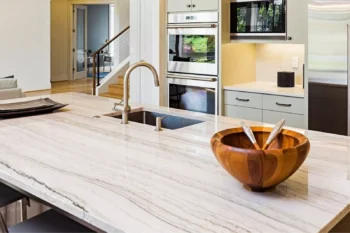
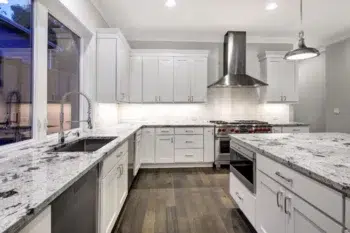
What Makes Granite Slabs the Ideal Choice for Kitchen Countertops? Granite slabs have long been a favorite for kitchen countertops, and for good reason. Their durability, beauty, and uniqueness make them a standout choice in the world of kitchen design. Whether you’re renovating an old space or creating a new one, granite countertops offer a blend of practicality and elegance that’s hard to match. This guide explores the top benefits of choosing granite slabs for your kitchen countertops, shedding light on why they continue to be a top pick for homeowners and designers alike.   Our Granite Slabs for Countertops Patagonia Sedona Granite Sierra Wave Granite Patagonia Retro Granite Azeroth Granite View All Our Stone Slabs Range for Countertops Rosado Quartzite Patagonia Sedona Granite Ijen Blue Quartzite Andor Dolomite View All 10 Benefits of Choosing Granite Slabs for Kitchen Countertops When considering upgrades for your kitchen, selecting the right countertops is crucial, both for the aesthetic appeal and the functional use of the space. Granite slabs have become a popular choice for homeowners seeking a blend of beauty, durability, and value. Here’s an expanded look into why granite stands out as an excellent choice for kitchen countertops. Exceptional Durability Granite is one of the hardest materials available for countertops, renowned for its resistance to scratching, chipping, and heat. This makes it an ideal surface for the kitchen, where the preparation of meals can put countertops through a lot of wear and tear. Its durability means that, with proper care, granite countertops can last as long as your home itself, resisting the kinds of damage that might necessitate costly repairs or replacements. Unique and Natural Beauty Each granite slab offers a unique pattern of colors, veins, and swirls, ensuring no two countertops are exactly alike. This natural beauty can turn your kitchen countertops into a stunning focal point of your home. The wide range of colors and patterns available allows for a high degree of customization, enabling homeowners to select a slab that perfectly complements their kitchen’s design and color scheme. Hygiene and Easy Maintenance Properly sealed granite countertops are non-porous, making them resistant to bacteria and staining. Regular cleaning is as simple as wiping down with a soft cloth, warm water, and mild soap. Unlike other materials that might require specialized cleaning products or methods, granite’s ease of maintenance is a significant advantage for busy kitchens. Stain and Moisture Resistance When sealed correctly, granite is highly resistant to stains and moisture—common concerns in the kitchen. This resistance helps protect the beauty and integrity of your countertops from the spills and splashes of everyday cooking and cleaning. Adds Value to Your Home Granite countertops are a coveted feature in homes, often increasing a property’s market value. This upgrade can make a home more attractive to potential buyers, should you decide to sell. Even if you plan to stay in your home for many years, the timeless appeal of granite ensures your kitchen remains modern and desirable. Heat Resistance Granite’s heat resistance is a significant benefit in the kitchen. You can place hot pots and pans directly on the surface without fear of damage, offering convenience and peace of mind during meal preparation. Variety of Finishes Granite countertops come in various finishes, such as polished, honed, and brushed, allowing homeowners to select the perfect look for their kitchen. Each finish affects the stone’s appearance and feel, from glossy and reflective to a more muted and textured surface.   Minimal Long-Term Maintenance Aside from periodic sealing to maintain its non-porous surface, granite requires little maintenance. This minimal upkeep is a boon for those who want to enjoy their kitchen without the worry of high-maintenance countertops. The Elegance of Natural Stone Granite brings the unmatched elegance of natural stone to your kitchen, offering a sense of luxury and sophistication that synthetic materials can’t replicate. Its rich textures and colors add depth and interest to your kitchen design. A Worthwhile Investment Though the initial cost of granite countertops may be higher than some other materials, their longevity, durability, and timeless appeal make them a cost-effective choice over the long term. A granite countertop is not just a purchase; it’s an investment in your home’s future, combining practical functionality with aesthetic appeal to create a space that is both beautiful and durable. Find the Perfect Stone for Your Project Not sure which stone will suit your kitchen, bathroom, or outdoor space? Explore our curated selection of natural stone slabs and get expert advice on the best choice for your design. View our Range Maintaining Your Granite Slabs for Kitchen Countertop To keep your granite countertops looking their best and to ensure their longevity, a little care and maintenance go a long way. Here are some essential tips: Regular Cleaning: The key to keeping granite countertops looking new is regular cleaning with the right products. Avoid acidic or abrasive cleaners which can damage the sealant and the stone itself. A mild soap and warm water are usually sufficient for daily cleaning, ensuring the surface remains spotless and hygienic. Immediate Spill Cleanup: Granite is resistant to stains, especially when sealed properly, but it’s still crucial to clean up spills immediately. Liquids like wine, coffee, and oil can seep into the surface if left unattended, leading to potential staining. Blotting the spill rather than wiping can prevent it from spreading further. Use Cutting Boards: While granite is scratch-resistant, it’s still a good practice to use cutting boards to protect the surface. Besides preventing potential scratches, cutting boards also help in maintaining the sharpness of your knives. Regular Sealing: Granite countertops should be sealed periodically to maintain their stain and moisture resistance. The frequency depends on the stone’s porosity and the level of kitchen activity. A simple water test can help determine when it’s time to reseal: if water droplets no longer bead on the surface, it’s time for a new coat. Avoid Standing Weight: Granite is incredibly strong and durable, but excessive weight in one spot can cause cracks. Avoid standing or sitting on countertops, and use supports for appliances or heavy pots that will sit on the

CONTINUE READING ➞
Dolomite kitchen benchtop

Why Is Dolomite a Smart Choice for Luxurious and Durable Interiors?

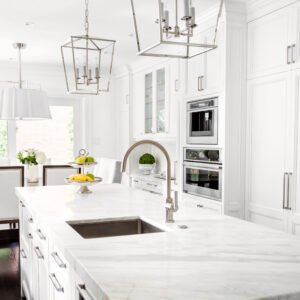
Why Is Dolomite a Smart Choice for Luxurious and Durable Interiors? Choosing Dolomite for your interior design projects is a strategic move towards achieving a balance of luxury and durability. The selection of materials significantly influences both the character and longevity of a space. Dolomite stands out as a premier choice, harmonizing the desire for luxurious aesthetics with the need for enduring materials. Its role in enhancing kitchens, bathrooms, flooring, and more underlines its versatility and ability to infuse natural beauty into any home while promising lasting quality. Our Dolomite Slabs Range Austral Grey Dolomite Saint Tropez Dolomite Damascus Dolomite Arrakis Dolomite View All Our Stone Slabs Range Silver Patagonia Quartzite Sierra Wave Granite Patagonia Retro Granite Iceborne Quartzite View All Ways to Incorporate Dolomite into Modern Interiors Incorporating dolomite into your home’s design is not just a fleeting trend; it’s a lasting investment. This natural stone offers a blend of subtle elegance and unparalleled durability, making it an excellent choice for modern interiors. Here’s how dolomite can enhance various areas of your home, whether you’re updating a single room or undertaking a major renovation: Transform Your Kitchen: Use Dolomite for countertops or islands to make a stylish statement. Its resistance to everyday kitchen activities, combined with its marble-like appearance, appeals to both cooking enthusiasts and those who love to host. Upgrade Your Bathroom: Opt for dolomite slabs for vanity tops or create a serene atmosphere with dolomite tiles on floors and walls. Its waterproof qualities make it ideal for bathroom use, adding a spa-like feel to the space. Durable Flooring: Dolomite tiles provide an elegant and durable flooring solution for high-traffic areas. Its toughness ensures it can withstand the demands of a busy household while maintaining a luxurious appearance. Stylish Backsplashes: Elevate your kitchen or bathroom with a Dolomite backsplash. It not only protects your walls from spills and splashes but also serves as an eye-catching focal point, enhancing the room’s ambience. Elegant Fireplaces: Create a sophisticated and cozy seating area around your fireplace with Dolomite. Its heat resistance ensures safety and maintains style, making your fireplace an area of fascination. By integrating dolomite into your interior design, you’re choosing a material that adds luxury and longevity to your space. Its versatility and aesthetic appeal make it a smart choice for anyone looking to elevate their modern home. Find the Perfect Stone for Your Project Not sure which stone will suit your kitchen, bathroom, or outdoor space? Explore our curated selection of natural stone slabs and get expert advice on the best choice for your design. View our Range Why Dolomite is the Smart Choice for Your Interiors? Choosing Dolomite for your home interiors is a wise decision that balances both style and practicality. Here’s why dolomite is an excellent option for enhancing any space: Elegant Yet Affordable: Dolomite brings the sophisticated appearance of marble without the high cost, making your home look elegant without breaking the bank. Its beautiful veining and soft colour palette add a touch of luxury. Durable for Everyday Use: Dolomite is more durable than marble, making it perfect for busy areas in your home. You can count on it to stand up to daily wear and tear, keeping your spaces looking great. Heat Resistant: Ideal for kitchens and around fireplaces, dolomite’s heat resistance is a plus for anyone who loves to cook or enjoys a cozy fireplace setting. It can handle the heat from pots and pans, maintaining its beauty and integrity. Low Maintenance: Compared to other natural stones, dolomite is easier to maintain. Regular sealing helps it resist stains and etching, ensuring it looks good for years to come. Flexible Design: Dolomite fits beautifully with various design styles, from minimalist and modern to classic and traditional. Its natural beauty complements different decor themes, making it a favourite among interior designers and homeowners alike. By choosing dolomite, you’re investing in a material that not only enhances your home’s aesthetics but also offers lasting functionality and durability. Dolomite’s unique combination of beauty and strength makes it an outstanding choice for creating timeless and stylish interior spaces. How to Clean and Maintain Dolomite Tiles To keep your Dolomite tiles looking as good as new, it’s all about simple care routines. Here’s how to take care of your dolomite surfaces effectively: Routine Cleaning: Use warm water and a mild soap that’s not acidic. Avoid cleaners that are acidic or harsh because they can scratch or dull the surface. A soft cloth or sponge is best for keeping its shine. Handling Spills Quickly: Clean up spills right away, especially things like wine, lemon juice, or tomato sauce, which can stain if left too long. It’s better to blot spills up instead of wiping to avoid spreading the spill and causing more marks. Seal it Well: Dolomite is a bit porous, so it needs to be sealed to keep out moisture and stains. Use a good quality sealant once a year, or more often for areas that get a lot of use. This helps protect the stone and keeps it looking great. Use Protective Gear: Avoid scratches or heat damage on your Dolomite countertops by using protective pads, cutting boards, and mats that resist heat. This simple step can make a big difference in how your dolomite looks over time. Choose the Right Cleaning Tools: If you need to scrub, don’t start with harsh scrubbers. Use nylon brushes or soft cloths instead, which can clean effectively without scratching the surface. Frequently Asked Questions (FAQs) What are the benefits of dolomite? Dolomite offers a range of benefits, making it an appealing choice for various applications. It resembles marble but is more durable, making it ideal for high-traffic areas. This stone is heat and scratch-resistant, perfect for kitchen countertops. Additionally, dolomite is low maintenance, requiring only occasional cleaning and sealing to maintain its beauty. Does dolomite have any special properties? Dolomite stands out for its exceptional hardness and durability, surpassing many other stones in popularity. Its thermal resistance also makes it an excellent material for items exposed to heat, combining functionality with aesthetic appeal. Is dolomite more durable than granite? When

CONTINUE READING ➞
Quartzite Slabs

Why Are Quartzite Slabs Gaining Popularity in Modern Homes?

Why Are Quartzite Slabs Gaining Popularity in Modern Homes? In the realm of modern home design, quartzite slabs stand out as a beacon of elegance and resilience. This natural stone has swiftly climbed the ranks to become a preferred choice for homeowners and designers alike, thanks to its remarkable properties and aesthetic versatility. Let’s delve deeper into the reasons behind the rising popularity of quartzite in contemporary living spaces. Our Quartzite Slabs for Countertops Rosado Quartzite Ijen Blue Quartzite Silver Patagonia Quartzite Iceborne Quartzite View All Our Stone Slabs for Countertops Rosado Quartzite Patagonia Sedona Granite Ijen Blue Quartzite Andor Dolomite View All The Benefits of Using Quartzite Slabs Quartzite isn’t just another option for kitchen and bathroom surfaces; it’s a choice that brings a multitude of benefits, making it a standout contender in the world of natural stones. Exceptional Durability: Quartzite’s impressive hardness is a testament to its durability. This stone can withstand the rigors of daily kitchen activities without succumbing to scratches or chips, making it a practical choice for spaces that see a lot of use. Remarkable Heat Resistance: Kitchens can get hot, and surfaces need to cope with the heat. Quartzite excels here, offering superior heat resistance that makes it safe for direct contact with hot cookware, a property that not all countertop materials can boast. Ease of Maintenance: The non-porous nature of quartzite means that it’s resistant to staining and doesn’t harbour bacteria or viruses. A simple cleaning routine is enough to keep quartzite countertops looking as good as new, which is particularly appealing in today’s fast-paced world. Aesthetic Diversity: One of the most compelling reasons for quartzite’s popularity is its unique beauty. Each slab of quartzite is a piece of natural art, with patterns and hues that can’t be replicated. From subtle whites and grays to striking blues and reds, quartzite can complement any design palette. Value Addition: Incorporating quartzite slabs into a home is not just about the immediate visual and functional benefits. It’s also an investment in the property’s value. The timeless appeal and lasting durability of quartzite make it an attractive feature for potential buyers, should you ever decide to sell your home. Find the Perfect Stone for Your Project Not sure which stone will suit your kitchen, bathroom, or outdoor space? Explore our curated selection of natural stone slabs and get expert advice on the best choice for your design. View our Range Reason Why Quartzite Slabs Are Gaining Popularity in Modern Homes? The ascent of quartzite in the hierarchy of natural stone slabs is no accident. Several factors contribute to its growing appeal among modern homeowners: The Search for Unique Materials: As homeowners look for ways to make their spaces unique, quartzite offers an unparalleled option. Its natural veining and color variations mean that no two quartzite surfaces are ever the same, allowing for truly individualized design choices. Sustainability Concerns: In an age where environmental impact is a significant consideration, quartzite’s natural origins offer a sustainable choice. It’s a material that doesn’t require extensive processing or the use of harmful chemicals, making it an eco-friendly option for conscious consumers. Longevity and Resilience: Quartzite’s ability to stand up to wear and tear makes it a practical choice for busy households. Its longevity means that investing in quartzite is a decision that pays dividends over many years, reducing the need for costly renovations or repairs. Versatility in Design: Whether you’re aiming for a sleek, modern look or a warm, traditional feel, quartzite can fit seamlessly into your design vision. Its natural beauty enhances any style, making it a versatile choice for various applications. Hygienic Surface: The low porosity of quartzite makes it resistant to bacteria and mold growth, a crucial consideration for kitchen and bathroom surfaces. This hygienic aspect is increasingly important to homeowners, making quartzite an even more attractive option. The Latest Trends and Styles in Quartzite Design As quartzite continues to establish its presence in modern homes, several design trends have emerged, highlighting the stone’s versatility and appeal: Mixed Textures: The interplay of different finishes, such as combining polished quartzite with natural or leathered textures, is a trend gaining momentum. This approach adds depth and character to spaces, allowing for a more dynamic interior. Bold Color Choices: While neutral tones remain popular, there’s a growing interest in quartzite slabs featuring vibrant colors and striking patterns. These bold choices can serve as a centerpiece in a room, drawing the eye and making a statement. Seamless Integration: The trend towards integrated design elements, such as quartzite backsplashes that match the countertop, creates a cohesive look that’s both stylish and functional. This seamless integration enhances the overall aesthetic of the space. Large Format Slabs: The use of large quartzite slabs for kitchen islands, wall cladding, and even flooring is on the rise. These expansive surfaces showcase the beauty of quartzite on a grand scale, making a dramatic impact in any room. Frequently Asked Questions (FAQs) What is Quartzite and How is it Different from Other Stones? Quartzite is a metamorphic rock with a high quartz content, making it extremely hard and durable. It differs from other stones like marble in its resistance to scratches and etching, offering a perfect blend of beauty and resilience for modern homes. Why is Quartzite Popular in Modern Homes? Quartzite’s popularity stems from its marble-like elegance and superior durability. Its resistance to heat, scratches, and stains makes it ideal for kitchens and bathrooms, while its unique patterns enhance contemporary design aesthetics. How Do You Maintain Quartzite Surfaces? Maintain quartzite by cleaning with mild soap and water and avoiding harsh chemicals. Although resistant to stains, prompt spill cleanup is advised. Applying a penetrating sealer annually can also improve stain resistance. What to Consider Before Choosing Quartzite? Consider verifying quartzite’s authenticity and quality, as well as its higher cost compared to other stones. Ensure installation by professionals experienced with quartzite due to its hardness. Can Quartzite Be Used Outdoors? Yes, quartzite is suitable for outdoor use due to its UV resistance and durability in extreme weather. It’s ideal for outdoor kitchens and patios, but proper selection, installation, and

CONTINUE READING ➞
flooring

The Pros And Cons Of Stone Flooring

The Pros And Cons Of Stone Flooring Stone flooring has benefits and drawbacks of its own. The good news is that stone floors are resilient to wear and tear and are ideal for areas with significant foot circulation. Their natural beauty lends a touch of sophistication to any area, and they could need very little work. Do you intend to install stone flooring in your own house? Which factors matter most to you when selecting flooring materials? Let’s get started and investigate the world of stone flooring, evaluating the benefits and drawbacks to enable you to make an educated decision for your space. Your ideal home awaits when you choose the right flooring! Our Stone Slabs Range for Countertops Silver Patagonia Quartzite Sierra Wave Granite Patagonia Retro Granite Iceborne Quartzite View All Pros of Stone Flooring Here are the pros of Stone Flooring! Durability Because of its remarkable durability, stone flooring is a famous choice for excessive-visitors regions in both residential and industrial homes. Every sort of stone can withstand daily wear and tear, regardless of desire: granite is resilient, marble flooring is powerful, limestone is robust, and Travertine Flooring is difficult. Herbal hardness is a crucial factor that adds to their longevity by providing protection against dents, scratches, and other forms of physical impact. Furthermore, stone floors are less likely to fade or get discoloured in the light of day, ensuring its durability as a draw. Moreover, stone floors become highly impervious to stains and moisture when properly sealed, increasing their ability to withstand spills and exposure to water. Because of its durability, stone flooring is not only a wise and reliable option for areas that need resistance and hardness, but it also lessens the need for frequent replacements or upkeep. Elegant Appearance Stone flooring, renowned for its stylish appearance, provides an enduring charm to any area. Natural materials with a touch of elegance, including marble, granite, limestone, and Travertine Flooring, may completely change the aesthetic of your home or place of business. With its intricate veining and highly costly designs, marble exudes grandeur, making it a popular material for opulent interior design and magnificent entrances. Granite, on the other hand, gives a more unified and modern appearance, enhancing cutting-edge design schemes with its sleek style. While travertine radiates a rustic charm that is perfect for those wanting a more earthy and natural experience, limestone has a gentler, more welcoming colour that gives living spaces a warm feel. Whatever the exact kind of stone chosen, stone flooring’ fashionable appearance enhances the overall ambience and transforms ordinary rooms into ones of superior quality. Low Maintenance One major advantage of stone flooring is that it requires less maintenance, giving homeowners a practical and efficient option. Many forms of stone, such as granite and some types of limestone, have inherent durability that reduces the need for constant maintenance. Generally, periodic moist mopping combined with routine sweeping or vacuuming to remove dirt and debris is sufficient to keep stone floors looking their best. Furthermore, certain stone substitutes, such as granite, are undoubtedly stain- and scratch-resistant, lowering the possibility of damage and streamlining daily maintenance. Depending on the particular kind of stone, periodic sealing guarantees the durability of the flooring and allows for stain prevention. Selecting stone flooring not only gives your space a chic and timeless appeal, but it also lessens the impact of substantial protection. Because of its durability and ease of maintenance, stone flooring allow you to enjoy a beautiful, problem-free environment without compromising style or elegance. Versatility Stone flooring are very desirable for many programmes in both residential and commercial settings due to their adaptability. Stone floors are infinitely customisable, offering a wide range of materials such as marble, granite, limestone, and travertine. Stone flooring adds a timeless elegance to living rooms, kitchens, bathrooms, and even bedrooms within buildings. Its eclectic textures and herbal beauty enhance both traditional and modern aesthetics. Stone flooring outside easily transforms pool areas, patios, and walks into hospitable settings with timeless elegance. In addition, stone flooring comes in a wide variety of hues, designs, and textures, offering endless customisation options. There is a stone option to suit your vision, whether you want a sleek, modern appearance or a rustic, traditional vibe. This flexibility finds use in commercial settings, such as restaurants, offices, and lobby areas, in addition to residential settings. Stone flooring is a flexible and lasting desire to enhance the atmosphere of any place because of its persistent appeal and flexibility. Find the Perfect Stone for Your Project Not sure which stone will suit your kitchen, bathroom, or outdoor space? Explore our curated selection of natural stone slabs and get expert advice on the best choice for your design. View our Range Cons of Stone Flooring Here are the cons of Stone Flooring! Cost When considering flooring options, the cost of stone floors is probably a notable consideration. Marble is often thought of as being luxurious and is typically more expensive. Despite its durability, granite may also be somewhat pricey. Even if they have a lovely appearance, limestone and travertine could be a more affordable option. It’s important to consider not just the stone’s purchase price but also the cost of installation. The installation of stone flooring typically calls for specialised knowledge, which raises the overall mission cost. Nonetheless, considering the durability and visual appeal that the greatest stone flooring provides to a room, many people find the investment to be justified. When budgeting, be sure to priorities your needs and consider the many stone options that are out there to strike a balance between cost and the desired aesthetic effect for your residence or place of business. Maintenance Requirements Paying attention to certain desires is necessary to preserve the beauty of stone floors, such as granite, travertine, and limestone. Because limestone is renowned for being delicate and porous, regular sealing helps protect it from stains. This precautionary procedure is very important since spills may discolour limestone very easily. Granite is a more durable substitute that often

CONTINUE READING ➞

5 Stone Splashback Ideas For Your Kitchen

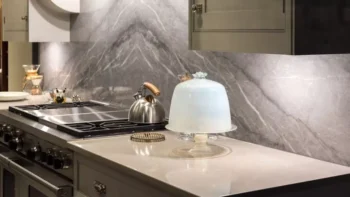
5 Stone Splashback Ideas For Your Kitchen Does your kitchen look boring? Want to make it better? You’re in the right place. With a stone splashback, you can make your kitchen pop and improve its look. A stone splashback is a great investment that’ll go behind your sink, stove, or countertop and prevent damage from things like water, grease, and food splatter. We have five ideas we want to show you that’ll make your jaw drop. Using this material for your splashbacks isn’t just visually appealing though, we’ll give you tips on how to clean and care for them so they stay shiny for years. Our Stone Slabs Range for Countertops Silver Patagonia Quartzite Sierra Wave Granite Patagonia Retro Granite Iceborne Quartzite View All 4 Reasons Why Your Kitchen Needs a Stone Splashback Before we dive into stone splashback ideas, let’s look at why you should even consider installing them in your kitchen. Here are six benefits: Durable and long-lasting: Stone is one of the most durable materials you can use for your kitchen. It can take a beating from heat, moisture, stains, scratches, and impacts better than most other materials. To add to that it doesn’t fade, warp, or crack over time. With some TLC, a stone splashback can last you years. Easy to clean and maintain: Cleaning a stone splashback is no problem thanks to its smooth surface. Just grab a damp cloth with some mild detergent when needed and wipe it down. No need to worry about grout lines or joints where dirt and bacteria can hide either. You also don’t need any special protection like special sealants or coatings. Versatile and customizable: Stone comes in many colours, patterns, textures, finishes and the rest of it you’d want for design options in your kitchen. Choose whatever natural stones you want like marble, granite or go for engineered stones like Quartz or Caesarstone if you want them to mimic the look of nature’s own creations (natural stones). Mix them together even if you want something completely different than others! You’re able to cut stone into whatever shape or size that your heart desires too! It is stylish and elegant: Stone has a timeless appeal that never goes out of fashion. It can add a touch of luxury and sophistication to your kitchen, and enhance its value and appearance. Whether you want a sleek and modern look or a warm and cozy feel, there is a stone splashback that matches your style and personality. Find the Perfect Stone for Your Project Not sure which stone will suit your kitchen, bathroom, or outdoor space? Explore our curated selection of natural stone slabs and get expert advice on the best choice for your design. View our Range 5 Stone Splashback Ideas For Your Kitchen You’ve been informed of all the good that comes with a stone splashback in your kitchen. But now you’re stuck between choosing one, that’s understandable. But don’t worry, here are five of the most beautiful stone splashbacks that you can try. Marble Stone Splashback Among materials you can use for your splashback, marble is one of the most classic and elegant choices. It has a shiny and smooth surface that reflects light, which gives off an airy and spacious feel. Your kitchen wouldn’t only have character added, but its veins and patterns are unique too. It comes in a range of colours such as black marble and white marble, making it versatile enough to match any style or theme. You can make your kitchen look very luxurious and sophisticated with a marble stone splashback. Granite Stone Splashback  Stone splashbacks made out of granite have become increasingly popular. This is due to the material’s strong and durable nature that can withstand heat, scratches, stains, and impacts with ease. It also creates depth and dimension with its rich texture. Granite isn’t limited to a single colour either. It comes in many shades including pink and black. With this, you can create a stark contrast or even a harmonious blend with cabinets and countertops, regardless if they’re earthy or vibrant. So if you want to make your kitchen look bold but dynamic, just choose granite for your stone splashbacks. Quartzite Stone Splashback Quartzite is a natural stone. It’s made from sandstone that gets exposed to high pressure and temperature. This helps it get a sparkling appearance that shimmers when light bounces off of it, so you can imagine how beautiful this must be to see. You’ll be happy to know that it’s smooth too! That means cleaning up after a meal won’t be as tough as it normally is with other surfaces since it has a non-porous surface. With many colours available for your choosing such as white and blue, you’ll definitely find something that pops out in your kitchen, making it look bright but glamorous at the same time. Limestone Stone Splashback A soft surface and mineral composition make limestone the perfect stone to use in your home for consistent warmth and coziness. If you’re looking for something that gives off an organic or rustic feel, then this is the way to go. It’s available in many colours, but beige and grey are the most common. One thing about limestone is it takes a kitchen from cold to inviting with just one choice alone. Porcelain Stone Splashback When it comes to your kitchen, a porcelain splashback is an excellent choice. It brings a modern and sleek look with its shiny surface and offers impressive strength, heat resistance, and resistance to stains. What’s great about porcelain is that it comes in a wide variety of colours, patterns, and finishes, allowing you to tailor your kitchen’s style to your liking. Whether you prefer a solid color that matches your kitchen’s decor or a unique pattern to add a touch of sophistication, porcelain splashbacks deliver a clean and contemporary appearance. Plus, they’re easy to keep clean and will last a long time. How to Clean and Maintain for Your Stone Splashback A stone splashback brisbane is easy to clean and maintain, but it still requires some care and attention to keep it

CONTINUE READING ➞

What is the Best Natural Stone for Shower Walls?

What is the Best Natural Stone for Shower Walls? Stepping into a shower can be a refreshing escape from our daily routine. The look and feel of the shower space play a big part in making this a pleasant experience. One key aspect of this is the material of the shower walls. Stone is a popular choice because of its natural beauty, durability, and timeless style. However, there are many types of stone to choose from, each with its own unique qualities. In this guide, we will explore the different types of stone to help you find the best one for your shower walls, ensuring a beautiful, functional, and durable choice for your relaxing space.   Our Stone Slabs Range Silver Patagonia Quartzite Sierra Wave Granite Patagonia Retro Granite Iceborne Quartzite View All Key Factors to Consider Before Installing Stone for Shower Walls Choosing the right stone for your shower walls is a significant decision that combines aesthetics with functionality. It’s not just about selecting a beautiful stone; it’s about choosing a stone that will withstand water exposure, resist mould and retain its beauty over time. Before taking the plunge, it’s crucial to consider several key factors that will influence your satisfaction with the final outcome. Here are some critical factors to keep in mind: Durability It’s important to choose a stone that can withstand wear and tear while maintaining its appearance. Granite and Quartzite are seen as being able to withstand anything. Water, soap, and even a bump or two won’t change that. Water Absorption Consider how well the stone repels water. Porcelain has a reputation for not holding any water at all making it perfect for the shower. This is important because if the walls of your shower hold too much water, over time they’ll start to get damaged. Maintenance Ideal stones require minimal effort to retain their beauty. Marble and Dolomite definitely do though. You need to constantly seal them so they don’t get stained from the water and soap scum. Resistance Scum and Stain  It’s crucial to choose a stone that resists stains and scum. And, if something does get on it you can clean it with something as simple as a paper towel. Aesthetic Appeal Lastly, consider the ambience you want to create in your bathroom. Marble gives off a luxurious look while porcelain is more modern. Find the Perfect Stone for Your Project Not sure which stone will suit your kitchen, bathroom, or outdoor space? Explore our curated selection of natural stone slabs and get expert advice on the best choice for your design. View our Range 5 Best Stones for Your Shower Walls Selecting the right stone for your shower walls can significantly enhance the aesthetics while ensuring durability and ease of maintenance. Here are five excellent stone choices for your shower walls: Granite Granite is a top pick for shower walls due to its strength and variety of colours. It resists scratching, and staining and holds up well against water and moisture. Its sleek appearance can provide a modern, elegant look to your shower. The ease of cleaning and the long-lasting shine make granite a valuable choice for any bathroom. Marble Known for its classic beauty, marble is another excellent choice. It brings an elegant and refined look to your shower space. While it may require sealing to prevent staining, the timeless appeal and the luxurious vibe marble offers are unparalleled. Its cool surface is also soothing to the touch, adding to the calming ambience of your bathroom. Quartzite Quartzite offers a glamorous shine and is incredibly durable. Its resistance to water and moisture makes it a practical choice for shower walls. Plus, it comes in a variety of colours and patterns, allowing you to customize the look to your taste. The robust nature of quartzite means it can retain its beauty for years with minimal maintenance. Travertine Travertine offers a warm, natural look with its earthy tones and textured surface. It’s perfect for creating a cozy, spa-like atmosphere in your bathroom. While it might need sealing to protect against staining, the relaxing and welcoming vibe it brings to your shower space is worth the extra care. Slate For a more rustic or contemporary look, slate is a fantastic option. It’s available in various earth-toned colours and has a natural texture that can add a unique character to your shower. Besides, slate is highly durable and resistant to water, making it a low-maintenance option for a busy household. Tips to Maintain the Beauty of Stone Shower Walls in Your Bathroom Stone shower walls add a touch of natural elegance to your bathroom, creating a serene space to refresh and rejuvenate. But to keep them looking and performing their best, they need regular care. Unlike other materials, stone has a unique texture and composition that needs a special approach to cleaning. Here are some tips to keep the beauty of your marble stone shower walls intact: Regular Cleaning: Clean as often as you can. Don’t wait for a mess to build up. Use a non-abrasive cleaner or squeegee after every shower to keep your stone’s beauty intact and free from soap scum and hard water stains. Sitting back and reacting to messes won’t give you the same captivating feeling as when you first installed your stone. Sealing: Regular sealing helps protect popular stones like marble and granite from water damage. It acts as a barrier for water absorption and staining. It’s best to follow guidelines from the manufacturer, or get advice from an expert on how often it should be done. Each session of sealing contributes to preserving its integrity, making sure it lasts with time and use. Use of Non-Abrasive Cleaners: Avoid using abrasive or chemical-laden products as they can scratch the stone surface, so try not to use those if possible. Instead, opt for cleaners that have a pH-neutral state. They’re gentle enough to not damage the stone while still effective at removing grime. Quick clean-up: Spills are going to happen no matter what, so

CONTINUE READING ➞
Granite Vs Quartzite

Granite Vs. Quartzite: Which Is Best For Kitchen Countertops?

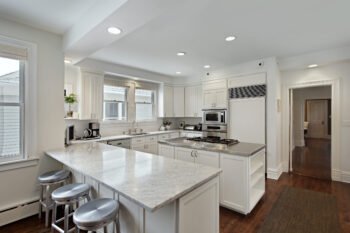
Granite Vs. Quartzite: Which Is Best For Kitchen Countertops? When choosing a natural stone countertop for your kitchen, you may find yourself wondering which one to go with: granite or quartzite. Both are great options that will enhance the beauty of your kitchen while being durable. However, there are some differences between them that should be considered before making a decision. We’ll be comparing the two in terms of durability, resistance, aesthetics, variety, color, and pattern. Tips on how to care and maintain your stone countertop will also be provided.   Our Granite Slabs for Countertops View All Our Granite Slabs for Countertops View All Our Quartzite Slabs For Countertops View All Our Quartzite Slabs For Countertops View All Our Stone Slabs Range View All Our Stone Slabs Range View All Granite Vs. Quartzite: Durability & Resistance Granite is one of the hardest stones you can find naturally. On the Mohs Hardness Scale, granite measures between a 6 and a 6.5. It consists of quartz, feldspar, and other minerals that give it strength and resistance to heat, scratches, stains, and chemicals. With proper care and sealing it can serve you for decades. Harder than granite is quartzite at a 7 on the Mohs Hardness Scale. It’s made from sandstone that’s been exposed to high pressure and heat. As a result, this stone is mostly composed of quartz crystals. Quartzite also has resistance against heat, scratches, stains, and chemicals too. However there are some types that contain calcium carbonate which can react with acidic substances and cause etching. Both stones are built differently but have similar benefits in terms of durability and resistance. A busy kitchen won’t even put a dent in them! But if we had to choose one over the other then we’d say that quartzite takes the cake because of its hardness and heat resistance alone Granite does have an advantage though over quartzite when it comes to stain and scratch resistance. Aesthetics and Variety Granite is known for its natural beauty and diversity. It can come in a very wide range of colors, textures, and patterns. You want soli black? You got it. Speckled white? Sure. Smooth to rough? Yep that too. Depending on your own personal taste, you have two choices: polished to a high gloss or honed to a matte finish. One thing is for certain with granite countertops though, none of them will be the same. Quartzite on the other hand has the beauty and versatility to rival granite. With veins and swirls of different colors and shades, it looks similar to marble. Quartzite also has a sparkling effect due to quartz crystals being caught up in its composition. It’s available in many colors too, like white, gray, pink and blue just to name a few. Want different looks? That’s achievable by either polishing or honing it. Both granite and quartzite are aesthetically pleasing and varied materials that can suit any kitchen style and design. However, quartzite may have a slight edge over granite in terms of elegance and sophistication, as it resembles marble more closely. On the other hand, granite may have an advantage over quartzite in terms of uniqueness and originality, as it has more variations and patterns. Color and Pattern Variations When choosing the material of your countertop, there are a few other things to think about. One of those things is color and pattern. You want it to look good with everything else in your kitchen like cabinets,Stone backsplash, and flooring. Granite can range from subtle to dramatic when it comes to color and pattern. Its composition of minerals and crystals allow it to have solid, speckled, or lined patterns. There’s also different levels of porosity. Every factor changes its texture and color. Some may have more pores than others which causes them to stain and get discolored easily. If you go with Quartzite instead then you’ll end up with a uniform look. It’s usually gray or white but can still have different colored veins running through it. Some flecks or sparkles may appear too adding some shine and dimension to the surface. You don’t have to worry about persistent liquids or stains ruining the material since it has low porosity. Both options will enhance your kitchen’s visual appeal with their variation in color and pattern. Granite might offer more contrast though due to its wide range of options and combinations. On the other hand quartzite might give off a more refined look as granite can be inconsistent at times depending on what you choose and how they’re placed in your kitchen. Cost When you’re thinking about getting a countertop, one of the earliest things that come to mind is the cost. Granite and quartzite aren’t just premium materials that make your kitchen look beautiful, but also expensive. To know the exact price on both you’ll need to factor in things like size, thickness, color, patterns, quality of the slab and any additional installation and fabrication fees. However, on average, you can expect to pay between $60 and $120 per square foot for granite countertops, and between $90 and $200 per square foot for quartzite countertops. Quartzite is generally more expensive than granite because it is rarer and harder to quarry and process. Porosity Another important thing to think about when you’re picking out a countertop is how well it deals with liquid. That’s not to say you should be expected to spill things often, but sometimes it will happen. It’s best to be prepared for when it does. Porosity is how much a material takes in liquids and stains. A substance that is porous can absorb liquids a lot quicker compared to one that isn’t. Granite and quartzite are both porous materials, so acid like wine, lemon juice, vinegar, and tomato sauce can easily stain them.But the upside here is that quartzite has higher density and lower water absorption than granite. As a result, it can resist more stains and etching. However, both granite and quartzite need sealing at least once every year to prevent staining

CONTINUE READING ➞

Different Types of White Marble

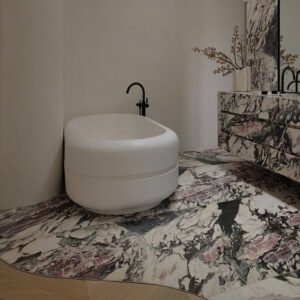
Different Types of White Marble and Their Best Uses White marble is a well-regarded material associated with luxury, elegance, and eternal beauty. Whether utilised in imposing structural plans or modern home interiors, marble serves to heighten the aesthetic quality of the room in which it is housed. Its characteristic veins and unique colour make it an attractive choice for countertops, flooring, and decor. In this article, we will explore how combining white marble with other marble colours can create stunning and unique design possibilities. From the classic elegance of Carrara to the bold contrast of black marble, each combination offers a different aesthetic that can elevate any space. We will also discuss the best applications for these marble pairings and provide essential maintenance tips. Our Marble Slabs Range Helicanus Marble Golden Spider Marble Diano Reale Marble Breccia Anatolia Marble View All Our Stone Slabs Range Helicanus Marble Golden Spider Marble Diano Reale Marble Breccia Anatolia Marble View All What Makes White Marble Special? White marble is a type of metamorphic natural stone, primarily composed of calcium carbonate. Its reflective qualities make it particularly striking when exposed to light. Quarried worldwide, each variety boasts unique patterns, vein structures, and shades that only add to its allure. This marble stone is widely used in interior design because of its adaptability and capacity to blend harmoniously with different colour schemes and decorative ideas. There are many reasons for choosing this pristine marble for your next project, some of them are mentioned below:  Time-honored elegance: Marble brings a luxurious and symmetrical tone to any setting. Durability: This marble is suitable for use in kitchens and bathrooms as it is resistant to heat. Unique patterns: No two slabs are exactly alike, producing a distinctive look for each marble.  Variety: A wide range of marble types are easily available with differing veins and textures.  Light optics: The bright, reflective surface of this marble can make spaces look larger or more open. It is well suited for living areas and engaging spaces in homes and offices alike. Versatility in design: It suits modern as well as traditional interiors equally well. Thus, this flexible option is favored by architects and designers. White marble stone can enhance the overall value of a home or commercial space and add a touch of timeless beauty to the property. Anyone looking for a top-of-the-range marble that exudes class and also has practical qualities should consider this ethereal white stone as an option. Types of White Marble There are several different types of marble each with its unique characteristics in terms of veining, tone, and overall aesthetic effect. Here are a few examples: Carrara Marble Carrara marble types is taken from the Carrara region of Italy and is one of the most widely used types of marble. It features a soft white background with pale and grey marble veins throughout. In both modern and classic Italian marble designs, it fits perfectly. Due to its affordability and versatile nature, it is used widely for · interior floors, wall paneling, etc. The best part of this marble is its fine grainy composition which makes it ideal for sculptural work and especially detailed and intricate items. Calacatta Marble Often confused with Carrara marble, Calacatta marble types have many white streaks on an even whiter background with bold grey streaking and often golden brown veins. Calacatta is the more luxurious choice for kitchen worktops, marble countertops, and other design projects because of its rarity and stunning appearance. It is also commonly used in grand entrances, designer homes, and opulent bathrooms where its dramatic veining can become the focal point of the space. Statuario Marble Statuario Marble with its perfect white colouring and light gray streaks gives it the charm of any classic contrast color combination. The different textures of this white rock are incorporated into bathroom walls or paired with stunning custom furniture to produce a look that is daring and innovative. Its broad veins provide a fabulous contrast with modern design spaces. When used sparingly, the stunning statuary white creates clear natural patterns against luxurious black floors. Arctic Marble Like snowpowder swirling in the wind, large areas of Arctic marble have veins and spots throughout. In a wide variety of shades of marble tiles and slabs, you can find such perfectly transparent touches. For interior design, this kind of marble can handle the need to bring everything calm and peaceful The subtle surface veining of Arctic marble makes it perfect for creating a soft, harmonious ambiance in minimalist and modern interiors. Find the Perfect Stone for Your Project Not sure which stone will suit your kitchen, bathroom, or outdoor space? Explore our curated selection of natural stone slabs and get expert advice on the best choice for your design. View our Range Applications of White Marble White Marble is incredibly versatile and can be used in a range of various types of applications whether in residential or commercial space. Some of its most popular uses include: Marble Benchtops For high-end kitchens, translucent white marble countertops are a staple. In addition to their timeless appeal, they have great heat resistance and durability. The natural coolness of these marbles provides an excellent surface for baking and food processing. White and black marble kitchen islands with waterfall edges are a popular design choice, providing both service and charm to contemporary homes. Marble Bathrooms From marble tiles to countertops, this timeless white stone is a key element in decorating bathrooms. The different types of marble allow for a variety of application projects; from modern minimalist to traditional and ornate. A bathtub surrounded by a white stone or used as a shower wall can instantly add to the luxury of a bathroom. Marble Flooring This type of marble on the floor adorns living rooms, bathrooms, and commercial spaces with sophistication. From light green to dark green, its coloring provides interior floors that are both dynamic and visually stimulating. Large-format marble tiles make for a seamless look, increasing the sense of space

CONTINUE READING ➞
Stone types for fireplace

How to Choose the Best Stone for Fireplace

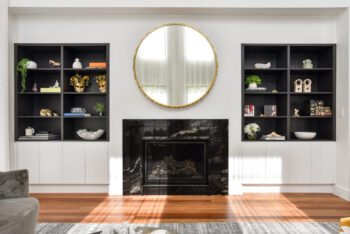
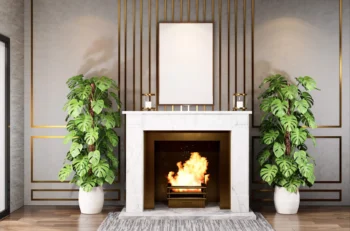
How to Choose the Best Stone for Fireplace Choosing the right stone for your fireplace can transform your space, creating a warm, inviting, and stylish atmosphere. But with a myriad of stone options available, how do you make the right choice? This guide will walk you through the process, helping you understand the key factors to consider when selecting the perfect stone for your fireplace. We’ll delve into the world of natural stone, manufactured stone, and everything in between, discussing their pros and cons, aesthetic appeal, maintenance requirements, and more. Whether you’re renovating your existing fireplace or installing a new one, this comprehensive guide will equip you with the knowledge to make an informed decision. So, let’s ignite the discussion and help you choose the best stone for your fireplace. Our Stone Slabs Range for Countertops Rosado Quartzite Patagonia Sedona Granite Ijen Blue Quartzite Andor Dolomite View All How to Choose the Best Stone for Fireplace Choosing the right stone for your fireplace can transform your space, creating a warm, inviting, and stylish atmosphere. But with a myriad of stone options available, how do you make the right choice? This guide will walk you through the process, helping you understand the key factors to consider when selecting the perfect stone for your fireplace. We’ll delve into the world of natural stone, manufactured stone, and everything in between, discussing their pros and cons, aesthetic appeal, maintenance requirements, and more. Whether you’re renovating your existing fireplace or installing a new one, this comprehensive guide will equip you with the knowledge to make an informed decision. So, let’s ignite the discussion and help you choose the best stone for your fireplace. The Benefits of Stone Fireplaces: The enduring allure of stone fireplaces lies in their inimitable combination of aesthetic appeal, resilience, and versatility. Here, let’s dissect the core benefits: Stone fireplaces have many positive qualities, but one of the best is the architectural freedom they provide. Stone fireplaces are versatile and can complement any kind of home, whether it be ultra-modern and minimalist or warm and welcomingly rural. You may make your fireplace reflect your own style and taste by selecting the stone it is made of. Marble’s timeless elegance, granite’s raw beauty, and limestone’s understated refinement are just a few examples. Stone fireplaces are known for their durability and low upkeep requirements. Quartzite and granite are two examples of very hard stones that are also known for their resistance to heat, scratches, and chipping. Due to its longevity, a stone fireplace may be the focus of your living room for many years with no effort on your part. To keep them in pristine shape, you need only dust them regularly and perform a thorough cleaning once in a while. Heat Efficiency Stone fireplaces are top-notch in this regard. Stone has intrinsic thermal qualities that allow it to absorb heat and gradually release that heat over time. The effectiveness of the fireplace is increased thanks to the steady release of heat, which keeps the space at a pleasant temperature. This feature can help reduce heating costs in the winter. Find the Perfect Stone for Your Project Not sure which stone will suit your kitchen, bathroom, or outdoor space? Explore our curated selection of natural stone slabs and get expert advice on the best choice for your design. View our Range Different Types of Stone for Fireplaces A fireplace can be the heart of a home, providing warmth, ambiance, and a focal point that draws people together. The choice of stone for your fireplace can significantly impact its aesthetic appeal and functionality. Here are some of the most popular types of stone used in fireplaces: Marble Fireplaces Known for its elegance and sophistication, marble is a classic choice for fireplaces. Its unique veining and availability in various colors make it a versatile option that can suit a range of interior styles. However, marble is porous and can stain easily, so it requires regular sealing and careful maintenance. Granite Fireplaces If durability is a priority, granite is an excellent choice. It’s one of the hardest stones available, making it resistant to scratches and heat. Granite comes in a wide range of colors and patterns, allowing for customization of your decor. Limestone Fireplaces Limestone offers a more rustic and traditional look. It’s neutral colors and smooth texture make it a popular choice for those seeking a minimalist or country-style aesthetic. Like marble, limestone is porous and requires sealing to prevent damage. Quartzite Fireplaces Quartzite is a hard, non-porous stone that’s resistant to heat and stains. It has a sparkling quality due to the tiny quartz crystals in the stone, adding a touch of glamour to your fireplace. Each type of stone has its unique characteristics, advantages, and drawbacks. When choosing a stone for your fireplace, consider factors like durability, maintenance, cost, and how well it fits with your home’s style. Consulting with a professional can provide valuable insights to help you make the best choice for your fireplace. Factors to Consider When Choosing Your Fireplace Stone The stone you select for your fireplace is an important design element, so give it some thought. Several key considerations include the following: Interior Design Trends: Your fireplace’s design and color palette should complement the rest of your interior. Stone fireplaces, such as those fashioned from piled stone or limestone, would be a better fit for a rustic or country-style home, while marble would be the ideal choice for a more rich and beautiful setting. Requirements for Upkeep: The care requirements of various stones vary. Marble, on the other hand, may need more frequent care to preserve its gloss than granite does, despite the fact that both are quite hardy and require little in the way of upkeep. Cost: Depending on the stone, prices might vary widely. Consider not just the price of the stone and the labor to set it up, but also the expense of upkeep in the years to come. How to Match Your Fireplace Stone with Your Home Decor It’s a good idea

CONTINUE READING ➞

Carrara Marble Vs. Calacatta Marble

Carrara Marble Vs. Calacatta Marble – What’s The Difference? Carrara Marble and Calacatta Marble are two of the most well-known options when it comes to selecting marble for residential or business use. These two marbles have a reputation for beauty and distinction, yet they are distinct in their own ways. Knowing the distinctions between Carrara and Calacatta Marble might help you choose the best material for your project. This article will compare and contrast two types of marble, discussing their unique characteristics and highlighting the ways in which their durability, popularity, care needs, patterns, and more vary. Let’s set out to discover the secrets of Carrara and Calacatta Marble. Our Calacatta marble Slabs for Countertops Calacatta Viola Marble Calacatta Verde Marble Calacatta Vagli Marble Calacatta Statuario Marble View All Our Stone Slabs Range for Countertops Rosado Quartzite Patagonia Sedona Granite Ijen Blue Quartzite Andor Dolomite View All Durability Carrara Marble and Calacatta Marble are both known for their durability, but there are subtle differences that set them apart. Carrara Marble: Carrara Marble is an exceptionally strong and long-lasting kind of marble. Its durability makes it a good option for a wide variety of business and domestic uses. Carrara Marble is beautiful and durable, but it may be stained or scratched if not cared for correctly. It may be used in a variety of settings thanks to its resilience, but its aesthetic value should be protected at all costs. Calacatta Marble: The durability of Calacatta Marble is typically compared to, if not exceeded by, that of Carrara Marble. Because of its compact composition and low porosity, it resists staining and etching. This marble is suitable for heavy foot activity and will retain its brilliance even after regular usage. Its durability and resilience make it a top choice among people shopping for marble. Find the Perfect Stone for Your Project Not sure which stone will suit your kitchen, bathroom, or outdoor space? Explore our curated selection of natural stone slabs and get expert advice on the best choice for your design. View our Range Popular Uses and Applications Carrara marble and Calacatta marble Slabs have both been used in a variety of building and decorating projects. Here is a typical use of them: Carrara Marble: Carrara Marble is often utilized in bathrooms, kitchens, and flooring due to its mellow gray tones and fine veining. Its understated beauty makes it a popular choice for kitchen and bathroom surfaces as well as for wall covering. Because of its traditional good looks, Carrara marble has long been a favorite material of interior decorators and homeowners. Calacatta Marble: The striking veining and color variations of Calacatta Marble make it a focal point. It is often seen in opulent places like hotel lobbies, gourmet kitchens, and impressive front entrances. Because of its eye-catching design, it may be used inside or out to create a statement. Maintenance and Care Both Carrara Marble and Calacatta Marble need careful upkeep if they are to retain their lustre and durability over time. What you need to know is as follows. Carrara Marble: Regular sealing of Carrara Marble is necessary to protect it from stains and etching. To protect the surface, it’s best to clean it gently with a neutral-pH cleanser. Cleaning products with acid or abrasives should be avoided, since they will dull the marble’s polish. It may be kept looking shiny and elegant with regular polishing. Calacatta Marble: Calacatta Marble requires comparable upkeep as Carrara, however its reduced porosity may mean it needs sealing less often. To avoid costly repairs, always quickly clean up spills and protect surfaces with coasters or mats. Calacatta Marble, like Carrara, can be cared for and kept looking opulent with regular light washing and the occasional application of polish. Patterns, Veins, and Shades The distinctive veining, coloration, and patterning of Carrara and Calacatta Marble are its defining characteristics. Let’s look through these distinctions: Carrara Marble: Carrara marble is known for its homogeneous backdrop and fine, feathery veining. Its tones range from pale gray to cool blue, with nuanced shifts that provide a calming overall effect. Carrara marble’s subtle veining makes it a versatile material that can be used in both classic and modern settings. Calacatta Marble: On the other hand, Calacatta Marble stands out for its striking veining. On a white or creamy backdrop, the veins might be any shade from gold to brown to gray. Calacatta Marble is an excellent option for people who want to create a bold design statement due to its stunning patterns. Its ostentatious allure has come to symbolize wealth and power. Conclusion If you want to make an informed decision between Carrara marble and Calacatta marble, you need to know more than just which one you like better. Both Carrara and Calacatta marbles are stunning and practical, yet different aesthetic preferences may lead you to choose one over the other. Take into account your individual requirements, design objectives, and way of life to determine the best decision. Care and upkeep will keep your marble looking beautiful for years to come, whether it’s Carrara or Calacatta. Frequently Asked Questions (FAQs) What is the difference between Calacatta marble and Carrara marble? While the white or creamy foundation of Calacatta Marble is noted for its spectacular veining, the light gray to blue-gray veining of Carrara Marble sets it apart. While Carrara is famed for its classic beauty, Calacatta is more often associated with opulence and grandeur. Is Carrara or Calacatta more expensive? In general, Calacatta marble costs higher than Carrara marble. Its increased cost is influenced by its scarcity, striking veining, and vibrant color variations. While still a high-quality marble, Carrara is more widely accessible and often less expensive. Is Calacatta marble harder than Carrara? Many people believe that Calacatta marble is a little tougher and more resilient than Carrara marble. Its reputation as a more durable choice is mostly due to its solid structure and low porosity, which make it less susceptible to stains and etching. Related Posts

CONTINUE READING ➞
Wishlist
Recently Viewed
Categories