Natural stone Tiles vs Porcelain Tiles: Which is better?

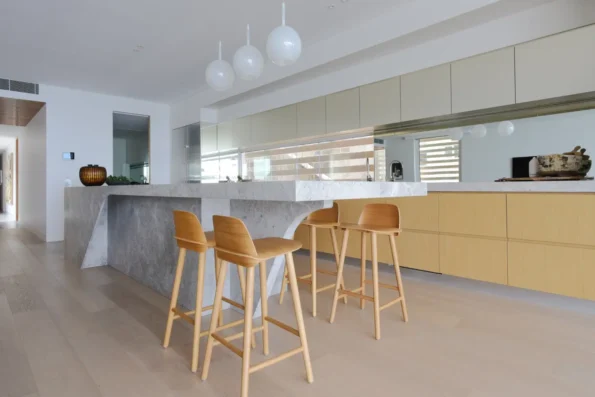
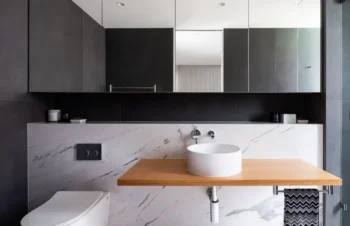
When it comes to choosing the perfect tiles for your home, there are a number of options that can be overwhelming. From ceramic to vinyl, from porcelain to natural stone, each type has its own unique set of features and benefits. In this article, we’ll take a closer look at two of the most popular types – stone tiles and porcelain tiles – and compare them head-to-head to help you make an informed decision. The Beauty of Natural Stone Tiles Natural stone tiles are exactly what their name suggests – tiles made from natural stone. Whether it’s the warm swirls of marble, the rustic charm of travertine, or the sleek elegance of granite, natural stone tiles bring a touch of nature into your home. Advantages of Natural Stone Tiles Examples and Imagery Imagine walking into a kitchen with a floor made of gleaming marble tiles. The patterns on each tile are unique, creating a beautiful mosaic that instantly catches the eye. The tiles are cool underfoot, a welcome relief on a hot summer day. Or picture a Marble bathroom decked out in slate tiles. The dark, rugged stone adds an element of rustic charm, a perfect complement to the warm glow of candlelight during a relaxing bath. These are just a few examples of how natural stone tiles can be used to create stunning, unique spaces. The Practicality of Porcelain Tiles Porcelain tiles are a type of ceramic tile that is fired at higher temperatures, resulting in a denser, less porous, and more durable tile. Their sleek and uniform appearance has made them a favorite in modern homes and commercial spaces. Advantages of Porcelain Tiles Examples and Imagery Envision a bustling cafe with porcelain tiles that mimic the look of aged hardwood. Despite the heavy foot traffic and frequent spills, the floor remains unscathed and as beautiful as the day it was installed. Or picture a contemporary kitchen with large format porcelain tiles that resemble white marble. They offer the luxurious aesthetic of natural stone but without the need for frequent sealing and special cleaning products. Natural Stone vs Porcelain Tiles: A Comparison When choosing between natural stone tiles and porcelain tiles, there’s no definitive “better” option – it truly depends on your personal preference, lifestyle, and the specific needs of the space. While natural stone tiles offer unparalleled beauty and uniqueness, they require more maintenance and can be more expensive. On the other hand, porcelain tiles are highly durable, easy to maintain, and often more budget-friendly, but they don’t have the same natural variation and luxurious feel as natural stone. FAQ (Frequently Asked Questions) Do natural stone tiles require more maintenance? Natural stone tiles do require some maintenance to keep them looking their best, such as regular sealing to prevent stains and damage. However, with proper care, they can last for generations. Are porcelain tiles a good option for bathrooms? Yes, porcelain tiles are an excellent choice for bathrooms. They are water-resistant, easy to clean, and available in a wide range of styles and finishes. Which type of tile is more eco-friendly? Both types have their merits. Natural stone tiles are made from a renewable resource and can last for a very long time if properly cared for. Porcelain tiles are often made from recycled materials and are very long-lasting, reducing the need for replacement. Conclusion Whether you choose stone tiles or porcelain tiles, both options can add beauty and value to your space. It ultimately comes down to your personal preferences, budget, and the specific demands of your space. Always consider the long-term care, durability, and aesthetic appeal when choosing the right tiles for your project.

CONTINUE READING ➞
Marble

Expert Guide to Choosing the Right Tile for Your Project

When it comes to home improvement or construction projects, choosing the right materials can make or break the outcome. One of the most critical decisions you’ll make is selecting the perfect stone tile for your project. Tiles offer a versatile and durable option for flooring, walls, countertops, and even outdoor patios. However, with a multitude of types and styles available, making the right choice can be overwhelming.  Don’t worry! This comprehensive guide will walk you through five of the most popular tile types: Marble, Granite, Limestone, Travertine, and Basalt. By understanding the characteristics of each type, you’ll be able to select the ideal tile for your project.  Marble Tiles The grandeur and elegance of Marble have been appreciated since ancient times. It’s a naturally occurring stone that adds a touch of luxury to any space. Marble tiles come in a variety of colors, from pure white to black, with various shades of cream, grey, green, and pink in between.  Imagine walking into a marble bathroom with polished white marble flooring. The reflection of the overhead lights gives the room a bright, clean appearance. Marble is not just for floors; it’s also perfect for creating stunning backsplashes or elegant fireplace surrounds.  However, keep in mind that marble is relatively soft and porous, making it prone to staining and scratching. Thus, it’s best suited for low-traffic areas or places where it won’t be exposed to harsh substances.  Granite Tiles If you’re looking for a tile that can withstand high-traffic areas, Granite is an excellent choice. This igneous rock is known for its durability and resistance to heat, scratches, and stains. It’s a perfect choice for Granite Kitchen Benchtops or outdoor patio flooring.  Think about a bustling kitchen with a large granite countertop. The dark granite stands up to the heavy cooking pots and cutting knives, retaining its glossy finish even after years of use. Granite tiles come in a wide array of colors, from nearly white to almost black, with blues, greens, reds, and browns in between. This diversity allows for unique design possibilities, but it also means you’ll need to carefully consider your color choice to ensure it complements your design. Limestone Tiles When you’re seeking a natural, earthy look, consider Limestone. Formed over millions of years from compressed shells and marine life, limestone tiles offer a rustic and warm aesthetic.  Picture a cozy living room with light beige limestone flooring. The soft tones create a calming, inviting atmosphere, ideal for a space meant for relaxation and gathering. Limestone is softer and more porous than granite, making it more susceptible to scratches and stains. It requires regular sealing to maintain its appearance. Because of its softer nature, it’s best used in low-traffic areas or exterior projects. Travertine Tiles Travertine is a type of limestone that forms around mineral spring deposits. With its classic and timeless look, Travertine is a popular choice for indoor and outdoor applications. It has a naturally non-slip surface, making it perfect for bathroom and poolside areas.  Imagine walking barefoot on a cool travertine pool deck on a hot summer day. The rough texture provides grip, preventing slips and falls. While travertine is durable, it’s also porous and can be stained or etched by acidic substances. Therefore, it requires regular maintenance, such as sealing, to keep it looking its best. Basalt Tiles When durability meets modern aesthetics, you get Basalt. This dark-colored, igneous rock is incredibly tough and resilient, making it ideal for high-traffic areas.  Picture a sleek, modern kitchen with a charcoal-colored basalt floor. It’s not only stylish but also withstands the high foot traffic and frequent spills typical in such a space. Despite its strength, basalt tiles require regular sealing to prevent staining and maintain their appearance. Conclusion Choosing the right tile for your project is about balancing aesthetics, durability, and maintenance requirements. Whether you’re drawn to the luxury of marble, the strength of granite, the rustic charm of limestone, the timeless elegance of travertine, or the modern appeal of basalt, understanding the unique properties of each tile type will help you make an informed decision. Remember, your choice of tile can drastically transform the look and feel of your space. So, take the time to consider your options, weigh the pros and cons, and select a tile that complements your design vision and meets your project’s specific needs. Finally, don’t hesitate to reach out to tile and stone professionals. They can provide further advice and guidance, ensuring you make the best possible choice for your project. With the right tile, you can create a space that’s not only functional and durable but also truly beautiful. FAQs (Frequently Asked Questions) What tile is best for a high-traffic area? For high-traffic areas, Granite and Basalt tiles are an excellent choice due to their high durability and resistance to wear and tear. Which tiles are best for outdoor use? Granite, Travertine, and Basalt tiles are all suitable for outdoor use. They are weather-resistant and maintain their appearance despite exposure to the elements. Which tiles require the least care? Granite and Basalt require relatively less maintenance. These tiles are less porous and resistant to staining, but they still benefit from regular sealing. I want a luxurious, high-end look. Which tile should I choose? Marble tiles are synonymous with luxury and elegance. Their unique veining and wide range of colors can create a truly high-end look. What tile is best for a rustic or natural-style project? Limestone and Travertine tiles offer a natural, earthy aesthetic, making them a great choice for rustic or traditional style projects. If you are ready to kickstart your project and need more advice on choosing the perfect tile, our team of experts at Avant Stone are here to help. With our wide range of high-quality stone tiles and extensive industry experience, we can guide you in making the best choice that aligns with your project needs and aesthetic preferences. Contact us today to transform your space into a masterpiece!

CONTINUE READING ➞
My Cart
Wishlist
Recently Viewed
Categories