Calacatta Marble

Why is Calacatta Marble the most popular?

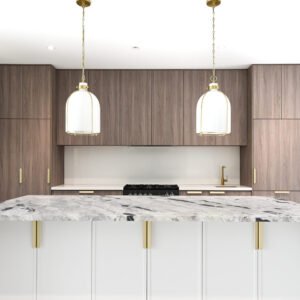
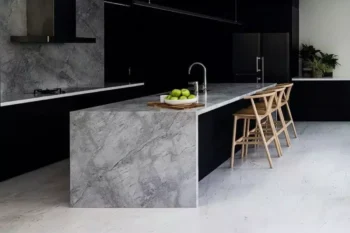
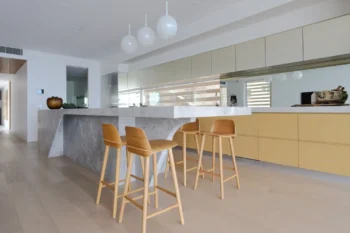
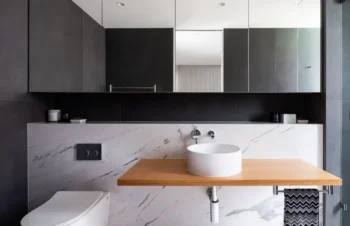
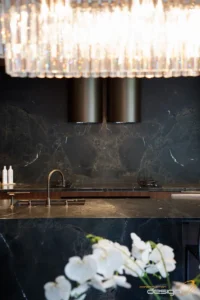
Why is Calacatta Marble the most popular? Italian marble such as Calacatta is unrivaled in the natural stone world when it comes to purity and beauty. Renowned for its bold veining and intricate patterns, it should come as no surprise that this stone was utilized in some of history’s most notable structures, primarily castles and cathedrals. The timelessness and elegance of this stone speak with its bright white color and detailed veining. This marble was favored by the famous Italian sculptor Michelangelo. Associated with luxury, elegance, and refinement, Calacatta Marble is used as a status symbol in both residential and commercial structures all over the world. Our Calacatta marble Slabs for Countertops Calacatta Viola Marble Calacatta Verde Marble Calacatta Vagli Marble Calacatta Statuario Marble View All Our Stone Slabs Range for Countertops Silver Patagonia Quartzite Sierra Wave Granite Patagonia Retro Granite Iceborne Quartzite View All Where is Calacatta Marble quarried from? Calacatta marble is sourced from quarries in the Apuan Mountains in Carrara, Italy. This marble originates from a wide mountain range in the Carrara region. This mountain range quarries other marbles as well such as Carrara, Statuario, and more. Every one of these stones is a white marble with a geological formation that is akin in nature. The production of Calacatta Marble Slabs is limited and tightly controlled. Quarrying becomes extremely difficult in the high winter months on Carrara’s mountain top, therefore seasonal conditions have an impact on production. Some quarries produce Calacatta marble that is superior to others. The Borghini Quarry, for example, is one of the oldest and seasoned quarries in the Carrara region, with some of its cuts dating back to Roman times. Quarried from the undisputed marble capital of the world, this stone is often compared with Carrara Marble.  Despite the resemblance and similarities, the subtle difference speaks volumes. Carrara Marble sports a silver-grey background with soft veining, whereas Calacatta Marble flaunts white background with bold veining. Why is Calacatta Marble super costly? Calacatta Marble is unique in look and it can only be found in one region in the world, near Carrara, Italy. Hundreds of years ago, the Italians found that what distinguishes all of the white marble in the Calacatta Region is the stone’s veining and how white the background is. The more expensive the slabs are, the whiter the material is. The more ‘uniform’ the veining in a stone is, the more expensive it becomes. The seasonal factors and the color of the stone contribute to the natural stone’s rarity and high price. Is Calacatta Marble durable? Marble is a hard natural stone that’s been formed under extreme heat and pressure on the Earth. It is a durable and heat-resistant substance. A marble countertop that is sealed and cleaned regularly is a stunning and long-lasting choice for kitchens and bathrooms. Things to be aware of with marble benchtops are that they require some care and maintenance to keep them looking fantastic. Cutting boards should be used to safeguard marble worktops, and they should be wiped clean after each usage, sealing the stone is also a must. Where can the Calacatta Marble be used? This natural stone is favored as a decorative stone in interior and exterior designing. Used in bathrooms, marble countertops in the kitchen, feature walls, fireplaces, marble flooring in offices, as tiles in an indoor application, and more. If you’re aiming to convey a sense of refinement and elegance to a space,  Calacatta Marble will not let you down. What backsplash goes with Calacatta Marble? Backsplashes add texture and detail to a kitchen. Not overpowering, but pleasing to the eye, textured backsplashes with intricate designs add tones of different colors. With a Calacatta Marble benchtop, a balance of colors is essential. The aesthetics of your kitchen need to be well thought out for symmetry and elegance. With white cabinetry and white calacatta marble benchtops, white backsplashes take after a serene atmosphere, provided the other articles and pieces of furniture are black or brown. With some brown or wood cabinetry and an off-white calacatta marble benchtop, backsplashes with intricate designs in blue, green, and orange would brighten up your kitchen. Calacatta Marble Benchtop Remember that while  Calacatta Marble looks fantastic on any surface or in any area, it does require some upkeep when used as a benchtop. Because of the deep richness of the white, most stains that form on this porous material will be quite visible if not attended to. Regularly sealing with a sealant, using a non-acidic cleaner to avoid etching, and cleaning food spills immediately to avoid staining are some points to keep in mind. Offering an elegant look with its fewer but vivid and unstructured veining, with  Calacatta Marble  you can design a limitless number of looks and styles for your benchtop. Here at Avant Stone, we have seven different types of  Calacatta Marble  to turn your kitchen around. Here are some color recommendations: With white cabinetry, our Calacatta Bella or  Calacatta Statuario  will suit very well as it will add to the sophistication of the space. Due to hues of grey flowing through the stone, it will provide a sort of calm in the atmosphere. With soft brown or soft peach cabinetry, our Calacatta Oro  will add some depth and warm up the area. With dark brown and gold cabinetry, our  Calacatta Vagli  with its warm white background and soft gold veining will provide charm and delightfulness. With pastel cabinetry, our Calacatta Corchia, and  Calacatta Viola  would balance the colors in the room with their striking and dramatic appeal. Related Posts

CONTINUE READING ➞
sintered stone

How to Prevent Water Damage and Staining on Natural Stone Surfaces?

How to Prevent Water Damage and Staining on Natural Stone Surfaces? Whether in use in kitchens, bathrooms, or outdoors, natural stone surfaces are valued for their elegance and durability. They are, however, still vulnerable to damage, especially due to water and staining. Water damage and staining can be extremely disastrous to natural stone surfaces, making it vital to prevent them in order to safeguard the life expectancy and the look of your natural stone surfaces. This blog outlines some of the major steps that can be taken to prevent water damage or stains on your natural stone slabs, so these surfaces remain shining like the day they were installed. Our Stone Slabs Range Silver Patagonia Quartzite Sierra Wave Granite Patagonia Retro Granite Iceborne Quartzite View All Understanding the Risks of Water Damage on Natural Stone Natural stones are porous in nature and may be attacked by water if not protected. Water seeps into natural stones and deposits minerals such as calcium and magnesium that cause discoloration. The accumulation of minerals over time will result in etching that affects the structural integrity. Humid environments such as bathrooms and kitchens can further the problem because continuous water exposure increases the potential for damage. Moreover, improper cleaning techniques, such as excessive use of harmful chemicals, may further add to the problem. Even failing to wipe spills in due time may end up causing long-term damage. When the risks are understood, it is only a first step in helping to keep your natural stone surfaces from being harmed by being exposed to hard water and other sources. Such risk mitigation includes proper sealing, regular maintenance, and attending to spills. Find the Perfect Stone for Your Project Not sure which stone will suit your kitchen, bathroom, or outdoor space? Explore our curated selection of natural stone slabs and get expert advice on the best choice for your design. View our Range Best Practices for Regular Cleaning to Protect Natural Stone Proper and regular cleaning will make your natural stone slabs appear good and durable. Here are some good practices that you can follow to give your stone surfaces proper care and prevent damage: Use pH-neutral cleaners Clean natural stone using pH-neutral cleaners that are designed to clean stone surfaces. Acidic or alkaline cleaners can etch the stone and result in dullness; in most cases, it causes permanent damage. Always go for gentle products and those that are designed to help maintain the integrity of the stone. Cleaning it regularly with such cleaners will help in maintaining the natural luster of the stone without causing any damage. Avoid excess water during cleaning Although water is included as an integral part of cleaning, excess water could possibly be injurious to natural stone. Too much water will penetrate the porous surface and leave behind water spots and stains, which can become permanent if not wiped up in a timely manner. After cleaning, dry the surface with a soft, absorbent cloth to remove any residual moisture. Gentle Cleaning Tools are Essential Tools used are as important as the cleaners. For everyday cleaning, you can clean stone surfaces using soft cloths, sponges, or microfiber towels. Avoid using abrasive scrubbing pads or brushes that may scratch the delicate surface of the stone. If there are deeply seated stains, apply a poultice made from baking soda and water to gently pull out the blemish without any damage. Regular Dusting and Sweeping Dust and dirt act as natural abrasives to scratch and dull these stone surfaces over time. For this reason, regularly dust your stone using a microfiber cloth, and sweep the floors with a broom that has soft bristles. Keeping the stone free of dust and dirt will help it maintain its polished finish and extend its life span. Respond Immediately to Spills Attention to spills is important to prevent water damage and staining. Instead of wiping up spills, blot them with a soft cloth that will not spread the liquid around, then clean up with a pH-neutral cleaner and dry thoroughly to prevent any moisture from entering the stone. Quick action is the key to keeping your natural stone surfaces in top condition. Effective Techniques for Removing Common Stains from Natural Stone Stains on natural stone slabs can be very challenging to remove if not attended to in time. But once you know the right methods for the type of stain, your stone surfaces can easily be restored. Following are some effective methods to remove common stains from natural stone. Identifying the Type of Stain Knowing the type of stain on your natural stone slab is very important to its removal. Organic stains can result from food, beverages, grease, cosmetic products, and hard water deposits. Correctly identifying the stain type ensures the right cleaning method so you will not create further problems with the stone’s surface. Removing Organic Stains Many organic-based stains, whether from coffee or food in origin, can often be removed by policing. Mix baking soda with water to form a thick paste, spread it liberally over the stain, and cover with plastic wrap. Let it sit for 24 hours to dry. Remove the poultice and then rinse off with a pH-neutral cleaner. Tackling Oil-Based Stains Oil-based stains will require a bit more specialized treatment. Clean with a solvent-based cleaner specifically developed for natural stone; apply it to the stained area. Allow it a few minutes to help break down the oil. Wipe gently with a soft cloth, then use a pH-neutral cleaner to rinse. If it still doesn’t appear to remove the stain, repeat the process, but don’t scrub hard to avoid scratching the stone. Water Stains and Mineral Deposits The hard water can leave white marks on your stone surfaces, showing water stains. Mix a solution of water with a pH-neutral cleaner and scrub with a non-abrasive pad to remove these. Gently scrub the marked area using moderate pressure. If the stain is still there, either you can make a poultice or seek professional cleaning, which

CONTINUE READING ➞

What Are the Top Heat-Resistant Natural Stones for Kitchen and Fireplace Use?

What Are the Top Heat-Resistant Natural Stones for Kitchen and Fireplace Use? When considering designing your kitchen or your fireplace, the first thing you should consider are materials that can withstand incredibly high temperatures. Materials used as surfaces are exposed to high temperatures as a result of cooking food or an open fire, so only the toughest, most heat-resistant natural stone should be used in those parts. Such stones resist breakage due to high temperatures without damage and increase the elegance of your home. This guide will help you learn about the best heat-resistant natural stones for your kitchen tops and fireplace surrounds. Our Stone Slabs Range Silver Patagonia Quartzite Sierra Wave Granite Patagonia Retro Granite Iceborne Quartzite View All Why Choose Heat-Resistant Natural Stones for Kitchens and Fireplaces? Selecting heat-resistant natural stones for kitchen countertops and fireplaces is quite important for both safety and longevity. These stones are capable of handling such high temperatures in these areas and provide an efficient and really nice-looking solution for your house. Durability and Longevity Heat-resistant natural stones for Kitchen are incredibly hard-wearing. The stones will never crack from extreme heat, chip, or discolour; hence, they are fitting for use around kitchens and fireplaces. This fact about durability in turn guarantees that your investment will last for years, with minimal requirements of repairs or replacements. Aesthetic Value Heat-resistant stones give classy feel beyond the functional advantages. From timeless elegance to silky, rough beauty, such as granite and soapstone, these materials are sure to complement your kitchen’s and fireplace’s interior decor. With such a wide variety of colours and patterns, choosing a stone to either match or complement your interior design isn’t much of an issue since it will also give you heat resistance. Safety Considerations Heat-resistant stones reduce the outbreak of fires in extremely heated areas. This is so because the stones are manufactured to be resistant to thermal stresses caused by cooking or heating, hence protecting the surface and keeping it intact. In the event of fire outbreak in fireplaces, this kind of stone may prevent the spread of flames and heat damage to surrounding materials. Low Maintenance Requirements Most of these heat-resistant natural stones for Kitchen require very little maintenance; simple cleaning and periodic sealing will keep them in good condition. The stones will stay beautiful and functional with very little upkeep compared to other materials, so their usage becomes convenient, especially in busy households. Find the Perfect Stone for Your Project Not sure which stone will suit your kitchen, bathroom, or outdoor space? Explore our curated selection of natural stone slabs and get expert advice on the best choice for your design. View our Range Best Heat-Resistant Natural Stones for Kitchen Countertops While picking the right material for your kitchen countertops and fireplaces, one reaches out for heat-resistant natural stones. The stones are bound to provide the much-needed strength to withstand high temperatures and add a touch of class to the home. Some of the highly recommended heat-resistant stones for these areas include: Granite: A Versatile and Durable Choice Granite is used very frequently for kitchen benchtops and surrounds for fireplaces. It has been associated with heat resistance since granite benchtops in kitchens can bear extremely high temperatures from thermal shock coming off pots and pans and withstand flames without damage. It is also highly resistant to scratches and spills, so it makes for a practical addition to any busy kitchen. Granite stone fireplaces are also extremely luxurious-looking and timeless; their appearance will never be outdated. Quartzite: A Mix of Strength and Elegance Quartzite is a natural stone that combines the strength of granite with the elegance and appearance of marble. It’s very hard, so it’s heat-resistant and scratch-resistant. Quartzite countertops are perfect for kitchens where durability and beauty are both desired in a space. The natural veining and wide colour range this stone comes in add sophistication to any space. Besides, quartzite is good for fireplace surrounds, since it is resistant to heat and will last as long as it looks great. Marble: Elegant and Heat-Resistant Marble brings an elegance that is timeless, allowing it to be the number one choice for any kitchen or fireplace design. Although marble is heat-resistant up to a point, it has less hardness compared to granite and quartzite, so it scratches and stains more easily. Nevertheless, marble countertops and fireplace surrounds are for appearance, provided they are well taken care of and the areas of direct exposure to heat are less frequent. Limestone: A Softer Yet Stylish Option Limestone gives such a reserved look; it is completely unique for kitchen countertops and fireplace surrounds, among other stones. Although this stone is very resistant to medium temperature changes, it will take a little more careful maintenance for resistance to scratches and stains. Its light, neutral shades are ideal for creating a bright and spacious place, but limestone will be best used for kitchens and fireplaces with a low degree of heat. Slate: A Practical, Aesthetic Choice Slate is also a naturally heat-resistant stone that is very suitable for use in kitchens and fireplaces. Slate is renowned for its cleft surface and dark, rich colours. It resists heat very well and presents no problems at all to resist daily cooking or the heat from a blazing fire. Slate countertops and fireplace surrounds, besides adding utility, also add a touch of rustic beauty. With great aesthetics, varied colours, and varied styles, besides, slate is relatively low-maintenance. How to Maintain Heat-Resistant Natural Stones Even more resistant natural stones for Kitchen need proper care to ensure appearance and durability. Here are some ways to look after your kitchen countertops and fireplace surrounds, so they can last as long as possible. Regular Cleaning Regular cleaning will keep all your natural stone surfaces as good as new. Clean with a mild, pH-neutral cleaner using a soft cloth, and then wipe your benchtops and fireplace surrounds. Be cautious not to use any kind of abrasive cleaners or tools that might

CONTINUE READING ➞
Sintered Stone vs Granite

Sintered Stone or Granite: Which One Is the Best for Your Home?

Sintered Stone or Granite:Which One Is the Best for Your Home? Selecting the appropriate countertop for your home can be a really daunting experience. With all the different materials out there, understanding what’s best for you is critical. One of the popular materials increasing in favor seems to be sintered stone. However, how does this material stand compared to others, like granite? So, here is a guide that explains the details regarding sintered stone and contrasts them with granite. Our Sintered Stone Range Zena Porcelain White Fantasy Porcelain Grigio Alexis Porcelain Montpellier Porcelain View All Our Granite slabs Range Sierra Wave Granite Patagonia Retro Granite Azeroth Granite Black Fusion Granite View All Our Stone slabs Range Silver Patagonia Quartzite Sierra Wave Granite Patagonia Retro Granite Iceborne Quartzite View All What is Sintered stone? Sintered stone results from a process called the sintering process, whereby the natural minerals are exposed to very high pressure and temperature. Thus, the process gives out slabs similar in appearance to natural stone but with added strength and versatility. Sintered stone is a blend of natural materials, mainly minerals such as quartz, feldspar, and silica. These materials are bonded by pressure and heat to result in something very, very hard and resistant to all types of wear and tear. This delivers a surface with the beauty of natural stone but with added advantages. What is Granite? Granite has been used in construction and design for a long time. The stone, formed from the solidification of hot magma, typically contains quartz, feldspar, and mica; thus, with their diverse appearance, granites exhibit great strength and beauty, respectively. The stone is usually quarried in big blocks and later sawn into specific sizes in order to give them utility as slabs. This latter feature, whereby each granite stone slab has a unique set of patterns and colours, allows homeowners to have a distinctive look when designing their home spaces. Find the Perfect Stone for Your Project Not sure which stone will suit your kitchen, bathroom, or outdoor space? Explore our curated selection of natural stone slabs and get expert advice on the best choice for your design. View our Range Sintered Stone vs. Granite Comparison Comparing sintered stone with granite requires one to consider several factors. Each of these materials has different characteristics, and understanding them will let you determine which is best for your purposes. Durability While looking for materials to be used in places with a high rate of traffic within the home, one of the things that comes to mind is durability. Both the sintered stone and granite are very hard, though they have qualities that give them different characteristics over time. The sintered stone slabs are extremely hard, and their composition makes them very resistant to scratches, stains, and heat. In that respect, the sintered stone would easily be a very good option for countertops in kitchens and bathrooms. The major advantage of this stone lies in its non-porous nature, which does not allow the growth of bacteria. Granite is also very strong. Its high resistance makes it useful for kitchen countertops where heat pans and pots are found in huge numbers. It, however, is a porous material, and thus liquids are easily absorbed into it; therefore, good care should be taken lest it get stained. Maintenance In terms of maintenance, sintered stone has a very distinct advantage. Its non-porous surface gives it easy cleaning and does not require sealing. The surface is simply wiped down with a mild cleaner and water to keep it looking as good as new. Granite demands more maintenance. It does need to be sealed regularly to maintain its resistance to stains and water. Additionally, it should be protected from the use of too many acidic substances that can etch the surface. If maintained properly, granite can prove to be a durable option for homes. Aesthetics The aesthetic designs are essential in deciding between sintered stone and granite. The styles and tastes each of them portray are different, and therefore they are used for enhancing spaces differently. Sintered stone is aesthetically versatile. Available in an incredibly broad colour and pattern range, sintered stones fully replicate the natural stone appearance to achieve any look that the homeowner desires. Flexibility in the design means that sintered stone countertops blend into modernity and tradition with ease of application, providing a clean, uniform finish. Each slab of granite is amazingly unique. It is due to its characteristic veining through a slab of granite that every piece makes its very own statement in any home. This makes the natural beauty of granite stone slabs an important factor for those who would like to express their own individuality and experience the timeless elegance that only granite can provide. Costs Cost is one of the most important factors in choosing between sintered stone and granite. Both materials come at various price points, influenced by factors such as quality, colour, and availability. The price of sintered stone slabs is high because it is a sophisticated material produced with advanced technology. Though it can be expensive at the time of installation, it may also be worth the investment since it does not require much maintenance and is very durable. On the other hand, granite stone slabs provide cost options ranging from basic to ultra-high-end, so consumers can choose what best suits their budget. There is also the overall cost, which highly varies based on the complexity of the installation process and the regular maintenance required to keep the stone in prime condition. Installation Installation is always critical to enhancing the look and ensuring the optimal performance of a countertop. While both sintered stone and granite demand professional ways of fitting and finishing, differences exist in installing them. Sintered stone slabs are lighter compared to granite, hence easy to install. Being lighter in weight can simplify installation tasks and minimize the risk of damage during handling. On the other hand, granite stone slabs are heavier and need more care during installation. Being

CONTINUE READING ➞
sintered stone

Is sintered stone good for flooring?

Is sintered stone good for flooring? The choice of appropriate flooring in a kitchen depends on factors like durability, aesthetics, and maintenance. Of all the flooring materials available nowadays on the market, sintered stone is just one of them that has gained popularity because of its various advantages. But is sintered stone flooring good for your place? In this article, we will discuss precisely what sintered stone is, along with its pros and cons and some comparisons relative to many common kitchen floor materials. By the end, you will have a clear idea as to whether sintered stone is right for floors. What is Sintered stone? Sintered stone is created through a process that fuses natural minerals such as quartz, feldspar, and silica under extremely high temperature and pressure. This process uses the geological conditions to yield a very hard and non-porous material. The unique aspect of sintered stone is that it has an even texture and the ability to look like marble. It has outstanding features of offering wear, stain, and scratch resistance; hence, it is suitable for flooring, especially in high-traffic areas, whether residential or commercial in nature. Its strong characteristics make it deliver longevity and beautiful looks for different design preferences. Find the Perfect Stone for Your Project Not sure which stone will suit your kitchen, bathroom, or outdoor space? Explore our curated selection of natural stone slabs and get expert advice on the best choice for your design. View our Range Pros of Using Sintered Stone for Flooring The sintered stone has aesthetic features in addition to functional benefits. It is quite a strong material for being used in both residential and commercial places. Here are some of the major benefits of sintered stone: Durability Sintered stone is created through a process that fuses natural minerals such as quartz, feldspar, and silica under extremely high temperature and pressure. This process uses the geological conditions to yield a very hard and non-porous material. The unique aspect of sintered stone is that it has an even texture and the ability to look like marble. It has outstanding features of offering wear, stain, and scratch resistance; hence, it is suitable for flooring, especially in high-traffic areas, whether residential or commercial in nature. Its strong characteristics make it deliver longevity and beautiful looks for different design preferences. Water and Heat Resistance One of the best properties ofsintered stone flooring is its resistance to water and heat. Being non-porous, it does not contain moisture, which doesn’t cause it to swell, warp, or grow mould, which makes it ideal for kitchens, bathrooms, or outdoor spaces. Besides, it can withstand high temperatures, so it is safe to install near sources of heat, such as an oven or fireplace, without damage.​ Aesthetic Flexibility Sintered stone is versatile in terms of aesthetics. The material can be designed to replicate natural stone, wood, and even textiles, hence providing designers and homeowners with all the choices they may need to coordinate the style of interior decor. Low Maintenance Sintered stone is created through a process that fuses natural minerals such as quartz, feldspar, and silica under extremely high temperature and pressure. This process uses the geological conditions to yield a very hard and non-porous material. The unique aspect of sintered stone is that it has an even texture and the ability to look like marble. It has outstanding features of offering wear, stain, and scratch resistance; hence, it is suitable for flooring, especially in high-traffic areas, whether residential or commercial in nature. Its strong characteristics make it deliver longevity and beautiful looks for different design preferences. Hygienic Sintered stone is very appropriate, especially in high-hygiene environments. The non-porous surface prevents the growth of bacteria, viruses, and allergens, making it a safe surface for home and public use. This feature is particularly beneficial in healthcare settings and places where food is prepared, contributing to a cleaner and healthier environment​ Cons of Using Sintered Stone Flooring While there are numerous pros to sintered stone flooring, there are a few cons that should be considered for people who are working under the restrictions of a tight budget or under restrictive installations. Here are some of the disadvantages: Cost Sintered stone is more expensive than the majority of traditional flooring alternatives, like ceramic tile or laminate. The high pricing is due to the complex production under extremely high temperatures and pressures and dealing with a bulky product that has to be transported. This can considerably increase the total budget for a flooring project and is likely to make the project less accessible to price-sensitive customers. Installation Complexity Sintered stone is a flooring material that requires professional installation because of its heavy weight and fine requirements for cutting and fitting. These ultimately cause the need for skilled labor, therefore adding to the overall expense and degree of difficulty of a flooring job​. Limited Reparability When a sintered stone floor is damaged, it is somewhat problematic to repair. Unlike tiles that can be easily replaced, sintered stone often requires the replacement of larger sections, depending on the extent of the damage. This limitation not only makes repairs more complex but also potentially more costly and disruptive​. Sensitivity to Harsh Chemicals Even though sintered stone is very hard and resistant to most stains and scratches, it can be sensitive to harsh chemicals. Wrong cleaning agents will etch or be damaging to the flooring. Only pH-neutral cleaners must be used for cleaning. Make sure to wipe the floor as quickly as possible to prevent stains from any spillage. Comparing Sintered Stone to Other Flooring Materials Sintered stone is widely used for flooring because of its distinctive properties. Here is how it stands out from other flooring materials like ceramic tile, laminate, and natural stones Ceramic Tile Ceramic tile is also very popular because it is durable and less expensive than sintered stone. It comes in a great variety of designs and is easy to clean. Ceramic can be cold to step on and is

CONTINUE READING ➞

Why Choose Natural Stone for Your Fireplace

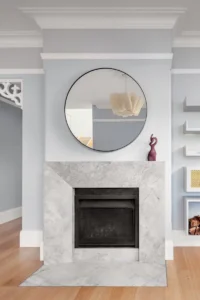
A fireplace is a cozy and inviting feature in any home, but choosing the right material for your fireplace can be a daunting task. There are many options available, such as brick, tile, metal, or wood, but one of the most durable and beautiful choices is natural stone. Natural stone is a versatile and elegant material that can enhance the look and feel of your fireplace. 5 Reasons Why Natural Stone is Best for Fireplace Here are five reasons why natural stone is best choice for fireplaces Different Types of Natural Stone for Fireplaces The charm of natural stone lies in its diversity. Each type of stone has its unique set of attributes, making it suitable for different styles and preferences. Let’s explore some popular types of natural stones used in fireplaces, each offering a distinct blend of aesthetics and functionality. Marble Fireplaces Known for its high-end look and classic appeal, marble is a quintessential choice for a sophisticated fireplace. Its ability to withstand heat makes it a practical choice, while its timeless beauty is adored by homeowners. The smooth, polished surface of marble not only enhances the elegance of living spaces but also provides a focal point that’s easy to maintain. Its availability in various hues and veining patterns allows for a personalized touch to every fireplace design. Granite Fireplaces known for its robustness, granite is a contender for those looking to mix aesthetics with durability. Its heat-resistant nature makes it a dependable material for fireplaces. Further, it boasts a low maintenance requirement, retaining its appearance for years without demanding much upkeep. The extensive palette of colours and textures it comes in allows homeowners to choose a style that aligns with their decor, making granite a versatile choice for modern to traditional homes. Travertine Fireplaces Embodying an earthly charm with colours that seem to be derived from nature itself, travertine offers a rustic appeal like no other. Its matte finish exudes a natural, understated elegance that can transform a room into a cozy, inviting space. The stone’s texture and warm tones are perfect for those looking to create an ambience that feels warm and inviting. Its durable nature also means it can withstand the demands of a fireplace while offering a slice of the outdoors, indoors. Quartzite Fireplaces This stone presents an intriguing blend of elegance and durability, making it a modern choice for fireplaces. Quartzite’s resilience against high temperatures keeps it in good stead while its sleek appearance elevates the contemporary aesthetics of the room. Its variety in colour and form can suit a range of tastes, and its modern sleek look provides a fresh, updated ambience that’s appealing to many homeowners. Dolomite Fireplaces Resembling marble but with an enhanced resistance to heat and scratches, dolomite is a beautiful yet practical choice for those keen on maintaining the pristine condition of their fireplace over time. Its aesthetic appeal does not compromise functionality, making it a desirable choice for those looking for a blend of both. The subtle elegance of dolomite, coupled with its practical advantages, makes it a worthy contender for creating a stunning yet durable fireplace. How to Maintain Your Natural Stone Fireplace A natural stone fireplace can add warmth, beauty, and value to your home. However, it also requires proper care and maintenance to keep it looking its best and functioning safely. Natural stone is a porous material that can absorb dirt, dust, soot, smoke, and moisture, which can cause stains, cracks, and damage over time. Therefore, it is important to follow some simple steps to protect and preserve your natural stone fireplace. Here are some tips on how to maintain your natural stone fireplace: Conclusion With a fireplace made from it, stone radiates elegance, durability, and natural beauty. It’s the best choice. Enhancing your home’s aesthetics is just one of many things you achieve by investing in a natural stone fireplace. You also create a space that’s warm and inviting for memories to be created. Choosing natural stone is like picking out a centerpiece that just looks good anywhere and it resonates with timeless charm and enduring qualities of nature. You won’t have to settle with just one type either as there are plenty of options that cater to different tastes and home decor themes. Years will go on and your fireplace won’t only provide warmth but it’ll also continue being a statement piece you can use to start conversations. FAQs (Frequently Asked Question) Is natural stone good for a fireplace? Yes, natural stone is a great choice due to its heat-resistant properties and ability to withstand extreme temperatures. Its durability and ability to maintain heat are perfect for any fireplace. Materials such as marble, granite, and quartzite are known for these qualities and are ideal for fireplaces​​. What stone is best for fireplaces? Its depends on your personal preferences. Consider the aesthetics you want for your living space. Some stones to think of are granite, marble, and limestone. They’re all pretty popular because of their conductivity in heat, durability and beautiful appearance. Granite is most often picked because it can handle intense heat while being versatile. Marble on the other hand looks high-end, and limestone gives off a rustic feel.

CONTINUE READING ➞

Natural Stone vs. Ceramic Tile: What’s Best for Your Floors?

If you’re looking for a durable, beautiful, and easy-to-maintain flooring option for your home, you might be wondering whether to choose natural stone or ceramic tile. Both materials have their pros and cons, and the best one for you depends on your personal taste, budget, lifestyle, and needs. In this article, we’ll compare natural stone and ceramic tile in terms of durability, maintenance, aesthetics, installation, and environmental impact. We’ll also give you some tips on how to choose the right material for your home style and floor plan. By the end of this article, you’ll have a better idea of which flooring option suits you best. Comparison of Durability, Maintenance, and Aesthetics Natural stone and ceramic tile are both hard-surface flooring options that are highly durable and water-resistant. They can last for many years in various environments and add value to your home. However, they also have some differences that you should consider before making a decision. Durability Generally speaking, natural stone is more durable than ceramic tile. The wear and tear of natural stone is part of the characteristics that give stone its appeal and charm. Natural stone can withstand high traffic, scratches, stains, and temperature changes. However, some types of natural stone are more prone to chipping or cracking than others. For example, granite is the hardest and densest stone material, while sandstone is extremely porous and needs more care. Ceramic tile comes in different hardness ratings, depending on how it’s manufactured. The higher the rating, the greater the durability. For ultimate durability, look for tile with a PEI rating of 3 or above. Lower PEI ratings are better for Splashbacks and applications that won’t endure foot traffic. Ceramic tile is also resistant to scratches, stains, and moisture. However, it can chip or crack if something heavy is dropped on it or if the subfloor is uneven. Maintenance Both natural stone and ceramic tile require regular cleaning to keep them looking like new. However, the way to do it varies between the two materials. Natural stone materials are porous and need to be sealed with a quality sealant or glaze to make them resistant to water and stains. The sealant will need to be reapplied periodically, depending on the type of natural stone you choose. For example, granite needs to be sealed once every 10 years, while marble needs to be sealed once every 3 months. When it comes to everyday maintenance, avoid acidic cleaners that could damage the stone. Use a mild detergent or a specially formulated stone cleaner instead. Ceramic tile that’s glazed doesn’t need any additional coating or sealant. It’s waterproof and stain-resistant by nature. However, you may want to seal the grout lines between the tiles to prevent them from getting dirty or moldy over time. Unglazed ceramic tile will need a sealant or top coat to protect it from staining as well as regular cleaning with a mild detergent. Aesthetics One of the main reasons why people choose natural stone or ceramic tile for their floors is because of their aesthetic appeal. Both materials offer a wide range of colors, textures, patterns, and styles to suit any home decor and design. However, they also have some distinctive features that make them stand out. Natural stone has a unique beauty and elegance that comes from its natural origin. No two pieces of natural stone are exactly alike, which gives your floor a rich and varied look. Natural stone can also create a warm and cozy atmosphere in your home, as well as a sense of luxury and sophistication. However, natural stone can also be more expensive and harder to find than ceramic tile, depending on the type and quality of the stone. Ceramic tile has the advantage of being more versatile and customizable than natural stone. Ceramic tile can be manufactured to mimic the look of other materials, such as wood, metal, glass, and even natural stone. This gives you more options to create the desired effect and style for your floor. Ceramic tile can also be more affordable and accessible than natural stone, depending on the quality and design of the tile. Things to Know Before Installing Natural Stone or Ceramic Tile Floors Before you decide to install natural stone or ceramic tile floors in your home, there are some factors that you need to consider. These include: The Lifespan of Natural Stone vs. Ceramic Tile Another important factor to consider when choosing between natural stone and ceramic tile is their lifespan. How long will your floor last and how will it age over time? Natural stone is known for its durability and longevity. It can last for decades or even centuries if properly installed and maintained. Natural stone can also improve with age, as it develops a patina and character that adds to its charm. However, natural stone can also be susceptible to wear and tear, especially in high-traffic areas or places exposed to moisture or chemicals. Natural stone can also fade or discolor over time, depending on the type and quality of the stone. Ceramic tile is also durable and long-lasting, but not as much as natural stone. It can last for 10 to 20 years or more if properly installed and maintained. Ceramic tile can also retain its color and shine for a long time, as it’s resistant to fading and staining. However, ceramic tile can also be prone to chipping or cracking, especially if the subfloor is uneven or if something heavy is dropped on it. Ceramic tile can also lose its appeal over time, as it becomes outdated or out of style. What Is the Best? Ceramic Tiles or Natural Stones? In conclusion, both natural stone and ceramic tile are excellent choices for flooring, each with its own set of advantages and disadvantages. Natural stone offers unmatched elegance and durability, but it requires more maintenance and is more expensive. Ceramic tile, on the other hand, is more affordable, easier to maintain, and offers a wide range of

CONTINUE READING ➞
Bathroom Countertops

Why you should use marble in your next Home Renovation?

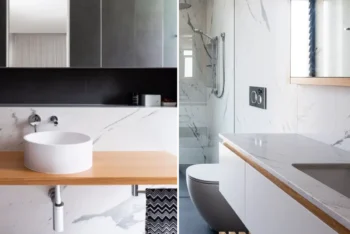
Imagine stepping into a home that gleams with elegance, where every surface exudes a sense of timeless beauty. This aesthetic can be achieved by introducing marble into your home during your next renovation. In this article, we’ll explore the compelling reasons why marble should be your go-to choice for your next home renovation project. The Everlasting Appeal of Marble Marble has been used as a building and decorating material since ancient times. Think about the sparkling white marble of the ancient Greek and Roman architecture, or the intricately carved marble sculptures adorning historical buildings. Marble’s continued popularity in modern times speaks volumes about its enduring appeal. Its natural beauty is unmatched; each slab is unique, adorned with a rich tapestry of patterns and hues, ranging from pure white to black, and virtually every color in between. This can create a stunning visual spectacle in your home, making it truly one-of-a-kind. Durability and Longevity Despite its delicate appearance, marble is incredibly durable. It can withstand the wear and tear of everyday life, making it an excellent choice for high-traffic areas like kitchens and bathrooms. With the right care and maintenance, your marble surfaces can remain in pristine condition for decades or even centuries. Imagine this: a white marble kitchen Benchtops that gleams in the morning sunlight, a testament to your good taste that stays beautiful year after year. Or a marble bathroom that feels like a personal spa, offering you a tranquil space to unwind at the end of a long day. Adding Value to Your Home Marble is more than just a beautiful addition to your home – it’s also a smart investment. Homes with marble features often fetch higher prices on the real estate market. This means that the upfront cost of installing marble can be offset by the increase in your home’s value. Consider this scenario: years down the line, you decide to sell your house. Potential buyers walk in and are immediately taken by the elegant marble features. Your home stands out in a crowded market, and you receive offers above your asking price. Versatility of Marble Marble’s versatility is another one of its strong suits. It can be used in a wide variety of applications around the home. From kitchen countertops and bathroom vanities, to floor tiles and fireplace surrounds, marble is a versatile material that can add elegance to any space. Picture a marble fireplace in your living room, the flame’s flicker dancing across the stone’s polished surface, creating a warm and inviting atmosphere. Or marble floor tiles in your entryway, their cool touch underfoot a refreshing greeting each time you step inside your home. Conclusion Marble is more than just a building material – it’s a statement of style and sophistication. Whether you’re renovating your kitchen, bathroom, or any other part of your home, choosing marble can add a touch of elegance and durability that few other materials can match. In the end, your home should be a reflection of your personal style and taste. And if you appreciate the timeless beauty, durability, and elegance of marble, it’s time to consider incorporating it into your next renovation project. You’ll not only create a beautiful space that you’ll love living in, but also add value to your home, making it a smart investment for the future. FAQ (Frequently Asked Questions)

CONTINUE READING ➞

Natural stone Tiles vs Porcelain Tiles: Which is better?

When it comes to choosing the perfect tiles for your home, there are a number of options that can be overwhelming. From ceramic to vinyl, from porcelain to natural stone, each type has its own unique set of features and benefits. In this article, we’ll take a closer look at two of the most popular types – stone tiles and porcelain tiles – and compare them head-to-head to help you make an informed decision. The Beauty of Natural Stone Tiles Natural stone tiles are exactly what their name suggests – tiles made from natural stone. Whether it’s the warm swirls of marble, the rustic charm of travertine, or the sleek elegance of granite, natural stone tiles bring a touch of nature into your home. Advantages of Natural Stone Tiles Examples and Imagery Imagine walking into a kitchen with a floor made of gleaming marble tiles. The patterns on each tile are unique, creating a beautiful mosaic that instantly catches the eye. The tiles are cool underfoot, a welcome relief on a hot summer day. Or picture a Marble bathroom decked out in slate tiles. The dark, rugged stone adds an element of rustic charm, a perfect complement to the warm glow of candlelight during a relaxing bath. These are just a few examples of how natural stone tiles can be used to create stunning, unique spaces. The Practicality of Porcelain Tiles Porcelain tiles are a type of ceramic tile that is fired at higher temperatures, resulting in a denser, less porous, and more durable tile. Their sleek and uniform appearance has made them a favorite in modern homes and commercial spaces. Advantages of Porcelain Tiles Examples and Imagery Envision a bustling cafe with porcelain tiles that mimic the look of aged hardwood. Despite the heavy foot traffic and frequent spills, the floor remains unscathed and as beautiful as the day it was installed. Or picture a contemporary kitchen with large format porcelain tiles that resemble white marble. They offer the luxurious aesthetic of natural stone but without the need for frequent sealing and special cleaning products. Natural Stone vs Porcelain Tiles: A Comparison When choosing between natural stone tiles and porcelain tiles, there’s no definitive “better” option – it truly depends on your personal preference, lifestyle, and the specific needs of the space. While natural stone tiles offer unparalleled beauty and uniqueness, they require more maintenance and can be more expensive. On the other hand, porcelain tiles are highly durable, easy to maintain, and often more budget-friendly, but they don’t have the same natural variation and luxurious feel as natural stone. FAQ (Frequently Asked Questions) Do natural stone tiles require more maintenance? Natural stone tiles do require some maintenance to keep them looking their best, such as regular sealing to prevent stains and damage. However, with proper care, they can last for generations. Are porcelain tiles a good option for bathrooms? Yes, porcelain tiles are an excellent choice for bathrooms. They are water-resistant, easy to clean, and available in a wide range of styles and finishes. Which type of tile is more eco-friendly? Both types have their merits. Natural stone tiles are made from a renewable resource and can last for a very long time if properly cared for. Porcelain tiles are often made from recycled materials and are very long-lasting, reducing the need for replacement. Conclusion Whether you choose stone tiles or porcelain tiles, both options can add beauty and value to your space. It ultimately comes down to your personal preferences, budget, and the specific demands of your space. Always consider the long-term care, durability, and aesthetic appeal when choosing the right tiles for your project.

CONTINUE READING ➞
Marble

Expert Guide to Choosing the Right Tile for Your Project

When it comes to home improvement or construction projects, choosing the right materials can make or break the outcome. One of the most critical decisions you’ll make is selecting the perfect stone tile for your project. Tiles offer a versatile and durable option for flooring, walls, countertops, and even outdoor patios. However, with a multitude of types and styles available, making the right choice can be overwhelming.  Don’t worry! This comprehensive guide will walk you through five of the most popular tile types: Marble, Granite, Limestone, Travertine, and Basalt. By understanding the characteristics of each type, you’ll be able to select the ideal tile for your project.  Marble Tiles The grandeur and elegance of Marble have been appreciated since ancient times. It’s a naturally occurring stone that adds a touch of luxury to any space. Marble tiles come in a variety of colors, from pure white to black, with various shades of cream, grey, green, and pink in between.  Imagine walking into a marble bathroom with polished white marble flooring. The reflection of the overhead lights gives the room a bright, clean appearance. Marble is not just for floors; it’s also perfect for creating stunning backsplashes or elegant fireplace surrounds.  However, keep in mind that marble is relatively soft and porous, making it prone to staining and scratching. Thus, it’s best suited for low-traffic areas or places where it won’t be exposed to harsh substances.  Granite Tiles If you’re looking for a tile that can withstand high-traffic areas, Granite is an excellent choice. This igneous rock is known for its durability and resistance to heat, scratches, and stains. It’s a perfect choice for Granite Kitchen Benchtops or outdoor patio flooring.  Think about a bustling kitchen with a large granite countertop. The dark granite stands up to the heavy cooking pots and cutting knives, retaining its glossy finish even after years of use. Granite tiles come in a wide array of colors, from nearly white to almost black, with blues, greens, reds, and browns in between. This diversity allows for unique design possibilities, but it also means you’ll need to carefully consider your color choice to ensure it complements your design. Limestone Tiles When you’re seeking a natural, earthy look, consider Limestone. Formed over millions of years from compressed shells and marine life, limestone tiles offer a rustic and warm aesthetic.  Picture a cozy living room with light beige limestone flooring. The soft tones create a calming, inviting atmosphere, ideal for a space meant for relaxation and gathering. Limestone is softer and more porous than granite, making it more susceptible to scratches and stains. It requires regular sealing to maintain its appearance. Because of its softer nature, it’s best used in low-traffic areas or exterior projects. Travertine Tiles Travertine is a type of limestone that forms around mineral spring deposits. With its classic and timeless look, Travertine is a popular choice for indoor and outdoor applications. It has a naturally non-slip surface, making it perfect for bathroom and poolside areas.  Imagine walking barefoot on a cool travertine pool deck on a hot summer day. The rough texture provides grip, preventing slips and falls. While travertine is durable, it’s also porous and can be stained or etched by acidic substances. Therefore, it requires regular maintenance, such as sealing, to keep it looking its best. Basalt Tiles When durability meets modern aesthetics, you get Basalt. This dark-colored, igneous rock is incredibly tough and resilient, making it ideal for high-traffic areas.  Picture a sleek, modern kitchen with a charcoal-colored basalt floor. It’s not only stylish but also withstands the high foot traffic and frequent spills typical in such a space. Despite its strength, basalt tiles require regular sealing to prevent staining and maintain their appearance. Conclusion Choosing the right tile for your project is about balancing aesthetics, durability, and maintenance requirements. Whether you’re drawn to the luxury of marble, the strength of granite, the rustic charm of limestone, the timeless elegance of travertine, or the modern appeal of basalt, understanding the unique properties of each tile type will help you make an informed decision. Remember, your choice of tile can drastically transform the look and feel of your space. So, take the time to consider your options, weigh the pros and cons, and select a tile that complements your design vision and meets your project’s specific needs. Finally, don’t hesitate to reach out to tile and stone professionals. They can provide further advice and guidance, ensuring you make the best possible choice for your project. With the right tile, you can create a space that’s not only functional and durable but also truly beautiful. FAQs (Frequently Asked Questions) What tile is best for a high-traffic area? For high-traffic areas, Granite and Basalt tiles are an excellent choice due to their high durability and resistance to wear and tear. Which tiles are best for outdoor use? Granite, Travertine, and Basalt tiles are all suitable for outdoor use. They are weather-resistant and maintain their appearance despite exposure to the elements. Which tiles require the least care? Granite and Basalt require relatively less maintenance. These tiles are less porous and resistant to staining, but they still benefit from regular sealing. I want a luxurious, high-end look. Which tile should I choose? Marble tiles are synonymous with luxury and elegance. Their unique veining and wide range of colors can create a truly high-end look. What tile is best for a rustic or natural-style project? Limestone and Travertine tiles offer a natural, earthy aesthetic, making them a great choice for rustic or traditional style projects. If you are ready to kickstart your project and need more advice on choosing the perfect tile, our team of experts at Avant Stone are here to help. With our wide range of high-quality stone tiles and extensive industry experience, we can guide you in making the best choice that aligns with your project needs and aesthetic preferences. Contact us today to transform your space into a masterpiece!

CONTINUE READING ➞
Wishlist
Recently Viewed
Categories