How to Maintain and Clean Marble Benchtops to Retain Their Shine?

Marble benchtops have become another spectacular feature in most Australian houses and are adored for their exquisiteness, as well as their distinct veining. Although the beauty they bring is irrefutable, marble has to be taken proper care of to maintain its shine and avoid the wear-and-tear effect that it may have in the long run. At Avant Stone, we assist homeowners and safeguard their investment by providing them quality stone and useful care recommendations. This guide will tell you how to clean and take care of your marble benchtop and keep it polished and elegant over the years.

Our Granite Slabs for Benchtops

  • Balerion Granite

    Balerion Granite presents a deep black backdrop adorned with swirling sand-brown patterns that move across each slab with a bold yet refined natural energy. Its distinctive leathered finish sets it apart from conventional polished granites, offering a tactile, matte surface that catches light with a subtle, understated dimension perfectly suited to contemporary Australian interiors. The combination of the grounding black base and warm sand-brown tones creates a stone that feels dramatic without being cold or severe. Ideal for kitchen benchtops, bathroom vanities, feature walls and bar tops, Balerion pairs beautifully with warm timber cabinetry, matte black or brushed bronze fixtures and earthy neutral tones.

  • Titanium Granite

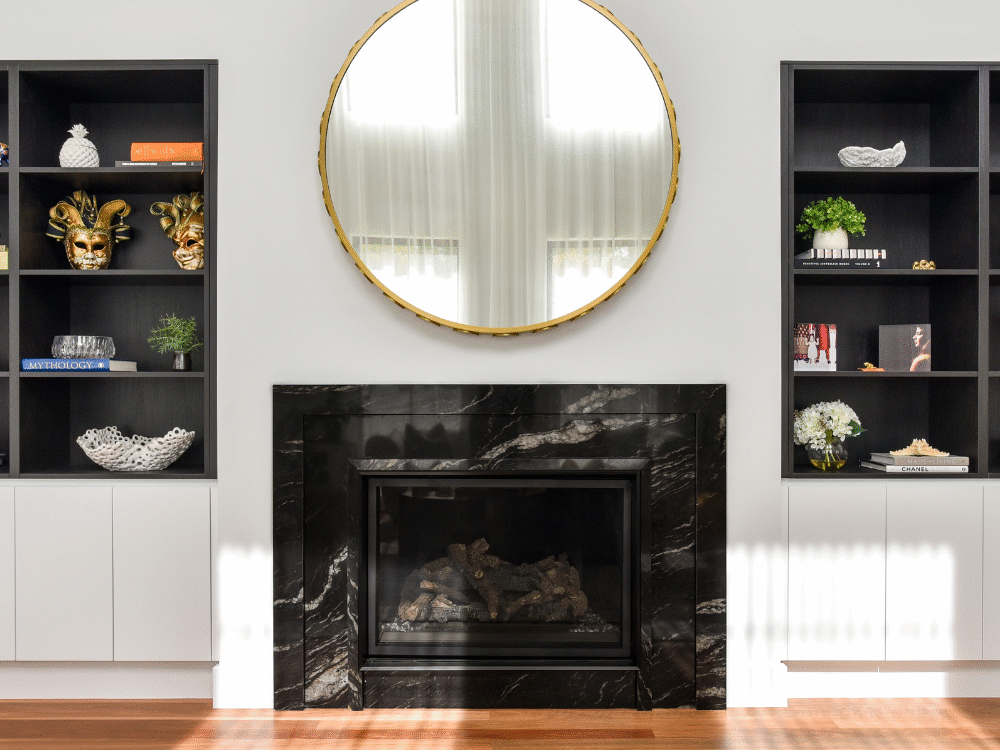
    Titanium Granite is a dramatically striking natural stone with an intense black background bursting with irregular white and gold crystallisations that scatter across each slab like stars captured in stone, creating a galaxy-like movement and elegance that is genuinely difficult to replicate in any other material. The milky white and gold tones move through the deep black foundation like satin against obsidian, catching light with a brilliant luminosity that shifts and glows throughout the day with a captivating, ever-changing energy. As a granite, Titanium offers exceptional durability, natural heat resistance and outstanding strength, making it as practical and reliable for high-use kitchen benchtops as it is striking on feature walls, accent walls and outdoor cladding applications. Its bold, timeless black and gold palette pairs beautifully with warm timber cabinetry, brushed brass fixtures and crisp white joinery, bringing a vivid, elegant and unmistakably sophisticated natural drama to both interior and exterior spaces that embrace the extraordinary character of premium dark natural stone.

  • Colonial White Granite

    Colonial White Granite is a beautifully speckled natural stone with a clean cream and white base delicately scattered with warm burgundy spots that give the stone a subtle, consistent character without ever overpowering the surface. The gentle speckled patterning creates a quiet visual interest that feels refined and grounded, sitting comfortably within a wide range of interior styles from classic to contemporary. One of its most appealing qualities is its exceptional versatility with other materials and colour palettes, blending seamlessly with lighter finishes for a soft, cohesive look and creating an alluring contrast when paired with deeper, darker cabinetry and fixtures. Durable, low maintenance and naturally beautiful, Colonial White Granite is an outstanding choice for kitchen benchtops, bathroom vanities, flooring and wall cladding in both residential and commercial applications.

  • Blue Moon Granite

    Blue Moon Granite is a striking natural stone with a distinctive grey-and-blue background, boldly intersected by sharp, angular veining that gives each slab a uniquely geometric, contemporary character. The cool blue-grey tones and crisp, angular patterns create a rugged yet refined aesthetic that feels equally at home in modern interior spaces and outdoor entertaining areas. Its exceptional durability and natural weather resistance make it a particular favourite for external applications such as BBQ benches and alfresco entertaining spaces, where both practicality and visual impact matter. Available in tile and paving formats through the Avant Stone Natural Stone Tile range, Blue Moon Granite offers a versatile and cohesive solution for those seeking a bold, durable natural stone that performs beautifully inside and out.

Granite countertops

Find the Perfect Stone for
Your Project

Not sure which stone will suit your kitchen, bathroom, or outdoor space? Explore our curated selection of natural stone slabs and get expert advice on the best choice for your design.

Understanding the Nature of Marble

Why Marble Needs Special Attention?

Marble requires some special treatment as it is a porous stone composed of calcium that is easily permeable to water and acidic materials. Citrus or other common household products, such as vinegar or wine, will etch or leave permanent dull areas. It has a soft surface as well that is vulnerable to scratches and stains, so it needs mild cleaning, frequent sealing, and constant maintenance in order to protect its natural beauty and light.

The Role of Porosity in Maintenance

The porosity influences the reaction of marble to moisture, oils, and spillages. Marble is porous and, as such, it can soak up liquids in a short time, which can result in stains or discolouration. Without suitable sealing, the materials can creep underneath the ground. The important thing is getting a better idea of its porosity to better select the proper cleaning methods and avoid causing permanent damage to the benchtop.

Daily Cleaning Practices for Marble Benchtops

Using the Right Cleaning Products

It is important to use proper cleaning products to maintain surfaces that are made of marble. The best thing to use is a neutral stone cleaner, or warm water and a soft cloth. There should be no acidic cleaners, bleach, or ammonia-based sprays because they may all destroy the surface. Waxes and non-abrasive products that are soft assist in keeping the marble finish ready and do not lead to etchings and discolouration.

How to Clean Without Causing Etching

Stone marble can be cleaned with the help of a warm warm water or a pH-neutral, stone-safe cleaner using a soft microfibre cloth. Scrubbing pad, acidic solution, or strong chemicals should be avoided. Clean the surface by using a soft cloth or a tissue and drain the surface to avoid water marks. Regular gentle cleaning keeps the marble in its smooth and polished state.

Managing Spills and Preventing Stains

Responding to Spills Immediately

Marble is a very porous material, so liquids are quickly absorbed, and the necessary action should take place instantly. Blot spills with a soft cloth; never wipe, because it disperses the liquid. Clean the surface with clean water and dry it. Quick action also avoids severe stains and is helpful to guard the natural finish of the benchtop against seemingly irreversible damage by acidic or coloured substances.

Treating Stains the Right Way 

In order to remove the stains, use a special poultice on natural stone. It extracts the deep-rooted stains, without damaging the surface. It is better not to use vinegar, lemon, or an abrasive cleaner. Never apply the solution to large areas, but apply it to a small portion and reapply it in case there is a need to reapply it again in order to regain the clean look of the marble.

Sealing the Surface for Lasting Protection

When to Seal and How Often

The marble benchtops are to be sealed after every 6 to 12 months or based on the frequency of use. To test, a few drops of water can be placed on the marble- in case the drops are absorbed rapidly, then resealing is necessary. Frequent resealing can help avoid the stains, absorption of water, and etching due to daily use or spilling by mistake.

How to Apply a Marble Sealer

The process starts by cleaning and drying the surface. Spread the sealer in the marble with the help of a cloth or sponge, with which it’s advised to leave it soaking. Excess product should be removed after the prescribed interval. It is advisable to leave the benchtop to cure before usage to give maximum protection against both moisture and staining agents.

Avoiding Habits That Damage Marble

Common Mistakes to Avoid

Acid-based cleaners, vinegar, and other products that contain lemons should also not be used since they have the possibility of etching the marble surface. Do not put hot pans on the benchtop or chop without using a board. Rough scrubbing pads and failure to seal routinely and spills left too long may also result in permanent damage to the surface.

Protective Measures You Can Take

Make use of chopping boards to prepare the food and put coasters beneath drinks in order to avoid stains. Hot pots and pans should always be put on trivets. Heavy appliances should have soft pads that prevent scratches. Regularly, the surface should be resealed and washed with a pH-neutral product in order to keep authentic shine on the marble and, in this way, to prolong its life.

Polishing to Restore Surface Shine

When Marble Starts to Look Dull

A polished marble can become dull with use, or by the effect of acid etching, or slight surface abrasion. If your benchtop is cloudy or uneven, then this is an indication that the finish is wearing out. By treating the surface early using safe polishing products or professional rejuvenation, you can rectify the situation before the mark gets to a position where more damage or discolouration can take place.

Polishing at Home vs Professional Help

The dullness on the surface of light can be restored through the employment of a soft cloth and a marble-safe polishing powder. Nevertheless, in case of serious etching or extensive wear, professional re-polishing is advised. Professionals have their specialised tools and methods, which can restore the original finish of the stone safely without harming it even more, providing a longer and durable outcome.

Long-Term Marble Care Recommendations

Maintenance Habits to Develop

A soft cloth and a pH-neutral cleaner should be used in cleaning up the benchtop daily. Be quick to clean up any spills and seal the surface regularly. Do not use any abrasive or harsh chemicals. Coasters, chopping boards, and trivets should be used as protection against heat, moisture, and stains. These tips will keep your marble clean, polished, and without any damage.

Checking for Early Signs of Damage

Inspect your marble benchtop for faint scratches, etch marks, or water rings. Dull spots, discolouration, or uneven sheen may indicate surface wear or staining. Identifying these issues early allows for timely treatment, preventing long-term damage and reducing the need for costly restoration or professional intervention down the line.

Selecting High-Quality Marble for Easier Maintenance

Why Marble Quality Matters

Not every marble is made the same. Low-grade marble can be more porous and frequently leads to etching. Avant Stone provides marble slabs that are more durable and resilient; thus, maintenance by a homeowner becomes easy.

Our Commitment to Quality and Support

We carefully source our marble from reputable quarries to ensure consistency, durability, and performance. Our team also guides ongoing care to help you maintain your stone investment for the long term.

Conclusion

Marble benchtops add both grace and worth to your house, and yet they must be well-maintained to maintain their aesthetic nature. With correct cleaning practices, prompt stain removal, and a habit of sealing your marble, you can continue to enjoy its beauty as it was on the first day of its installation. At Avant Stone, we not only provide high-quality stone for your home, but we also provide the knowledge on the care and advice to ensure that your benchtop always remains in its finest condition. Let your marble remain a fashionable centrepiece in your area, take the appropriate care of it, and it will serve you well over many years.

FAQs

Use a soft microfibre cloth with warm water or a pH-neutral stone cleaner. Avoid acidic, abrasive, or bleach-based products, as they can etch or dull the surface.
Marble benchtops should be sealed every 6 to 12 months. If water soaks in quickly, it’s a sign the surface needs resealing to prevent stains.
Yes, apply a commercial poultice for natural stone to draw out stains. Avoid DIY methods like vinegar or lemon juice, which can damage the surface permanently.
Etching from acids and daily wear can dull the surface. Using safe cleaners and polishing occasionally helps restore and maintain the benchtop’s original shine.

Natural Stone Slab Supplier

Avant Stone brings together 20 years of stone industry experience to provide you with a range of globally sourced stone slabs including Marble slabs, Granite slabs and Quartzite Slabs.

We aim provide you quality service and distinctive stone products for your home or your commercial space. Avant Stone is the premier Stone Supplier of Granite, Quartzite and Marble slabs in Sydney.

Our showroom is located centrally in Greenacre, a mere 20 minutes from Sydney & Parramatta CBD.

Give us a call: 0298170037
Email us at: info@avantstone.com.au


Wishlist
Recently Viewed
Categories